Project Drawdown awarded US$150,000 from The Whiteman Family Foundation

Funding will provide Project Drawdown with unrestricted funds to support climate solutions research and action in the food sector
Image
An image of Earth with the text Project Drawdown Funding Announcement overlaid
Off

Project Drawdown is honored to be awarded a one-year, US$150,000 grant from The Whiteman Family Foundation.

This funding from The Whiteman Family Foundation will help drive Project Drawdown’s efforts to identify and characterize the most effective climate solutions that can address climate change at scale – especially those that address emissions from the food, agriculture, and land use sector.

“Project Drawdown is delighted to receive the support of The Whiteman Family Foundation and once again partner on advancing science-based climate solutions in the most crucial areas,” says Project Drawdown Executive Director Jonathan Foley, Ph.D.

The Whiteman Family Foundation grant will support the ongoing development and maintenance of Drawdown Explorer, the free, game-changing platform that uses the best available data to lay out pathbreaking new strategies for accelerating climate action. It will also help build out Project Drawdown’s growing focus on food, enabling in-depth research and effective communications to help businesses, impact investors, philanthropists, and others identify and deploy actions across the spectrum of climate solutions associated with food, agriculture, and land use.

“At The Whiteman Family Foundation, we prioritize organizations that create impact across an entire issue area,” says Kaylyn Fern, Director of Strategic Philanthropy. “Project Drawdown is a leader in the climate space, translating years of rigorous research into practical, actionable solutions available at the click of a button. Their work makes it easier for decision-makers, funders, and communities to identify and implement effective climate strategies when they are needed most. We are proud to support Project Drawdown and deepen our commitment to advancing solutions that address the climate crisis.”


About Project Drawdown
Project Drawdown is the world’s leading guide to science-based climate solutions. Our mission is to drive meaningful climate action around the world. A 501(c)(3) nonprofit organization, Project Drawdown is funded by individual and institutional donations.

About The Whiteman Family Foundation

Founded in December 2021, The Whiteman Family Foundation is dedicated to enhancing our world by ensuring people have the resources they need to live happy, healthy lives. Based in Boulder, Colorado, the Foundation supports a diverse portfolio of organizations that approach their work and impact with an eye towards intersectionality, innovation, capacity building, and balance—principles that reflect the Foundation’s own values. Its grantmaking spans multiple impact areas, including basic needs, mental health and research, access & opportunity, and environmental stewardship. Through its trust-based philanthropy and systems-level approach, The Whiteman Family Foundation empowers partners and communities to drive durable, long-term change. For more information about The Whiteman Family Foundation, please visit whitemanfamilyfoundation.org. 

Description for Social and Search
Project Drawdown is thrilled to have been awarded US $150,000 from @The Whiteman Family Foundation!
Include in Home Insights and News Feed
On

Deploy Leaf Protein Concentrates

Image
Image
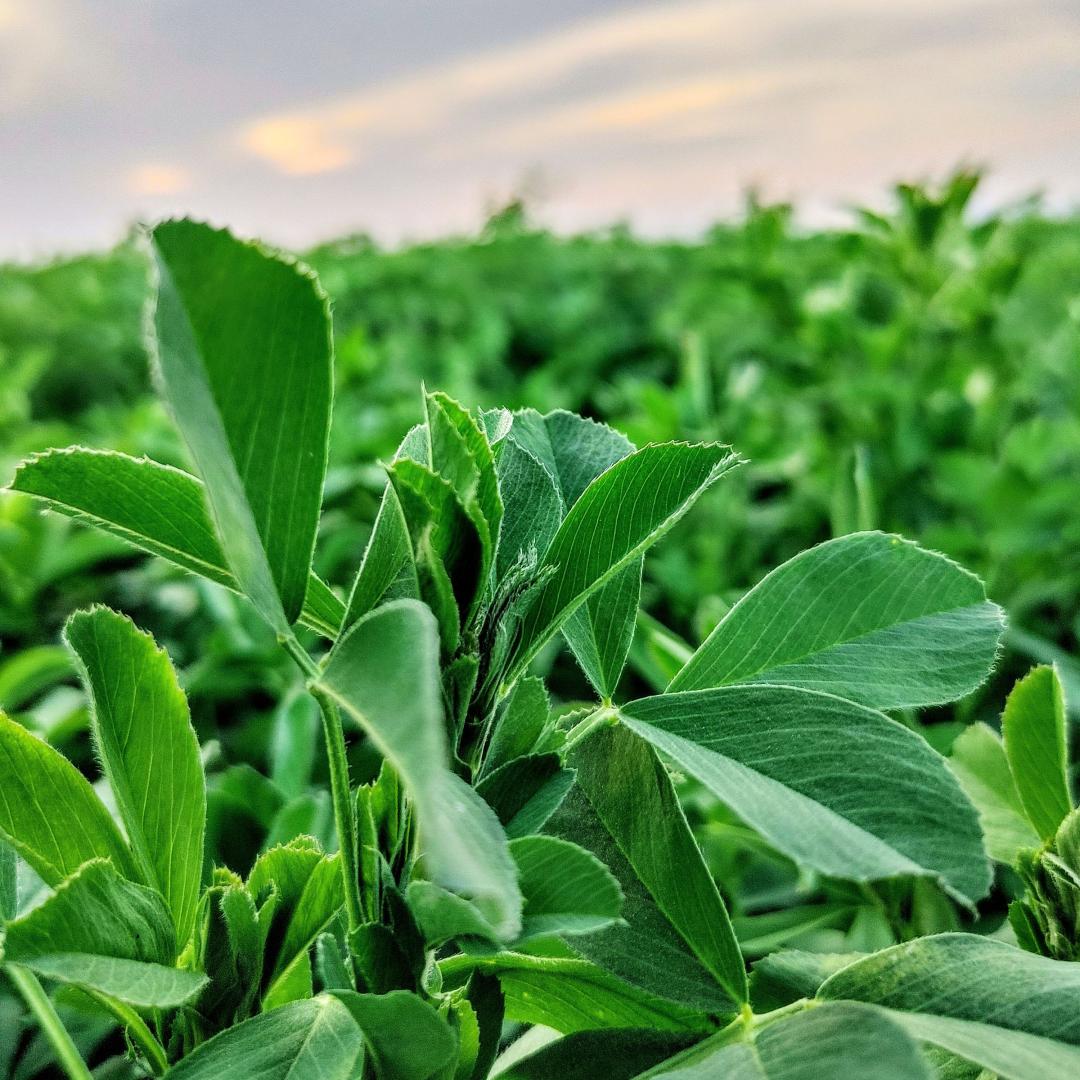
Close-up of alfalfa leaves
Coming Soon
Off

Key Takeaways

  • Leaf protein concentrates provide a rich source of protein from leafy biomass with a fraction of the GHG emissions of dairy proteins.
  • Commercialization of leaf protein concentrates products that can displace GHG-intensive animal proteins is limited.
  • At very high adoption, leaf protein concentrate systems could theoretically meet global protein and caloric requirements.
Summary

Deploying leaf protein concentrates (LPCs) involves isolating high-quality proteins from green foliage, agricultural by-products, or aquatic flora for use in human food and animal feed. By producing proteins that can replace proteins from livestock, LPC deployment can substantially reduce GHG emissions as well as land and water use (Anoop et al., 2023; García Martínez et al., 2026; Skunca et al., 2021). While recent technical innovations have successfully overcome historical flavor and color barriers, the technology is still in early-stage commercialization, making it a high-potential solution to “Keep Watching.”

Description for Social and Search
Deployment of liquid protein concentrates could be a major climate solution, but it is not ready at scale. We will keep watching for further development.
Overview

What is our assessment?

LPC could be a major climate solution, but it is not ready at scale. Its life-cycle emissions vary considerably by feedstock, but emerging commercial products use high-protein feedstocks such as alfalfa, sugar beet leaves, or duckweed and so have lower GHG emissions than common animal-sourced ingredients. Even though currently confined to niche markets, LPC is a promising, low-risk, climate solution to “Keep Watching.”

Plausible Could it work? Yes
Ready Is it ready? No
Evidence Are there data to evaluate it? Yes
Effective Does it consistently work? ?
Impact Is it big enough to matter? Yes
Risk Is it risky or harmful? No
Cost Is it cheap? Yes

What is it?

LPC is digestible protein extracted from abundant vegetation, such as grasses, legumes (e.g., alfalfa, clover), or aquatic plants (e.g., duckweed) (García Martínez et al., 2026). By replacing animal proteins, LPC can reduce emissions from livestock production; where it displaces beef or dairy production, fewer cattle would also mean less enteric methane and land required for grazing and feed. A secondary pathway is replacing higher-impact livestock feed with LPC. 

LPC is often produced by extracting rubisco, one of the world’s most abundant proteins, from plant feedstocks (Bar-On & Milo, 2019; Erb & Zarzycki, 2018). Fibrous, leafy biomass that humans cannot efficiently digest is pulped, pressed, and coagulated using heat or acid to create concentrated protein powder or paste. Leaf protein extraction for human consumption dates back two centuries (Davys et al., 2011), while modern filtration and emulsification have overcome previous grassy flavor and dark green color barriers (Anoop et al., 2023). Startups are beginning to commercialize LPC to substitute for higher GHG-generating animal proteins – mostly whey, caseins, and egg whites – for use in plant-based milks, yogurts, and protein beverages.

Does it work?

Whether LPC can scale enough to materially displace animal-sourced food ingredients and reduce enteric methane emissions from livestock remains uncertain. GHG emission savings depend on the vegetation used, processing requirements, energy use, and protein content (Anoop et al., 2023; Skunca et al., 2021). Rubisco has been reported to generate one-tenth of the GHGs per hectare associated with dairy protein production and can be extracted from alfalfa that would otherwise be fed to dairy cows with substantial caloric losses through feed conversion (Anoop et al., 2023; West et al., 2026).

A life-cycle analysis of sugar beet LPC, a high-protein sugar industry by-product, found 30% lower GHG emissions and 99% lower land use than egg protein (Anoop et al., 2023). LPC has also shown a 57–85% reduction in emission intensity when replacing soy feed for livestock, but absolute emission savings are limited because feed is already relatively low-emitting and this pathway does not address major livestock emissions from enteric methane or land use change (Gaffey et al., 2024; García Martínez et al., 2026). At an achievable level of adoption, LPC could plausibly mitigate at least 0.1 Gt CO₂‑eq/yr largely by displacing higher-emitting animal proteins.

Why are we excited?

With food demand projected to rise 35–56% by 2050 (van Dijk et al., 2021), climate-driven rangeland declines expected to intensify (Li et al., 2026), and global meat production projected to double by 2050, expanding low-impact protein alternatives will be critical to meeting food demand without vastly expanding agricultural land (Feigin et al., 2025). LPC offers a potentially low-cost protein source, sometimes using agricultural by-products, that could reduce demand for animal proteins and associated pastureland while easing pressure to convert remaining ecosystems. It can also provide a digestible, nutrient-dense source of protein and, depending on the feedstock, micronutrients including vitamins A, B12, and K; calcium; and iron (Anoop et al., 2023; Prendeville et al., 2026). Under high-adoption scenarios, LPC systems could theoretically meet global protein and caloric requirements, with modeled costs suggesting daily caloric needs could be met for ~US$1–2/person, about the cost of a snack, although costs depend strongly on biomass availability, yield, transport, and economies of scale (García Martínez et al., 2026). 

Ruminant meat production uses vast areas of land while supplying only 1.4% of global calories and 3.1% of global protein (Wirsenius et al., 2025). While 42% of pastureland was historically forested and could be restored or used as cropland (Searchinger et al., 2018), other grasslands could supply LPC biomass, although steep, rocky, or shallow-soil areas may be difficult to harvest at scale (García Martínez et al., 2026). Although some early LPCs had incomplete profiles, newer LPC products typically contain 46–53% essential amino acids, comparable to soy protein concentrate (Anoop et al., 2023; Kaur et al., 2026). If LPC eventually displaces enough beef and dairy production, reduced grazing land demand could enable substantial additional carbon sequestration through recovering forests, grasslands, and soils (Hayek et al., 2024).

Why are we concerned?

Commercialization remains limited to a few early-stage startups with minimal market penetration (Anoop et al., 2023; Furia et al., 2026). Developing LPC products with the taste, texture, nutritional value, and consumer appeal needed to displace established animal proteins remains a key commercialization hurdle. LPC emissions can also vary substantially by feedstock; for example, chicory LPC had ~15 times the GHG intensity of alfalfa LPC (Anoop et al., 2023). 

Additionally, many extraction methods remain at laboratory scale and industrial viability has not been widely demonstrated (García Martínez et al., 2026). Transporting high-moisture biomass to regional biorefineries during tight harvest windows is another challenge, particularly because of the potential for post-harvest protein degradation. 

Whether existing livestock-feed infrastructure can be repurposed for LPC production remains uncertain, but LPC has significant potential to produce far more high-quality protein at a fraction of the environmental impact (Anoop et al., 2023; García Martínez et al., 2026).

Solution in Action

References

Anoop, A. A., Pillai, P. K., Nickerson, M., & Ragavan, K. V. (2023). Plant leaf proteins for food applications: Opportunities and challenges. Comprehensive Reviews in Food Science and Food Safety, 22(1), 473–501. Link to source: https://doi.org/10.1111/1541-4337.13079 

Bar-On, Y. M., & Milo, R. (2019). The global mass and average rate of rubisco. Proceedings of the National Academy of Sciences, 116(10), 4738–4743. Link to source: https://doi.org/10.1073/pnas.1816654116 

Davys, M. N. G., Richardier, F. C., Kennedy, D., Mathan, O. D., Collin, S. M., Subtil, J., Bertin, E., & Davys, M. J. (2011). Leaf concentrate and other benefits of leaf fractionation. In B. Thompson & L. Amoroso (Eds.), Combating micronutrient deficiencies: Food-based approaches (pp. 338–365). Centre for Agriculture and Bioscience International. Link to source: https://doi.org/10.1079/9781845937140.0338 

Domokos-Szabolcsy, É., Yavuz, S. R., Picoli, E., Fári, M. G., Kovács, Z., Tóth, C., Kaszás, L., Alshaal, T., & Elhawat, N. (2023). Green biomass-based protein for sustainable feed and food supply: An overview of current and future prospective. Life, 13(2), Article 307. Link to source: https://doi.org/10.3390/life13020307 

Erb, T. J., & Zarzycki, J. (2018). A short history of RubisCO: the rise and fall (?) of Nature's predominant CO2 fixing enzyme. Current Opinion in Biotechnology, 49, 100–107. Link to source: https://doi.org/10.1016/j.copbio.2017.07.017

Fatima, A., Singh, P., Pandey, V. K., Singh, R., & Rustagi, S. (2024). Exploring the significance of protein concentrate: A review on sources, extraction methods, and applications. Food Chemistry Advances, 5, Article 100771. Link to source: https://doi.org/10.1016/j.focha.2024.100771 

Feigin, S. V., Wiebers, D. O., Blumstein, D. T., Knight, A., Eshel, G., Lueddeke, G., Kopnina, H., Feigin, V. L., Morand, S., Lee, K., & Brainin, M. (2025). Solving climate change requires changing our food systems. Oxford Open Climate Change, 5(1), kgae024. Link to source: https://doi.org/10.1093/oxfclm/kgae024 

Furia, K. A., Majzoobi, M., Torley, P. J., & Farahnaky, A. (2026). Innovative approaches in leaf protein extraction: advancements, challenges, and applications in sustainable food formulation and design. Critical Reviews in Food Science and Nutrition, 66(7), 1287–1319. Link to source: https://doi.org/10.1080/10408398.2025.2542516 

Gaffey, J., Matinez, A. A., Andrade, T. A., Ambye-Jensen, M., Bishop, G., Collins, M. N., & Styles, D. (2024). Assessing the environmental footprint of alternative green biorefinery protein extraction techniques from grasses and legumes. Science of the Total Environment, 949, Article 175035. Link to source: https://doi.org/10.1016/j.scitotenv.2024.175035 

García Martínez, J. B., Behr, J., Andrade, T. A., Blouin, S., Costa, J., & Denkenberger, D. (2026). Global potential of integrated biorefineries for leaf protein and sugar: Producing sustainable food and preventing starvation in catastrophes. Sustainable Production and Consumption, 64, 247–265. Link to source: https://doi.org/10.1016/j.spc.2026.02.009 

Hayek, M. N., Piipponen, J., Kummu, M., Resare Sahlin, K., McClelland, S. C., & Carlson, K. (2024). Opportunities for carbon sequestration from removing or intensifying pasture-based beef production. Proceedings of the National Academy of Sciences, 121(46), e2405758121. Link to source: https://doi.org/10.1073/pnas.2405758121 

Kaur, C., Kaur, G., & Bhatia, S. (2026). Exploring leaf proteins from agricultural waste for sustainable nutrition. Journal of the Science of Food and Agriculture, 106(6), 3270–3288. Link to source: https://doi.org/10.1002/jsfa.70221 

Li, C., Kotz, M., Pradhan, P., Wu, X., Hu, Y., Li, Z., & Chen, G. (2026). Climate change drives a decline in global grazing systems. Proceedings of the National Academy of Sciences, 123(7), e2534015123. Link to source: https://doi.org/10.1073/pnas.2534015123

Oktar, B., De Aguiar Saldanha Pinheiro, A. C., Tappi, S., & Rocculi, P. (2025). A comprehensive overview of three novel plant proteins approved by EFSA: alfalfa protein concentrate, rapeseed and mung bean protein isolates. Critical Reviews in Food Science and Nutrition, 1–17. Link to source: https://doi.org/10.1080/10408398.2025.2564898 

Poore, J., & Nemecek, T. (2018). Reducing food’s environmental impacts through producers and consumers. Science, 360(6392), 987–992. Link to source: https://doi.org/10.1126/science.aaq0216

Prendeville, J., Jansen, M. A. K., & Tiwari, B. K. (2026). Sustainable Processing of Duckweed (Lemnaceae) for Protein Recovery: Preservation Strategies and Emerging Green Extraction Technologies. Journal of Food Processing and Preservation, 2026(1), 7768843. Link to source: https://doi.org/10.1155/jfpp/7768843 

Searchinger, T. D., Wirsenius, S., Beringer, T., & Dumas, P. (2018). Assessing the efficiency of changes in land use for mitigating climate change. Nature, 564(7735), 249–253. Link to source: https://doi.org/10.1038/s41586-018-0757-z 

Skunca, D., Romdhana, H., & Brouwers, R. (2021). Rubisco protein production–LCA approach. MEST Journal, 9(1), 175–183. Link to source: https://doi.org/10.12709/mest.09.09.01.20 

van Dijk, M., Morley, T., Rau, M. L., & Saghai, Y. (2021). A meta-analysis of projected global food demand and population at risk of hunger for the period 2010–2050. Nature Food, 2(7), 494–501. Link to source: https://doi.org/10.1038/s43016-021-00322-9 

West, P. C., Gerber, J. S., Cassidy, E. S., & Stiffman, S. (2026). Only half of the calories produced on croplands are available as food for human consumption. Environmental Research: Food Systems, 3(2), 021001. Link to source: https://doi.org/10.1088/2976-601X/ae4f6b 

Wirsenius, S., James, O., Beringer, T., & Searchinger, T. D. (2025). The full climate costs of agriculture including foregone land carbon storage [Preprint]. Research Square. Link to source: https://doi.org/10.21203/rs.3.rs-6678069/v1 

Credits

Lead Fellow

  • Nicholas Carter

Internal Reviewers

  • Emily Cassidy
  • Megan Matthews, Ph.D.
  • Christina Swanson, Ph.D.
Speed of Action
Caveats
Risks
Consensus
Trade-offs
Action Word
Deploy
Solution Title
Leaf Protein Concentrates
Classification
Keep Watching

Lawmakers and Policymakers

Practitioners

Business Leaders

Nonprofit Leaders

Investors

Philanthropists and International Aid Agencies

Thought Leaders

Technologists and Researchers

Communities, Households, and Individuals

Updated Date
Coming Soon Label
Coming Soon

Deploy Utility-Scale Hydropower

Sector
Electricity
Image
Image
Peatland
Coming Soon
On
Description for Social and Search
Deploy Utility-Scale Hydropower is a Worthwhile climate solution.
Solution in Action
Speed of Action
Caveats
Risks
Consensus
Trade-offs
Action Word
Deploy
Solution Title
Utility-Scale Hydropower
Classification
Worthwhile

Lawmakers and Policymakers

Practitioners

Business Leaders

Nonprofit Leaders

Investors

Philanthropists and International Aid Agencies

Thought Leaders

Technologists and Researchers

Communities, Households, and Individuals

Coming Soon Label
Coming Soon

Improve Fuel-Burning Cooking Equipment

Sector
Buildings
Image
Image
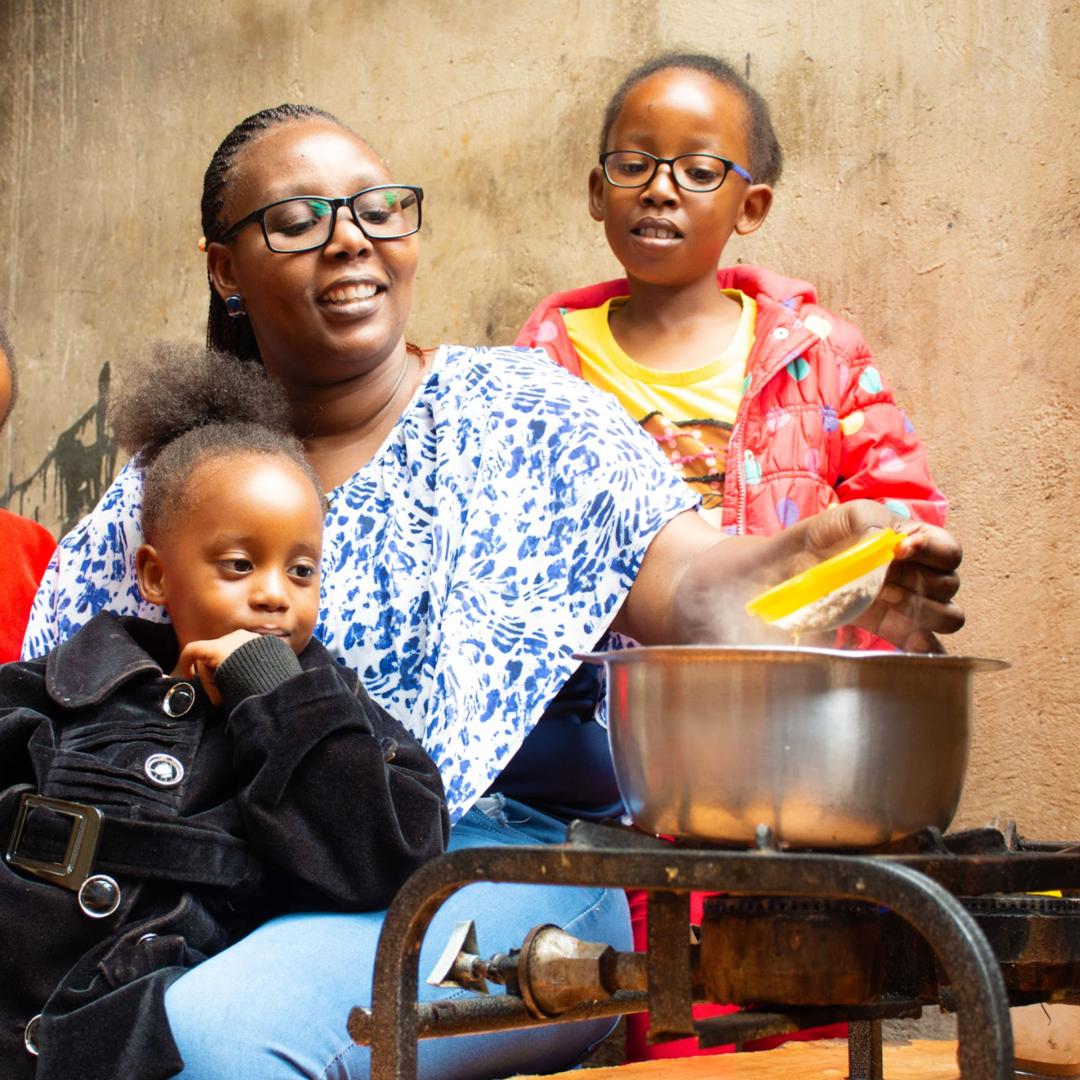
Family cooking on a clean stove indoors
Coming Soon
Off

Key Takeaways

  • Improving fuel-burning cooking by enhancing efficiency or burning cleaner fuels reduces GHG emissions from combustion and unsustainable biomass harvesting. 
  • Improving the efficiency of solid-fuel cookstoves can reduce fuel usage 25–40%. 
  • Improving fuel-burning cooking equipment is a low-cost climate solution that can also reduce household air pollution and free up time for schooling, employment and other activities, all while reducing deforestation and biodiversity loss. 
  • Adoption of improved fuel-burning cooking equipment is held back by cost and cultural barriers, while limited data hinders emissions impact analyses.
  • In regions of low- and middle-income countries that lack reliable and affordable access to electricity, improved fuel-burning cooking equipment can be a stepping stone toward cooking with electricity.
Summary

In low- and middle-income countries, adopting cooking equipment that uses cleaner fuels or is more efficient has the potential to reduce GHG emissions from both cooking and deforestation due to unsustainable biomass use. Such equipment is readily available and inexpensive and provides significant social benefits. Barriers to adoption include cost and cultural practices, particularly in sub-Saharan Africa. Due to limited data to evaluate the emissions impact of improving fuel-burning equipment, we will “Keep Watching” this solution. 

Description for Social and Search
Improve Fuel-Burning Cooking Equipment has potential as a climate solution, but it's not currently highly recommended.
Overview

What is our assessment?

Based on our analysis, improving fuel-burning cooking equipment is an important strategy for reducing GHG emissions from stoves and unsustainable wood harvesting, especially in low-income countries where the additional social and health benefits are significant. However, the lack of quantitative data on the emissions impacts precludes a full analysis. We will “Keep Watching” this potential climate solution. 

Plausible Could it work? Yes
Ready Is it ready? Yes
Evidence Are there data to evaluate it? No
Effective Does it consistently work? Yes
Impact Is it big enough to matter? Yes
Risk Is it risky or harmful? No
Cost Is it cheap? Yes

What is it?

Improved fuel-burning cooking equipment reduces emissions from combustion and unsustainable biomass harvesting by switching to more efficient cooking equipment or cooking equipment that burn cleaner fuels. In many countries around the world, it is common to cook meals over open fires with solid fuels such as wood, charcoal, dung, and coal or over kerosene stoves. Cooking using solid fuels occurs mainly in low-income countries and in rural areas, with one report estimating that 84% of people in sub-Saharan Africa lacked cleaner cooking solutions in 2020 (Stoner et al., 2021). Improved fuel-burning cooking equipment includes more efficient cookstoves and stoves that use cleaner fuels such as liquid petroleum gas, natural gas, biogas, and alcohol. Use of such equipment reduces emissions from combustion and unsustainable biomass harvesting (International Energy Agency [IEA], 2023). Improving fuel-burning cooking equipment is widely seen as a stepping stone toward cooking with electricity in regions lacking reliable and affordable access to electricity (Couture & Jacobs, 2019). Solar-powered cookstoves are not included here, and shifting to electric cooking is addressed in Deploy Electric Cooking Equipment. 

Does it work?

Improved fuel-burning cooking equipment is widely available, is proven to reduce GHG emissions, and can reduce unsustainable biomass harvesting. This is because cleaner fuels are less carbon intensive and make the cooking equipment more energy efficient, resulting in less emissions per unit of heat delivered (Johnson, 2009; Khavari et al., 2023). Meanwhile, more efficient solid-fuel cookstoves can reduce fuel usage by 25-40% (MacCarty et al., 2010). Using less biomass for cooking also means less unsustainable wood harvesting that can lead to deforestation (Bailis et al., 2015). The IEA (2023) estimates that 0.8 Gt CO₂‑eq/yr could be avoided by 2030 if all households cooked with cleaner cooking fuels or electricity, and a similar amount of emissions could be prevented by avoiding deforestation. 

Why are we excited?

Improving fuel-burning cooking equipment is a low-cost climate solution that has had high rates of adoption in some countries driven in part by the significant additional benefits. Most improved cooking equipment has up-front costs of less than $US100 (Modern Energy Cooking Services & Energy 4 Impact 2021), and there can be operational cost savings because the new equipment is more fuel efficient. China, India, and Indonesia saw 2–4% of their populations gain access to cleaner cooking technologies (including electric appliances) each year between 2010 and 2022 (IEA, 2023), highlighting how adoption can grow with supportive policies and funding. 

Improved cooking equipment provides numerous social benefits. The World Health Organization (2024) estimated that 2.9 million premature deaths occur per year from household air pollution, and inefficient cooking contributes to that. The World Bank (2020) estimated that cooking with solid fuels and kerosene causes US$1.4 trillion/yr in negative health impacts, mainly to women and girls. Women and girls also may be vulnerable to violence and assault when collecting biomass fuel. The IEA (2023) estimates that an average of 5 hours a day are spent on collecting biomass and cooking in some regions when inefficient cooking methods are used, time that might otherwise be spent on schooling or additional employment. Finally, biodiversity loss and deforestation are reduced when less biomass is used for cooking (Pearson et al., 2017). 

Why are we concerned?

Adoption of improved fuel-burning cooking equipment is held back by cost and cultural barriers, while lack of data hinders emissions impact analyses. Despite being low cost, improved fuel-burning cooking equipment and their fuels are financially inaccessible to many households in low-income countries, including half of households in sub-Saharan Africa (World Bank, 2020). Households using improved cooking equipment may revert to old equipment if fuel becomes unaffordable or cookstoves do not support traditional cooking practices (Jewitt et al., 2020). Finally, the full potential of this solution to reduce emissions cannot be assessed due to a lack of studies specific to improvements to fuel-burning equipment and the types of GHGs involved.

Solution in Action

References

Cited References


Bailis, R., Drigo, R., Ghilardi, A., & Masera, O. (2015). The carbon footprint of traditional woodfuels. Nature Climate Change, 5(3), 266–272. Link to source: https://doi.org/10.1038/nclimate2491   

Couture, T. D., & Jacobs, D. (2019). Beyond fire: How to achieve electric cooking [Report]. Hivos and World Future Council. Link to source: https://www.worldfuturecouncil.org/wp-content/uploads/2019/05/Beyond-Fire-How-to-achieve-electric-cooking.pdf 

International Energy Agency. (2023). A vision for clean cooking access for all. Link to source: https://iea.blob.core.windows.net/assets/f63eebbc-a3df-4542-b2fb-364dd66a2199/AVisionforCleanCookingAccessforAll.pdf 

Jewitt, S., Atagher, P., & Clifford, M. (2020). “We cannot stop cooking”: Stove stacking, seasonality and the risky practices of household cookstove transitions in Nigeria. Energy Research & Social Science, 61, Article 101340. Link to source: https://doi.org/10.1016/j.erss.2019.101340 

Johnson, E. (2009). Charcoal versus LPG grilling: A carbon-footprint comparison. Environmental Impact Assessment Review, 29(6), 370–378. Link to source: http://dx.doi.org/10.1016/j.eiar.2009.02.004 

Khavari, B., Ramirez, C., Jeuland, M., & Fuso Nerini, F. (2023). A geospatial approach to understanding clean cooking challenges in sub-Saharan Africa. Nature Sustainability, 6(4), 447–457. Link to source: https://doi.org/10.1038/s41893-022-01039-8 

MacCarty, N., Still, D., & Ogle, D. (2010). Fuel use and emissions performance of fifty cooking stoves in the laboratory and related benchmarks of performance. Energy for Sustainable Development, 14(3), 161–171. Link to source: https://doi.org/10.1016/j.esd.2010.06.002 

Modern Energy Cooking Services, & Energy 4 Impact. (2021). Clean cooking: Financing appliances for end users [Report]. Link to source: https://www.energy4impact.org/sites/default/files/2024-09/financing_appliances_report_0.pdf 

Pearson, T. R. H., Brown, S., Murray, L., & Sidman, G. (2017). Greenhouse gas emissions from tropical forest degradation: An underestimated source. Carbon Balance and Management, 12(1), Article 3. Link to source: https://doi.org/10.1186/s13021-017-0072-2  

Stoner, O., Lewis, J., Martínez, I. L., Gumy, S., Economou, T., & Adair-Rohani, H. (2021). Household cooking fuel estimates at global and country level for 1990 to 2030. Nature communications, 12(1), Article 5793. Link to source: https://doi.org/10.1038/s41467-021-26036-x 

World Bank. (2020). The state of access to modern energy cooking services [Report]. Link to source: https://www.worldbank.org/en/topic/energy/publication/the-state-of-access-to-modern-energy-cooking-services

World Health Organization. (n.d.). Proportion of population with primary reliance on clean fuels and technologies. Retrieved May 29, 2026, from Link to source: https://www.who.int/data/gho/data/themes/air-pollution/household-air-pollution 


Additional Resources


Anenberg, S. C., Balakrishnan, K., Jetter, J., Masera, O., Mehta, S., Moss, J., & Ramanathan, V. (2013). Cleaner cooking solutions to achieve health, climate, and economic cobenefits. Environmental Science & Technology, 47(9), 3944–3952. Link to source: https://pubs.acs.org/doi/10.1021/es304942e

Clean Cooking Alliance. (2022). Accelerating clean cooking as a nature-based climate solution [Report]. Link to source: https://cleancooking.org/reports-and-tools/accelerating-clean-cooking-as-a-nature-based-climate-solution/

International Energy Agency. (2025). Universal access to clean cooking in Africa [Report]. Link to source: https://iea.blob.core.windows.net/assets/f0170390-a39b-407e-9ffe-b1cc865d0c5d/UniversalAccesstoCleanCookinginAfrica.pdf 

International Renewable Energy Agency. (2024). Advancing renewables-based clean cooking solutions: Key messages and outcomes [Report]. Link to source: https://cop.impulsouth.org/wp-content/uploads/2025/01/IRENA_Renewables-based_clean_cooking_2024.pdf 

Kaur-Sidhu, M., Ravindra, K., Mor, S., & John, S. (2020). Emission factors and global warming potential of various solid biomass fuel-cook stove combinations. Atmospheric Pollution Research, 11(2), 252–260. Link to source: https://doi.org/10.1016/j.apr.2019.10.009  

Rosenthal, J., Quinn, A., Grieshop, A. P., Pillarisetti, A., & Glass, R. I. (2018). Clean cooking and the SDGs: Integrated analytical approaches to guide energy interventions for health and environment goals. Energy for Sustainable Development, 42, 152–159. Link to source: https://doi.org/10.1016/j.esd.2017.11.003 

Sharma, D., Ravindra, K., Kaur, M., Prinja, S., & Mor, S. (2020). Cost evaluation of different household fuels and identification of the barriers for the choice of clean cooking fuels in India. Sustainable Cities and Society, 52, Article 101825. Link to source: https://doi.org/10.1016/j.scs.2019.101825  

United Nations. (n.d.). Goal 7: Ensure access to affordable, reliable, sustainable and modern energy for all. Retrieved May 29, 2026, from Link to source: https://sdgs.un.org/goals/goal7#progress_and_info 

World Health Organization. (2025). Household air pollution. Link to source: https://www.who.int/news-room/fact-sheets/detail/household-air-pollution-and-health

Credits

Lead Fellow:

Heather McDiarmid, Ph.D.

Internal Reviewers:

Christina Swanson, Ph.D.

Amanda D. Smith, Ph.D.

Speed of Action
Caveats
Risks
Consensus
Trade-offs
Action Word
Improve
Solution Title
Fuel-Burning Cooking Equipment
Classification
Keep Watching

Lawmakers and Policymakers

Practitioners

Business Leaders

Nonprofit Leaders

Investors

Philanthropists and International Aid Agencies

Thought Leaders

Technologists and Researchers

Communities, Households, and Individuals

Updated Date
Coming Soon Label
Coming Soon

Deploy Heat Pump Water Heaters

Sector
Buildings
Image
Image
Peatland
Coming Soon
On
Description for Social and Search
Deploy Heat Pump Water Heaters is a Worthwhile climate solution.
Solution in Action
Speed of Action
Caveats
Risks
Consensus
Trade-offs
Action Word
Deploy
Solution Title
Heat Pump Water Heaters
Classification
Worthwhile

Lawmakers and Policymakers

Practitioners

Business Leaders

Nonprofit Leaders

Investors

Philanthropists and International Aid Agencies

Thought Leaders

Technologists and Researchers

Communities, Households, and Individuals

Coming Soon Label
Coming Soon

Deploy Electric Cooking Equipment

Image
Image
Coffee pot on an electric stove
Coming Soon
Off

Key Takeaways

  • Switching to using electricity for cooking reduces the GHG emissions from burning fuels.
  • When cooking with electricity replaces fuel-burning, it reduces indoor air pollution and heat loss to the cooking area. 
  • Cost, reliable access to electricity, and cultural compatibility are barriers to switching to cooking with electricity. 
  • The climate impact of switching to electricity for cooking varies regionally, and data limitations hinder a deeper analysis.
  • Cooking with electricity requires reliable and affordable access to electricity. In regions where this does not yet exist, improved fuel-burning equipment may be a good interim solution.
Summary

Electric cooking equipment such as electric resistance stoves, induction stoves, and electric ovens can replace fuel-burning cooking equipment and reduce cooking-related GHG emissions, especially in regions with low-emission electricity grids. Cooking with electricity has significant health, safety, and energy efficiency benefits but cost, reliable access to electricity, and cultural compatibility are barriers to adoption. The climate impact varies regionally and data limitations hinder a deeper analysis, so we will “Keep Watching” this potential climate solution.

Description for Social and Search
Deploy electric cooking equipment is a Worthwhile climate solution.
Overview

What is our assessment?

Based on our analysis, deploying electric cooking equipment can reduce emissions while providing significant additional benefits for health. However, the lack of quantitative data on emissions impacts precludes a full analysis. We will “Keep Watching” this potential climate solution. 

Plausible Could it work? Yes
Ready Is it ready? Yes
Evidence Are there data to evaluate it? No
Effective Does it consistently work? No
Impact Is it big enough to matter? No
Risk Is it risky or harmful? No
Cost Is it cheap? ?

What is it?

Using electricity for cooking instead of burning fuels such as liquid petroleum gas (LPG), natural gas, biogas, biomass, charcoal, coal, or kerosene reduces the emissions from burning fuels and can reduce emissions overall when powered by low-emissions electricity. The World Health Organization (WHO, n.d.) estimated that 60% of the global population cooked with gas and 26% cooked with biomass in 2023, while only 8.4% used electricity. Natural gas is the most common fuel for gas cooking in countries where gas distribution infrastructure exists, while liquid petroleum gas is common in low- and middle-income countries (Kojima, 2021). Cooking with electricity typically involves single or multi-element electric resistance or induction cookstoves and electric ovens. The Improve Fuel-Burning Cooking Equipment solution focuses on the adoption of more efficient fueled cookstoves and the switch to cleaner fuels such as LPG as a stepping stone toward eventual electric cooking in low-income communities where reliable and affordable access to electricity is currently lacking (Couture & Jacobs, 2019). 

Does it work?

Cooking with electricity rather than fuels reduces emissions from cooking in areas with low grid emissions (Gould et al., 2023), and relies on well-established technologies. Burning fuels for cooking generates greenhouse gas emissions, and methane leaks from natural gas stoves also contribute to emissions (Lebel et al., 2022). Cooking with electricity can be two or more times more energy efficient than alternatives (Rao & Sagar, 2024). Furthermore, electric cooking equipment is widely available. However, the total emissions impact of shifting to electric cooking equipment will be limited because cooking is a minor contributor to total building energy use worldwide (IEA, 2025). 

Why are we excited?

Electric cooking can have significant benefits for health, safety, and energy use, with modern electric appliances growing in popularity among chefs. Electric cooking equipment also supports all-electric new developments and provides benefits in communities with mini-grids. Burning fuels for cooking contributes to household air pollution (Lebel et al., 2022), which is responsible for an estimated 2.9 million premature deaths per year (WHO, n.d.), and also generates poisonous carbon monoxide. Explosions can also result when fuel leaks from fuel-burning cooking equipment (Lebel et al., 2022). Electric cooking reduces or eliminates these health and safety risks because fuels are not used. Furthermore, electric cooking is more energy efficient (Gould et al., 2023), and therefore releases less unwanted heat to the kitchen area which can improve comfort and the need for air conditioning (Li et al., 2024; Luo et al., 2023). Modern induction cookstoves are gaining in popularity among chefs because they can heat food faster with better temperature control than alternatives (Hawking, 2025) and have the added advantage of being easy to clean. In new developments, electric cooking enables all-electric developments that avoid locking in new fossil-fuel infrastructure (Tan et al., 2022). In some regions in Africa, electric pressure cookers are also a promising solution for some cooking tasks because their lower energy needs make them easier to integrate into mini-grids (Efficiency for Access et al., 2020; Kweka et al., 2021). 

Why are we concerned?

Electric cooking adoption can be hampered by costs, unreliable access to electricity, and cultural preferences. In addition, net emissions can increase when used in areas with high grid emissions, and data for analysis are limited. In high-income countries, switching to electric cooking can trigger additional electrical upgrade costs (Pergantis et al., 2025). In low-income countries, up-front costs are a major barrier, as is reliable, safe, and affordable access to electricity (Das et al, 2025; IEA, 2024). An estimated 750 million people lack access to electricity worldwide, with more than 80% living in Africa (IEA, 2024). Households may also continue to use traditional cooking methods alongside electric appliances due to cultural preferences (Crentsil et al., 2025). The effectiveness of this solution varies regionally, with grid emissions factors, electrical equipment efficiency, and the fuel being substituted all playing a role in whether electric cooking provides net emissions benefits and the magnitude of those benefits. The biggest factor is the emissions due to the grid mix providing electricity, which varies regionally. Finally, a lack of data on the relative proportions of fuels in use today for cooking is a barrier to deeper analysis. 

Solution in Action

References

Cited References


Couture, T. D., & Jacobs, D. (2019). Beyond fire how to achieve electric cooking. [Report.] Hivos people unlimited, World Future Council. Link to source: https://www.worldfuturecouncil.org/wp-content/uploads/2019/05/Beyond-Fire_-How-to-achieve-electric-cooking.pdf 

Crentsil, A. O., Danquah, S. K., Agbelie, I. S. K., & Bawakyillenuo, S. (2025). E-cooking growth in Ghana: Empirical examination of opportunities and challenges. Clean Energy, 9(6), 96–108. Link to source: https://doi.org/10.1093/ce/zkaf034 

Das, I., Galeos, S. K. D., Xue, Y., Zong, J., Lewis, J. J., Fujita‐Conrads, R., Williams, K. N., Troncoso, K., Adair‐Rohani, H., & Jeuland, M. (2025). The costs and benefits of clean cooking policies in low‐ and middle‐income countries under real‐world conditions. Sustainable Development, 33(4), 6108–6123. Link to source: https://doi.org/10.1002/sd.3463 

Efficiency for Access, PowerGen, & Modern Energy Cooking Services. (2020). Electric pressure cooking: Accelerating mocrogrid e-cooking through business and delivery model innovations [Report]. Link to source: https://efficiencyforaccess.org/wp-content/uploads/Accelerating-Microgrid-E-Cooking-Through-Business-and-Delivery-Model-Innovations.pdf 

Gould, C. F., Bejarano, M. L., De La Cuesta, B., Jack, D. W., Schlesinger, S. B., Valarezo, A., & Burke, M. (2023). Climate and health benefits of a transition from gas to electric cooking. Proceedings of the National Academy of Sciences, 120(34), Article e2301061120. Link to source: https://doi.org/10.1073/pnas.2301061120 

Hawking, T. (2025). Are induction stoves better? These chefs think so. Popular Science. Link to source: https://www.popsci.com/science/how-induction-stoves-work-better/ 

International Energy Agency. (2024). SDG7: Data and projections. Link to source: https://www.iea.org/reports/sdg7-data-and-projections/overview 

International Energy Agency. (2025). Energy efficiency 2025. Link to source: https://iea.blob.core.windows.net/assets/23a80bb2-6985-4507-ab99-c1d700f6548b/EnergyEfficiency2025.pdf 

Kojima, M. (2021). Primary household energy for cooking and heating in 52 developing economies. World Bank. Link to source: https://openknowledge.worldbank.org/server/api/core/bitstreams/2f5b11f1-170f-5c3b-a5f8-25057993f294/content 

Kweka, A., Clements, A., Bomba, M., Schürhoff, N., Bundala, J., Mgonda, E., Nilsson, M., Avila, E., & Scott, N. (2021). Tracking the adoption of electric pressure cookers among mini-grid customers in Tanzania. Energies, 14(15), Article 4574. Link to source: https://doi.org/10.3390/en14154574 

Lebel, E. D., Finnegan, C. J., Ouyang, Z., & Jackson, R. B. (2022). Methane and NO x emissions from natural gas stoves, cooktops, and ovens in residential homes. Environmental Science & Technology, 56(4), 2529–2539. Link to source: https://doi.org/10.1021/acs.est.1c04707

Li, J., Li, S., Zeng, Y., Zhou, X., Zeng, L., Liu, M., Cao, C., Xia, Y., & Gao, J. (2024). Cooking-related thermal comfort and carbon emissions assessment: Comparison between electric and gas cooking in air-conditioned kitchens. Building and Environment, 265, Article 111992. Link to source: https://doi.org/10.1016/j.buildenv.2024.111992 

Luo, M., Guo, X., Feng, X., & Chen, W. (2023). Studying occupant’s heat exposure and thermal comfort in the kitchen through full-scale experiments and CFD simulations. Indoor and Built Environment, 32(5), 928–943. Link to source: https://doi.org/10.1177/1420326X221147161  

Pergantis, E. N., Reyes Premer, L. D., Lee, A. H., Priyadarshan, Liu, H., Groll, E. A., Ziviani, D., & Kircher, K. J. (2025). Protecting residential electrical panels and service through model predictive control: A field study. Applied Energy, 386, 125528. Link to source: https://doi.org/10.1016/j.apenergy.2025.125528 

Rao, N. D., & Sagar, A. D. (2024). Electric cooking as a clean and just energy solution. Nature Reviews Earth & Environment, 5(11), 751–752. Link to source: https://doi.org/10.1038/s43017-024-00608-z 

Tan, L., Fahollahzadeh, M.H., Taylor, E. (2022). The economics of electrifying buildings: residential new construction. Rocky Mountain Institute. https://rmi.org/insight/economics-of-electrifying-residential new-construction/

World Health Organization. (2025). Household air pollution. World Health Organization. Link to source: https://www.who.int/news-room/fact-sheets/detail/household-air-pollution-and-health 

World Health Organization. (n.d.). Cooking fuels: Population with primary reliance on fuels and technologies for cooking, by fuel type, proportions (%). World Health Organization. Link to source: https://www.who.int/data/gho/data/indicators/indicator-details/GHO/proportion-of-population-with-primary-reliance-on-fuels-and-technologies-for-cooking-by-fuel-type 


Other Sources


Aemro, Y. B., Moura, P., & De Almeida, A. T. (2021). Experimental evaluation of electric clean cooking options for rural areas of developing countries. Sustainable Energy Technologies and Assessments, 43, Article 100954. Link to source: https://doi.org/10.1016/j.seta.2020.100954 

Cozzi, L., Petrelli, M., & Roge, A. (2026, May 13). Energy crisis threatens world’s most vulnerable as cooking fuel shortages grow. International Energy Agency. International Energy Agency. Link to source: https://www.iea.org/commentaries/energy-crisis-threatens-world-s-most-vulnerable-as-cooking-fuel-shortages-grow 

Floess, E., Grieshop, A., Puzzolo, E., Pope, D., Leach, N., Smith, C. J., Gill-Wiehl, A., Landesman, K., & Bailis, R. (2023). Scaling up gas and electric cooking in low- and middle-income countries: Climate threat or mitigation strategy with co-benefits? Environmental Research Letters, 18(3), Article 034010. Link to source: https://doi.org/10.1088/1748-9326/acb501 

Im, H., & Kim, Y. (2020). The electrification of cooking methods in Korea—Impact on energy use and greenhouse gas emissions. Energies, 13(3), Article 680. Link to source: https://doi.org/10.3390/en13030680 

Leach, M., Mullen, C., Lee, J., Soltowski, B., Wade, N., Galloway, S., Coley, W., Keddar, S., Scott, N., & Batchelor, S. (2021). Modelling the costs and benefits of modern energy cooking services—Methods and case studies. Energies, 14(12), Article 3371. Link to source: https://doi.org/10.3390/en14123371 

Odoi-Yorke, F. (2024). A systematic review and bibliometric analysis of electric cooking: Evolution, emerging trends, and future research directions for sustainable development. Sustainable Energy Research, 11, Article 2024. Link to source: https://doi.org/10.1186/s40807

Credits

Lead Fellow:

Heather McDiarmid, Ph.D.

Internal Reviewers:

Christina Swanson, Ph.D.

Amanda D. Smith, Ph.D.

Speed of Action
Caveats
Risks
Consensus
Trade-offs
Action Word
Deploy
Solution Title
Electric Cooking Equipment
Classification
Keep Watching

Lawmakers and Policymakers

Practitioners

Business Leaders

Nonprofit Leaders

Investors

Philanthropists and International Aid Agencies

Thought Leaders

Technologists and Researchers

Communities, Households, and Individuals

Updated Date
Coming Soon Label
Coming Soon

Let’s turbo-boost heat pump sales by making heat pumps the default for cooling

Heat pumps are awesome technologies for home heating that can increase home comfort, provide cooling, save energy and money, reduce air pollution, and perform many other functions – all while cutting greenhouse gas emissions. But while heat pumps are slowly taking over the market for home heating, their rate of adoption can also be turbo charged by promoting them as the next generation of air conditioners.  

Subscribe to