Reversing soil degradation 10% could feed 70 million more, global analysis finds
Key Takeaways
- Human-caused damage to soils is a limiting factor for food production on agricultural lands.
- Soil degradation can be slowed or reversed.
- Reversing degradation by 10% could make it possible to feed 70 million more people while also enhancing soils’ ability to pull greenhouse gases from the atmosphere and reducing pressure to turn forests into farmland.
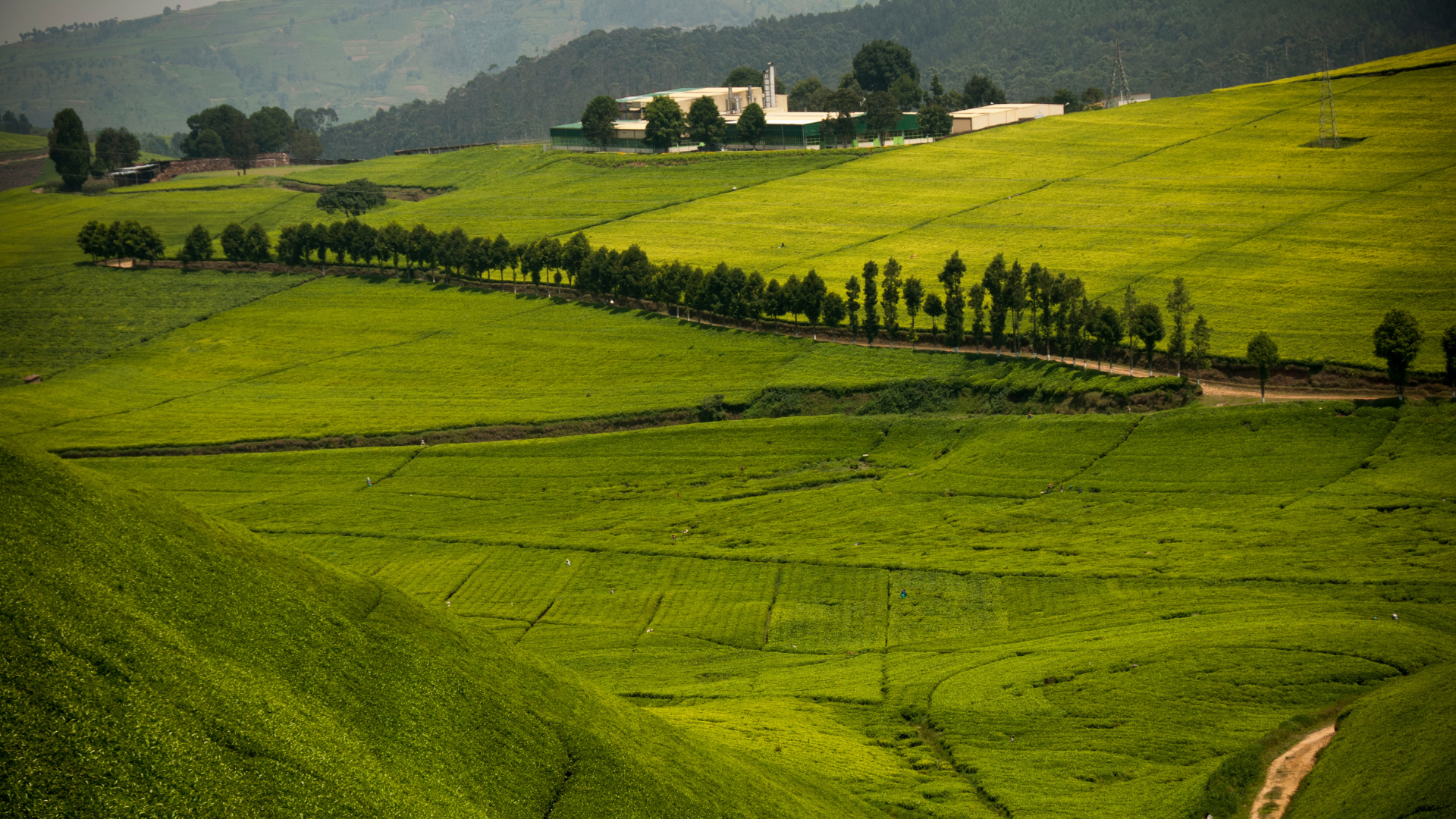
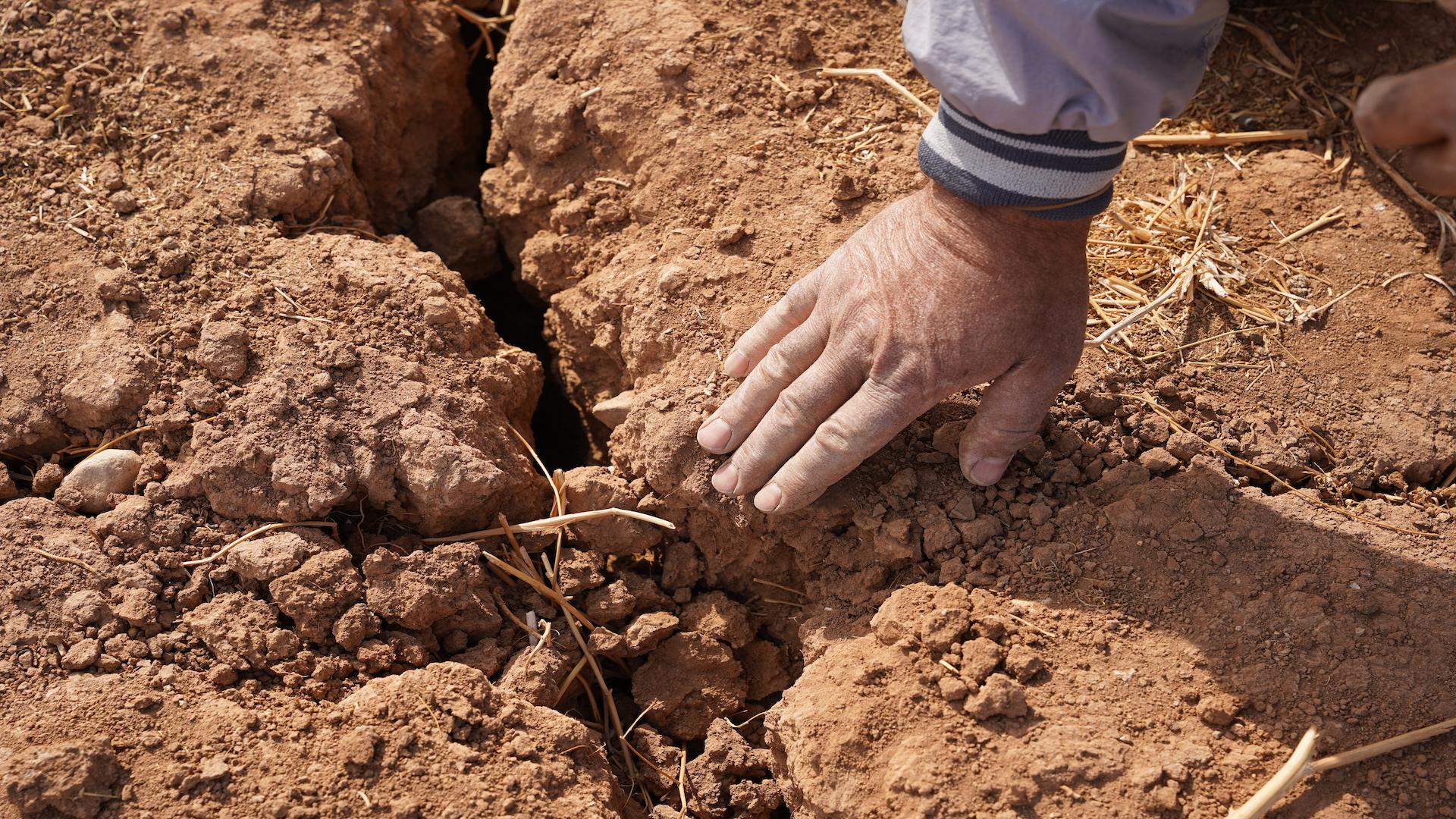
Erosion, dehydration, compaction, and other forms of soil degradation are jeopardizing food supplies for broad swaths of the world's population, according to a study recently published at Nature Food by researchers at the University of Bonn, the University of Minnesota / Project Drawdown, the University of Basel, and Hamburg University of Technology. If human-made soil degradation were reversed by 10%, Earth’s arable land could feed an extra 70 million or so people.
“Reversing yield loss from land degradation contributes to a virtuous cycle,” says coauthor and Project Drawdown Senior Scientist James Gerber, Ph.D., who developed spatial yield models for the study. “Improving soil quality often leads to increased carbon in the soils, and the resulting increase in yields can reduce pressures on natural land, helping to avoid emissions from deforestation.”
Many current farming practices are damaging soil quality. This problem is being exacerbated by human-made crises such as climate change, with storms and heavy rainfall causing fertile topsoil to be blown or washed away. In addition, groundwater levels are falling, not least because precipitation often comes in such heavy concentrations that it simply runs off instead of seeping into the ground.
Degraded soil is known to be less fertile. However, until now the severity of this effect and its impact on crop yields have been unclear.
“Now, for the first time, we’ve attempted to quantify the consequences of degradation for all the arable land around the world,” says coauthor Hadi Hadi, Ph.D., of the University of Bonn.
The researchers started by asking how high yields could be without any degradation. To find an answer, they first divided all arable land into squares 10 kilometers (6 miles) long and wide, then compared yields across squares with similar climates. Adjusting their figures to account for differences in the use of fertilizer, irrigation, and other cultivation factors enabled the researchers to identify areas with particularly high yields. Many of these were also those that had sustained hardly any soil damage.
“These areas give us a benchmark for what’s possible in soils that haven't been degraded,” explains coauthor David Wuepper, Ph.D., of the University of Bonn.
For each 10 × 10 km parcel, the researchers calculated a specific “yield gap” and correlated it with five parameters connected with soil degradation: erosion, dehydration, compaction by heavy agricultural machinery, loss of carbon dioxide in the soil, and minimal vegetation cover.
With the aid of complex AI-powered evaluation methods, the researchers were able to use the yield gap they had identified to calculate the degree of soil degradation in each parcel. This then allowed them to estimate that a 10% reduction in degradation would make it possible to feed more than 70 million more people.
“Overall, the findings show how important soil quality is to the supply of agricultural produce,” says Wuepper.
Grounds for hope in this regard have been furnished by another recent study by his working group, in which researchers were able to demonstrate that soil degradation can be slowed or reversed through regulations and payments at the national level.
“Reducing land degradation can be a win-win, and this study helps to quantify just how much of a win, both for food security and climate mitigation,” Gerber says.
Adapted with permission from a University of Bonn press release.
About Project Drawdown
Project Drawdown is the world’s leading resource for climate solutions. By advancing science-based climate solutions, fostering bold climate leadership, and promoting new narratives and voices, the 501(c)(3) nonprofit, nonpartisan organization is helping the world stop climate change as quickly, safely, and equitably as possible. Learn more at drawdown.org.
Press Contacts
To request a media interview with one of our experts or scientific researchers, please contact press@drawdown.org.