Restore Grasslands & Savannas

Image
Image
Peatland
Coming Soon
On
Description for Social and Search
The Restore Grasslands & Savannas solution is coming soon.
Dashboard
Action Word
Restore
Solution Title
Grasslands & Savannas
Classification
Highly Recommended
Updated Date

Restore Forests

Image
Image
Boreal forest
Coming Soon
On
Summary

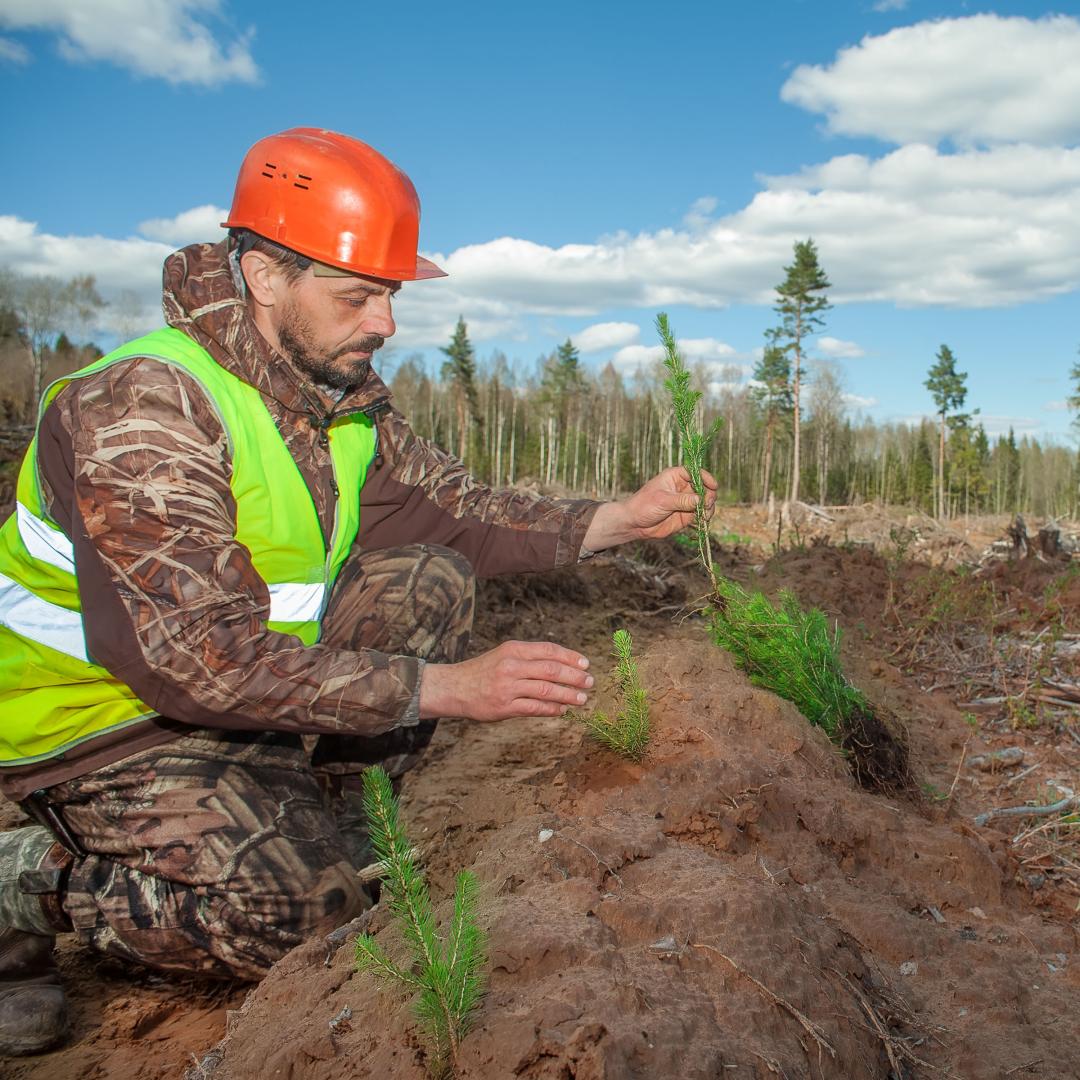
Forest restoration is the process of returning previously forested land to a forested state. As forests regrow, they remove carbon from the atmosphere and sequester it in biomass.

Description for Social and Search
Restore Forests is a Highly Recommended climate solution. Diverse, healthy forests sequester carbon as biomass.
Overview

We define forest restoration as planting new trees or allowing trees to naturally regrow on previously forested land that has been cleared. Through photosynthesis, forests take carbon from the atmosphere and store it in biomass. On net, forests currently take up an estimated 11.4–14.7 Gt CO₂‑eq/yr  (Friedlingstein et al., 2023; Gibbs et al., 2025; Pan et al., 2024), equal to approximately 19–25% of total global anthropogenic GHG emissions (Dhakal et al., 2022). Restoring forests increases the size of the forest carbon sink, sequestering additional CO₂.  

As commonly defined, restoration ranges from improving management of existing ecosystems, to re-establishing cleared ecosystems, to maintaining the health of functional ecosystems. Forest restoration includes activities such as exclusion of non-native grazing animals from a regenerating site, weed management, assisted seed dispersal, controlled burning, stand thinning, direct seeding, soil amendment, tree planting, and modification of topography or hydrology and other activities (Chazdon et al., 2024; Gann et al., 2022; Kübler & Günter 2024). While acknowledging that all restoration occurs along a spectrum of intervention intensity, we report effectiveness, cost, and adoption data for “low intensity” and “high intensity” restoration separately, with “low intensity” restoration including all interventions up to, but not including, tree planting, and “high intensity” restoration referring to direct seeding or seedling planting. To account for variability in carbon sequestration rates and area available for forest restoration, this analysis also evaluates forest restoration in boreal, temperate, subtropical, and tropical regions separately where possible.

Our definition of forest restoration is more limited than that used by many other sources. First, we only include reforestation of previously forested land with an element of direct human intervention, and therefore exclude entirely passive tree regrowth on abandoned land (i.e., unassisted natural regeneration) and afforestation of native grasslands and savannas. To avoid double counting, we also do not include activities covered in other Project Drawdown solutions, including increasing carbon stocks in existing forests and establishing timber plantations, agroforestry, or silvopasture (see Improve Forest ManagementDeploy Biomass Crops on Degraded LandDeploy Agroforestry, and Deploy Silvopasture, respectively). Restoration of mangroves and forests on peat soils is also excluded, as this is covered in the Restore Coastal Wetlands and Restore Peatlands solutions. Because the scope of this solution is narrower than that of many other studies, the estimated impacts are correspondingly lower as well. 

Intact and regenerating forests take up carbon, but human clearing of forests for logging, agriculture, and other activities emits carbon. Humans clear an estimated 15.5 Mha of forests annually, emitting ~7.4 Gt CO₂‑eq/yr (2001–2024; Harris et al., 2021; Gibbs et al., 2025; Sims et al., 2025). Protecting existing forests reduces emissions from deforestation (see Protect Forests) and is an essential complement to forest restoration. 

Adams, C., Rodrigues, S. T., Calmon, M., & Kumar, C. (2016). Impacts of large-scale forest restoration on socioeconomic status and local livelihoods: What we know and do not know. Biotropica48(6), 731–744. https://doi.org/10.1111/btp.12385

Ager, A. A., Vogler, K. C., Day, M. A., & Bailey, J. D. (2017). Economic opportunities and trade-offs in collaborative forest landscape restoration. Ecological Economics136, 226–239. https://doi.org/10.1016/j.ecolecon.2017.01.001

Andres, S. E., Standish, R. J., Lieurance, P. E., Mills, C. H., Harper, R. J., Butler, D. W., Adams, V. M., Lehmann, C., Tetu, S. G., Cuneo, P., Offord, C. A., & Gallagher, R. V. (2023). Defining biodiverse reforestation: Why it matters for climate change mitigation and biodiversity. Plants, People, Planet5(1), 27–38. https://doi.org/10.1002/ppp3.10329

Austin, K. G., Baker, J. S., Sohngen, B. L., Wade, C. M., Daigneault, A., Ohrel, S. B., Ragnauth, S., & Bean, A. (2020). The economic costs of planting, preserving, and managing the world’s forests to mitigate climate change. Nature Communications11(1), Article 5946. https://doi.org/10.1038/s41467-020-19578-z

Bastin, J.-F., Finegold, Y., Garcia, C., Mollicone, D., Rezende, M., Routh, D., Zohner, C. M., & Crowther, T. W. (2019). The global tree restoration potential. Science365(6448), 76–79. https://doi.org/10.1126/science.aax0848

Begliomini, F. N., & Brancalion, P. H. S. (2024). Are state-of-the-art LULC maps able to track ecological restoration efforts in Brazilian Atlantic forest? IGARSS 2024 - 2024 IEEE International Geoscience and Remote Sensing Symposium, 4748–4752. https://doi.org/10.1109/IGARSS53475.2024.10641177

Beltrão, M. G., Gonçalves, C. F., Brancalion, P. H. S., Carmignotto, A. P., Silveira, L. F., Galetti, P. M., & Galetti, M. (2024). Priority areas and implementation of ecological corridor through forest restoration to safeguard biodiversity. Scientific Reports14(1), Article 30837. https://doi.org/10.1038/s41598-024-81483-y

Bernal, B., Murray, L. T., & Pearson, T. R. H. (2018). Global carbon dioxide removal rates from forest landscape restoration activities. Carbon Balance and Management13(1), Article 22. https://doi.org/10.1186/s13021-018-0110-8

Betts, R. A. (2000). Offset of the potential carbon sink from boreal forestation by decreases in surface albedo. Nature408(6809), 187–190. https://doi.org/10.1038/35041545

Bialic-Murphy, L., McElderry, R. M., Esquivel-Muelbert, A., van den Hoogen, J., Zuidema, P. A., Phillips, O. L., de Oliveira, E. A., Loayza, P. A., Alvarez-Davila, E., Alves, L. F., Maia, V. A., Vieira, S. A., Arantes da Silva, L. C., Araujo-Murakami, A., Arets, E., Astigarraga, J., Baccaro, F., Baker, T., Banki, O., … Crowther, T. W. (2024). The pace of life for forest trees. Science386(6717), 92–98. https://doi.org/10.1126/science.adk9616

Bliege Bird, R., & Nimmo, D. (2018). Restore the lost ecological functions of people. Nature Ecology & Evolution2(7), 1050–1052. https://doi.org/10.1038/s41559-018-0576-5

Brancalion, P. H. S., de Siqueira, L. P., Amazonas, N. T., Rizek, M. B., Mendes, A. F., Santiami, E. L., Rodrigues, R. R., Calmon, M., Benini, R., Tymus, J. R. C., Holl, K. D., & Chaves, R. B. (2022). Ecosystem restoration job creation potential in Brazil. People and Nature4(6), 1426–1434. https://doi.org/10.1002/pan3.10370

Brancalion, P. H. S., Hua, F., Joyce, F. H., Antonelli, A., & Holl, K. D. (2025). Moving biodiversity from an afterthought to a key outcome of forest restoration. Nature Reviews Biodiversity1(4), 248–261. https://doi.org/10.1038/s44358-025-00032-1

Brumberg, H., Margaret Hegwood, Eichhorst, W., LoPresti, A., Erbaugh, J. T., & Kroeger, T. (2025). Global analysis of constraints to natural climate solution implementation. PNAS Nexus4(6), Article pgaf173. https://doi.org/10.1093/pnasnexus/pgaf173

Bukoski, J. J., Cook-Patton, S. C., Melikov, C., Ban, H., Chen, J. L., Goldman, E. D., Harris, N. L., & Potts, M. D. (2022). Rates and drivers of aboveground carbon accumulation in global monoculture plantation forests. Nature Communications13(1), Article 4206. https://doi.org/10.1038/s41467-022-31380-7

Busch, J., Bukoski, J. J., Cook-Patton, S. C., Griscom, B., Kaczan, D., Potts, M. D., Yi, Y., & Vincent, J. R. (2024). Cost-effectiveness of natural forest regeneration and plantations for climate mitigation. Nature Climate Change14(9), 996–1002. https://doi.org/10.1038/s41558-024-02068-1

Chaplin-Kramer, R., Ramler, I., Sharp, R., Haddad, N. M., Gerber, J. S., West, P. C., Mandle, L., Engstrom, P., Baccini, A., Sim, S., Mueller, C., & King, H. (2015). Degradation in carbon stocks near tropical forest edges. Nature Communications6(1), Article 10158. https://doi.org/10.1038/ncomms10158

Chazdon, R. L., Falk, D. A., Banin, L. F., Wagner, M., J. Wilson, S., Grabowski, R. C., & Suding, K. N. (2024). The intervention continuum in restoration ecology: Rethinking the active–passive dichotomy. Restoration Ecology32(8), Article e13535. https://doi.org/10.1111/rec.13535

Chazdon, R. L., & Guariguata, M. R. (2016). Natural regeneration as a tool for large-scale forest restoration in the tropics: Prospects and challenges. Biotropica48(6), 716–730. https://doi.org/10.1111/btp.12381

Chazdon, R. L., Wilson, S. J., Brondizio, E., Guariguata, M. R., & Herbohn, J. (2021). Key challenges for governing forest and landscape restoration across different contexts. Land Use Policy104, Article 104854. https://doi.org/10.1016/j.landusepol.2020.104854

Cook-Patton, S. C., Leavitt, S. M., Gibbs, D., Harris, N. L., Lister, K., Anderson-Teixeira, K. J., Briggs, R. D., Chazdon, R. L., Crowther, T. W., Ellis, P. W., Griscom, H. P., Herrmann, V., Holl, K. D., Houghton, R. A., Larrosa, C., Lomax, G., Lucas, R., Madsen, P., Malhi, Y., … Griscom, B. W. (2020). Mapping carbon accumulation potential from global natural forest regrowth. Nature585(7826), 545–550. https://doi.org/10.1038/s41586-020-2686-x

Crouzeilles, R., Barros, F. S. M., Molin, P. G., Ferreira, M. S., Junqueira, A. B., Chazdon, R. L., Lindenmayer, D. B., Tymus, J. R. C., Strassburg, B. B. N., & Brancalion, P. H. S. (2019). A new approach to map landscape variation in forest restoration success in tropical and temperate forest biomes. Journal of Applied Ecology56(12), 2675–2686. https://doi.org/10.1111/1365-2664.13501

Crouzeilles, R., Curran, M., Ferreira, M. S., Lindenmayer, D. B., Grelle, C. E. V., & Rey Benayas, J. M. (2016). A global meta-analysis on the ecological drivers of forest restoration success. Nature Communications7(1), Article 11666. https://doi.org/10.1038/ncomms11666

Curtis, P. G., Slay, C. M., Harris, N. L., Tyukavina, A., & Hansen, M. C. (2018). Classifying drivers of global forest loss. Science361(6407), 1108–1111. https://doi.org/10.1126/science.aau3445

Dhakal, S., J.C. Minx, F.L. Toth, A. Abdel-Aziz, M.J. Figueroa Meza, K. Hubacek, I.G.C. Jonckheere, Yong-Gun Kim, G.F. Nemet, S. Pachauri, X.C. Tan, T. Wiedmann, 2022: Emissions Trends and Drivers. In IPCC, 2022: Climate Change 2022: Mitigation of Climate Change. Contribution of Working Group III to the Sixth Assessment Report of the Intergovernmental Panel on Climate Change [P.R. Shukla, J. Skea, R. Slade, A. Al Khourdajie, R. van Diemen, D. McCollum, M. Pathak, S. Some, P. Vyas, R. Fradera, M. Belkacemi, A. Hasija, G. Lisboa, S. Luz, J. Malley, (eds.)]. Cambridge University Press, Cambridge, UK and New York, NY, USA. Link to source: https://doi.org/10.1017/9781009157926.004

De Groot, R. S., Blignaut, J., Van Der Ploeg, S., Aronson, J., Elmqvist, T., & Farley, J. (2013). Benefits of investing in ecosystem restoration. Conservation Biology27(6), 1286–1293. https://doi.org/10.1111/cobi.12158

de Souza, S. E. X. F., Vidal, E., Chagas, G. de F., Elgar, A. T., & Brancalion, P. H. S. (2016). Ecological outcomes and livelihood benefits of community-managed agroforests and second growth forests in Southeast Brazil. Biotropica48(6), 868–881. https://doi.org/10.1111/btp.12388

Di Sacco, A., Hardwick, K. A., Blakesley, D., Brancalion, P. H. S., Breman, E., Cecilio Rebola, L., Chomba, S., Dixon, K., Elliott, S., Ruyonga, G., Shaw, K., Smith, P., Smith, R. J., & Antonelli, A. (2021). Ten golden rules for reforestation to optimize carbon sequestration, biodiversity recovery and livelihood benefits. Global Change Biology27(7), 1328–1348. https://doi.org/10.1111/gcb.15498

Dib, V., Brancalion, P. H. S., Chan Chou, S., Cooper, M., Ellison, D., Farjalla, V. F., Filoso, S., Meli, P., Pires, A. P. F., Rodriguez, D. A., Iribarrem, A., Latawiec, A. E., Scarano, F. R., Vogl, A. L., de Viveiros Grelle, C. E., & Strassburg, B. (2023). Shedding light on the complex relationship between forest restoration and water services. Restoration Ecology31(5), Article e13890. https://doi.org/10.1111/rec.13890

dos Reis Oliveira, P. C., Gualda, G. A. F., Rossi, G. F., Camargo, A. F. M., Filoso, S., Brancalion, P. H., & Ferraz, S. F. de B. (2025). Forest restoration improves habitat and water quality in tropical streams: A multiscale landscape assessment. Science of The Total Environment963, Article 178256. https://doi.org/10.1016/j.scitotenv.2024.178256

Fargione, J., Haase, D. L., Burney, O. T., Kildisheva, O. A., Edge, G., Cook-Patton, S. C., Chapman, T., Rempel, A., Hurteau, M. D., Davis, K. T., Dobrowski, S., Enebak, S., De La Torre, R., Bhuta, A. A. R., Cubbage, F., Kittler, B., Zhang, D., & Guldin, R. W. (2021). Challenges to the reforestation pipeline in the United States. Frontiers in Forests and Global Change4, Article 629198. https://doi.org/10.3389/ffgc.2021.629198

Fesenmyer, K. A., Poor, E. E., Terasaki Hart, D. E., Veldman, J. W., Fleischman, F., Choksi, P., Archibald, S., Armani, M., Fagan, M. E., Fricke, E. C., Terrer, C., Hasler, N., Williams, C. A., Ellis, P. W., & Cook-Patton, S. C. (2025). Addressing critiques refines global estimates of reforestation potential for climate change mitigation. Nature Communications16(1), Article 4572. https://doi.org/10.1038/s41467-025-59799-8

Fletcher, M.-S., Hamilton, R., Dressler, W., & Palmer, L. (2021). Indigenous knowledge and the shackles of wilderness. Proceedings of the National Academy of Sciences118(40), Article e2022218118. https://doi.org/10.1073/pnas.2022218118

Friedlingstein, P., O’Sullivan, M., Jones, M. W., Andrew, R. M., Bakker, D. C. E., Hauck, J., Landschützer, P., Le Quéré, C., Luijkx, I. T., Peters, G. P., Peters, W., Pongratz, J., Schwingshackl, C., Sitch, S., Canadell, J. G., Ciais, P., Jackson, R. B., Alin, S. R., Anthoni, P., … Zheng, B. (2023). Global carbon budget 2023. Earth System Science Data15(12), 5301–5369. https://doi.org/10.5194/essd-15-5301-2023

Gann, G. D., Walder, B., Gladstone, J., Manirajah, S. M., & Roe, S. (2022). Restoration project information sharing framework. Climate Focus and The Society for Ecological Restoration. https://globalrestorationobservatory.com/restoration-project-information-sharing-framework/

Gardon, F. R., Toledo, R. M. de, Brentan, B. M., & Santos, R. F. dos. (2020). Rainfall interception and plant community in young forest restorations. Ecological Indicators109, Article 105779. https://doi.org/10.1016/j.ecolind.2019.105779

Garnett, S. T., Burgess, N. D., Fa, J. E., Fernández-Llamazares, Á., Molnár, Z., Robinson, C. J., Watson, J. E. M., Zander, K. K., Austin, B., Brondizio, E. S., Collier, N. F., Duncan, T., Ellis, E., Geyle, H., Jackson, M. V., Jonas, H., Malmer, P., McGowan, B., Sivongxay, A., & Leiper, I. (2018). A spatial overview of the global importance of Indigenous lands for conservation. Nature Sustainability1(7), 369–374. https://doi.org/10.1038/s41893-018-0100-6

Gibbs, D. A., Rose, M., Grassi, G., Melo, J., Rossi, S., Heinrich, V., & Harris, N. L. (2024). Revised and updated geospatial monitoring of twenty-first century forest carbon fluxes. Earth System Science Data Discussions17(3), 1217-1243. https://doi.org/10.5194/essd-2024-397

Griscom, B. W., Adams, J., Ellis, P. W., Houghton, R. A., Lomax, G., Miteva, D. A., Schlesinger, W. H., Shoch, D., Siikamäki, J. V., Smith, P., Woodbury, P., Zganjar, C., Blackman, A., Campari, J., Conant, R. T., Delgado, C., Elias, P., Gopalakrishna, T., Hamsik, M. R., … Fargione, J. (2017). Natural climate solutions. Proceedings of the National Academy of Sciences114(44), 11645–11650. https://doi.org/10.1073/pnas.1710465114

Hansen, M. C., Potapov, P. V., Moore, R., Hancher, M., Turubanova, S. A., Tyukavina, A., Thau, D., Stehman, S. V., Goetz, S. J., Loveland, T. R., Kommareddy, A., Egorov, A., Chini, L., Justice, C. O., & Townshend, J. R. G. (2013). High-resolution global maps of 21st-century forest cover change. Science342(6160), 850–853. https://doi.org/10.1126/science.1244693

Harris, N. L., Gibbs, D. A., Baccini, A., Birdsey, R. A., de Bruin, S., Farina, M., Fatoyinbo, L., Hansen, M. C., Herold, M., Houghton, R. A., Potapov, P. V., Suarez, D. R., Roman-Cuesta, R. M., Saatchi, S. S., Slay, C. M., Turubanova, S. A., & Tyukavina, A. (2021). Global maps of twenty-first century forest carbon fluxes. Nature Climate Change11(3), 234–240. https://doi.org/10.1038/s41558-020-00976-6

Hasler, N., Williams, C. A., Denney, V. C., Ellis, P. W., Shrestha, S., Terasaki Hart, D. E., Wolff, N. H., Yeo, S., Crowther, T. W., Werden, L. K., & Cook-Patton, S. C. (2024). Accounting for albedo change to identify climate-positive tree cover restoration. Nature Communications15(1), Article 2275. https://doi.org/10.1038/s41467-024-46577-1

Herrera, D., Ellis, A., Fisher, B., Golden, C. D., Johnson, K., Mulligan, M., Pfaff, A., Treuer, T., & Ricketts, T. H. (2017). Upstream watershed condition predicts rural children’s health across 35 developing countries. Nature Communications8(1), Article 811. https://doi.org/10.1038/s41467-017-00775-2

Hua, F., Bruijnzeel, L. A., Meli, P., Martin, P. A., Zhang, J., Nakagawa, S., Miao, X., Wang, W., McEvoy, C., Peña-Arancibia, J. L., Brancalion, P. H. S., Smith, P., Edwards, D. P., & Balmford, A. (2022). The biodiversity and ecosystem service contributions and trade-offs of forest restoration approaches. Science376(6595), 839–844. https://doi.org/10.1126/science.abl4649

Kabeja, C., Li, R., Guo, J., Rwatangabo, D. E. R., Manyifika, M., Gao, Z., Wang, Y., & Zhang, Y. (2020). The impact of reforestation induced land cover change (1990–2017) on flood peak discharge using HEC-HMS hydrological model and satellite observations: A study in two mountain basins, China. Water12(5), Article 1347. https://doi.org/10.3390/w12051347

Keesing, F., & Ostfeld, R. S. (2021). Impacts of biodiversity and biodiversity loss on zoonotic diseases. Proceedings of the National Academy of Sciences118(17), Article e2023540118. https://doi.org/10.1073/pnas.2023540118

Kroeger, T., Erbaugh, J., Luo, Z., Brumberg, H., Eichhorst, W., Hegwood, M., LoPresti, A., Shyamsundar, P., Ellis, P., Oakes, L., Martin, D., Brancalion, P., Bourne, M., Jagadish, A., Austin, K., Kinzer, A., Sanjuán, M., McCullough, L., & Echavarria, M. (2025). Implementation constraints on natural climate solutions: A global literature review and survey. Research Square. https://doi.org/10.21203/rs.3.rs-6890465/v1

Kübler, D., & Günter, S. (2024). Forest restoration for climate change mitigation and adaptation. In P. Katila, C. J. Pierce Colfer, W. de Jong, G. Galloway, P. Pacheco, & G. Winkel (Eds.), Restoring Forests and Trees for Sustainable Development: Policies, Practices, Impacts, and Ways Forward (p. 135-159). Oxford University Press. https://doi.org/10.1093/9780197683958.003.0006

Kumar, C., Calmon, M., & Saint-Laurent, C. (Eds.) (with Begeladze, S.). (2015). Enhancing food security through forest landscape restoration: Lessons from Burkina Faso, Brazil, Guatemala, Viet Nam, Ghana, Ethiopia and Philippines. IUCN International Union for Conservation of Nature. https://doi.org/10.2305/IUCN.CH.2015.FR.2.en

Lawrence, D., Coe, M., Walker, W., Verchot, L., & Vandecar, K. (2022). The unseen effects of deforestation: Biophysical effects on climate. Frontiers in Forests and Global Change5, Article 756115. https://doi.org/10.3389/ffgc.2022.756115

Löfqvist, S., Kleinschroth, F., Bey, A., de Bremond, A., DeFries, R., Dong, J., Fleischman, F., Lele, S., Martin, D. A., Messerli, P., Meyfroidt, P., Pfeifer, M., Rakotonarivo, S. O., Ramankutty, N., Ramprasad, V., Rana, P., Rhemtulla, J. M., Ryan, C. M., Vieira, I. C. G., … Garrett, R. D. (2023). How social considerations improve the equity and effectiveness of ecosystem restoration. BioScience73(2), 134–148. https://doi.org/10.1093/biosci/biac099

Mariappan, M., & Zumbado, A. R. (2024). Global Restoration Commitments and Pledges: 2024 Report. International Union for the Conservation of Nature.

Melo, F. P. L., Parry, L., Brancalion, P. H. S., Pinto, S. R. R., Freitas, J., Manhães, A. P., Meli, P., Ganade, G., & Chazdon, R. L. (2021). Adding forests to the water–energy–food nexus. Nature Sustainability4(2), 85–92. https://doi.org/10.1038/s41893-020-00608-z

Nabuurs, G.-J., Mrabet, R., Hatab, A. A., Bustamante, M., Clark, H., Havlík, P., House, J. I., Mbow, C., Ninan, K. N., Popp, A., Roe, S., Sohngen, B., & Towprayoon, S. (2022). Agriculture, forestry and other land uses (AFOLU). In P. R. Shukla, J. Skea, R. Slade, A. Al Khourdajie, R. van Diemen, D. McCollum, M. Pathak, S. Some, P. Vyas, R. Fradera, M. Belkacemi, A. Hasija, G. Lisboa, S. Luz, & J. Malley (Eds.), Climate change 2022: Mitigation of climate change. Contribution of working group III to the sixth assessment report of the intergovernmental panel on climate change (pp. 747–860). Cambridge University Press. Link to source: https://doi.org/10.1017/9781009157926.009 

Naidoo, R., Gerkey, D., Hole, D., Pfaff, A., Ellis, A. M., Golden, C. D., Herrera, D., Johnson, K., Mulligan, M., Ricketts, T. H., & Fisher, B. (2019). Evaluating the impacts of protected areas on human well-being across the developing world. Science Advances5(4), Article eaav3006. https://doi.org/10.1126/sciadv.aav3006

North, M. P., Stevens, J. T., Greene, D. F., Coppoletta, M., Knapp, E. E., Latimer, A. M., Restaino, C. M., Tompkins, R. E., Welch, K. R., York, R. A., Young, D. J. N., Axelson, J. N., Buckley, T. N., Estes, B. L., Hager, R. N., Long, J. W., Meyer, M. D., Ostoja, S. M., Safford, H. D., … Wyrsch, P. (2019). Tamm review: Reforestation for resilience in dry western U.S. forests. Forest Ecology and Management432, 209–224. https://doi.org/10.1016/j.foreco.2018.09.007

Pan, Y., Birdsey, R. A., Phillips, O. L., Houghton, R. A., Fang, J., Kauppi, P. E., Keith, H., Kurz, W. A., Ito, A., Lewis, S. L., Nabuurs, G.-J., Shvidenko, A., Hashimoto, S., Lerink, B., Schepaschenko, D., Castanho, A., & Murdiyarso, D. (2024). The enduring world forest carbon sink. Nature631(8021), 563–569. https://doi.org/10.1038/s41586-024-07602-x

Piffer, P. R., Rosa, M. R., Tambosi, L. R., Metzger, J. P., & Uriarte, M. (2022). Turnover rates of regenerated forests challenge restoration efforts in the Brazilian Atlantic forest. Environmental Research Letters17(4), Article 045009. https://doi.org/10.1088/1748-9326/ac5ae1

Poorter, L., van der Sande, M. T., Thompson, J., Arets, E. J. M. M., Alarcón, A., Álvarez-Sánchez, J., Ascarrunz, N., Balvanera, P., Barajas-Guzmán, G., Boit, A., Bongers, F., Carvalho, F. A., Casanoves, F., Cornejo-Tenorio, G., Costa, F. R. C., de Castilho, C. V., Duivenvoorden, J. F., Dutrieux, L. P., Enquist, B. J., … Peña-Claros, M. (2015). Diversity enhances carbon storage in tropical forests. Global Ecology and Biogeography24(11), 1314–1328. https://doi.org/10.1111/geb.12364

Reddington, C. L., Butt, E. W., Ridley, D. A., Artaxo, P., Morgan, W. T., Coe, H., & Spracklen, D. V. (2015). Air quality and human health improvements from reductions in deforestation-related fire in Brazil. Nature Geoscience8(10), 768–771. https://doi.org/10.1038/ngeo2535

Reddington, C. L., Smith, C., Butt, E. W., Baker, J. C. A., Oliveira, B. F. A., Yamba, E. I., & Spracklen, D. V. (2025). Tropical deforestation is associated with considerable heat-related mortality. Nature Climate Change15(9), 992–999. https://doi.org/10.1038/s41558-025-02411-0

Reytar, K., Ferreira-Ferreira, J., Alves, L., Oliveira Cordeiro, C. L. de, & Calmon, M. (2024, December 19). What can tree cover gain data tell us about restoration? Brazil case studies. Global Forest Watch. https://www.globalforestwatch.org/blog/forest-insights/tree-cover-gain-restoration-brazil

Robinson, N., Drever, C. R., Gibbs, D. A., Lister, K., Esquivel-Muelbert, A., Heinrich, V., Ciais, P., Silva-Junior, C. H. L., Liu, Z., Pugh, T. A. M., Saatchi, S., Xu, Y., & Cook-Patton, S. C. (2025). Protect young secondary forests for optimum carbon removal. Nature Climate Change15, 793–800. https://doi.org/10.1038/s41558-025-02355-5

Roe, S., Streck, C., Beach, R., Busch, J., Chapman, M., Daioglou, V., Deppermann, A., Doelman, J., Emmet-Booth, J., Engelmann, J., Fricko, O., Frischmann, C., Funk, J., Grassi, G., Griscom, B., Havlik, P., Hanssen, S., Humpenöder, F., Landholm, D., … Lawrence, D. (2021). Land-based measures to mitigate climate change: Potential and feasibility by country. Global Change Biology27(23), 6025–6058. https://doi.org/10.1111/gcb.15873

Sankey, T., Belmonte, A., Massey, R., & Leonard, J. (2021). Regional-scale forest restoration effects on ecosystem resiliency to drought: A synthesis of vegetation and moisture trends on Google Earth Engine. Remote Sensing in Ecology and Conservation7(2), 259–274. https://doi.org/10.1002/rse2.186

Schimetka, L. R., Ruggiero, P. G. C., Carvalho, R. L., Behagel, J., Metzger, J. P., Nascimento, N., Chaves, R. B., Brancalion, P. H. S., Rodrigues, R. R., & Krainovic, P. M. (2024). Costs and benefits of restoration are still poorly quantified: Evidence from a systematic literature review on the Brazilian Atlantic Forest. Restoration Ecology32(5), Article e14161. https://doi.org/10.1111/rec.14161

Seymour, F., Wolosin, M., & Gray, E. (2022, October 23). Policies underestimate forests’ full effect on the climate. World Resources Institute. https://www.wri.org/insights/how-forests-affect-climate

Sims, M. J., Stanimirova, R., Raichuk, A., Neumann, M., Richter, J., Follett, F., MacCarthy, J., Lister, K., Randle, C., Sloat, L., Esipova, E., Jupiter, J., Stanton, C., Morris, D., Melhart Slay, C., Purves, D., & Harris, N. (2025). Global drivers of forest loss at 1 km resolution. Environmental Research Letters20(7), Article 074027. https://doi.org/10.1088/1748-9326/add606

Stanturf, J. A., Kleine, M., Mansourian, S., Parrotta, J., Madsen, P., Kant, P., Burns, J., & Bolte, A. (2019). Implementing forest landscape restoration under the Bonn Challenge: A systematic approach. Annals of Forest Science76(2), 1–21. https://doi.org/10.1007/s13595-019-0833-z

Teo, H. C., Raghavan, S. V., He, X., Zeng, Z., Cheng, Y., Luo, X., Lechner, A. M., Ashfold, M. J., Lamba, A., Sreekar, R., Zheng, Q., Chen, A., & Koh, L. P. (2022). Large-scale reforestation can increase water yield and reduce drought risk for water-insecure regions in the Asia-Pacific. Global Change Biology28(21), 6385–6403. https://doi.org/10.1111/gcb.16404

van der Sande, M. T., Poorter, L., Kooistra, L., Balvanera, P., Thonicke, K., Thompson, J., Arets, E. J. M. M., Garcia Alaniz, N., Jones, L., Mora, F., Mwampamba, T. H., Parr, T., & Peña-Claros, M. (2017). Biodiversity in species, traits, and structure determines carbon stocks and uptake in tropical forests. Biotropica49(5), 593–603. https://doi.org/10.1111/btp.12453

Veldman, J. W., Overbeck, G. E., Negreiros, D., Mahy, G., Le Stradic, S., Fernandes, G. W., Durigan, G., Buisson, E., Putz, F. E., & Bond, W. J. (2015a). Tyranny of trees in grassy biomes. Science347(6221), 484–485. https://doi.org/10.1126/science.347.6221.484-c

Veldman, J. W., Overbeck, G. E., Negreiros, D., Mahy, G., Le Stradic, S., Fernandes, G. W., Durigan, G., Buisson, E., Putz, F. E., & Bond, W. J. (2015b). Where Tree Planting and Forest Expansion are Bad for Biodiversity and Ecosystem Services. BioScience65(10), 1011–1018. https://doi.org/10.1093/biosci/biv118

Verhoeven, D., Berkhout, E., Sewell, A., & van der Esch, S. (2024). The global cost of international commitments on land restoration. Land Degradation & Development35(16), 4864–4874. https://doi.org/10.1002/ldr.5263

Walker, W. S., Gorelik, S. R., Cook-Patton, S. C., Baccini, A., Farina, M. K., Solvik, K. K., Ellis, P. W., Sanderman, J., Houghton, R. A., Leavitt, S. M., Schwalm, C. R., & Griscom, B. W. (2022). The global potential for increased storage of carbon on land. Proceedings of the National Academy of Sciences119(23), Article e2111312119. https://doi.org/10.1073/pnas.2111312119

Wang, Y., Zhu, Y., Cook-Patton, S. C., Sun, W., Zhang, W., Ciais, P., Li, T., Smith, P., Yuan, W., Zhu, X., Canadell, J. G., Deng, X., Xu, Y., Xu, H., Yue, C., & Qin, Z. (2025). Land availability and policy commitments limit global climate mitigation from forestation. Science389(6763), 931–934. https://doi.org/10.1126/science.adj6841

Williams, B. A., Beyer, H. L., Fagan, M. E., Chazdon, R. L., Schmoeller, M., Sprenkle-Hyppolite, S., Griscom, B. W., Watson, J. E. M., Tedesco, A. M., Gonzalez-Roglich, M., Daldegan, G. A., Bodin, B., Celentano, D., Wilson, S. J., Rhodes, J. R., Alexandre, N. S., Kim, D.-H., Bastos, D., & Crouzeilles, R. (2024). Global potential for natural regeneration in deforested tropical regions. Nature636(8041), 131–137. https://doi.org/10.1038/s41586-024-08106-4

Zhang, Q., Barnes, M., Benson, M., Burakowski, E., Oishi, A. C., Ouimette, A., Sanders-DeMott, R., Stoy, P. C., Wenzel, M., Xiong, L., Yi, K., & Novick, K. A. (2020). Reforestation and surface cooling in temperate zones: Mechanisms and implications. Global Change Biology26(6), 3384–3401. https://doi.org/10.1111/gcb.15069
Credits

Lead Fellow

  • Avery Driscoll, Ph.D.

Contributors

  • Ruthie Burrows, Ph.D.

  • James Gerber, Ph.D.

  • Daniel Jasper

  • Alex Sweeney

Internal Reviewers

  • James Gerber, Ph.D.

  • Megan Matthews, Ph.D.

  • Paul C. West, Ph.D.

Effectiveness

We estimated that forest restoration can sequester 5.86–18.19 t CO₂‑eq /ha/yr (Table 1a–e), depending on the climate zone and type of intervention, as growing trees take up carbon through photosynthesis and store it in above- and below-ground biomass. Sequestration rates are highly variable globally; much of this variability is driven by climate, soil properties, forest type, and the type of restoration. 

For this solution, we used modeled carbon sequestration rates from natural regeneration to represent low-intensity restoration (Robinson et al., 2025) and modeled carbon sequestration rates from plantation forests to represent high-intensity carbon restoration, which we define as initiatives that include tree planting (Bukoski et al., 2022; Busch et al., 2024). We calculated carbon sequestration rates at the climate zone level (boreal, temperate, subtropical, and tropical) across the potential extent for each reforestation type.

Generally, high-intensity restoration has higher sequestration rates (median values 12.02–18.19 t CO₂‑eq /ha/yr) than low-intensity restoration (median values 5.86–17.06 t CO₂‑eq /ha/yr). Median effectiveness is also higher in tropical areas, where forest growth often continues year-round, than it is in other climate zones. These estimates reflect average sequestration rates over the first 30 years of forest growth. Carbon sequestration rates are also influenced by non-climatic factors. For example, higher tree species diversity is often associated with higher forest carbon storage and uptake (Bialic-Murphy et al., 2024; Poorter et al., 2015; van der Sande et al., 2017).

left_text_column_width

Table 1. Effectiveness of forest restoration at sequestering carbon.

Unit: t CO₂‑eq /ha/yr, 100-yr basis

Boreal 5.86
Temperate 11.49
Subtropical 11.53
Tropical 17.06

Unit: t CO₂‑eq /ha/yr, 100-yr basis

Boreal 14.57
Temperate 12.74
Subtropical 12.02
Tropical 18.19
Left Text Column Width
Cost

We estimated the median cost of low-intensity forest restoration at US$23/t CO₂‑eq (2023 US$) and the median cost of high-intensity forest restoration at US$83/t CO₂‑eq (Table 2). On a per-hectare basis, the estimated cost of low-intensity restoration ranges from US$213/ha (25th percentile) to US$739/ha (75th percentile), with a median cost of US$304/ha. The estimated cost of high-intensity restoration ranges from US$811/ha (25th percentile) to US$1,914/ha (75th percentile), with a median of US$1,348/ha. We derived these estimates from compilations of global restoration project cost data by Verhoeven et al. (2024) and Busch et al. (2024), supplemented with estimates from five additional publications, representing a total of 50 unique projects.

Estimates of restoration costs remain very uncertain, as data are scarce, costs and revenues are highly variable across geographies and projects, and costs are nonlinear, tending to increase under higher adoption scenarios (Austin et al., 2020; Schimetka et al., 2024). Moreover, the success of a project at establishing new forests drives the cost per metric ton of CO₂‑eq , but such success rates are rarely reported alongside costs. Because of data limitations, we did not separate cost estimates into climate zones. 

Our estimates do not account for any new revenues associated with forest restoration, such provisioning of timber and non-timber forest products (Adams et al. 2016; Ager et al., 2017; Busch et al., 2024). They also do not account for the economic value of ecosystem services, such as increased biodiversity, improved water quality, local cooling, and reduced soil erosion, which have been estimated to outweigh the costs of forest restoration (De Groot et al., 2013).

left_text_column_width

Table 2. Cost per unit of climate impact.

Unit: 2023 US$/t CO₂‑eq , 100-yr basis

Median 23

Unit: 2023 US$/t CO₂‑eq , 100-yr basis

Median 83
Left Text Column Width
Learning Curve

We define a learning curve as falling costs with increased adoption. Reforestation has been practiced for many decades, and there is no evidence of a decrease in costs associated with increasing adoption. Therefore, there is no learning curve for this solution.

left_text_column_width
Speed of Action

Speed of action refers to how quickly a climate solution physically affects the atmosphere after it is deployed. This is different from speed of deployment, which is the pace at which solutions are adopted.

At Project Drawdown, we define the speed of action for each climate solution as emergency brake, gradual, or delayed.

Restore Forests is a DELAYED climate solution. It works more slowly than gradual or emergency brake solutions. Delayed solutions can be robust climate solutions, but it’s important to recognize that they may not realize their full potential for some time.

left_text_column_width
Caveats

Barriers to effective forest restoration include challenges around governance, financing, technical capacity (including seed and seedling supply), labor availability, and site-specific knowledge for initial restoration and long-term management (Brumberg et al., 2024; Chazdon et al., 2016; Chazdon et al., 2021; Fargione et al., 2021; Kroeger et al., 2025). Additional research and monitoring are needed to identify locally relevant restoration strategies, reduce barriers, and evaluate the success of restoration projects (Crouzeilles et al., 2019).

Forest restoration also faces challenges around permanence and additionality. Carbon stored in vegetation and soils through forest restoration can be lost to climatic and environmental stressors like wildfire, drought, heat waves, pests, or disease. Young, regenerating forests can be particularly susceptible to these types of stressors. Restored forests are also at risk of clearing (e.g., Piffer et al., 2022), so forest restoration must be coupled with long-term, effective protections against clearing. Additionality refers to the degree to which carbon uptake associated with forest restoration would have occurred in the absence of a project, policy, or incentive. Evaluating additionality is challenging in the context of natural forest regeneration, some of which simply arises from land abandonment without any intervention.

left_text_column_width
Current Adoption

Data on current adoption of forest restoration are very limited. While there are extensive compilations of restoration pledges, estimates of the actual area being restored are noncentralized, typically rely on self-reporting without validation, do not have global coverage, use inconsistent definitions, often include establishment of plantations and agroforestry, and rarely separate estimates by ecosystem. Satellite-based data on tree cover gain are occasionally used as a proxy for restoration, but these do not differentiate among restoration, establishment of industrial plantations, regeneration in the absence of human intervention, and plantation regrowth after timber harvest (Reytar et al., 2024). Moreover, they can fail to capture actual restoration areas (Begliomini & Brancalion, 2024).

Due to these limitations, we do not provide an estimate of the global area currently under forest restoration. However, we did compile current restoration estimates from three databases: The Mongabay Reforestation CatalogThe Restoration Initiative, and The Restoration Barometer. These databases are subject to the limitations discussed above. Assuming that there is no overlap in projects reported across these databases, including projects with an agroforestry component, and including projects across all ecosystems, we found 40.6 Mha currently being restored. Under more conservative assumptions, including removing projects with an agroforestry component, removing projects from countries that are reported across multiple databases, and discounting estimates to account for restoration in other ecosystems, we estimated that 9.2 Mha are currently being restored. These estimates provide context, but should not be interpreted as representative of the global area under forest restoration.

left_text_column_width
Adoption Trend

Despite extensive data on restoration pledges, comprehensive data on the actual implementation of restoration efforts are very limited and not often temporally resolved. The available data are insufficient to calculate an adoption trend for this solution.

left_text_column_width
Adoption Ceiling

We estimated that there are 96.8 Mha available for forest restoration, with 19.4 Mha in boreal regions, 19.0 Mha in temperate regions, 3.5 Mha in the subtropics, and 54.8 Mha in the tropics (Table 3a–e). In this solution, we only included cleared areas that were previously forests in the calculation of the adoption ceiling. To calculate the adoption ceiling, we started with a recent, conservative map of potential forest restoration areas (Fesenmeyer et al., 2025), which we masked to exclude areas classified as other ecosystems in other solutions (peatlands, grasslands and savannahs, and coastal wetlands). We then used a map of the cost-effectiveness of natural regeneration versus plantation establishment (Busch et al., 2024) to remove areas more suitable for plantation establishment from this solution, and assigned them instead to the Deploy Biomass Crops on Degraded Land solution.

Estimates of the area available for forest restoration (outside of existing forests) vary widely due to differing definitions, ranging from 195 Mha (Fesenmeyer et al., 2025) to 900 Mha (Bastin et al., 2019), for example. Using base maps of forest restoration potential from Griscom et al. (2017) and Walker et al. (2022) gave an estimated global adoption ceiling of 426–434 Mha, after applying the same data processing approach to exclude other ecosystems and plantations. 

Because of the constrained scope of this solution, we find a smaller adoption ceiling relative to other studies, which often include plantation establishment, agroforestry, densification of existing forests, afforestation on grasslands, restoration of forests on peat soils, reforestation of croplands, and other activities sometimes classified as forest restoration. We leveraged the map from Fesenmeyer et al. (2025) for the estimates reported in Table 3 because its scope aligns most closely with our relatively narrow definition of forest restoration, this study is also one of the most recent studies, it includes a review of 89 other forest restoration maps, and it incorporates safeguards against conflicts between restoration and biodiversity loss, water scarcity, albedo effects, and land use. However, we note that this estimate is lower than other published estimates of potential forest restoration area and that differences across studies are driven by subjective judgments on land suitability for restoration.

left_text_column_width

Table 3. Adoption ceiling.

Unit: ha available for restoration

Estimate 19,400,000

Unit: ha available for restoration

Estimate 19,000,000

Unit: ha available for restoration

Estimate 3,500,000

Unit: ha available for restoration

Estimate 54,800,000

Unit: ha available for restoration

Estimate 96,800,000
Left Text Column Width
Achievable Adoption

We assigned an arbitrary achievable range of 50–75% of the adoption ceiling, equal to 48.4–72.6 Mha of forest restoration (Table 4a–e). Much of adoption potential is located in the tropics, which we estimated to contain 27.4 Mha under the Achievable – Low scenario and 41.1 Mha under the Achievable – High scenario. We estimated similar achievable ranges of forest restoration area in boreal and temperate regions (9.7–14.6 Mha and 9.5– 14.3 Mha, respectively), and an additional 1.7–2.6 Mha in subtropical regions.

Additional research is needed to determine more realistic estimates of the achievable adoption range, particularly differentiated across different restoration activities. National commitments to restoration, as with studies on the potential restoration area, include many activities that are beyond the scope of this solution, such as plantation establishment, agroforestry, and densification. Because of the inconsistency in definitions, we were unable to rely on restoration commitments to quantify the adoption achievable range. For context, the Global Restoration Commitments database (Mariappan & Zumbado, 2024) reports that, under the Rio Conventions, countries have committed to increasing forestland by 122 Mha, with an additional 154 Mha of commitments to restoring or improving forestland. Similarly, 210.1 Mha of land have been pledged for restoration across all ecosystems under the Bonn Challenge (Mariappan & Zumbado, 2024).

left_text_column_width

Table 4. Range of achievable adoption levels.

Unit: ha

Current adoption NA
Achievable – low 9,700,000
Achievable – high 14,600,000
Adoption ceiling 19,400,000

Unit: ha

Current adoption NA
Achievable – low 9,500,000
Achievable – high 14,300,000
Adoption ceiling 19,000,000

Unit: ha

Current adoption NA
Achievable – low 1,700,000
Achievable – high 2,600,000
Adoption ceiling 3,500,000

Unit: ha

Current adoption NA
Achievable – low 27,400,000
Achievable – high 41,100,000
Adoption ceiling 54,800,000

Unit: ha

Current adoption NA
Achievable – low 48,400,000
Achievable – high 72,600,000
Adoption ceiling 96,800,000
Left Text Column Width

We estimated that forest restoration could sequester 0.717 Gt CO₂‑eq/yr at the low-achievable adoption scenario, 1.077 Gt CO₂‑eq/yr at the high-achievable adoption scenario, and 1.436 Gt CO₂‑eq/yr at the adoption ceiling (Table 5a–e). Nearly 70% of the total climate impacts under these scenarios occur in tropical regions, where much of the current investment in restoration is focused.

Our climate impact estimates are lower than existing literature estimates due to our more constrained definition of this solution. Existing estimates also vary widely. For example, Cook-Patton et al. (2020) estimated that fully implemented national forest restoration commitments as of 2020 would take up 5.9 Gt CO₂‑eq/yr, while the Intergovernmental Panel on Climate Change (IPCC) reported an economically feasible mitigation potential of 1.6 Gt CO₂‑eq/yr (Nabuurs et al., 2022), and Griscom et al. (2017) reported a technical mitigation potential of 10.1 Gt CO₂‑eq/yr. Recently, Wang et al. (2025) estimated an upper-end mitigation potential of 5.85 Gt CO₂‑eq/yr (including afforestation and plantation establishment), with current commitments across all of these activities projected to take up 1.8 Gt CO₂‑eq/yr. Discrepancies between estimates are driven by the area considered suitable for restoration, types of restoration activities considered and their associated carbon uptake rates, and inclusion of cost constraints. Each of these individual estimates is also associated with substantial uncertainty, and further work is needed to standardize definitions of forest restoration and constrain the range of impact estimates.

left_text_column_width

Table 5. Climate impact at different levels of adoption.

Unit: Gt CO₂‑eq/yr, 100-year basis

Current adoption NA
Achievable – low 0.099
Achievable – high 0.149
Adoption ceiling 0.198

Unit: Gt CO₂‑eq/yr, 100-year basis

Current adoption NA
Achievable – low 0.115
Achievable – high 0.173
Adoption ceiling 0.230

Unit: Gt CO₂‑eq/yr, 100-year basis

Current adoption NA
Achievable – low 0.020
Achievable – high 0.031
Adoption ceiling 0.041

Unit: Gt CO₂‑eq/yr, 100-year basis

Current adoption NA
Achievable – low 0.483
Achievable – high 0.725
Adoption ceiling 0.966

Unit: Gt CO₂‑eq/yr, 100-year basis

Current adoption NA
Achievable – low 0.717
Achievable – high 1.077
Adoption ceiling 1.436
Left Text Column Width
Additional Benefits

Heat Stress

Forests help regulate local climate by reducing temperature extremes (Lawrence et al., 2022; Walton et al., 2016). Zhang et al. (2020) found the land surfaces of restored forests were 1–2 °C cooler than grasslands.

Extreme Weather Events

Forest restoration can improve biodiversity and health of the ecosystem, leading to more ecological resilience (DeGroot et al., 2013; Hua et al., 2022). Restored forests can intercept rainfall and attenuate flood risk during extreme rainfall events (Kabeja et al., 2020; Gardon et al., 2020). In some climates, certain reforestation methods could increase ecosystem resilience to wildfires (North et al., 2019).

Floods

For a description of the flood benefits, please refer to the “Extreme Weather Events” subsection. 

Droughts

Forest restoration may increase or decrease the ecosystem’s resilience to drought, depending on changes in factors such as evapotranspiration, precipitation, and water storage in vegetation (Andres et al., 2022; Sankey et al., 2020; Teo et al., 2022). For example, Teo et al. (2022) found that reforestation of degraded lands reduced the probability of experiencing extremely dry conditions in water-insecure regions of East Asia.

Income and Work

Forest restoration creates both temporary and permanent job opportunities, especially in rural areas (DeGroot et al., 2013). A study in Brazil found that restoration can generate about 0.42 jobs per hectare of forest undergoing restoration (Brancalion et al., 2022). Restoration of forests may also improve livelihoods and income opportunities based on the ecosystem services the forest provides. While these benefits vary substantially with household and community characteristics, in general, they include income diversification and the availability of food and fiber from forests (Adams et al., 2016). For example, in Burkina Faso, smallholders who restored lands through assisted regeneration diversified their income by harvesting resources such as fodder for livestock and small wildlife (Kumar et al., 2015). 

Food Security

Forests provide income and livelihoods for subsistence households and individuals (de Souza et al., 2016; Herrera et al., 2017; Naidoo et al., 2019). Forest restoration may improve food security for some households by improving incomes and livelihoods.

Health

Reforestation may promote the health of nearby communities. Herrera et al. (2017) found that in rural areas of low- and middle-income countries, household members living downstream of higher tree cover had a lower probability of diarrheal disease. Biodiverse forests are linked to a reduced risk of animal-to-human infections because zoonotic hosts tend to be less abundant in less disturbed ecosystems (Keesing & Ostfeld, 2021; Reddington et al., 2015).

Equality

Indigenous peoples have a long history of caring for and shaping landscapes that are rich with biodiversity (Fletcher et al., 2021), and restoring the health and function of forests is essential for protecting indigenous cultural values and practices. Indigenous communities provide vital ecological functions for preserving landscape health, such as seed dispersal and predation (Bliege Bird & Nimmo, 2018). Indigenous peoples also have spiritual and cultural ties to their lands (Garnett et al., 2018). Restoration must be implemented using an equity-centered approach that reduces power imbalances between stakeholders, ensures people are not displaced, and involves local actors (Löfqvist et al., 2023).

Nature Protection

Forests are home to a wide range of species and habitats and are essential for safeguarding biodiversity. Reforestation of native forests increases the biodiversity of an ecosystem relative to its previous cleared state (Brancalion et al., 2025; Hua et al., 2022). While many factors, such as the restoration method, time since restoration, and biophysical conditions, can impact restoration, studies of reforestation report increases in biodiversity and more species abundance after restoration, though the biodiversity typically remains below that of intact forests (Crouzeilles et al., 2016; Hua et al., 2022).

Water Quality

The impacts of reforestation on water quality vary based on factors such as geography and time since undergoing restoration (Dib et al., 2023). In general, forests act as natural water filters, maintaining and improving water quality (Dib et al., 2023; Melo et al., 2021). Restoration of forests is associated with improved water quality in streams compared with their previously degraded state (dos Reis Oliveira et al., 2025).

left_text_column_width
Risks

Forest restoration initiatives that are not responsive to local socioeconomic conditions risk displacing community land access and compromising local livelihoods. Effective forest restoration activities can be highly diverse, but must be targeted towards local environmental, sociopolitical, and economic conditions (Stanturf et al., 2019). 

If forest restoration encroaches on agricultural lands, it can trigger clearing of forests elsewhere to replace lost agricultural production. 

Planting trees in areas where they do not naturally occur, such as in grasslands and savannas, can alter hydrologic cycles and harm biodiversity (Veldman et al., 2015a; Veldman et al., 2015b). The estimates of potential forest restoration area that we use in this analysis are constrained to minimize these risks by including only land that was once forested and not allowing for forest restoration on croplands or in urban areas.

left_text_column_width
Interactions with Other Solutions

Reinforcing

Forest restoration can improve the health and function of adjacent ecosystems that are being protected or restored.

left_text_column_width

Competing

These solutions are all suitable to implement on degraded land, and thus are in competition for the available degraded land.

left_text_column_width
Dashboard

Solution Basics

ha under restoration

t CO₂-eq (100-yr)/unit/yr
05.8610.2
units
Current Not Determined 09.7×10⁶1.46×10⁷
Achievable (Low to High)

Climate Impact

Gt CO₂-eq (100-yr)/yr
Current Not Determined 0.0990.149
US$ per t CO₂-eq
53
Delayed

CO₂

Solution Basics

ha under restoration

t CO₂-eq (100-yr)/unit/yr
011.4912.12
units
Current Not Determined 09.5×10⁶1.43×10⁷
Achievable (Low to High)

Climate Impact

Gt CO₂-eq (100-yr)/yr
Current Not Determined 0.1150.173
US$ per t CO₂-eq
53
Delayed

CO₂

Solution Basics

ha under restoration

t CO₂-eq (100-yr)/unit/yr
011.5311.78
units
Current Not Determined 01.7×10⁶2.6×10⁶
Achievable (Low to High)

Climate Impact

Gt CO₂-eq (100-yr)/yr
Current Not Determined 0.020.031
US$ per t CO₂-eq
53
Delayed

CO₂

Solution Basics

ha under restoration

t CO₂-eq (100-yr)/unit/yr
017.0617.62
units
Current Not Determined 02.74×10⁷4.11×10⁷
Achievable (Low to High)

Climate Impact

Gt CO₂-eq (100-yr)/yr
Current Not Determined 0.4830.725
US$ per t CO₂-eq
53
Delayed

CO₂

Trade-offs

Forest restoration can divert resources from other climate solutions, including protecting intact forests. Humans clear approximately 0.4% of forests annually (Curtis et al., 2018; Hansen et al., 2013; Sims et al., 2025), and halting further deforestation is an urgent priority with huge benefits for the climate, biodiversity, and other ecosystem services (see Protect Forests). While restoration provides carbon sequestration over a period of decades, preventing deforestation reduces emissions immediately and is typically more cost-effective. Restoration should therefore complement, rather than compete with, efforts to reduce deforestation.

Forest restoration can also decrease the albedo, or reflectivity, of Earth’s surface. This can increase temperatures as more of the sun’s energy is absorbed and reradiated as thermal energy. Albedo effects are most pronounced in boreal and dryland regions, where they reduce the net climate benefits of forest restoration (Hasler et al., 2024).

left_text_column_width
Action Word
Restore
Solution Title
Forests
Classification
Highly Recommended
Lawmakers and Policymakers
  • Set achievable targets and pledges for forest restoration with clear effectiveness goals; regularly measure and report on restoration progress, area under restoration, challenges, and related data points.
  • Help develop definitions at the international level for forest restoration and degradation along with frameworks for measurement and monitoring; design indicators to capture long-term impacts, including metrics to capture social and biodiversity impacts.
  • Ensure public procurement uses deforestation-free products and sustainable products from reforested areas.
  • Create strong regulatory frameworks with clear definitions for active and passive restoration and/or related terms such as reforestation, regeneration, improving forest functionality, and increasing forest cover; ensure the framework is gender responsive and seeks to include women throughout the restoration process.
  • Coordinate forest protection and restoration policies horizontally (e.g., across agencies) and vertically (e.g., across subnational, national, and international efforts); seek to align social and environmental safeguards with protection and reforestation policies and goals.
  • Develop regional and transboundary coordination mechanisms for protection and restoring forests, especially, when working across international borders; consider using coordination methods from adjacent issue areas such as water management and/or working closely with existing coordination bodies for relevant watersheds.
  • Prioritize forest protection first and restoring forests second; ensure areas under restoration are classified as protected lands.
  • Create financial incentives for both active and passive restoration techniques, such as direct payments, payment for ecosystem services (PES), property tax breaks, rebates, subsidies, and cash prizes for meeting tree and/or vegetative growth metrics; ensure incentives allow for long timelines; provide similar incentives to reduce fertilizer use; ensure equitable access to incentives for low- and middle-income communities.
  • Provide financial incentives for businesses that support restoration by developing sustainable products.
  • Create disincentives by taxing or fining land clearance, deforestation, poor land management, and agricultural pollution.
  • Remove harmful agriculture and logging subsidies, particularly those that incentivize livestock, biofuels, land encroachment, and overuse of fertilizers.
  • Seek to designate lands for reforestation that are adjacent to or connect with already protected areas, intact lands, and/or watersheds.
  • Delegate the authority to allocate direct payments for fiscal incentives to local governments.
  • Use tax revenues from extractive industries to pay for restoration.
  • Use taxes from beneficiaries of forest services to pay for nearby restoration (e.g., use taxes from downstream users to improve practices upstream); before instituting such a tax regime, consult with stakeholders, clearly define tax arrangements, and put into place strict enforcement measures.
  • Create an ongoing, equity-centered community engagement process; ensure local communities help shape local projects and receive benefits.
  • Strengthen land and tree tenure rights; grant Indigenous communities’ full property rights and autonomy.
  • Ensure projects operating in or with Indigenous communities only do so under free, prior, and informed consent (FPIC); codify FPIC into legal systems.
  • Ensure regulations allow and encourage a variety of legal models for reforestation efforts, such as cooperatives.
  • Prioritize reducing food loss and waste and improving diets.
  • Invest in R&D to identify best practices, where reforestation is viable, and how to improve the local enabling environment(s).
  • When possible, use social science research to determine the best interventions, incentives, and community engagement models before beginning restoration projects.
  • Create programs to monitor for activity and market leakage from reforestation sites; adjust enforcement and policies to reduce leakage, if necessary.
  • Foster national pride for the natural landscape and reforestation efforts through communication campaigns.
  • Work with public universities and other educational institutions to develop degree and certification programs in forest restoration; encourage them to offer subspecialities, such as protected lands governance, management, policy, and finance.
  • Create educational programs that work with schools, universities, NGOs, and the general public to inform communities how to participate in restoration efforts, benefits, and opportunities; expand extension services to develop local capacity in forest restoration, especially in community-led monitoring and evaluation; establish knowledge-sharing initiatives with Indigenous peoples.
  • Join, create, or participate in public-private partnerships dedicated to mobilizing financing, restoration activities, knowledge transfers, general education, and other relevant areas.
  • Join, support, or create certification schemes that verify restoration activity and sustainable use of forest products.

Further information:

Practitioners
  • Set achievable targets and pledges for forest restoration with clear effectiveness goals.
  • Help develop regulatory frameworks with clear definitions for active and passive restoration and/or related terms such as reforestation, regeneration, improving forest functionality, and increasing forest cover; ensure the framework is gender responsive and seeks to include women throughout the restoration process.
  • Help develop definitions at the international level for forest restoration and degradation along with frameworks for measurement and monitoring; design indicators to capture long term impacts, including metrics to capture social and biodiversity impacts.
  • Help develop or advocate for regional and transboundary coordination mechanisms for restoring forests, especially, when working across international borders; consider using coordination methods from adjacent issue areas such as water management and/or working closely with existing coordination bodies for relevant watersheds.
  • Offer or take advantage of financial incentives such as direct payments or PES; if necessary, advocate for public incentives for both active and passive restoration, such as property tax breaks, rebates, subsidies, and cash prizes for meeting tree and/or vegetative growth metrics; help ensure incentives allow for long timelines; help ensure equitable access to incentives for low- and middle-income communities.
  • Seek to designate lands for reforestation that are adjacent to or connect with already protected areas, intact lands, and/or watersheds.
  • Create an ongoing, equity-centered community engagement process; ensure local communities help shape local projects and receive benefits.
  • Advocate for strong land and tree tenure rights; support Indigenous property rights and autonomy.
  • Ensure projects operating in or with Indigenous communities only do so under FPIC; help codify FPICinto legal systems.
  • Help create high-integrity carbon markets with long durations; use dynamic baselines for more accurate additionality assessments.
  • Create programs to monitor for activity and market leakage from reforestation sites; advocate for adjustments to enforcement and policies to reduce leakage, if necessary.
  • Develop markets for native species products and other sustainable uses of reforested lands.
  • Develop or support opportunities for ecotourism industries in locally restored forests.
  • Explore and use alternative legal models for reforestation,such as cooperatives.
  • Invest in R&D to identify best practices, where reforestation is viable, and how to improve the local enabling environment(s).
  • When possible, use social science research to determine the best interventions, incentives, and community engagement models before beginning restoration projects.
  • Help foster pride for natural landscape and reforestation efforts through communication campaigns.
  • Work with educational institutions to develop degree and certification programs in forest restoration; encourage them to offer subspecialities such as protected lands governance, management, policy, and finance.
  • Create educational programs that work with schools, NGOs, and the general public to inform communities how to participate in restoration efforts, benefits, and opportunities; advocate for expanded extension services to develop local capacity in forest restoration, especially in community-led monitoring and evaluation; establish knowledge-sharing initiatives with Indigenous peoples.
  • Join, create, or participate in public-private partnerships dedicated to mobilizing financing, restoration activities, knowledge transfers, general education, and other relevant areas.
  • Join, support, or create certification schemes that verify restoration activity and sustainable use of forest products.

Further information:

Business Leaders
  • Create deforestation-free supply chains, using data, information, and the latest technology to inform product sourcing.
  • Develop markets and supply chains for native species products; innovate other sustainable uses for resources from reforested lands.
  • Integrate deforestation-free business and investment policies and practices into your net-zero strategies.
  • Develop or support opportunities for ecotourism in restored forests.
  • Offer company grants to suppliers or others to improve resource management and support reforestation within your supply chain.
  • Offer incubator services for those restoring forests; offer pro bono business advice or general support for community restoration projects.
  • Enter into outgrower schemes to support smallholder farmers restoring their land; make long-term commitments to help stabilize projects.
  • Contribute to local restoration efforts; use an internal carbon fee or set aside a percentage of revenue to fund reforestation
  • Only purchase carbon credits from high-integrity, verifiable carbon markets, and do not use them as replacements for reducing emissions.
  • Help create high-integrity carbon markets with long durations; use dynamic baselines for additionality assessments.
  • Help shift the public narrative around carbon markets as integrity increases to boost education, dialogue, and awareness.
  • Develop financial instruments to invest in reforestation, focusing on supporting Indigenous communities.
  • Amplify the voices of local communities and civil society to promote robust media coverage.
  • Offer employee professional development funds to be used for certification in reforestation or related fields such as curricular economies.
  • Create company volunteer opportunities such as annual-tree planting days; consider partnering with a relevant local non-profit.
  • Join, create, or participate in public-private partnerships dedicated to mobilizing financing, restoration activities, knowledge transfers, general education, and other relevant areas.
  • Join, support, or create certification schemes that verify restoration activity and sustainable use of forest products.

Further information:

Nonprofit Leaders
  • Use deforestation-free products and sustainable products from reforested areas.
  • Help manage restoration projects; consider using alternatives to corporate business structures such as cooperatives to facilitate management and legal structures.
  • Advocate for achievable public targets and pledges for forest restoration with clear effectiveness goals.
  • Help develop regulatory frameworks with clear definitions for active and passive restoration and/or related terms such as reforestation, regeneration, improving forest functionality, and increasing forest cover; ensure the framework is gender responsive and seeks to include women throughout the restoration process.
  • Help develop definitions at the international level for forest restoration and degradation along with frameworks for measurement and monitoring; design indicators to capture long-term impacts, including social and biodiversity impacts.
  • Help develop or advocate for regional and transboundary coordination mechanisms for restoring forests, especially, when working across international borders; consider using coordination methods from adjacent issue areas such as water management and/or working closely with existing coordination bodies for relevant watersheds.
  • Offer or take advantage of financial incentives such as direct payments or PES; if necessary, advocate for public incentives such as property tax breaks, rebates, subsidies, and cash prizes for meeting tree and/or vegetative growth metrics; help ensure incentives allow for long timelines; help ensure equitable access to incentives.
  • Seek to designate lands for reforestation that are adjacent to or connect with already protected areas, intact lands, and/or watersheds.
  • Advocate to remove harmful agriculture and logging subsidies, particularly those that incentivize livestock, biofuels, land encroachment, and overuse of fertilizers.
  • Call on governments and administrators of reforestation projects to use transparent, inclusive, and ongoing community engagement processes to co-design restoration projects; help solicit community feedback on area designations, finance, monitoring, and distribution of benefits; help ensure projects address relevant sociological, agricultural, and ecological considerations.
  • Advocate for strong land and tree tenure rights; support Indigenous property rights and autonomy.
  • Ensure projects operating in or with Indigenous communities only do so under FIPC; help codify FIPC into legal systems.
  • Help create high-integrity, long-lasting carbon markets; use dynamic baselines for more accurate additionality assessments.
  • Help monitor reforestation projects for success metrics such as vegetative growth, biodiversity, and water quality using high-resolution data and active remote sensing if possible.
  • Help translate reforestation materials into locally relevant languages.
  • Conduct cost-benefit analyses of potential local interventions to identify optimal strategies.
  • Develop markets and supply chains for native species products; innovate other sustainable uses for resources from reforested lands.
  • Develop or support opportunities for ecotourism in restored forests.
  • Facilitate investment in reforestation; create economic models to help maintain long-term financing; identify priorities for financing and help distribute incentives.
  • Help identify local sources of degradation and distribute findings to policymakers and the public; document and share best practices for reforestation.
  • Help establish outgrower schemes and negotiate favorable contracts for smallholder farmers.
  • Create programs to monitor for activity and market leakage from reforestation sites; advocate for adjustments to enforcement and policies to reduce leakage, if necessary.
  • Support high-integrity carbon markets, institutions, rules, and norms to cultivate demand for high-quality carbon credits.
  • Help shift the public narrative around carbon markets as integrity increases to boost education, dialogue, and awareness.
  • Amplify the voices of local communities and civil society to promote robust media coverage.
  • Invest in and support Indigenous and local communities’ capacity for legal protection, administration, and public relations.
  • When possible, use social science research to determine the best interventions, incentives, and community engagement models before beginning restoration projects.
  • Help foster national pride for the natural landscape and reforestation efforts through communication campaigns.
  • Work with educational institutions to develop degree and certification programs in forest restoration; encourage them to offer subspecialities such as protected lands governance, management, policy, and finance.
  • Create educational programs that work with schools, NGOs, and the general public to inform communities how to participate in restoration efforts, benefits, and opportunities; advocate for expanded extension services to develop local capacity in forest restoration, especially in community-led monitoring and evaluation; establish knowledge-sharing initiatives with Indigenous peoples.
  • Join, create, or participate in public-private partnerships dedicated to mobilizing financing, restoration activities, knowledge transfers, general education, and other relevant areas.
  • Join, support, or create certification schemes that verify restoration activity and sustainable use of forest products.

Further information:

Investors
  • Create deforestation-free investment portfolios.
  • Apply environmental and social standards to existing investments; divest from destructive industries and/or work with portfolio companies to improve practices.
  • Offer specific credit lines for reforestation projects with long-term timelines; offer low-interest loans, microfinancing, and specific financial products for medium-sized projects.
  • Own equity in sustainable projects that manage or support reforestation, especially during the early and middle phases.
  • Offer incubator services for those working on forest restoration projects; offer pro bono business advice or general support for community restoration projects.
  • Offer insurance and risk mitigation products for reforestation projects, especially, to farmers transitioning their lands.
  • Provide catalytic financing for businesses developing sustainable products made from native species, ecotourism, or other sustainable uses of reforested lands.
  • Invest in green bonds or high-integrity carbon credits for reforestation.
  • Support reforestation, other investors, and NGOs by sharing data, information, and investment frameworks that successfully avoid investments that drive deforestation.
  • Join, create, or participate in public-private partnerships dedicated to mobilizing financing, restoration activities, knowledge transfers, general education, and other relevant areas.

Further information:

Philanthropists and International Aid Agencies
  • Use deforestation-free products and sustainable products from reforested areas.
  • Offer grants or credit lines for reforestation projects with long-term timelines; offer low-interest loans, microfinancing options, and favorable financial products for medium-sized projects.
  • Own equity in sustainable projects that manage or support reforestation, especially during the early and middle phases.
  • Offer incubator services for those working on forest restoration; offer pro bono business advice or general support for community restoration projects.
  • Offer insurance and risk mitigation products for reforestation projects, especially, to farmers transitioning their lands.
  • Provide catalytic financing for businesses developing sustainable products made from native species, local ecotourism, or other sustainable uses of reforested lands.
  • Advocate for achievable public targets and pledges for forest restoration with clear effectiveness goals.
  • Help develop regulatory frameworks with clear definitions for active and passive restoration and/or related terms such as reforestation, regeneration, improving forest functionality, and increasing forest cover; ensure the framework is gender responsive and seeks to include women throughout the restoration process.
  • Help develop definitions at the international level for forest restoration and degradation along with frameworks for measurement and monitoring; design indicators to capture long-term impacts, including metrics to capture social and biodiversity impacts.
  • Help develop or advocate for regional and transboundary coordination mechanisms for restoring forests, especially, when working across international borders; consider using coordination methods from adjacent issue areas such as water management and/or working closely with existing coordination bodies for relevant watersheds.
  • Offer or take advantage of financial incentives such as PES; if necessary, advocate for public incentives for both active and passive restoration techniques such as property tax breaks, rebates, subsidies, and cash prizes for meeting tree and/or vegetative growth metrics; help ensure incentives allow for long timelines; help ensure equitable access to incentives.
  • Seek to designate lands for reforestation that are adjacent to or connect with already protected areas, intact lands, and/or watersheds.
  • Advocate to remove harmful agriculture and logging subsidies, particularly those that incentivize livestock, biofuels, land encroachment, and overuse of fertilizers.
  • Call on governments and administrators to use transparent, inclusive, and ongoing community engagement to co-design restoration projects; help solicit community feedback on area designations, finance, monitoring, and distribution of benefits; help ensure projects address relevant sociological, agricultural, and ecological considerations.
  • Advocate for strong land and tree tenure rights; support Indigenous property rights and autonomy.
  • Ensure projects operating in or with Indigenous communities only do so under FPICt; help codify FPIC into legal systems.
  • Help create high-integrity carbon markets with long durations; use dynamic baselines for more accurate additionality assessments.
  • Help monitor reforestation projects using high-resolution data and active remote sensing if possible.
  • Help translate reforestation materials into local relevant languages.
  • Conduct cost-benefit analysis of potential local interventions to identify optimal reforestation strategies.
  • Develop markets and supply chains for native species products; innovate other sustainable uses for resources from reforested lands.
  • Develop or support opportunities for ecotourism industries in locally restored forests.
  • Facilitate investment strategies among stakeholders; create economic models to help maintain long-term financing; identify priorities for financing and help to distribute both financial and nonfinancial incentives to stakeholders.
  • Help identify local sources of degradation and distribute findings to policymakers and the public; document and share best practices for reforestation.
  • Help establish outgrower schemes and negotiate contracts for smallholder farmers to ensure they receive the most favorable terms possible.
  • Create programs to monitor for activity and market leakage from reforestation sites; advocate for adjustments to enforcement and policies to reduce leakage if necessary.
  • Support high-integrity carbon markets, institutions, rules, and norms to cultivate the demand for high-quality carbon credits.
  • Help shift the public narrative around carbon markets as integrity increases to boost education, dialogue, and awareness.
  • Amplify the voices of local communities and civil society to promote robust media coverage.
  • Invest in and support Indigenous and local communities' capacity for legal protection, administration, and public relations.
  • When possible, use social science research to determine the best interventions, incentives, and community engagement models before beginning restoration projects.
  • Work with educational institutions to develop degree and certification programs in forest restoration; encourage them to offer subspecialities such as protected lands governance, management, policy, and finance.
  • Create educational programs that work with schools, NGOs, and the general public to inform communities of how to participate in restoration efforts, benefits, and opportunities; advocate for expanded extension services to develop local capacity in forest restoration, especially in community-led monitoring and evaluation; establish knowledge-sharing initiatives with Indigenous peoples.
  • Join, create, or participate in public-private partnerships dedicated to mobilizing financing, restoration activities, knowledge transfers, general education, and other relevant areas.
  • Join, support, or create certification schemes that verify restoration activity and sustainable use of forest products.

Further information:

Thought Leaders
  • If possible, conduct restoration projects on your property; work with local experts, share your experience, and document your progress.
  • Advocate for achievable public targets and pledges for forest restoration with clear effectiveness goals.
  • Help develop regulatory frameworks with clear definitions for active and passive restoration and/or related terms such as reforestation, regeneration, improving forest functionality, and increasing forest cover; ensure the framework is gender responsive and seeks to include women throughout the restoration process.
  • Help develop definitions at the international level for forest restoration and degradation along with frameworks for measurement and monitoring; design indicators to capture long-term impacts, including metrics to capture social and biodiversity impacts.
  • Help develop or advocate for regional and transboundary coordination mechanisms for restoring forests, especially, when working across international borders; consider using coordination methods from adjacent issue areas such as water management and/or working closely with existing coordination bodies for relevant watersheds.
  • Take advantage of and/or advocate for public incentives for both active and passive restoration techniques such as direct payments, PES, property tax breaks, rebates, subsidies, and cash prizes for meeting tree and/or vegetative growth metrics; help ensure incentives allow for long timelines; help ensure equitable access to incentives.
  • Seek to designate lands for reforestation that are adjacent to or connect with already protected areas, intact lands, and/or watersheds.
  • Advocate to remove harmful agriculture and logging subsidies, particularly those that incentivize livestock, biofuels, land encroachment, and overuse of fertilizers.
  • Call on governments and administrators to use transparent, inclusive, and ongoing community engagement processes to co-design restoration projects; help solicit community feedback on area designations, finance, monitoring, and distribution of benefits; help ensure projects address relevant sociological, agricultural, and ecological considerations.
  • Advocate for strong land and tree tenure rights; support Indigenous property rights and autonomy.
  • Ensure projects operating in or with Indigenous communities only do so under FPIC; help codify FPIC into legal systems.
  • Help create high-integrity carbon markets with long durations; use dynamic baselines for more accurate additionality assessments.
  • Help identify local sources of degradation and distribute findings to policymakers and the public; document and share best practices for reforestation.
  • Support high-integrity carbon markets, institutions, rules, and norms to cultivate the demand for high-quality carbon credits.
  • Help shift the public narrative around carbon markets as integrity increases to boost education, dialogue, and awareness.
  • Amplify the voices of local communities and civil society to promote robust media coverage.
  • Work with educational institutions to develop degree and certification programs in forest restoration; encourage them to offer subspecialities such as protected lands governance, management, policy, and finance.
  • Create educational programs that work with schools, NGOs, and the general public to inform communities of how to participate in restoration efforts, benefits, and opportunities; advocate for expanded extension services to develop local capacity in forest restoration, especially in community-led monitoring and evaluation; establish knowledge-sharing initiatives with Indigenous peoples.
  • Join, create, or participate in public-private partnerships dedicated to mobilizing financing, restoration activities, knowledge transfers, general education, and other relevant areas
  • Join, support, or create certification schemes that verify restoration activity and sustainable use of forest products.

Further information:

Technologists and Researchers
  • Examine and compare a wide range of interventions, ideally in local sites, to inform reforestation.
  • Help document and examine local knowledge as it relates to reforestation; help integrate Indigenous and local knowledge into restoration science and technology.
  • Help develop local spatial models to identify sites suitable for restoration with low risk of being recleared.
  • Use or improve Artificial Intelligence models and satellite imagery to help develop early warning systems and predictive models for degraded forests and illegal deforestation.
  • Use AI and satellite data to monitor and evaluate restoration activities; map practices and identify locally relevant interventions.
  • Develop web-based platforms and applications to support large-scale forest restoration; include peer-reviewed studies that map risks and amounts of buffer pools available for each disturbance.
  • Research locally viable risk management strategies in restoration; study and identify social risks and related mitigation strategies.
  • Create a database to measure reforestation progress against global commitments.
  • Develop or improve techniques to monitor for activity and market leakage from reforestation sites.
  • Examine and compare a wide range of local incentive structures to identify optimal policies.
  • Conduct long-term documentation of socioeconomic and biodiversity outcomes for restoration projects; identify challenges and opportunities; distill best practices for a global audience.
  • Conduct social ground truthing for local restoration projects to gather data, test models, and develop potential interventions.
  • Conduct research on native species found in restored forests and potential uses for sustainable commercial development.
  • Evaluate the relationships among large-scale forest restoration, food security, and wood demand; develop recommendations for land and resource allocation among these activities.
  • Improve understanding of forest dynamics, including how they relate to cloud feedbacks, volatile organic compounds, aerosol effects, and black carbon.

Further information:

Communities, Households, and Individuals
  • If possible, restore forests on your property; work with local experts, share your experience, and document your progress.
  • Help establish and participate in local restoration efforts; volunteer with a local nonprofit or establish one if none exists.
  • If degraded forests are in your area and no action is being taken, speak to local officials, hand out fliers, or otherwise advocate for restoration.
  • Reduce and/or eliminate use of chemicals on your lawn and/or property; set up a sign that indicates your lawn is chemical-free.
  • Prioritizing reducing your household’s food waste and improving your diet to incorporate more plant-rich meals.
  • Have community conversations about local forests, agriculture, and lawn maintenance practices; seek to reduce harmful practices such as overuse of fertilizers and pesticides and to initiate restoration efforts; educate friends and neighbors about local degraded forests and potential solutions.
  • Contribute to local restoration efforts.
  • When traveling, look for opportunities to support reforestation projects and ecotourism.
  • Help document and develop knowledge-sharing opportunities for Indigenous and local knowledge.
  • Help identify local sources of degradation and distribute findings to policymakers and the public; document and share best practices for reforestation.
  • Try to purchase sustainable forest products that support local reforestation.
  • Take advantage of and/or advocate for public incentives for restoration techniques such as direct payments, PES, property tax breaks, rebates, subsidies, and cash prizes for meeting tree and/or vegetative growth metrics; help ensure incentives allow for long timelines; help ensure equitable access to incentives.
  • Seek to designate lands for reforestation that are adjacent to or connect with already protected areas, intact lands, and/or watersheds.
  • Advocate to remove harmful agriculture and logging subsidies, particularly those that incentivize livestock, biofuels, land encroachment, and overuse of fertilizers.
  • Call on governments and administrators to use transparent, inclusive, and ongoing community engagement processes to co-design restoration projects; help solicit community feedback on area designations, finance, monitoring, and distribution of benefits; help ensure projects address relevant sociological, agricultural, and ecological considerations.
  • Advocate for strong land and tree tenure rights; support Indigenous property rights and autonomy.
  • Ensure projects operating in or with Indigenous communities only do so under FPIC; help codify FPIC into legal systems.
  • Create educational programs that work with schools, NGOs, and the general public to inform communities how to participate in restoration efforts, benefits, and opportunities; advocate for expanded extension services to develop local capacity in forest restoration, especially in community-led monitoring and evaluation; establish knowledge-sharing initiatives with Indigenous peoples.
  • Join, create, or participate in public-private partnerships dedicated to mobilizing financing, restoration activities, knowledge transfers, general education, and other relevant areas.
  • Join, support, or create certification schemes that verify restoration activity and sustainable use of forest products.

Further information:

Sources
Evidence Base

Consensus of effectiveness in enhancing carbon removal: High

Many scientific studies have evaluated the potential for forest restoration, consistently reporting that forest restoration has potential to provide substantial carbon removal. The effectiveness of forest restoration in terms of carbon uptake per hectare is highly spatially variable, with over 100-fold variability in uptake rates globally (Cook-Patton et al., 2020). These uptake rates have been extensively modeled, though estimates vary with respect to restoration activity (e.g., natural regeneration or plantation establishment) and carbon pools included (e.g., above-ground biomass only, above- and below-ground biomass, or total biomass and soil carbon). For forests undergoing natural regeneration, estimates of effectiveness ranged from 1.0 t CO₂‑eq /ha/yr for biomass in boreal forests (Cook-Patton et al., 2020) to 18.8 t CO₂‑eq /ha/yr for biomass and soils in humid tropical forests in South America (Bernal et al., 2018).

Estimates of the potential climate impacts of forest restoration vary widely, with differences driven largely by variability in the estimates of land area available for forest restoration. The IPCC reported a global technical mitigation potential of 3.9 Gt CO₂‑eq/yr with an uncertainty range of 0.5–10.1 Gt CO₂‑eq/yr, and an economically feasible mitigation potential of 1.6 Gt CO₂‑eq/yr with an uncertainty range of 0.5–3.0 Gt CO₂‑eq/yr (Nabuurs et al., 2022). Cook-Patton et al. (2020) estimated a maximum mitigation potential of 8.91 Gt CO₂‑eq/yr and a mitigation potential of 5.87 Gt CO₂‑eq/yr under existing national commitments. Roe et al. (2021) estimated a technical mitigation potential of 8.47 Gt CO₂‑eq/yr and a cost-effective mitigation potential of 1.53 Gt CO₂‑eq/yr. Griscom et al. (2017) reported a technical mitigation potential of 10.1 Gt CO₂‑eq/yr, though the uncertainty estimates spanned 2.7–17.9 Gt CO₂‑eq/yr. Using a more conservative estimate of the area available for forest restoration than previous studies, Fesenmeyer et al. (2025) estimated that sequestration of 2.2 Gt CO₂‑eq/yr is feasible.

The quantitative results presented in this assessment synthesize findings from 16 global datasets supplemented by four national-scale studies. We recognize that geographic bias in the information underlying global data products creates bias and hope this work inspires research and data sharing on this topic in underrepresented regions.

left_text_column_width
Updated Date

Improve Annual Cropping

Image
Coming Soon
Off
Summary

Farmers on much of the world’s 1.4 billion ha of cropland grow and harvest annual crops – crops like wheat, rice, and soybeans that live for one year or less. After harvest, croplands are often left bare for the rest of the year and sometimes tilled, exposing the soil to wind and rain. This keeps soil carbon levels low and can lead to soil erosion. There are many ways to improve annual cropping to protect or enhance the health of the soil and increase soil organic matter. Project Drawdown’s Improve Annual Cropping solution is a set of practices that protects soils by minimizing plowing (no-till/reduced tillage) and maintaining continuous soil cover (by retaining crop residues or growing cover crops). This increases soil carbon sequestration and reduces nitrous oxide emissions. These techniques are commonly used in conservation agriculture, regenerative, and agro-ecological cropping systems. Other annual cropping practices with desirable climate impacts – including compost application and crop rotations – are omitted here due to lack of data and much smaller scale of adoption. New adoption is estimated from the 2025 level as a baseline which is therefore set to zero.

Description for Social and Search
Improve Annual Cropping is a highly recommended climate solution. It enhances soil’s ability to store carbon and reduces emissions of nitrous oxide, a potent greenhouse gas.
Overview

The Improve Annual Cropping solution incorporates several practices that minimize soil disturbance and introduce a physical barrier meant to prevent erosion to fragile topsoils. Our definition includes two of the three pillars of conservation agriculture: minimal soil disturbance and permanent soil cover (Kassam et al., 2022).

Minimal Soil Disturbance

Soil organic carbon (SOC) – which originates from decomposed plants – helps soils hold moisture and provides the kinds of chemical bonding that allow nutrients to be stored and exchanged easily with plants. Soil health and productivity depend on microbial decomposition of plant biomass residues, which mobilizes critical nutrients in soil organic matter (SOM) and builds SOC. Conventional tillage inverts soil, buries residues, and breaks down compacted soil aggregates. This process facilitates microbial activity, weed removal, and water infiltration for planting. However, tillage can accelerate CO₂ fluxes as SOC is lost to oxidation and runoff. Mechanical disturbance further exposes deeper soils to the atmosphere, leading to radiative absorption, higher soil temperatures, and catalyzed biological processes – all of which increase oxidation of SOC (Francaviglia et al., 2023).

Reduced tillage limits soil disturbance to support increased microbial activity, moisture retention, and stable temperature at the soil surface. This practice can increase carbon sequestration, at least when combined with cover cropping. These effects are highly contextual, depending on tillage intensity and soil depth as well as the practice type, duration, and timing. Reduced tillage further reduces fossil fuel emissions from on-farm machinery. However, this practice often leads to increased reliance on herbicides for weed control (Francaviglia et al., 2023).

Permanent Soil Cover

Residue retention and cover cropping practices aim to provide permanent plant cover to protect and improve soils. This can improve aggregate stability, water retention, and nutrient cycling. Farmers practicing residue retention leave crop biomass residues on the soil surface to suppress weed growth, improve water infiltration, and reduce evapotranspiration from soils (Francaviglia et al., 2023).

Cover cropping includes growth of spontaneous or seeded plant cover, either during or between established cropping cycles. In addition to SOC, cover cropping can help decrease nitrous oxide emissions and bind nitrogen typically lost via oxidation and leaching. Leguminous cover crops can also fix atmospheric nitrogen, reducing the need for fertilizer. Cover cropping can further be combined with reduced tillage for additive SOC and SOM gains (Blanco-Canqui et al., 2015; Francaviglia et al., 2023).

Improved annual cropping practices can simultaneously reduce GHG emissions and improve SOC stocks. However, there are biological limits to SOC stocks – particularly in mineral soils. Environmental benefits are impermanent and only remain if practices continue long term (Francaviglia et al., 2023).

Abdalla, M., Hastings, A., Cheng, K., Yue, Q., Chadwick, D., Espenberg, M., Truu, J., Rees, R. M., & Smith, P. (2019). A critical review of the impacts of cover crops on nitrogen leaching, net greenhouse gas balance and crop productivity. Global Change Biology, 25(8), 2530–2543. Link to source: https://doi.org/10.1111/gcb.14644 

Arslan, A., McCarthy, N., Lipper, L., Asfaw, S., Cattaneo, A., & Kokwe, M. (2015). Climate smart agriculture? Assessing the adaptation implications in Zambia. Journal of Agricultural Economics66(3), 753-780. Link to source: https://doi.org/10.1111/1477-9552.12107

Bai, X., Huang, Y., Ren, W., Coyne, M., Jacinthe, P.-A., Tao, B., Hui, D., Yang, J., & Matocha, C. (2019). Responses of soil carbon sequestration to climate-smart agriculture practices: A meta-analysis. Global Change Biology25(8), 2591–2606. https://doi.org/10.1111/gcb.14658

Blanco‐Canqui, H., Shaver, T. M., Lindquist, J. L., Shapiro, C. A., Elmore, R. W., Francis, C. A., & Hergert, G. W. (2015). Cover crops and ecosystem services: Insights from studies in temperate soils. Agronomy journal107(6), 2449-2474. Link to source: https://doi.org/10.2134/agronj15.0086

Blanco-Canqui, H., & Francis, C. A. (2016). Building resilient soils through agroecosystem redesign under fluctuating climatic regimes. Journal of Soil and Water Conservation, 71(6), 127A-133A. Link to source: https://doi.org/10.2489/jswc.71.6.127A 

Cai, A., Han, T., Ren, T., Sanderman, J., Rui, Y., Wang, B., Smith, P., Xu, M., & Li, Y. (2022). Declines in soil carbon storage under no tillage can be alleviated in the long run. Geoderma, 425, 116028. Link to source: https://doi.org/10.1016/j.geoderma.2022.116028 

Clapp, J. (2021). Explaining growing glyphosate use: The political economy of herbicide-dependent agriculture. Global Environmental Change67, 102239. Link to source: https://doi.org/10.1016/j.gloenvcha.2021.102239

Cui, Y., Zhang, W., Zhang, Y., Liu, X., Zhang, Y., Zheng, X., Luo, J., & Zou, J. (2024). Effects of no-till on upland crop yield and soil organic carbon: A global meta-analysis. Plant and Soil499(1), 363–377. https://doi.org/10.1007/s11104-022-05854-y

Damania, R., Polasky, S., Ruckelshaus, M., Russ, J., Amann, M., Chaplin-Kramer, R., Gerber, J., Hawthorne, P., Heger, M. P., Mamun, S., Ruta, G., Schmitt, R., Smith, J., Vogl, A., Wagner, F., & Zaveri, E. (2023). Nature's Frontiers: Achieving Sustainability, Efficiency, and Prosperity with Natural Capital. World Bank Publications. Link to source: https://doi.org/10.1596/978-1-4648-1923-0

Francaviglia, R., Almagro, M., & Vicente-Vicente, J. L. (2023). Conservation agriculture and soil organic carbon: Principles, processes, practices and policy options. Soil Systems, 7(1), 17. Link to source: https://doi.org/10.3390/soilsystems7010017 

Griscom, B. W., Adams, J., Ellis, P. W., Houghton, R. A., Lomax, G., Miteva, D. A., Schlesinger, W. H., Shoch, D., Siikamäki, J. V., Smith, P., Woodbury, P., Zganjar, C., Blackman, A., Campari, J., Conant, R. T., Delgado, C., Elias, P., Gopalakrishna, T., Hamsik, M. R., Herrero, M., & Fargione, J. (2017). Natural climate solutions. Proceedings of the National Academy of Sciences114(44), 11645-11650. Link to source: https://doi.org/10.1073/pnas.1710465114

Hassan, M. U., Aamer, M., Mahmood, A., Awan, M. I., Barbanti, L., Seleiman, M. F., Bakhsh, G., Alkharabsheh, H. M., Babur, E., Shao, J., Rasheed, A., & Huang, G. (2022). Management strategies to mitigate N2O emissions in agriculture. Life12(3), 439. Link to source: https://doi.org/10.3390/life12030439

Hu, Q., Thomas, B. W., Powlson, D., Hu, Y., Zhang, Y., Jun, X., Shi, X., & Zhang, Y. (2023). Soil organic carbon fractions in response to soil, environmental and agronomic factors under cover cropping systems: A global meta-analysis. Agriculture, Ecosystems & Environment355, 108591. https://doi.org/10.1016/j.agee.2023.108591

Jat, H. S., Choudhary, K. M., Nandal, D. P., Yadav, A. K., Poonia, T., Singh, Y., Sharma, P. C., & Jat, M. L. (2020). Conservation agriculture-based sustainable intensification of cereal systems leads to energy conservation, higher productivity and farm profitability. Environmental Management, 65(6), 774–786. Link to source: https://doi.org/10.1007/s00267-020-01273-w

Jayaraman, S., Dang, Y. P., Naorem, A., Page, K. L., & Dalal, R. C. (2021). Conservation agriculture as a system to enhance ecosystem services. Agriculture, 11(8), 718. Link to source: https://doi.org/10.3390/agriculture11080718

Kan, Z.-R., Liu, W.-X., Liu, W.-S., Lal, R., Dang, Y. P., Zhao, X., & Zhang, H.-L. (2022). Mechanisms of soil organic carbon stability and its response to no-till: A global synthesis and perspective. Global Change Biology28(3), 693–710. https://doi.org/10.1111/gcb.15968

Kassam, A., Friedrich, T., & Derpsch, R. (2022). Successful experiences and lessons from conservation agriculture worldwide. Agronomy12(4), 769. https://doi.org/10.3390/agronomy12040769

Lal, R., Smith, P., Jungkunst, H. F., Mitsch, W. J., Lehmann, J., Nair, P. K. R., McBratney, A. B., Sá, J. C. D. M., Schneider, J., Zinn, Y. L., Skorupa, A. L. A., Zhang, H.-L., Minasny, B., Srinivasrao, C., & Ravindranath, N. H. (2018). The carbon sequestration potential of terrestrial ecosystems. Journal of Soil and Water Conservation73(6), 145A-152A. Link to source: https://doi.org/10.2489/jswc.73.6.145A

Lessmann, M., Ros, G. H., Young, M. D., & de Vries, W. (2022). Global variation in soil carbon sequestration potential through improved cropland management. Global Change Biology28(3), 1162–1177. https://doi.org/10.1111/gcb.15954

Luo, Z., Wang, E., & Sun, O. J. (2010). Can no-tillage stimulate carbon sequestration in agricultural soils? A meta-analysis of paired experiments. Agriculture, Ecosystems & Environment139(1), 224–231. https://doi.org/10.1016/j.agee.2010.08.006

Martínez-Mena, M., Carrillo-López, E., Boix-Fayos, C., Almagro, M., García Franco, N., Díaz-Pereira, E., Montoya, I., & De Vente, J. (2020). Long-term effectiveness of sustainable land management practices to control runoff, soil erosion, and nutrient loss and the role of rainfall intensity in Mediterranean rainfed agroecosystems. CATENA, 187, 104352. Link to source: https://doi.org/10.1016/j.catena.2019.104352

Moukanni, N., Brewer, K. M., Gaudin, A. C. M., & O’Geen, A. T. (2022). Optimizing carbon sequestration through cover cropping in Mediterranean agroecosystems: Synthesis of mechanisms and implications for management. Frontiers in Agronomy, 4, 844166. Link to source: https://doi.org/10.3389/fagro.2022.844166 

Mrabet, R., Singh, A., Sharma, T., Kassam, A., Friedrich, T., Basch, G., Moussadek, R., & Gonzalez-Sanchez, E. (2023). Conservation Agriculture: Climate Proof and Nature Positive Approach. In G. Ondrasek & L. Zhang (Eds.), Resource management in agroecosystems. IntechOpen. Link to source: https://doi.org/10.5772/intechopen.108890

Nyagumbo, I., Mupangwa, W., Chipindu, L., Rusinamhodzi, L., & Craufurd, P. (2020). A regional synthesis of seven-year maize yield responses to conservation agriculture technologies in Eastern and Southern Africa. Agriculture, Ecosystems & Environment, 295, 106898. Link to source: https://doi.org/10.1016/j.agee.2020.106898

Ogle, S. M., Alsaker, C., Baldock, J., Bernoux, M., Breidt, F. J., McConkey, B., Regina, K., & Vazquez-Amabile, G. G. (2019). Climate and Soil Characteristics Determine Where No-Till Management Can Store Carbon in Soils and Mitigate Greenhouse Gas Emissions. Scientific Reports9(1), 11665. https://doi.org/10.1038/s41598-019-47861-7

Paustian, K., Larson, E., Kent, J., Marx, E., & Swan, A. (2019). Soil C Sequestration as a Biological Negative Emission Strategy. Frontiers in Climate, 1, 8. Link to source: https://doi.org/10.3389/fclim.2019.00008 

Pittelkow, C. M., Liang, X., Linquist, B. A., van Groenigen, K. J., Lee, J., Lundy, M. E., van Gestel, N., Six, J., Venterea, R. T., & van Kessel, C. (2015). Productivity limits and potentials of the principles of conservation agriculture. Nature, 51, 365–368. https://doi.org/10.1038/nature13809

Poeplau, C., & Don, A. (2015). Carbon sequestration in agricultural soils via cultivation of cover crops–A meta-analysis. Agriculture, Ecosystems & Environment200, 33–41. Link to source: https://doi.org/10.1016/j.agee.2014.10.024

Powlson, D. S., Stirling, C. M., Jat, M. L., Gerard, B. G., Palm, C. A., Sanchez, P. A., & Cassman, K. G. (2014). Limited potential of no-till agriculture for climate change mitigation. Nature Climate Change4(8), 678–683. https://doi.org/10.1038/nclimate2292

Prestele, R., Hirsch, A. L., Davin, E. L., Seneviratne, S. I., & Verburg, P. H. (2018). A spatially explicit representation of conservation agriculture for application in global change studies. Global Change Biology24(9), 4038–4053. https://doi.org/10.1111/gcb.14307

Project Drawdown (2020) Farming Our Way Out of the Climate Crisis. Project Drawdown. https://drawdown.org/publications/farming-our-way-out-of-the-climate-crisis

Quintarelli, V., Radicetti, E., Allevato, E., Stazi, S. R., Haider, G., Abideen, Z., Bibi, S., Jamal, A., & Mancinelli, R. (2022). Cover crops for sustainable cropping systems: A review. Agriculture12(12), 2076. Link to source: https://doi.org/10.3390/agriculture12122076

Searchinger, T., R. Waite, C. Hanson, and J. Ranganathan. (2019). World Resources Report: Creating a Sustainable Food Future. Washington, DC: World Resources Institute. Link to source: https://research.wri.org/sites/default/files/2019-07/WRR_Food_Full_Report_0.pdf

Stavi, I., Bel, G., & Zaady, E. (2016). Soil functions and ecosystem services in conventional, conservation, and integrated agricultural systems. A review. Agronomy for Sustainable Development, 36(2), 32. Link to source: https://doi.org/10.1007/s13593-016-0368-8

Su, Y., Gabrielle, B., Beillouin, D., & Makowski, D. (2021). High probability of yield gain through conservation agriculture in dry regions for major staple crops. Scientific Reports, 11(1), 3344. Link to source: https://doi.org/10.1038/s41598-021-82375-1

Sun, W., Canadell, J. G., Yu, L., Yu, L., Zhang, W., Smith, P., Fischer, T., & Huang, Y. (2020). Climate drives global soil carbon sequestration and crop yield changes under conservation agriculture. Global Change Biology, 26(6), 3325–3335. Link to source: https://doi.org/10.1111/gcb.15001 

Tambo, J. A., & Mockshell, J. (2018). Differential impacts of conservation agriculture technology options on household income in sub-Saharan Africa. Ecological Economics, 151, 95–105. Link to source: https://doi.org/10.1016/j.ecolecon.2018.05.005

Tiefenbacher, A., Sandén, T., Haslmayr, H.-P., Miloczki, J., Wenzel, W., & Spiegel, H. (2021). Optimizing carbon sequestration in croplands: A synthesis. Agronomy, 11(5), 882. Link to source: https://doi.org/10.3390/agronomy11050882

Toensmeier, E. (2016). The Carbon Farming Solution: A Global Toolkit of Perennial Crops and Regenerative Agriculture Practices for Climate Change Mitigation and Food Security. Green Publishing. Link to source: https://www.chelseagreen.com/product/the-carbon-farming-solution/?srsltid=AfmBOoqsMoY569HfsXOdBsRguOzsDLlRZKOnyM4nyKwZoIALvPoohZlq 

Vendig, I., Guzman, A., De La Cerda, G., Esquivel, K., Mayer, A. C., Ponisio, L., & Bowles, T. M. (2023). Quantifying direct yield benefits of soil carbon increases from cover cropping. Nature Sustainability6(9), 1125–1134. https://doi.org/10.1038/s41893-023-01131-7

WCCA (2021). The future of farming: Profitable and sustainable farming with conservation agriculture. 8th World Congress on Conservation Agriculture, Vern Switzerland. Link to source: https://ecaf.org/8wcca

Wooliver, R., & Jagadamma, S. (2023). Response of soil organic carbon fractions to cover cropping: A meta-analysis of agroecosystems. Agriculture, Ecosystems & Environment351, 108497. https://doi.org/10.1016/j.agee.2023.108497

Xing, Y., & Wang, X. (2024). Impact of agricultural activities on climate change: a review of greenhouse gas emission patterns in field crop systems. Plants13(16), 2285. Link to source: https://doi.org/10.3390/plants13162285

Credits

Lead Fellows

  • Avery Driscoll

  • Erika Luna

  • Megan Matthews, Ph.D.

  • Eric Toensmeier

  • Aishwarya Venkat, Ph.D.

Contributors

  • Ruthie Burrows, Ph.D.

  • James Gerber, Ph.D.

  • Yusuf Jameel, Ph.D.

  • Daniel Jasper

  • Alex Sweeney

Internal Reviewers

  • Aiyana Bodi

  • Emily Cassidy, Ph.D.

  • James Gerber, Ph.D.

  • Hannah Henkin

  • Zoltan Nagy, Ph.D.

  • Ted Otte

  • Paul C. West, Ph.D.

Effectiveness

Based on seven reviews and meta-analyses, which collectively analyzed over 500 studies, we estimate that this solution’s SOC sequestration potential is 1.28 t CO₂‑eq/ha/yr. This is limited to the topsoil (>30 cm), with minimal effects at deeper levels (Sun et al., 2020; Tiefenbacher et al., 2021). Moreover, carbon sequestration potential is not constant over time. The first two decades show the highest increase, followed by an equilibrium or SOC saturation (Cai, 2022; Sun et al., 2020).

The effectiveness of the Improve Annual Cropping solution heavily depends on local geographic conditions (e.g., soil properties, climate), crop management practices, cover crop biomass, cover crop types, and the duration of annual cropping production – with effects typically better assessed in the long term (Abdalla et al., 2019; Francaviglia et al., 2023; Moukanni et al., 2022; Paustian et al., 2019).

Based on reviewed literature (three papers, 18 studies), we estimated that improved annual cropping can potentially reduce nitrous oxide emissions by 0.51 t CO₂‑eq/ha/yr (Table 1). Cover crops can increase direct nitrous oxide emissions by stimulating microbial activity, but – compared with conventional cropping – lower indirect emissions allow for reduced net nitrous oxide emissions from cropland (Abdalla et al., 2019). 

Nitrogen fertilizers drive direct nitrous oxide emissions, so genetic optimization of cover crops to increase nitrogen-use efficiencies and decrease nitrogen leaching could further improve mitigation of direct nitrous oxide emissions (Abdalla et al., 2019). 

left_text_column_width

Table 1. Effectiveness at reducing emissions and removing carbon.

Unit: t CO₂‑eq/ha/yr, 100-yr basis

25th percentile 0.29
Median (50th percentile) 0.51
75th percentile 0.80

Unit: t CO₂‑eq/ha/yr, 100-yr basis

25th percentile 0.58
Median (50th percentile) 1.28
75th percentile 1.72

Unit: t CO₂‑eq/ha/yr, 100-yr basis

25th percentile 0.87
Median (50th percentile) 1.79
75th percentile 2.52
Left Text Column Width
Cost

Because baseline (conventional) annual cropping systems are already extensive and well established, we assume there is no cost to establish new baseline cropland. In the absence of global datasets on costs and revenues of cropping systems, we used data on the global average profit per ha of cropland from Damania et al. (2023) to create a weighted average profit of US$76.86/ha/yr.

Based on 13 data points (of which seven were from the United States), the median establishment cost of the Improve Annual Cropping solution is $329.78/ha. Nine data points (three from the United States) provided a median increase in profitability of US$86.01/ha/yr. 

The net net cost of the Improve Annual Cropping solution is US$86.01. The cost per t CO₂‑eq is US$47.80 (Table 2).

left_text_column_width

Table 2. Cost per unit climate impact.

Unit: 2023 US$/t CO₂‑eq, 100-yr basis

Median 47.80
Left Text Column Width
Learning Curve

We found limited information on this solution’s learning curve. A survey of farmers in Zambia found a reluctance to avoid tilling soils because of the increased need for weeding or herbicides and because crop residues may need to be used for livestock feed (Arslan et al., 2015; Searchinger et al., 2019).

left_text_column_width
Speed of Action

Speed of action refers to how quickly a climate solution physically affects the atmosphere after it is deployed. This is different from speed of deployment, which is the pace at which solutions are adopted.

At Project Drawdown, we define the speed of action for each climate solution as emergency brake, gradual, or delayed.

Improve Annual Cropping is a DELAYED climate solution. It works more slowly than gradual or emergency brake solutions. Delayed solutions can be robust climate solutions, but it’s important to recognize that they may not realize their full potential for some time.

left_text_column_width
Caveats

As with other biosequestration solutions, carbon stored in soils via improved annual cropping is not permanent. It can be lost quickly through a return to conventional agriculture practices like plowing, and/or through a regional shift to a drier climate or other human- or climate change–driven disturbances. Carbon sequestration also only continues for a limited time, estimated at 20–50 years (Lal et al., 2018)).

left_text_column_width
Current Adoption

Kassam et al. (2022) provided regional adoption from 2008–2019. We used a linear forecast to project 2025 adoption. This provided a figure of 267.4 Mha in 2025 (Table 3). Note that in Solution Basics in the dashboard we set current adoption at zero. This is a conservative assumption to avoid counting carbon sequestration from land that has already ceased to sequester net carbon due to saturation, which takes place after 20–50 years (Lal et al., 2018).

left_text_column_width

Table 3. Current (2025) adoption level.

Unit: Mha of improved annual cropping

Estimate 267.4
Left Text Column Width
Adoption Trend

Between 2008–2009 and 2018–2019 (the most recent data available), the cropland area under improved annual cropping practices nearly doubled globally, increasing from 10.6 Mha to 20.5 Mha at an average rate of 1.0 Mha/yr (Kassam et al., 2022), equivalent to a 9.2% annual increase in area relative to 2008–2009 levels. Adoption slowed slightly in the latter half of the decade, with an average increase of 0.8 Mha/yr between 2015–2016 and 2018–2019, equivalent to 4.6% annual increase in area relative to 2015–2016 levels, as shown in Table 4.

left_text_column_width

Table 4. 2008–2009 to 2018–2019 adoption trend.

Unit: Mha adopted/yr

Mean 9.99
Left Text Column Width
Adoption Ceiling

Griscom et al. (2017) estimate that 800 Mha of global cropland are suitable – but not yet used for – cover cropping, in addition to 168 Mha already in cover crops (Popelau and Don, 2015). We update the 168 Mha in cover crops to 267 Mha based on Kassam (2022). Griscom et al.’s estimate is based on their analysis that much cropland is unsuitable because it already is used to produce crops during seasons in which cover crops would be grown. Their estimate thus provides a maximum technical potential of 1,067 Mha  by adding 800 Mha of remaining potential to the 267.4 Mha of current adoption (Table 5). 

left_text_column_width

Table 5. Adoption ceiling.

Unit: Mha

Adoption ceiling 1,067
Left Text Column Width
Achievable Adoption

The 8th World Congress on Conservation Agriculture (8WCCA) set a goal to achieve adoption of improved annual cropping on 50% of available cropland by 2050 (WCCA 2021). That provides an Achievable – High of 700 Mha – though this is not a biophysical limit. 

We used the 2008–2019 data from Kassam (2022) to calculate average annual regional growth rates. From these we selected the 25th percentile as our low achievable level (Table 6).

left_text_column_width

Table 6. Range of achievable adoption levels.

Unit: Mha

Current adoption 267.4
Achievable – low 331.7
Achievable – high 700.0
Adoption ceiling 1,067

Unit: Mha installed

Current adoption 0.00
Achievable – low 64.2
Achievable – high 432.6
Adoption ceiling 868.6
Left Text Column Width

Carbon sequestration continues only for a period of decades; because adoption of improved annual cropping was already underway in the 1970s (Kassam et al., 2022), we could not assume that previously adopted hectares continue to sequester carbon indefinitely. Much of the current adoption of improved annual cropping has been in place for decades and sequestration in some of this land has presumably already slowed down to almost zero. We apply an adoption adjustment factor of 0.5 to current adoption (see methodology) to reflect that an estimated half of current adoption is no longer sequestering significant carbon, yet there is substantial new adoption within the last 20-50 years.

For new adoption, the calculation is effectiveness * new adoption = climate impact.

For calculating impact of current adoption, the calculation is the sum of and where:

a:  for carbon sequestration, the calculation is effectiveness * 0.5 * current adoption = climate impact, and

b: for nitrous oxide reduction, the calculation is effectiveness * current adoption = climate impact.

Climate impacts shown in Table 6 are the sum of current and new adoption impacts. Combined effect is 0.31 Gt CO2-eq/yr for current adoption, 0.43 for Achievable – Low, 1.09 for Achievable – High, and 1.87 for our Adoption Ceiling.

left_text_column_width

Table 8. Climate impact at different levels of adoption.

Unit: Gt CO₂ ‑eq/yr, 100-yr basis

Current adoption 0.14
Achievable – low 0.17
Achievable – high 0.36
Adoption ceiling 0.58

(from nitrous oxide)

Unit: Gt CO₂ ‑eq/yr, 100-yr basis

Current adoption 0.17
Achievable – low 0.25
Achievable – high 0.73
Adoption ceiling 1.29

(from SOC)

Unit: Gt CO₂ ‑eq/yr, 100-yr basis

Current adoption 0.31
Achievable – low 0.43
Achievable – high 1.09
Adoption ceiling 1.87
Left Text Column Width
Additional Benefits

Extreme Weather Events

The soil and water benefits of this solution can lead to agricultural systems that are more resilient to extreme weather events (Mrabet et al., 2023). These agricultural systems have improved uptake, conservation, and use of water, so they are more likely to successfully cope and adapt to drought, dry conditions, and other adverse weather events (Su et al., 2021). Additionally, more sustained year-round plant cover can increase the capacity of cropping systems to adapt to high temperatures and extreme rainfall (Blanco-Canqui & Francis, 2016; Martínez-Mena et al., 2020).

Droughts

Increased organic matter due to improved annual cropping increases soil water holding capacity. This increases drought resilience (Su et al., 2021). 

Income and Work

Conservation agriculture practices can reduce costs on fuel, fertilizer, and pesticides (Stavi et al., 2016). The highest revenues from improved annual cropping are often found in drier climates. Tambo et al. (2018) found when smallholder farmers in sub-Saharan Africa jointly employed the three aspects of conservation agriculture – reduced tillage, cover crops, and crop rotation – households and individuals saw the largest income gains. Nyagumbo et al. (2020) found that smallholder farms in sub-Saharan Africa using conservation agriculture had the highest returns on crop yields when rainfall was low. 

Food Security

Improved annual cropping can improve food security by increasing the amount and the stability of crop yields. A meta-analysis of studies of South Asian cropping systems found that those following conservation agriculture methods had 5.8% higher mean yield than cropping systems with more conventional agriculture practices (Jat et al., 2020). Evidence supports that conservation agriculture practices especially improve yields in water scarce areas (Su et al., 2021). Nyagumbo et al. (2020) found that smallholder farmers in sub-Saharan Africa experienced reduced yield variability when using conservation agriculture practices.

Nature Protection

Improved annual cropping can increase biodiversity below and above soils (Mrabet et al., 2023). Increased vegetation cover improves habitats for arthropods, which help with pest and pathogen management (Stavi et al., 2016).

Land Resources

Improved annual cropping methods can lead to improved soil health through increased stability of soil structure, increased soil nutrients, and improved soil water storage (Francaviglia et al., 2023). This can reduce soil degradation and erosion (Mrabet et al., 2023). Additionally, more soil organic matter can lead to additional microbial growth and nutrient availability for crops (Blanco-Canqui & Francis, 2016). 

Water Quality

Runoff of soil and other agrochemicals can be minimized through conservation agricultural practices, reducing the amount of nitrate and phosphorus that leach into waterways and contribute to algal blooms and eutrophication (Jayaraman et al., 2021). Abdalla et al. (2019) found that cover crops reduced nitrogen leaching.

left_text_column_width
Risks

Herbicides – in place of tillage – are used in many but not all no-till cropping systems to kill (terminate) the cover crop. The large-scale use of herbicides in improved annual cropping systems can produce a range of environmental and human health consequences. Agricultural impacts can include development of herbicide-resistant weeds (Clapp, 2021). 

If cover crops are not fully terminated before establishing the main crop, there is a risk that cover crops can compete with the main crop (Quintarelli et al., 2022). 

left_text_column_width
Interactions with Other Solutions

Improved annual cropping has competing interactions with several other solutions related to shifting annual practices. For each of these other solutions, the Improve Annual Cropping solution can reduce the area on which the solution can be applied or the nutrient excess available for improved management. 

left_text_column_width

COMPETING

In no-till systems, cover crops are typically terminated with herbicides, often preventing incorporation of trees depending on the type of herbicide used.

left_text_column_width

Land managed under the Improve Annual Cropping solution is not available for perennial crops.

left_text_column_width

Improved annual cropping typically reduces fertilizer demand, reducing the scale of climate impact under improved nutrient management. 

left_text_column_width

Our definition of improved annual cropping requires residue retention, limiting the additional area available for deployment of reduced burning.

left_text_column_width
Dashboard

Solution Basics

ha cropland

t CO₂-eq (100-yr)/unit/yr
00.881.8
units
Current 2.674×10⁸ 03.317×10⁸7.0×10⁸
Achievable (Low to High)

Climate Impact

Gt CO₂-eq (100-yr)/yr
Current 0.31 0.431.09
US$ per t CO₂-eq
48
Delayed

CO₂, N₂O

Trade-offs

Some studies have found that conservation tillage without cover crops can reduce soil carbon stocks in deeper soil layers. They caution against overreliance on no-till as a sequestration solution in the absence of cover cropping. Reduced tillage should be combined with cover crops to ensure carbon sequestration (Luo et al., 2010; Ogle et al., 2019; Powlson et al., 2014).

left_text_column_width
t CO2-eq/ha
0≥ 400

Thousands of years of agricultural land use have removed nearly 500 Gt CO2-eq from soils

Agriculture has altered the soil carbon balance around the world, resulting in changes (mostly losses) of soil carbon. Much of the nearly 500 Gt CO2-eq lost in the last 12,000 years is now in the atmosphere in the form of CO2.

Sanderman, J. et al. (2017). The soil carbon debt of 12,000 years of human land use [Data set]. PNAS 114(36): 9575–9580. Link to source: https://doi.org/10.1073/pnas.1706103114

t CO2-eq/ha
0≥ 400

Thousands of years of agricultural land use have removed nearly 500 Gt CO2-eq from soils

Agriculture has altered the soil carbon balance around the world, resulting in changes (mostly losses) of soil carbon. Much of the nearly 500 Gt CO2-eq lost in the last 12,000 years is now in the atmosphere in the form of CO2.

Sanderman, J. et al. (2017). The soil carbon debt of 12,000 years of human land use [Data set]. PNAS 114(36): 9575–9580. Link to source: https://doi.org/10.1073/pnas.1706103114

Maps Introduction

Adoption of this solution varies substantially across the globe. Currently, improved annual cropping practices are widely implemented in Australia and New Zealand (74% of annual cropland) and Central and South America (69%), with intermediate adoption in North America (34%) and low adoption in Asia, Europe, and Africa (1–5%) (Kassam et al., 2022), though estimates vary (see also Prestele et al., 2018). Future expansion of this solution is most promising in Asia, Africa, and Europe, where adoption has increased in recent years. Large areas of croplands are still available for implementation in these regions, whereas Australia, New Zealand, and Central and South America may be reaching a saturation point, and these practices may be less suitable for the relatively small area of remaining croplands.

The carbon sequestration effectiveness of this solution also varies across space. Drivers of soil carbon sequestration rates are complex and interactive, with climate, initial soil carbon content, soil texture, soil chemical properties (such as pH), and other land management practices all influencing the effectiveness of adopting this solution. Very broadly, the carbon sequestration potential of improved annual cropping tends to be two to three times higher in warm areas than cool areas (Bai et al., 2019; Cui et al., 2024; Lessmann et al., 2022). Warm and humid conditions enable vigorous cover crop growth, providing additional carbon inputs into soils. Complicating patterns of effectiveness, however, arid regions often experience increased crop yields following adoption of this solution whereas humid regions are more likely to experience yield losses (Pittelkow et al., 2015). Yield losses may reduce adoption in humid areas and can lead to cropland expansion to compensate for lower production. 

Uptake of this solution may be constrained by spatial variation in places where cover cropping is suitable. In areas with double or triple cropping, there may not be an adequate interval for growth of a cover crop between harvests. In areas with an extended dry season, there may be inadequate moisture to grow a cover crop.

Action Word
Improve
Solution Title
Annual Cropping
Classification
Highly Recommended
Lawmakers and Policymakers
  • Provide local and regional institutional guidance for improving annual cropping that adapts to the socio-environmental context.
  • Integrate soil protection into national climate mitigation and adaptation plans.
  • Remove financial incentives, such as subsidies, for unsustainable practices and replace them with financial incentives for carbon sequestration practices.
  • Place taxes or fines on emissions and related farm inputs (such as nitrogen fertilizers).
  • Reform international agricultural trade, remove subsidies for emissions-intensive agriculture, and support climate-friendly practices.
  • Strengthen and support land tenure for smallholder farmers.
  • Mandate insurance schemes that allow farmers to use cover crops and reduce tillage.
  • Support, protect, and promote traditional and Indigenous knowledge of land management practices.
  • Set standards for measuring, monitoring, and verifying impacts on SOC accounting for varying socio-environmental conditions.
  • Develop economic budgets for farmers to adopt these practices.
  • Invest in or expand extension services to educate farmers and other stakeholders on the economic and environmental benefits of improved annual cropping.
  • Create, support, or join education campaigns and/or public-private partnerships that facilitate stakeholder discussions.
Practitioners
  • Implement no-till practices and use cover crops.
  • Utilize or advocate for financial assistance and tax breaks for farmers to use improved annual cropping techniques.
  • Adjust the timing and dates of the planting and termination of the cover crops in order to avoid competition for resources with the primary crop.
  • Find opportunities to reduce initial operation costs of no-tillage and cover crops, such as selling cover crops as forage or grazing.
  • Take advantage of education programs, support groups, and extension services focused on improved annual cropping methods.
  • Create, support, or join stakeholder discussions, especially around standardized monitoring frameworks, ROI, and climate benefits.
Business Leaders
  • Source from producers implementing improved annual cropping practices, create programs that directly engage and educate farmers, and promote inspiring case studies with the industry and wider public.
  • Create sustainability goals and supplier requirements that incorporate this solution and offer pricing incentives for compliant suppliers.
  • Invest in companies that utilize improved annual cropping techniques or produce the necessary inputs.
  • Promote and develop markets for products that employ improved annual cropping techniques and educate consumers about the importance of the practice.
  • Stay abreast of recent scientific findings and use third-party verification to monitor sourcing practices.
  • Offer financial services – including low-interest loans, micro-financing, and grants – to support low-carbon agriculture (e.g., sustainable land management systems).
  • Support high-integrity carbon markets, institutions, rules, and norms to cultivate the demand for high-quality carbon credits.
  • Create, support, or join education campaigns and/or public-private partnerships that facilitate stakeholder discussions, especially around standardized monitoring frameworks, ROI, and climate benefits.
Nonprofit Leaders
  • Start model farms to demonstrate techniques, conduct experiments, and educate local farmers.
  • Conduct and share research on improving annual cropping techniques and local policy options.
  • Advocate to policymakers for improving annual cropping techniques, incentives, and regulations.
  • Educate farmers on sustainable means of agriculture and support implementation.
  • Help integrate improved annual cropping practices as part of the broader climate agenda.
  • Engage with businesses to encourage corporate responsibility and/or monitor soil health.
  • Offer resources and training in financial planning and yield risk management to farmers adopting improved annual cropping approaches.
  • Partner with research institutions and businesses to co-develop and distribute region-specific best practices.
  • Create, support, or join stakeholder discussions, especially around standardized monitoring frameworks, ROI, and climate benefits.
Investors
  • Integrate science-based due diligence on improved annual cropping techniques and soil health measures into all farming and agritech investments.
  • Encourage companies in your investment portfolio to adopt improved annual cropping practices.
  • Offer access to capital, such as low-interest loans, micro-financing, and grants to improve annual cropping.
  • Invest in companies developing technologies that improve annual cropping, such as soil management equipment and related software.
  • Create, support, or join stakeholder discussions, especially around standardized monitoring frameworks, ROI, and climate benefits.
Philanthropists and International Aid Agencies
  • Start model farms to demonstrate techniques, conduct experiments, and educate local farmers.
  • Offer access to capital, such as low-interest loans, micro-financing, and grants to support improving annual cropping, (e.g., traditional land management).
  • Conduct and share research on improved annual cropping techniques and local policy options.
  • Advocate to policymakers for improved annual cropping techniques, incentives, and regulations.
  • Educate farmers on traditional means of agriculture and support implementation.
  • Help integrate improved annual cropping practices as part of the broader climate agenda.
  • Engage with businesses to encourage corporate responsibility and/or monitor soil health.
  • Offer resources and training in financial planning and yield risk management to farmers adopting improved annual cropping approaches.
  • Partner with research institutions and businesses to co-develop and distribute region-specific best practices.
  • Create, support, or join stakeholder discussions, especially around standardized monitoring frameworks, ROI, and climate benefits.
  • Invest in companies developing technologies that improve annual cropping, such as soil management equipment and related software.
Thought Leaders
  • Start model farms to demonstrate techniques, conduct experiments, and educate local farmers.
  • Conduct and share research on improved annual cropping techniques and local policy options.
  • Advocate to policymakers for improved annual cropping techniques, incentives, and regulations.
  • Educate farmers on traditional means of agriculture and support implementation.
  • Engage with businesses to encourage corporate responsibility and/or monitor soil health.
  • Research the regional impacts of cover crops on SOC and SOM and publish the data.
  • Partner with research institutions and businesses to co-develop and distribute region-specific best practices.
  • Create, support, or join stakeholder discussions, especially around standardized monitoring frameworks, ROI, and climate benefits.
  • Work with farmers and other private organizations to improve data collection on uptake of improved annual cropping techniques, effectiveness, and regional best practices.
Technologists and Researchers
  • Help develop standards for measuring, monitoring, and verifying impacts on SOC accounting for varying socio-environmental conditions.
  • Research the regional impacts of cover crops (particularly outside the United States) on SOC and SOM, and publish the data.
  • Create tracking and monitoring software to support farmers' decision-making.
  • Research the application of AI and robotics for crop rotation.
  • Improve data and analytics to monitor soil and water quality, assist farmers, support policymaking, and assess the impacts of policies.
  • Develop education and training applications to improve annual cropping techniques and provide real-time feedback.
Communities, Households, and Individuals
  • Participate in urban agriculture or community gardening programs that implement these practices.
  • Engage with businesses to encourage corporate responsibility and/or monitor soil health.
  • Work with farmers and other private organizations to improve data collection on uptake of improved annual cropping techniques, effectiveness, and regional best practices.
  • Advocate to policymakers for improved annual cropping techniques, incentives, and regulations.
  • Start model farms to demonstrate techniques, conduct experiments, and educate local farmers.
  • Educate farmers on traditional means of agriculture and support implementation.
  • Create, support, or join stakeholder discussions, especially around standardized monitoring frameworks, ROI, and climate benefits.
Evidence Base

Consensus of effectiveness of cover cropping for sequestering carbon: 

The impacts of improved annual cropping practices on soil carbon sequestration have been extensively studied, and there is high consensus that adoption of cover crops can increase carbon sequestration in soils. However, estimates of how much carbon can be sequestered vary substantially, and sequestration rates are strongly influenced by factors such as climate, soil properties, time since adoption, and how the practices are implemented.

The carbon sequestration benefits of cover cropping are well established. They have been documented in reviews and meta-analyses including Hu et al. (2023) and Vendig et al. (2023). 

Consensus of effectiveness of reduced tillage for sequestering carbon: Mixed

Relative to conventional tillage, estimates of soil carbon gains in shallow soils under no-till management include average increases of 5–20% (Bai et al., 2019; Cui et al., 2024; Kan et al., 2022). Lessmann et al. (2022) estimated that use of no-till is associated with an average annual increase in carbon sequestration of 0.88 t CO₂‑eq /ha/yr relative to high-intensity tillage. 

Nitrous oxide reduction: Mixed

Consensus on nitrous oxide reductions from improved annual cropping is mixed. Several reviews have demonstrated a modest reduction in nitrous oxide from cover cropping (Abdalla et al., 2019; Xing & Wang, 2024). Reduced tillage can result in either increased or decreased nitrous oxide emissions (Hassan et al., 2022). 

The results presented in this document summarize findings from 10 reviews and meta-analyses reflecting current evidence at the global scale. Nonetheless, not all countries are represented. We recognize this limited geographic scope creates bias, and hope this work inspires research and data sharing on this topic in underrepresented regions.

left_text_column_width
Updated Date

Protect Forests

Image
Image
Fog sitting among trees of a dense forest canopy
Coming Soon
Off
Summary

We define the Protect Forests solution as the long-term protection of tree-dominated ecosystems through establishment of protected areas (PAs), managed with the primary goal of conserving nature, and land tenure for Indigenous peoples. These protections reduce forest degradation, avoiding GHG emissions and ensuring continued carbon sequestration by healthy forests. This solution addresses protection of forests on mineral soils. The Protect Peatlands and Protect Coastal Wetlands solutions address protection of forested peatlands and mangrove forests, respectively, and the Restore Forests solution addresses restoring degraded forests.

Description for Social and Search
Protect Forests is a Highly Recommended climate solution. Healthy forests take up and store carbon. Protecting Forests ensures that intact forests stay standing, avoiding GHG emissions and maintaining their ability to absorb carbon.
Overview

Forests store carbon in biomass and soils and serve as carbon sinks, taking up an estimated 12.8 Gt CO₂‑eq/yr  (including mangroves and forested peatlands; Pan et al., 2024). Carbon stored in forests is released into the atmosphere through deforestation and degradation, which refer to forest clearing or reductions in ecosystem integrity from human influence (DellaSala et al., 2025). Humans cleared an average of 0.4% (16.3 Mha) of global forest area annually from 2001–2019 (excluding wildfire but including mangroves and forested peatlands; Hansen et al., 2013). This produced a gross flux of 7.4 Gt CO₂‑eq/yr (Harris et al., 2021), equivalent to ~14% of total global GHG emissions over that period (Dhakal et al., 2022). Different forest types store varying amounts of carbon and experience different rates of clearing; in this analysis, we individually evaluate forest protection in boreal, temperate, subtropical, and tropical regions. We included woodlands in our definition of forests because they are not differentiated in the satellite-based data used in this analysis.

We consider forests to be protected if they 1) are formally designated as PAs (UNEP-WCMC and IUCN, 2024), or 2) are mapped as Indigenous peoples’ lands in the global study by Garnett et al. (2018). The International Union for Conservation of Nature defines PAs as areas managed primarily for the long-term conservation of nature and ecosystem services. They are disaggregated into six levels of protection, ranging from strict wilderness preserves to sustainable-use areas that allow for some natural resource extraction, including logging. We included all levels of protection in this analysis, primarily because not all PAs have been classified into these categories. We rely on existing maps of Indigenous peoples’ lands but emphasize that much of their extent has not been fully mapped nor recognized for its conservation benefits (Garnett et al., 2018). Innovative and equity-driven strategies for forest protection that recognize the land rights, sovereignty, and stewardship of Indigenous peoples and local communities are critical for achieving just and effective forest protection globally (Dawson et al., 2024; Fa et al., 2020; FAO, 2024; Garnett et al., 2018; Tran et al., 2020; Zafra-Calvo et al., 2017).

Indigenous peoples’ lands and PAs reduce, but do not eliminate, forest clearing relative to unprotected areas (Baragwanath et al., 2020; Blackman & Viet 2018; Li et al., 2024; McNicol et al., 2023; Sze et al. 2022; Wolf et al., 2023; Wade et al., 2020). We rely on estimates of how effective PA are currently for this analysis but highlight that improving management to further reduce land use change within PAs is a critical component of forest protection (Jones et al., 2018; Meng et al., 2023; Vijay et al., 2018; Visconti et al., 2019; Watson et al., 2014).

Market-based strategies and other policies can complement legal protections by increasing the value of intact forests and reducing incentives for clearing (e.g., Garett et al., 2019; Golub et al., 2021; Heilmayr et al., 2020; Lambin et al., 2018; Levy et al., 2023; Macdonald et al., 2024; Marin et al., 2022; Villoria et al., 2022; West et al., 2023). The estimates in this report are based on legal protection alone because the effectiveness of market-based strategies is difficult to quantify, but strategies such as sustainable commodities programs, reducing or redirecting agricultural subsidies, and strategic infrastructure planning will be further discussed in a future update. 

Adams, V. M., Iacona, G. D., & Possingham, H. P. (2019). Weighing the benefits of expanding protected areas versus managing existing ones. Nature Sustainability, 2(5), 404–411. Link to source: https://doi.org/10.1038/s41893-019-0275-5

Anderegg, W. R. L., Trugman, A. T., Badgley, G., Anderson, C. M., Bartuska, A., Ciais, P., Cullenward, D., Field, C. B., Freeman, J., Goetz, S. J., Hicke, J. A., Huntzinger, D., Jackson, R. B., Nickerson, J., Pacala, S., & Randerson, J. T. (2020). Climate-driven risks to the climate mitigation potential of forests. Science, 368(6497), eaaz7005. Link to source: https://doi.org/10.1126/science.aaz7005

Arneth, A., Leadley, P., Claudet, J., Coll, M., Rondinini, C., Rounsevell, M. D. A., Shin, Y.-J., Alexander, P., & Fuchs, R. (2023). Making protected areas effective for biodiversity, climate and food. Global Change Biology, 29(14), 3883–3894. Link to source: https://doi.org/10.1111/gcb.16664

Baragwanath, K., & Bayi, E. (2020). Collective property rights reduce deforestation in the Brazilian Amazon. Proceedings of the National Academy of Sciences, 117(34), 20495–20502. Link to source: https://doi.org/10.1073/pnas.1917874117

Barnes, M. D., Glew, L., Wyborn, C., & Craigie, I. D. (2018). Prevent perverse outcomes from global protected area policy. Nature Ecology & Evolution, 2(5), 759–762. Link to source: https://doi.org/10.1038/s41559-018-0501-y

Bliege Bird, R., & Nimmo, D. (2018). Restore the lost ecological functions of people. Nature Ecology & Evolution, 2(7), 1050–1052. Link to source: https://doi.org/10.1038/s41559-018-0576-5

Blackman, A., & Veit, P. (2018). Titled Amazon Indigenous Communities Cut Forest Carbon Emissions. Ecological Economics, 153, 56–67. Link to source: https://doi.org/10.1016/j.ecolecon.2018.06.016

Brennan, A., Naidoo, R., Greenstreet, L., Mehrabi, Z., Ramankutty, N., & Kremen, C. (2022). Functional connectivity of the world’s protected areas. Science, 376(6597), 1101–1104. Link to source: https://doi.org/10.1126/science.abl8974

Brinck, K., Fischer, R., Groeneveld, J., Lehmann, S., Dantas De Paula, M., Pütz, S., Sexton, J. O., Song, D., & Huth, A. (2017). High resolution analysis of tropical forest fragmentation and its impact on the global carbon cycle. Nature Communications, 8(1), 14855. Link to source: https://doi.org/10.1038/ncomms14855

Bruner, A. G., Gullison, R. E., & Balmford, A. (2004). Financial Costs and Shortfalls of Managing and Expanding Protected-Area Systems in Developing Countries. BioScience, 54(12), 1119–1126. Link to source: https://doi.org/10.1641/0006-3568(2004)054[1119:FCASOM]2.0.CO;2

Buotte, P. C., Law, B. E., Ripple, W. J., & Berner, L. T. (2020). Carbon sequestration and biodiversity co-benefits of preserving forests in the western United States. Ecological Applications, 30(2), e02039. Link to source: https://doi.org/10.1002/eap.2039

Curtis, P. G., Slay, C. M., Harris, N. L., Tyukavina, A., & Hansen, M. C. (2018). Classifying drivers of global forest loss. Science, 361(6407), 1108–1111. Link to source: https://doi.org/10.1126/science.aau3445

Dawson, N. M., Coolsaet, B., Bhardwaj, A., Booker, F., Brown, D., Lliso, B., Loos, J., Martin, A., Oliva, M., Pascual, U., Sherpa, P., & Worsdell, T. (2024). Is it just conservation? A typology of Indigenous peoples’ and local communities’ roles in conserving biodiversity. One Earth, 7(6), 1007–1021. Link to source: https://doi.org/10.1016/j.oneear.2024.05.001

de Souza, S. E. X. F., Vidal, E., Chagas, G. de F., Elgar, A. T., & Brancalion, P. H. S. (2016). Ecological outcomes and livelihood benefits of community-managed agroforests and second growth forests in Southeast Brazil. Biotropica, 48(6), 868–881. Link to source: https://doi.org/10.1111/btp.12388

Delacote, P., Le Velly, G., & Simonet, G. (2022). Revisiting the location bias and additionality of REDD+ projects: The role of project proponents status and certification. Resource and Energy Economics, 67, 101277. Link to source: https://doi.org/10.1016/j.reseneeco.2021.101277

Delacote, P., Velly, G. L., & Simonet, G. (2024). Distinguishing potential and effective additionality of forest conservation interventions. Environment and Development Economics, 1–21. Link to source: https://doi.org/10.1017/S1355770X24000202

DellaSala, D. A., Mackey, B., Kormos, C. F., Young, V., Boan, J. J., Skene, J. L., Lindenmayer, D. B., Kun, Z., Selva, N., Malcolm, J. R., & Laurance, W. F. (2025). Measuring forest degradation via ecological-integrity indicators at multiple spatial scales. Biological Conservation, 302, 110939. Link to source: https://doi.org/10.1016/j.biocon.2024.110939

Dhakal, S., J.C. Minx, F.L. Toth, A. Abdel-Aziz, M.J. Figueroa Meza, K. Hubacek, I.G.C. Jonckheere, Yong-Gun Kim, G.F. Nemet, S. Pachauri, X.C. Tan, T. Wiedmann, 2022: Emissions Trends and Drivers. In IPCC, 2022: Climate Change 2022: Mitigation of Climate Change. Contribution of Working Group III to the Sixth Assessment Report of the Intergovernmental Panel on Climate Change [P.R. Shukla, J. Skea, R. Slade, A. Al Khourdajie, R. van Diemen, D. McCollum, M. Pathak, S. Some, P. Vyas, R. Fradera, M. Belkacemi, A. Hasija, G. Lisboa, S. Luz, J. Malley, (eds.)]. Cambridge University Press, Cambridge, UK and New York, NY, USA. Link to source: https://doi.org/10.1017/9781009157926.004

Dinerstein, E., Joshi, A. R., Hahn, N. R., Lee, A. T. L., Vynne, C., Burkart, K., Asner, G. P., Beckham, C., Ceballos, G., Cuthbert, R., Dirzo, R., Fankem, O., Hertel, S., Li, B. V., Mellin, H., Pharand-Deschênes, F., Olson, D., Pandav, B., Peres, C. A., … Zolli, A. (2024). Conservation Imperatives: Securing the last unprotected terrestrial sites harboring irreplaceable biodiversity. Frontiers in Science, 2. Link to source: https://doi.org/10.3389/fsci.2024.1349350

Dye, A. W., Houtman, R. M., Gao, P., Anderegg, W. R. L., Fettig, C. J., Hicke, J. A., Kim, J. B., Still, C. J., Young, K., & Riley, K. L. (2024). Carbon, climate, and natural disturbance: A review of mechanisms, challenges, and tools for understanding forest carbon stability in an uncertain future. Carbon Balance and Management, 19(1), 35. Link to source: https://doi.org/10.1186/s13021-024-00282-0

Ellison, D., N. Futter, M., & Bishop, K. (2012). On the forest cover–water yield debate: From demand- to supply-side thinking. Global Change Biology, 18(3), 806–820. Link to source: https://doi.org/10.1111/j.1365-2486.2011.02589.x

ESA CCI (2019). Copernicus Climate Change Service, Climate Data Store: Land cover classification gridded maps from 1992 to present derived from satellite observation. Copernicus Climate Change Service (C3S) Climate Data Store (CDS). Accessed November 2024. doi: 10.24381/cds.006f2c9a

Fa, J. E., Watson, J. E., Leiper, I., Potapov, P., Evans, T. D., Burgess, N. D., Molnár, Z., Fernández-Llamazares, Á., Duncan, T., Wang, S., Austin, B. J., Jonas, H., Robinson, C. J., Malmer, P., Zander, K. K., Jackson, M. V., Ellis, E., Brondizio, E. S., & Garnett, S. T. (2020). Importance of Indigenous Peoples’ lands for the conservation of Intact Forest Landscapes. Frontiers in Ecology and the Environment, 18(3), 135–140. Link to source: https://doi.org/10.1002/fee.2148

FAO. 2024. The State of the World’s Forests 2024 – Forest-sector innovations towards a more sustainable future. Rome. https://doi.org/10.4060/cd1211en

Filoso, S., Bezerra, M. O., Weiss, K. C. B., & Palmer, M. A. (2017). Impacts of forest restoration on water yield: A systematic review. PLOS ONE, 12(8), e0183210. Link to source: https://doi.org/10.1371/journal.pone.0183210

Fletcher, M.-S., Hamilton, R., Dressler, W., & Palmer, L. (2021). Indigenous knowledge and the shackles of wilderness. Proceedings of the National Academy of Sciences, 118(40), e2022218118. Link to source: https://doi.org/10.1073/pnas.2022218118

Fuller, C., Ondei, S., Brook, B. W., & Buettel, J. C. (2020). Protected-area planning in the Brazilian Amazon should prioritize additionality and permanence, not leakage mitigation. Biological Conservation, 248, 108673. Link to source: https://doi.org/10.1016/j.biocon.2020.108673

Gallemore, C., Bowsher, A., Atheeque, A., Groff, E., & Furtado, J. (n.d.). The geography of avoided deforestation and sustainable forest management offsets: The enduring question of additionality. Climate Policy, 0(0), 1–17. Link to source: https://doi.org/10.1080/14693062.2024.2383418

Gallemore, C., Bowsher, A., Atheeque, A., Groff, E., & Furtado, J. (2023). The geography of avoided deforestation and sustainable forest management offsets: The enduring question of additionality. Climate Policy, 0(0), 1–17. Link to source: https://doi.org/10.1080/14693062.2024.2383418

Garnett, S. T., Burgess, N. D., Fa, J. E., Fernández-Llamazares, Á., Molnár, Z., Robinson, C. J., Watson, J. E. M., Zander, K. K., Austin, B., Brondizio, E. S., Collier, N. F., Duncan, T., Ellis, E., Geyle, H., Jackson, M. V., Jonas, H., Malmer, P., McGowan, B., Sivongxay, A., & Leiper, I. (2018). A spatial overview of the global importance of Indigenous lands for conservation. Nature Sustainability, 1(7), 369–374. Link to source: https://doi.org/10.1038/s41893-018-0100-6

Garrett, R. D., Levy, S., Carlson, K. M., Gardner, T. A., Godar, J., Clapp, J., Dauvergne, P., Heilmayr, R., le Polain de Waroux, Y., Ayre, B., Barr, R., Døvre, B., Gibbs, H. K., Hall, S., Lake, S., Milder, J. C., Rausch, L. L., Rivero, R., Rueda, X., … Villoria, N. (2019). Criteria for effective zero-deforestation commitments. Global Environmental Change, 54, 135–147. Link to source: https://doi.org/10.1016/j.gloenvcha.2018.11.003

Gibbs, H. K., Ruesch, A. S., Achard, F., Clayton, M. K., Holmgren, P., Ramankutty, N., & Foley, J. A. (2010). Tropical forests were the primary sources of new agricultural land in the 1980s and 1990s. Proceedings of the National Academy of Sciences, 107(38), 16732–16737. Link to source: https://doi.org/10.1073/pnas.0910275107

Golub, A., Herrera, D., Leslie, G., Pietracci, B., & Lubowski, R. (2021). A real options framework for reducing emissions from deforestation: Reconciling short-term incentives with long-term benefits from conservation and agricultural intensification. Ecosystem Services, 49, 101275. Link to source: https://doi.org/10.1016/j.ecoser.2021.101275

Graham, V., Geldmann, J., Adams, V. M., Negret, P. J., Sinovas, P., & Chang, H.-C. (2021). Southeast Asian protected areas are effective in conserving forest cover and forest carbon stocks compared to unprotected areas. Scientific Reports, 11(1), 23760. Link to source: https://doi.org/10.1038/s41598-021-03188-w

Grantham, H. S., Duncan, A., Evans, T. D., Jones, K. R., Beyer, H. L., Schuster, R., Walston, J., Ray, J. C., Robinson, J. G., Callow, M., Clements, T., Costa, H. M., DeGemmis, A., Elsen, P. R., Ervin, J., Franco, P., Goldman, E., Goetz, S., Hansen, A., … Watson, J. E. M. (2020). Anthropogenic modification of forests means only 40% of remaining forests have high ecosystem integrity. Nature Communications, 11(1), 5978. Link to source: https://doi.org/10.1038/s41467-020-19493-3

Gray, C. L., Hill, S. L. L., Newbold, T., Hudson, L. N., Börger, L., Contu, S., Hoskins, A. J., Ferrier, S., Purvis, A., & Scharlemann, J. P. W. (2016). Local biodiversity is higher inside than outside terrestrial protected areas worldwide. Nature Communications, 7(1), 12306. Link to source: https://doi.org/10.1038/ncomms12306

Griscom, B. W., Adams, J., Ellis, P. W., Houghton, R. A., Lomax, G., Miteva, D. A., Schlesinger, W. H., Shoch, D., Siikamäki, J. V., Smith, P., Woodbury, P., Zganjar, C., Blackman, A., Campari, J., Conant, R. T., Delgado, C., Elias, P., Gopalakrishna, T., Hamsik, M. R., … Fargione, J. (2017). Natural climate solutions. Proceedings of the National Academy of Sciences, 114(44), 11645–11650. Link to source: https://doi.org/10.1073/pnas.1710465114

Hansen, M. C., Potapov, P. V., Moore, R., Hancher, M., Turubanova, S. A., Tyukavina, A., Thau, D., Stehman, S. V., Goetz, S. J., Loveland, T. R., Kommareddy, A., Egorov, A., Chini, L., Justice, C. O., & Townshend, J. R. G. (2013). High-Resolution Global Maps of 21st-Century Forest Cover Change. Science, 342(6160), 850–853. Link to source: https://doi.org/10.1126/science.1244693. Data available on-line from: http://earthenginepartners.appspot.com/science-2013-global-forest. Accessed through Global Forest Watch on 01/12/2024. www.globalforestwatch.org

Harris, N. L., Gibbs, D. A., Baccini, A., Birdsey, R. A., de Bruin, S., Farina, M., Fatoyinbo, L., Hansen, M. C., Herold, M., Houghton, R. A., Potapov, P. V., Suarez, D. R., Roman-Cuesta, R. M., Saatchi, S. S., Slay, C. M., Turubanova, S. A., & Tyukavina, A. (2021). Global maps of twenty-first century forest carbon fluxes. Nature Climate Change, 11(3), 234–240. Link to source: https://doi.org/10.1038/s41558-020-00976-6

Heilmayr, R., Rausch, L. L., Munger, J., & Gibbs, H. K. (2020). Brazil’s Amazon Soy Moratorium reduced deforestation. Nature Food, 1(12), 801–810. Link to source: https://doi.org/10.1038/s43016-020-00194-5

Herrera, D., Ellis, A., Fisher, B., Golden, C. D., Johnson, K., Mulligan, M., Pfaff, A., Treuer, T., & Ricketts, T. H. (2017). Upstream watershed condition predicts rural children’s health across 35 developing countries. Nature Communications, 8(1), 811. Link to source: https://doi.org/10.1038/s41467-017-00775-2

Herrera, D., Pfaff, A., & Robalino, J. (2019). Impacts of protected areas vary with the level of government: Comparing avoided deforestation across agencies in the Brazilian Amazon. Proceedings of the National Academy of Sciences, 116(30), 14916–14925. Link to source: https://doi.org/10.1073/pnas.1802877116

Jones, K. R., Venter, O., Fuller, R. A., Allan, J. R., Maxwell, S. L., Negret, P. J., & Watson, J. E. M. (2018). One-third of global protected land is under intense human pressure. Science, 360(6390), 788–791. Link to source: https://doi.org/10.1126/science.aap9565

Kolden, C. A., Abatzoglou, J. T., Jones, M. W., & Jain, P. (2024). Wildfires in 2023. Nature Reviews Earth & Environment, 5(4), 238–240. Link to source: https://doi.org/10.1038/s43017-024-00544-y

Kreye, M. M., Adams, D. C., & Escobedo, F. J. (2014). The Value of Forest Conservation for Water Quality Protection. Forests, 5(5), Article 5. Link to source: https://doi.org/10.3390/f5050862

Lambin, E. F., Gibbs, H. K., Heilmayr, R., Carlson, K. M., Fleck, L. C., Garrett, R. D., le Polain de Waroux, Y., McDermott, C. L., McLaughlin, D., Newton, P., Nolte, C., Pacheco, P., Rausch, L. L., Streck, C., Thorlakson, T., & Walker, N. F. (2018). The role of supply-chain initiatives in reducing deforestation. Nature Climate Change, 8(2), 109–116. Link to source: https://doi.org/10.1038/s41558-017-0061-1

Lawrence, D., Coe, M., Walker, W., Verchot, L., & Vandecar, K. (2022). The unseen effects of deforestation: biophysical effects on climate. Frontiers in Forests and Global Change, 5. Link to source: https://doi.org/10.3389/ffgc.2022.756115

Levy, S. A., Cammelli, F., Munger, J., Gibbs, H. K., & Garrett, R. D. (2023). Deforestation in the Brazilian Amazon could be halved by scaling up the implementation of zero-deforestation cattle commitments. Global Environmental Change, 80, 102671. Link to source: https://doi.org/10.1016/j.gloenvcha.2023.102671

Li, G., Fang, C., Watson, J. E. M., Sun, S., Qi, W., Wang, Z., & Liu, J. (2024). Mixed effectiveness of global protected areas in resisting habitat loss. Nature Communications, 15(1), 8389. Link to source: https://doi.org/10.1038/s41467-024-52693-9

Lindenmayer, D. (2024). Key steps toward expanding protected areas to conserve global biodiversity. Frontiers in Science, 2. Link to source: https://doi.org/10.3389/fsci.2024.1426480

Lutz, J. A., Furniss, T. J., Johnson, D. J., Davies, S. J., Allen, D., Alonso, A., Anderson-Teixeira, K. J., Andrade, A., Baltzer, J., Becker, K. M. L., Blomdahl, E. M., Bourg, N. A., Bunyavejchewin, S., Burslem, D. F. R. P., Cansler, C. A., Cao, K., Cao, M., Cárdenas, D., Chang, L.-W., … Zimmerman, J. K. (2018). Global importance of large-diameter trees. Global Ecology and Biogeography, 27(7), 849–864. Link to source: https://doi.org/10.1111/geb.12747

Macdonald, K., Diprose, R., Grabs, J., Schleifer, P., Alger, J., Bahruddin, Brandao, J., Cashore, B., Chandra, A., Cisneros, P., Delgado, D., Garrett, R., & Hopkinson, W. (2024). Jurisdictional approaches to sustainable agro-commodity governance: The state of knowledge and future research directions. Earth System Governance, 22, 100227. Link to source: https://doi.org/10.1016/j.esg.2024.100227

McCallister, M., Krasovskiy, A., Platov, A., Pietracci, B., Golub, A., Lubowski, R., & Leslie, G. (2022). Forest protection and permanence of reduced emissions. Frontiers in Forests and Global Change, 5. Link to source: https://doi.org/10.3389/ffgc.2022.928518

Marin, F. R., Zanon, A. J., Monzon, J. P., Andrade, J. F., Silva, E. H. F. M., Richter, G. L., Antolin, L. A. S., Ribeiro, B. S. M. R., Ribas, G. G., Battisti, R., Heinemann, A. B., & Grassini, P. (2022). Protecting the Amazon forest and reducing global warming via agricultural intensification. Nature Sustainability, 5(12), 1018–1026. Link to source: https://doi.org/10.1038/s41893-022-00968-8

McNicol, I. M., Keane, A., Burgess, N. D., Bowers, S. J., Mitchard, E. T. A., & Ryan, C. M. (2023). Protected areas reduce deforestation and degradation and enhance woody growth across African woodlands. Communications Earth & Environment, 4(1), 1–14. Link to source: https://doi.org/10.1038/s43247-023-01053-4

Melo, F. P. L., Parry, L., Brancalion, P. H. S., Pinto, S. R. R., Freitas, J., Manhães, A. P., Meli, P., Ganade, G., & Chazdon, R. L. (2021). Adding forests to the water–energy–food nexus. Nature Sustainability, 4(2), 85–92. Link to source: https://doi.org/10.1038/s41893-020-00608-z

Meng, Z., Dong, J., Ellis, E. C., Metternicht, G., Qin, Y., Song, X.-P., Löfqvist, S., Garrett, R. D., Jia, X., & Xiao, X. (2023). Post-2020 biodiversity framework challenged by cropland expansion in protected areas. Nature Sustainability, 6(7), 758–768. Link to source: https://doi.org/10.1038/s41893-023-01093-w

Morales-Hidalgo, D., Oswalt, S. N., & Somanathan, E. (2015). Status and trends in global primary forest, protected areas, and areas designated for conservation of biodiversity from the Global Forest Resources Assessment 2015. Forest Ecology and Management, 352, 68–77. Link to source: https://doi.org/10.1016/j.foreco.2015.06.011

Mykleby, P. M., Snyder, P. K., & Twine, T. E. (2017). Quantifying the trade-off between carbon sequestration and albedo in midlatitude and high-latitude North American forests. Geophysical Research Letters, 44(5), 2493–2501. Link to source: https://doi.org/10.1002/2016GL071459

Nabuurs, G-J., R. Mrabet, A. Abu Hatab, M. Bustamante, H. Clark, P. Havlík, J. House, C. Mbow, K.N. Ninan, A. Popp, S. Roe, B. Sohngen, S. Towprayoon, 2022: Agriculture, Forestry and Other Land Uses (AFOLU). In IPCC, 2022: Climate Change 2022: Mitigation of Climate Change. Contribution of Working Group III to the Sixth Assessment Report of the Intergovernmental Panel on Climate Change [P.R. Shukla, J. Skea, R. Slade, A. Al Khourdajie, R. van Diemen, D. McCollum, M. Pathak, S. Some, P. Vyas, R. Fradera, M. Belkacemi, A. Hasija, G. Lisboa, S. Luz, J. Malley, (eds.)]. Cambridge University Press, Cambridge, UK and New York, NY, USA. Link to source: https://doi.org/10.1017/9781009157926.009

Naidoo, R., Gerkey, D., Hole, D., Pfaff, A., Ellis, A. M., Golden, C. D., Herrera, D., Johnson, K., Mulligan, M., Ricketts, T. H., & Fisher, B. (2019). Evaluating the impacts of protected areas on human well-being across the developing world. Science Advances, 5(4), eaav3006. Link to source: https://doi.org/10.1126/sciadv.aav3006

Oldekop, J. A., Rasmussen, L. V., Agrawal, A., Bebbington, A. J., Meyfroidt, P., Bengston, D. N., Blackman, A., Brooks, S., Davidson-Hunt, I., Davies, P., Dinsi, S. C., Fontana, L. B., Gumucio, T., Kumar, C., Kumar, K., Moran, D., Mwampamba, T. H., Nasi, R., Nilsson, M., … Wilson, S. J. (2020). Forest-linked livelihoods in a globalized world. Nature Plants, 6(12), 1400–1407. Link to source: https://doi.org/10.1038/s41477-020-00814-9

Pan, Y., Birdsey, R. A., Phillips, O. L., Houghton, R. A., Fang, J., Kauppi, P. E., Keith, H., Kurz, W. A., Ito, A., Lewis, S. L., Nabuurs, G.-J., Shvidenko, A., Hashimoto, S., Lerink, B., Schepaschenko, D., Castanho, A., & Murdiyarso, D. (2024). The enduring world forest carbon sink. Nature, 631(8021), 563–569. Link to source: https://doi.org/10.1038/s41586-024-07602-x

Phillips, C. A., Rogers, B. M., Elder, M., Cooperdock, S., Moubarak, M., Randerson, J. T., & Frumhoff, P. C. (2022). Escalating carbon emissions from North American boreal forest wildfires and the climate mitigation potential of fire management. Science Advances, 8(17), eabl7161. Link to source: https://doi.org/10.1126/sciadv.abl7161

Reddington, C. L., Butt, E. W., Ridley, D. A., Artaxo, P., Morgan, W. T., Coe, H., & Spracklen, D. V. (2015). Air quality and human health improvements from reductions in deforestation-related fire in Brazil. Nature Geoscience, 8(10), 768–771. Link to source: https://doi.org/10.1038/ngeo2535

Richter, J., Goldman, E., Harris, N., Gibbs, D., Rose, M., Peyer, S., Richardson, S., & Velappan, H. (2024). Spatial Database of Planted Trees (SDPT Version 2.0) [Dataset]. Link to source: https://doi.org/10.46830/writn.23.00073

Rogers, B. M., Mackey, B., Shestakova, T. A., Keith, H., Young, V., Kormos, C. F., DellaSala, D. A., Dean, J., Birdsey, R., Bush, G., Houghton, R. A., & Moomaw, W. R. (2022). Using ecosystem integrity to maximize climate mitigation and minimize risk in international forest policy. Frontiers in Forests and Global Change, 5. Link to source: https://doi.org/10.3389/ffgc.2022.929281

Ruseva, T., Marland, E., Szymanski, C., Hoyle, J., Marland, G., & Kowalczyk, T. (2017). Additionality and permanence standards in California’s Forest Offset Protocol: A review of project and program level implications. Journal of Environmental Management, 198, 277–288. Link to source: https://doi.org/10.1016/j.jenvman.2017.04.082

Sarira, T. V., Zeng, Y., Neugarten, R., Chaplin-Kramer, R., & Koh, L. P. (2022). Co-benefits of forest carbon projects in Southeast Asia. Nature Sustainability, 5(5), 393–396. Link to source: https://doi.org/10.1038/s41893-022-00849-0

Seymour, F., Wolosin, M., & Gray, E. (2022, October 23). Policies underestimate forests’ full effect on the climate. World Resources Institute. Link to source: https://www.wri.org/insights/how-forests-affect-climate

Smith, C., Baker, J. C. A., & Spracklen, D. V. (2023). Tropical deforestation causes large reductions in observed precipitation. Nature, 615(7951), 270–275. Link to source: https://doi.org/10.1038/s41586-022-05690-1

Soto-Navarro, C., Ravilious, C., Arnell, A., de Lamo, X., Harfoot, M., Hill, S. L. L., Wearn, O. R., Santoro, M., Bouvet, A., Mermoz, S., Le Toan, T., Xia, J., Liu, S., Yuan, W., Spawn, S. A., Gibbs, H. K., Ferrier, S., Harwood, T., Alkemade, R., … Kapos, V. (2020). Mapping co-benefits for carbon storage and biodiversity to inform conservation policy and action. Philosophical Transactions of the Royal Society B: Biological Sciences, 375(1794), 20190128. Link to source: https://doi.org/10.1098/rstb.2019.0128

Sunderlin, W. D., Angelsen, A., Belcher, B., Burgers, P., Nasi, R., Santoso, L., & Wunder, S. (2005). Livelihoods, forests, and conservation in developing countries: An Overview. World Development, 33(9), 1383–1402. Link to source: https://doi.org/10.1016/j.worlddev.2004.10.004

Sweeney, B. W., Bott, T. L., Jackson, J. K., Kaplan, L. A., Newbold, J. D., Standley, L. J., Hession, W. C., & Horwitz, R. J. (2004). Riparian deforestation, stream narrowing, and loss of stream ecosystem services. Proceedings of the National Academy of Sciences, 101(39), 14132–14137. Link to source: https://doi.org/10.1073/pnas.0405895101

Sze, J. S., Carrasco, L. R., Childs, D., & Edwards, D. P. (2022). Reduced deforestation and degradation in Indigenous Lands pan-tropically. Nature Sustainability, 5(2), 123–130. Link to source: https://doi.org/10.1038/s41893-021-00815-2

Tauli-Corpuz, V., Alcorn, J., Molnar, A., Healy, C., & Barrow, E. (2020). Cornered by PAs: Adopting rights-based approaches to enable cost-effective conservation and climate action. World Development, 130, 104923. Link to source: https://doi.org/10.1016/j.worlddev.2020.104923

Tran, T. C., Ban, N. C., & Bhattacharyya, J. (2020). A review of successes, challenges, and lessons from Indigenous protected and conserved areas. Biological Conservation, 241, 108271. Link to source: https://doi.org/10.1016/j.biocon.2019.108271

UNEP-WCMC and IUCN (2024), Protected Planet: The World Database on Protected Areas (WDPA) and World Database on Other Effective Area-based Conservation Measures (WD-OECM) [Online], Accessed November 2024, Cambridge, UK: UNEP-WCMC and IUCN. Available at: www.protectedplanet.net.

Vijay, V., Fisher, J. R. B., & Armsworth, P. R. (2022). Co-benefits for terrestrial biodiversity and ecosystem services available from contrasting land protection policies in the contiguous United States. Conservation Letters, 15(5), e12907. Link to source: https://doi.org/10.1111/conl.12907

Villoria, N., Garrett, R., Gollnow, F., & Carlson, K. (2022). Leakage does not fully offset soy supply-chain efforts to reduce deforestation in Brazil. Nature Communications, 13(1), 5476. Link to source: https://doi.org/10.1038/s41467-022-33213-z

Visconti, P., Butchart, S. H. M., Brooks, T. M., Langhammer, P. F., Marnewick, D., Vergara, S., Yanosky, A., & Watson, J. E. M. (2019). Protected area targets post-2020. Science, 364(6437), 239–241. Link to source: https://doi.org/10.1126/science.aav6886

Wade, C. M., Austin, K. G., Cajka, J., Lapidus, D., Everett, K. H., Galperin, D., Maynard, R., & Sobel, A. (2020). What Is Threatening Forests in Protected Areas? A Global Assessment of Deforestation in Protected Areas, 2001–2018. Forests, 11(5), Article 5. Link to source: https://doi.org/10.3390/f11050539

Waldron, A., Adams, V., Allan, J., Arnell, A., Asner, G., Atkinson, S., Baccini, A., Baillie, J., Balmford, A., & Austin Beau, J. (2020). Protecting 30% of the planet for nature: Costs, benefits and economic implications. Link to source: https://pure.iiasa.ac.at/id/eprint/16560/1/Waldron_Report_FINAL_sml.pdf

Walton, Z. L., Poudyal, N. C., Hepinstall-Cymerman, J., Johnson Gaither, C., & Boley, B. B. (2016). Exploring the role of forest resources in reducing community vulnerability to the heat effects of climate change. Forest Policy and Economics, 71, 94–102. Link to source: https://doi.org/10.1016/j.forpol.2015.09.001

Watson, J. E. M., Dudley, N., Segan, D. B., & Hockings, M. (2014). The performance and potential of protected areas. Nature, 515(7525), 67–73. Link to source: https://doi.org/10.1038/nature13947

West, T. A. P., Wunder, S., Sills, E. O., Börner, J., Rifai, S. W., Neidermeier, A. N., Frey, G. P., & Kontoleon, A. (2023). Action needed to make carbon offsets from forest conservation work for climate change mitigation. Science, 381(6660), 873–877. Link to source: https://doi.org/10.1126/science.ade3535

Wolf, C., Levi, T., Ripple, W. J., Zárrate-Charry, D. A., & Betts, M. G. (2021). A forest loss report card for the world’s protected areas. Nature Ecology & Evolution, 5(4), 520–529. Link to source: https://doi.org/10.1038/s41559-021-01389-0

Zafra-Calvo, N., Pascual, U., Brockington, D., Coolsaet, B., Cortes-Vazquez, J. A., Gross-Camp, N., Palomo, I., & Burgess, N. D. (2017). Towards an indicator system to assess equitable management in protected areas. Biological Conservation, 211, 134–141. Link to source: https://doi.org/10.1016/j.biocon.2017.05.014

Credits

Lead Fellow

  • Avery Driscoll

Contributors

  • Ruthie Burrows, Ph.D.

  • James Gerber, Ph.D.

  • Yusuf Jameel, Ph.D. 

  • Daniel Jasper

  • Alex Sweeney

Internal Reviewers

  • Hannah Henkin

  • Megan Matthews, Ph.D.

  • Ted Otte

  • Christina Swanson, Ph.D.

  • Paul C. West, Ph.D.

Effectiveness

We estimated that one ha of forest protection provides total carbon benefits of 0.299–2.204 t CO₂‑eq/yr depending on the biome (Table 1a–d; Appendix). This effectiveness estimate includes avoided emissions and preserved sequestration capacity attributable to the reduction in forest loss conferred by protection (Equation 1). First, we calculated the difference between the rate of human-caused forest loss outside of PAs (Forest lossbaseline) and the rate inside of PAs (Forest lossprotected). We then multiplied the annual rate of avoided forest loss by the sum of the carbon stored in one hectare of forest (Carbonstock) and the amount of carbon that one hectare of intact forest takes up over a 30-yr timeframe (Carbonsequestration).

left_text_column_width

Equation 1.

\[ Effectiveness = (Forest\text{ }loss_{baseline} - Forest\text{ }loss_{protected})\times(Carbon_{stock} + Carbon_{sequestration}) \]

Each of these factors varies across biomes. Based on our definition, for instance, the effectiveness of forest protection in boreal forests is lower than that in tropical and subtropical forests primarily because the former face lower rates of human-caused forest loss (though greater wildfire impacts). Importantly, the effectiveness of forest protection as defined here reflects only a small percentage of the carbon stored (394 t CO₂‑eq ) and absorbed (4.25 t CO₂‑eq/yr ) per hectare of forest (Harris et al., 2021). This is because humans clear ~0.4% of forest area annually, and forest protection is estimated to reduce human-caused forest loss by an average of 40.5% (Curtis et al., 2018; Wolf et al., 2023). 

left_text_column_width

Table 1. Effectiveness at reducing emissions and sequestering carbon, with carbon sequestration calculated over a 30-yr timeframe. Differences in values between biomes are driven by variation in forest carbon stocks and sequestration rates, baseline rates of forest loss, and effectiveness of PAs at reducing forest loss. See the Appendix for source data and calculation details. Emissions and sequestration values may not sum to total effectiveness due to rounding.

Unit: t CO₂‑eq/ha/yr, 100-yr basis

Avoided emissions 0.207
Sequestration 0.091
Total effectiveness 0.299

Unit: t CO₂‑eq/ha/yr, 100-yr basis

Avoided emissions 0.832
Sequestration 0.572
Total effectiveness 1.403

Unit: t CO₂‑eq/ha/yr, 100-yr basis

Avoided emissions 1.860
Sequestration 0.344
Total effectiveness 2.204

Unit: t CO₂‑eq/ha/yr, 100-yr basis

Avoided emissions 1.190
Sequestration 0.300
Total effectiveness 1.489
Left Text Column Width
Cost

We estimated that forest protection costs approximately US$2/t CO₂‑eq (Table 2). Data related to the costs of forest protection are limited, and these estimates are uncertain. The costs of forest protection include up-front costs of land acquisition and ongoing costs of management and enforcement. The market price of land reflects the opportunity cost of not using the land for other purposes (e.g., agriculture or logging). Protecting forests also generates revenue, notably through increased tourism. Costs and revenues vary across regions, depending on the costs of land and enforcement and potential for tourism. 

The cost of land acquisition for ecosystem protection was estimated by Dienerstein et al. (2024), who found a median cost of US$988/ha (range: US$59–6,616/ha), which we amortized over 30 years. Costs of PA maintenance were estimated at US$9–17/ha/yr (Bruner et al., 2004; Waldron et al., 2020). These estimates reflect the costs of effective enforcement and management, but many existing PAs do not have adequate funds for effective enforcement (Adams et al., 2019; Barnes et al., 2018; Burner et al., 2004). Tourism revenues directly attributable to forest protection were estimated to be US$43/ha/yr (Waldron et al., 2020), not including downstream revenues from industries that benefit from increased tourism. Inclusion of a tourism multiplier would substantially increase the estimated economic benefits of forest protection.

left_text_column_width

Table 2. Cost per unit of climate impact.

Unit: 2023 US$/t CO₂‑eq, 100-yr basis

Median 2
Left Text Column Width
Learning Curve

learning curve is defined here as falling costs with increased adoption. The costs of forest protection do not fall with increasing adoption, so there is no learning curve for this solution.

left_text_column_width
Speed of Action

Speed of action refers to how quickly a climate solution physically affects the atmosphere after it is deployed. This is different from speed of deployment, which is the pace at which solutions are adopted.

At Project Drawdown, we define the speed of action for each climate solution as emergency brake, gradual, or delayed.

Protect Forests is an EMERGENCY BRAKE climate solution. It has the potential to deliver a more rapid impact than gradual and delayed solutions. Because emergency brake solutions can deliver their climate benefits quickly, they can help accelerate our efforts to address dangerous levels of climate change. For this reason, they are a high priority.

left_text_column_width
Caveats

Additionality, or the degree to which emissions reductions are above and beyond a baseline, is a key caveat for emissions avoided through forest protection (e.g., Fuller et al., 2020; Ruseva et al., 2017). Emissions avoided via forest protection are only considered additional if that forest would have been cleared or degraded without protection (Delacote et al., 2022; Delacote et al., 2024; Gallemore et al., 2020). In this analysis, additionality is addressed by using baseline rates of forest loss outside of PAs in the effectiveness calculation. Additionality is particularly important when forest protection is used to generate carbon offsets. However, the likelihood of forest removal in the absence of protection is often difficult to determine at the local level.

Permanence, or the durability of stored carbon over long timescales, is another important consideration not directly addressed in this solution. Carbon stored in forests can be compromised by natural factors, like drought, heat, flooding, wildfire, pests, and diseases, which are further exacerbated by climate change (Anderegg et al., 2020; Dye et al., 2024). Forest losses via wildfire in particular can create very large pulses of emissions (e.g., Kolden et al. 2024; Phillips et al. 2022) that negate accumulated carbon benefits of forest protection. Reversal of legal protections, illegal forest clearing, biodiversity loss, edge effects from roads, and disturbance from permitted uses can also cause forest losses directly or reduce ecosystem integrity, further increasing vulnerability to other stressors (McCallister et al., 2022).

left_text_column_width
Current Adoption

We estimated that approximately 1,673 Mha of forests are currently recognized as PAs or Indigenous peoples’ lands (Table 3e; Garnett et al., 2018; UNEP-WCMC and IUCN, 2024). Using two different maps of global forests that differ in their methodologies and definitions (ESA CCI, 2019; Hansen et al., 2013), we found an upper-end estimate of 1,943 Mha protected and a lower-end estimate of 1,404 Mha protected. These two maps classify forests using different thresholds for canopy cover and vegetation height, different satellite data, and different classification algorithms (see the Appendix for details). 

Based on our calculations, tropical forests make up the majority of forested PAs, with approximately 936 Mha under protection (Table 3d), followed by boreal forests (467 Mha, Table 3a), temperate forests (159 Mha, Table 3b), and subtropical forests (112 Mha, Table 3c). We estimate that 49% of all forests have some legal protection, though only 7% of forests are under strict protection (IUCN class I or II), with the remaining area protected under other IUCN levels, as OECMs, or as Indigenous peoples’ lands.

left_text_column_width

Table 3. Current (circa 2023) forest and woodland area under legal protection by biome (Mha). The low and high values are calculated using two different maps of global forest cover that differ in methodology for defining a forest (ESA CCI, 2019; Hansen et al., 2013). Biome-level values may not sum to global totals due to rounding.

Unit: Mha

Low 313
Mean 467
High 621

Unit: Mha

Low 135
Mean 159
High 183

Unit: Mha

Low 85
Mean 112
High 138

Unit: Mha

Low 872
Mean 936
High 1,000

Unit: Mha

Low 1,404
Mean 1,673
High 1,943
Left Text Column Width
Adoption Trend

We calculated the rate of PA expansion based on the year the PA was established. We do not have data on the expansion rate of Indigenous peoples’ lands, so the calculated adoption trend reflects only PAs. An average of 19 Mha of additional forests were protected each year between 2000 and 2020 (Table 4a–e; Figure 1), representing a roughly 2% increase in PAs per year (excluding Indigenous peoples’ lands that are not located in PAs). There were large year-to-year differences in how much new forest area was protected over this period, ranging from only 6.4 Mha in 2020 to over 38 Mha in both 2000 and 2006. Generally, the rate at which forest protection is increasing has been decreasing, with an average increase of 27 Mha/yr between 2000–2010 declining to 11 Mha/yr between 2010–2020. Recent rates of forest protection (2010–2020) are highest in the tropics (5.6 Mha/yr), followed by temperate regions (2.4 Mha/yr) and the boreal (2.0 Mha/yr), and lowest in the subtropics (0.7 Mha/yr).

left_text_column_width

Figure 1. Trend in forest protection by climate zone. These values reflect only the area located within PAs; Indigenous peoples’ lands, which were not included in the calculation of the adoption trend, are excluded.

Enable Download
On

Table 4. 2000–2020 adoption trend.

Unit: Mha protected/yr

25th percentile 1.3
Mean 2.8
Median (50th percentile) 2.0
75th percentile 3.4

Unit: Mha protected/yr

25th percentile 1.9
Mean 2.8
Median (50th percentile) 2.5
75th percentile 3.1

Unit: Mha protected/yr

25th percentile 0.5
Mean 1.0
Median (50th percentile) 0.7
75th percentile 1.1

Unit: Mha protected/yr

25th percentile 5.4
Mean 12.5
Median (50th percentile) 7.7
75th percentile 17.8

Unit: Mha protected/yr

25th percentile 9.1
Mean 19.0
Median (50th percentile) 12.9
75th percentile 25.4
Left Text Column Width
Adoption Ceiling

We estimated an adoption ceiling of 3,370 Mha of forests globally (Table 5e), defined as all existing forest areas, excluding peatlands and mangroves. Of the calculated adoption ceiling, 469 Mha of boreal forests (Table 5a), 282 Mha of temperate forests (Table 5b), 211 Mha of subtropical forests (Table 5c), and 734 Mha of tropical forests (Table 5d) are currently unprotected. The high and low values represent estimates of currently forested areas from two different maps of forest cover that use different methodologies and definitions (ESA CCI, 2019; Hansen et al., 2013). While it is not socially, politically, or economically realistic that all existing forests could be protected, these values represent the technical upper limit to adoption of this solution. Additionally, some PAs allow for ongoing sustainable use of resources, enabling some demand for wood products to be met via sustainable use of trees in PAs.

left_text_column_width

Table 5. Adoption ceiling.

Unit: Mha protected

Low 686
Mean 936
High 1,186

Unit: Mha protected

Low 385
Mean 441
High 498

Unit: Mha protected

Low 260
Mean 323
High 385

Unit: Mha protected

Low 1,557
Mean 1,669
High 1,782

Unit: Mha protected

Low 2,889
Mean 3,370
High 3,851
Left Text Column Width
Achievable Adoption

We defined the lower end of the achievable range for forest protection as all high integrity forests in addition to forests in existing PAs and Indigenous peoples’ lands, totaling 2,297 Mha (Table 6a–e). We estimated that there are 624 Mha of unprotected high integrity forests, based on maps of forest integrity developed by Grantham et al. (2020). High integrity forests have experienced little disturbance from human pressures (i.e., logging, agriculture, and buildings), are located further away from areas of human disturbance, and are well-connected to other forests. High integrity forests are a top priority for protection as they have particularly high value with respect to biodiversity and ecosystem service provisioning. These forests are also not currently being used to meet human demand for land or forest-derived products, and thus their protection may be more feasible. 

To estimate the upper end of the achievable range, we excluded the global areas of planted trees and tree crops from the adoption ceiling (Richter et al., 2024), comprising approximately 335 Mha globally (Table 6a–e). Planted trees include tree stands established for crops such as oil palm, products such as timber and fiber production, and those established as windbreaks or for ecosystem services such as erosion control. These stands are often actively managed and are unlikely to be protected.

left_text_column_width

Table 6. Range of achievable adoption levels. 

Unit: Mha protected

Current adoption 467
Achievable – low 847
Achievable – high 861
Adoption ceiling 936

Unit: Mha protected

Current adoption 159
Achievable – low 204
Achievable – high 378
Adoption ceiling 441

Unit: Mha protected

Current adoption 112
Achievable – low 126
Achievable – high 219
Adoption ceiling 323

Unit: Mha protected

Current adoption 936
Achievable – low 1,120
Achievable – high 1,577
Adoption ceiling 1,669

Unit: Mha protected

Current adoption 1,673
Achievable – low 2,297
Achievable – high 3,035
Adoption ceiling 3,370
Left Text Column Width

We estimated that forest protection currently avoids approximately 2.00 Gt CO₂‑eq/yr, with potential impacts of 2.49 Gt CO₂‑eq/yr at the low-achievable scenario, 3.62 Gt CO₂‑eq/yr  at the high-achievable scenario, and 4.10 Gt CO₂‑eq/yr at the adoption ceiling (Table 7a–e). Although not directly comparable due to the inclusion of different land covers, these values are aligned with Griscom et al. (2017) estimates that forest protection could avoid 3.6 Gt CO₂‑eq/yr and the IPCC estimate that protection of all ecosystems could avoid 6.2 Gt CO₂‑eq/yr (Nabuurs et al., 2022).

Note that the four adoption scenarios vary only with respect to the area under protection. Increases in either the rate of forest loss that would have occurred if the area had not been protected or in the effectiveness of PAs at avoiding forest loss would substantially increase the climate impacts of forest protection. For instance, a hypothetical 50% increase in the rate of forest loss outside of PAs would increase the carbon impacts of the current adoption, low achievable, high achievable, and adoption ceiling scenarios to 3.0, 3.7, 5.4, and 6.1 Gt CO₂‑eq/yr, respectively. Similarly, if legal forest protection reduced forest loss twice as much as it currently does, the climate impacts of the four scenarios would increase to 3.9, 4.8, 7.0, and 7.8 Gt CO₂‑eq/yr, respectively.

left_text_column_width

Table 7. Climate impact at different levels of adoption.

Unit: Gt CO₂‑eq/yr, 100-yr basis

Current adoption 0.14
Achievable – low 0.25
Achievable – high 0.26
Adoption ceiling 0.28

Unit: Gt CO₂‑eq/yr, 100-yr basis

Current adoption 0.22
Achievable – low 0.29
Achievable – high 0.53
Adoption ceiling 0.62

Unit: Gt CO₂‑eq/yr, 100-yr basis

Current adoption 0.25
Achievable – low 0.28
Achievable – high 0.48
Adoption ceiling 0.71

Unit: Gt CO₂‑eq/yr, 100-yr basis

Current adoption 1.39
Achievable – low 1.67
Achievable – high 2.35
Adoption ceiling 2.49

Unit: Gt CO₂‑eq/yr, 100-yr basis

Current adoption 2.00
Achievable – low 2.49
Achievable – high 3.62
Adoption ceiling 4.10
Left Text Column Width
Additional Benefits

Extreme Weather Events

Protected forests are more biodiverse and therefore more resilient and adaptable, providing higher-quality ecosystem services to surrounding communities (Gray et al., 2016). Protected forests can also buffer surrounding areas from the effects of extreme weather events. By increasing plant species richness, forest preservation can contribute to drought and fire tolerance (Buotte et al., 2020). Forests help regulate local climate by reducing temperature extremes (Lawrence et al., 2022). Studies have shown that the extent of forest coverage helps to alleviate vulnerability associated with heat effects (Walton et al., 2016). Tropical deforestation threatens human well-being by removing critical local cooling effects provided by tropical forests, exacerbating extreme heat conditions in already vulnerable regions (Seymour et al., 2022).

Income and Work

For a description of the Income and Work benefits, please refer to Food Security and Health sections below. 

Food Security

Protecting forests in predominantly natural areas can improve food security by supporting crop pollination of nearby agriculture. Sarira et al. (2022) found that protecting 58% of threatened forests in Southeast Asia could support the dietary needs of about 305,000–342,000 people annually. Forests also provide a key source of income and livelihoods for subsistence households and individuals (de Souza et al., 2016; Herrera et al., 2017; Naidoo et al., 2019). By maintaining this source of income through forest protection, households can earn sufficient income that contributes to food security. 

Health

Protected forests can benefit the health and well-being of surrounding communities through impacts on the environment and local economies. Herrera et al. (2017) found that in rural areas of low- and middle-income countries, household members living downstream of higher tree cover had a lower probability of diarrheal disease. Proximity to PAs can benefit local tourism, which may provide more economic resources to surrounding households. Naidoo et al. (2019) found that households near PAs in low- and middle-income countries were more likely to have higher levels of wealth and were less likely to have children who were stunted. Reducing deforestation can improve health by lowering vector-borne diseases, mitigating extreme weather impacts, and improving air quality (Reddington et al., 2015). 

Equality

Indigenous peoples have a long history of caring for and shaping landscapes that are rich with biodiversity (Fletcher et al., 2021). Indigenous communities provide vital ecological functions for preserving biodiversity, like seed dispersal and predation (Bliege Bird & Nimmo, 2018). Indigenous peoples also have spiritual and cultural ties to their lands (Garnett et al., 2018). Establishing protected areas must prioritize the return of landscapes to Indigenous peoples so traditional owners can feel the benefits of biodiversity. However, the burden of conservation should not be placed on Indigenous communities without legal recognition or support (Fa et al., 2020). In fact, land grabs and encroachments on Indigenous lands have led to greater deforestation pressure (Sze et al., 2022). Efforts to protect these lands must include legal recognition of Indigenous ownership to support a just and sustainable conservation process (Fletcher et al., 2021).

Nature Protection

Forests are home to a wide range of species and habitats and are essential for safeguarding biodiversity. Forests have high above- and below-ground carbon density, high tree species richness, and often provide habitat to threatened and endangered species (Buotte et al., 2020). PAs can aid in avoiding extinctions by protecting rare and threatened species (Dinerstein et al. 2024). In Southeast Asia, protecting 58% of threatened forests could safeguard about half of the key biodiversity areas in the region (Sarira et al., 2022). 

Water Quality

Forests act as a natural water filter and can maintain and improve water quality (Melo et al., 2021). Forests can also retain nutrients from polluting the larger watershed (Sweeney et al., 2004). For example, forests can uptake excess nutrients like nitrogen, reducing their flow into surrounding water (Sarira et al., 2022). These excessive nutrients can cause eutrophication and algal blooms that negatively impact water quality and aquatic life. 

left_text_column_width
Risks

Ecosystem protection initiatives that are not led by or undertaken in close collaboration with local communities can compromise community sovereignty and create injustice and inequity (Baragwanath et al., 2020; Blackman & Viet 2018; Dawson et al., 2024; Fa et al., 2020; FAO, 2024; Garnett et al. 2018; Sze et al. 2022; Tauli-Corpuz et al., 2020). Forest protection has the potential to be a win-win for climate and communities, but only if PAs are established with respect to livelihoods and other socio-ecological impacts, ensuring equity in procedures, recognition, and the distribution of benefits (Zafra-Calvo et al., 2017).

Leakage is a key risk of relying on forest protection as a climate solution. Leakage occurs when deforestation-related activities move outside of PA boundaries, resulting in the relocation of, rather than a reduction in, emissions from forest loss. If forest protection efforts are not coupled with policies to reduce incentives for forest clearing, leakage will likely offset some of the emissions avoided through forest protection. Additional research is needed to comprehensively quantify the magnitude of leakage effects, though two regional-scale studies found only small negative effects (Fuller et al., 2020; Herrera et al., 2019).

left_text_column_width
Interactions with Other Solutions

Reinforcing

Other intact and degraded ecosystems often occur within areas of forest protection. Therefore, forest protection can facilitate natural restoration of these other degraded ecosystems, and increase the health of adjacent ecosystems.

left_text_column_width

Forest protection helps restored ecosystems avoid future degradation and can also accelerate the adoption of improved forest management practices

left_text_column_width

Competing

Protecting forests could limit land availability for renewable energy technologies and raw material and food production. Protect Forests competes with the following solutions for land

left_text_column_width

This solution reduces the supply of wood. This limits the wood available as raw material to the following solutions that use it.

left_text_column_width
Dashboard

Solution Basics

ha protected

t CO₂-eq (100-yr)/unit/yr
0.299
units
Current 4.67×10⁸ 08.47×10⁸8.61×10⁸
Achievable (Low to High)

Climate Impact

Gt CO₂-eq (100-yr)/yr
Current 0.14 0.250.26
US$ per t CO₂-eq
2
Emergency Brake

CO₂

Solution Basics

ha protected

t CO₂-eq (100-yr)/unit/yr
1.403
units
Current 1.59×10⁸ 02.04×10⁸3.78×10⁸
Achievable (Low to High)

Climate Impact

Gt CO₂-eq (100-yr)/yr
Current 0.22 0.290.53
US$ per t CO₂-eq
2
Emergency Brake

CO₂

Solution Basics

ha protected

t CO₂-eq (100-yr)/unit/yr
2.204
units
Current 1.12×10⁸ 01.26×10⁸2.19×10⁸
Achievable (Low to High)

Climate Impact

Gt CO₂-eq (100-yr)/yr
Current 0.25 0.280.48
US$ per t CO₂-eq
2
Emergency Brake

CO₂

Solution Basics

ha protected

t CO₂-eq (100-yr)/unit/yr
1.489
units
Current 9.36×10⁸ 01.12×10⁹1.577×10⁹
Achievable (Low to High)

Climate Impact

Gt CO₂-eq (100-yr)/yr
Current 1.39 1.672.35
US$ per t CO₂-eq
2
Emergency Brake

CO₂

% tree cover
0100

Tree cover, 2000 (excluding mangroves and peatlands)

We exclude mangroves and peatlands because they are addressed in other solutions.

Global Forest Watch (2023). Global peatlands [Data set]. Retrieved December 6, 2024 from Link to source: https://data.globalforestwatch.org/datasets/gfw::global-peatlands/about

Hansen, M.C., Potapov, P.V., Moore, R., Hancher, M., Turubanova, S.A., Tyukavina, A., Thau, D., Stehman, S.V., Goetz, S.J., Loveland, T.R., Kommareddy, A., Egorov, A., Chini, L., Justice, C.O., and Townshend, J.R.G. (2013). High-resolution global maps of 21st-century forest cover change [Data set]. Science 342 (15 November): 850-53. Link to source: https://glad.earthengine.app/view/global-forest-change

UNEP-WCMC (2025). Ocean+ habitats (version 1.3) [Data set]. Retrieved November 2024 from habitats.oceanplus.org

% tree cover
0100

Tree cover, 2000 (excluding mangroves and peatlands)

We exclude mangroves and peatlands because they are addressed in other solutions.

Global Forest Watch (2023). Global peatlands [Data set]. Retrieved December 6, 2024 from Link to source: https://data.globalforestwatch.org/datasets/gfw::global-peatlands/about

Hansen, M.C., Potapov, P.V., Moore, R., Hancher, M., Turubanova, S.A., Tyukavina, A., Thau, D., Stehman, S.V., Goetz, S.J., Loveland, T.R., Kommareddy, A., Egorov, A., Chini, L., Justice, C.O., and Townshend, J.R.G. (2013). High-resolution global maps of 21st-century forest cover change [Data set]. Science 342 (15 November): 850-53. Link to source: https://glad.earthengine.app/view/global-forest-change

UNEP-WCMC (2025). Ocean+ habitats (version 1.3) [Data set]. Retrieved November 2024 from habitats.oceanplus.org

Maps Introduction

The adoption, potential adoption, and effectiveness of forest protection are highly geographically variable. While forest protection can help avoid emissions anywhere that forests occur, areas with high rates of forest loss from human drivers and particularly carbon-rich forests have the greatest potential for avoiding emissions via forest protection. The tropics and subtropics are high-priority areas for forest protection as they contain 55% of currently unprotected forest area, forest loss due to agricultural expansion is particularly concentrated in these regions (Curtis et al., 2018; West et al., 2014; Gibbs et al., 2010), and tend to have larger biomass carbon stocks than boreal forests (Harris et al., 2021). 

Developed countries also have significant potential to protect remaining old and long unlogged forests and foster recovery in secondary natural forests. The top 10 forested countries include Canada, the USA, Russia and even Australia, with the latter moving towards ending commodity production in its natural forests and increasing formal protection. Restoration of degraded forests is addressed in the Forest Restoration solution, but including regenerating forests in well designed protected areas is well within the capacity of every developed country.

Buffering and reconnecting existing high integrity forests is a low risk climate solution that increases current and future forest ecosystem resilience and adaptive capacity (Brennan et al., 2022; Brink et al., 2017; Grantham et al., 2020; Rogers et al., 2022). Forests with high ecological integrity provide outsized benefits for carbon storage and biodiversity and have greater resilience, making them top priorities for protection (Grantham et al., 2020; Rogers et al., 2022). Within a given forest, large-diameter trees similarly provide outsized carbon storage and biodiversity benefits, comprising only 1% of trees globally but storing 50% of the above ground forest carbon (Lutz et al., 2018). Additionally, forests that improve protected area connectivity (Brennan et al., 2022; Brink et al., 2017), areas at high risk of loss (particularly to expansion of commodity agriculture; Curtis et al., 2018; Hansen et al., 2013), and areas with particularly large or specialized benefits for biodiversity, ecosystem services, and human well-being (Dinerstein et al., 2024; Sarira et al., 2022; Soto-Navarro et al., 2020) may be key targets for forest protection.

Action Word
Protect
Solution Title
Forests
Classification
Highly Recommended
Lawmakers and Policymakers
  • Set achievable targets and pledges for PA designation and set clear effectiveness goals for PAs, emphasizing the effectiveness of current PAs before seeking to expand designations.
  • Use a variety of indicators to measure effectiveness, such as estimated avoided deforestation.
  • Ensure public procurement utilizes deforestation-free products and supply chains.
  • Grant Indigenous communities full property rights and autonomy and support them in monitoring, managing, and enforcing PAs.
  • Ensure PAs do not displace, violate rights, or reduce access to vital resources for local and Indigenous communities.
  • Invest in PA infrastructure, monitoring, management, and enforcement mechanisms.
  • Utilize real-time monitoring and satellite data such as the “Real-Time System for Detection of Deforestation” (DETER).
  • Join, support, or create certification schemes like the Forest Stewardship Council for sustainable logging practices.
  • Conduct proactive land-use planning to avoid roads and other development projects that may interfere with PAs or incentivize deforestation.
  • Create processes for legal grievances, dispute resolution, and restitution.
  • Remove harmful agricultural and logging subsidies.
  • Prioritize reducing food loss and waste.
  • Create education programs that educate the public on PA regulations, the benefits of the regulations, and how to use forest resources sustainably.
Practitioners
  • Set achievable targets and pledges for PA designation and set clear effectiveness goals for PAs, emphasizing the effectiveness of current PAs before seeking to expand designations
  • Use a variety of indicators to measure effectiveness, such as estimated avoided deforestation.
  • Ensure PAs do not displace, violate rights, or reduce access to vital resources for local and Indigenous communities.
  • Utilize real-time monitoring and satellite data such as the “Real-Time System for Detection of Deforestation” (DETER).
  • Create sustainable use regulations for PA areas that provide resources to the local community.
  • Conduct proactive land-use planning to avoid infrastructure or development projects that may interfere with PAs or incentivize deforestation.
  • Grant Indigenous communities full property rights and autonomy and support them in monitoring, managing, and enforcing PAs.
  • Join, support, or create certification schemes like the Forest Stewardship Council for sustainable logging practices.
  • Create processes for legal grievances, dispute resolution, and restitution.
  • Create education programs that educate the public on PA regulations, the benefits of the regulations, and how to use forest resources sustainably.
Business Leaders
  • Create deforestation-free supply chains, utilizing data, information, and the latest technology to inform product sourcing.
  • Integrate deforestation-free business and investment policies and practices in Net-Zero strategies.
  • Only purchase carbon credits from high-integrity, verifiable carbon markets and do not use them as replacements for reducing emissions.
  • Help shift the public narrative around carbon markets as integrity increases to boost education, dialogue, and awareness.
  • Develop financial instruments to invest in PA jurisdictions, focusing on supporting Indigenous communities.
  • Join or create public-private partnerships, alliances, or coalitions of stakeholders and rightsholders to support PAs and advance deforestation-free markets.
  • Join, support, or create certification schemes like the Forest Stewardship Council for sustainable logging practices.
  • Conduct proactive land-use planning to avoid infrastructure or development projects that may interfere with PAs or incentivize deforestation.
  • Amplify the voices of local communities and civil society to promote robust media coverage.
  • Invest in and support Indigenous and local communities' capacity for public relations and communications.
  • Support education programs that educate the public on PA regulations, the benefits of the regulations, and how to use forest resources sustainably.
  • Leverage political influence to advocate for stronger PA policies at national and international levels, especially policies that reduce deforestation pressure. 
Nonprofit Leaders
  • Ensure operations utilize deforestation-free products and supply chains.
  • Advocate for PAs and for public investments and evaluation indicators to strengthen the effectiveness of PAs.
  • Assist in managing and monitoring PAs, utilizing real-time monitoring and satellite data such as the “Real-Time System for Detection of Deforestation” (DETER).
  • Provide financial support for PAs management, monitoring, and enforcement.
  • Assist in conducting proactive land-use planning to avoid infrastructure or development projects that may interfere with PAs or incentivize deforestation.
  • Advocate for creating legal grievance processes, dispute resolution mechanisms, and restitution procedures for violations or disagreements over PAs.
  • Support high-integrity carbon markets, institutions, rules, and norms to cultivate the demand for high-quality carbon credits.
  • Help shift the public narrative around carbon markets as integrity increases to boost education, dialogue, and awareness.
  • Support PAs, businesses, and investors by sharing data, information, and investment frameworks that successfully avoid deforestation.
  • Help shift public narratives to mobilize public action and build political will for PAs by creating educational campaigns and strengthening networks of stakeholders and rightsholders.
  • Join, support, or create certification schemes like the Forest Stewardship Council for sustainable logging practices.
  • Amplify the voices of local communities and civil society to promote robust media coverage.
  • Invest in and support Indigenous and local communities' capacity for legal protection and public relations.
  • Advocate for non-timber forest products to support local and Indigenous communities.
  • Advocate to remove harmful agricultural subsidies and prioritize reducing food loss and waste.
Investors
  • Create deforestation-free investment portfolios, utilizing data, information, and the latest technology to inform investments.
  • Invest in PA infrastructure, monitoring, management, and enforcement mechanisms.
  • Invest in green bonds or high-integrity carbon credits for forest conservation efforts.
  • Develop financial instruments to invest in PA jurisdictions, focusing on supporting Indigenous communities.
  • Support PAs, other investors, and NGOs by sharing data, information, and investment frameworks that successfully avoid investments that drive deforestation.
  • Join, support, or create science-based certification schemes like the Forest Stewardship Council for sustainable logging practices.
  • Help shift public narratives to mobilize public action and build political will for PAs by creating educational campaigns and strengthening networks of stakeholders and rightsholders.
  • Require portfolio companies to eliminate deforestation from their supply chains and ask that they demonstrate strong PA practices.
  • Consider opportunities to invest in forest monitoring technologies or bioeconomy products derived from standing forests (e.g., nuts, berries, or other derivatives)
Philanthropists and International Aid Agencies
  • Ensure operations utilize deforestation-free products and supply chains.
  • Provide financial support for PAs management, monitoring, and enforcement.
  • Assist in monitoring PAs, utilizing real-time monitoring and satellite data such as the “Real-Time System for Detection of Deforestation” (DETER).
  • Assist in conducting proactive land-use planning to avoid infrastructure or development projects that may interfere with PAs or incentivize deforestation.
  • Support and finance high-integrity carbon markets, institutions, rules, and norms to cultivate the demand for high-quality carbon credits.
  • Help shift the public narrative around carbon markets as integrity increases to boost education, dialogue, and awareness.
  • Support PAs, businesses, and investors by sharing data, information, and investment frameworks that successfully avoid deforestation.
  • Help shift public narratives to mobilize public action and build political will for PAs by creating educational campaigns and strengthening networks of stakeholders and rightsholders.
  • Amplify the voices of local communities and civil society to promote robust media coverage.
  • Invest in and support Indigenous and local communities' capacity for public relations and communications.
  • Financially support Indigenous land tenure.
  • Join, support, or create certification schemes like the Forest Stewardship Council for sustainable logging practices.
  • Advocate for PAs and for public investments and evaluation indicators to strengthen the effectiveness of PAs.
  • Advocate for legal grievances, dispute resolution, and restitution processes.
Thought Leaders
  • Advocate for PAs and for public investments and evaluation indicators to strengthen the effectiveness of PAs.
  • Assist in monitoring PAs, utilizing real-time monitoring and satellite data such as the “Real-Time System for Detection of Deforestation” (DETER).
  • Assist in conducting proactive land-use planning to avoid infrastructure or development projects that may interfere with PAs or incentivize deforestation.
  • Advocate for legal grievances, dispute resolution, and restitution processes.
  • Support high-integrity carbon markets, institutions, rules, and norms to cultivate the demand for high-quality carbon credits.
  • Help shift the public narrative around carbon markets as integrity increases to boost education, dialogue, and awareness.
  • Support PAs, businesses, and investors by sharing data, information, and investment frameworks that successfully avoid deforestation.
  • Help shift public narratives to mobilize public action and build political will for PAs by creating educational campaigns and strengthening networks of stakeholders and rightsholders.
  • Amplify the voices of local communities and civil society to promote robust media coverage.
  • Support Indigenous and local communities' capacity for public relations and communications.
Technologists and Researchers
  • Improving PA monitoring methods and data collection, utilizing satellite imagery and GIS tools.
  • Develop land-use planning tools that help avoid infrastructure or development projects that may interfere with PAs or incentivize deforestation.
  • Create tools for local communities to monitor PAs, such as mobile apps, e-learning platforms, and mapping tools.
  • Conduct evaluations of the species richness of potential PAs and recommend areas of high biodiversity to be designated as PAs.
  • Develop verifiable carbon credits using technology such as blockchain to improve the integrity of carbon markets.
  • Develop supply chain tracking software for investors and businesses seeking to create deforestation-free portfolios and products.
Communities, Households, and Individuals
  • Ensure purchases and investments utilize deforestation-free products and supply chains.
  • Advocate for PAs and for public investments and evaluation indicators to strengthen the effectiveness of PAs.
  • Assist in monitoring PAs, utilizing real-time monitoring and satellite data such as the “Real-Time System for Detection of Deforestation” (DETER).
  • Assist in conducting proactive land-use planning to avoid infrastructure or development projects that may interfere with PAs or incentivize deforestation.
  • Advocate for legal grievances, dispute resolution, and restitution processes.
  • Support Indigenous and local communities' capacity for public relations and communications.
  • Assist with evaluations of the species richness of potential PAs and advocate for PAs in areas of high biodiversity that are threatened.
  • Help shift public narratives to mobilize public action and build political will for PAs by creating educational campaigns and strengthening networks of stakeholders and rightsholders.
  • Undertake forest protection and expansion initiatives locally by working to preserve existing forests and restore degraded forest areas.
  • Engage in citizen science initiatives by partnering with researchers or conservation groups to monitor PAs and document threats. 
Evidence Base

Consensus of effectiveness in reducing emissions and maintaining carbon removal: High

There is high scientific consensus that forest protection is a key strategy for reducing forest loss and addressing climate change. Rates of forest loss are lower inside of PAs and Indigenous peoples’ lands than outside of them. Globally, Wolf et al. (2021) found that rates of forest loss inside PAs are 40.5% lower on average than in unprotected areas, and Li et al. (2024) estimated that overall forest loss is 14% lower in PAs relative to unprotected areas. Regional studies find similar average effects of PAs on deforestation rates. For instance, McNichol et al. (2023) reported 39% lower deforestation rates in African woodlands in PAs relative to unprotected areas, and Graham et al. (2021) reported 69% lower deforestation rates in PAs relative to unprotected areas in Southeast Asia. In the tropics, Sze et al. (2022) found that rates of forest loss were similar between Indigenous lands and PAs, with forest loss rates reduced 17–29% relative to unprotected areas. Baragwanath & Bayi (2020) reported a 75% decline in deforestation in the Brazilian Amazon when Indigenous peoples are granted full property rights.

Reductions in forest loss lead to proportionate reductions in CO₂ emissions. The Intergovernmental Panel on Climate Change (IPCC) estimated that ecosystem protection, including forests, peatlands, grasslands, and coastal wetlands, has a technical mitigation potential of 6.2 Gt CO₂‑eq/yr, 4.0 Gt of which are available at a carbon price less than US$100 tCO₂‑eq/yr  (Nabuurs et al., 2022). Similarly, Griscom et al. (2017) found that avoiding human-caused forest loss is among the most effective natural climate solutions, with a potential impact of 3.6 Gt CO₂‑eq/yr (including forests on peatlands), nearly 2 Gt CO₂‑eq/yr of which is achievable at a cost below US$10/t CO₂‑eq/yr.

The results presented in this document were produced through analysis of 12 global datasets. We recognize that geographic biases can influence the development of global datasets and hope this work inspires research and data sharing on this topic in underrepresented regions.

left_text_column_width
Appendix

In this analysis, we integrated global land cover data, maps of forest loss rates, shapefiles of PAs and Indigenous people’s lands, country-scale data on reductions in forest loss inside of PAs, and biome-scale data on forest carbon stocks and sequestration rates to calculate currently protected forest area, total global forest area, and avoided emissions from forest protection. Forested peatlands and mangroves are excluded from this analysis and addressed in the Protect Peatlands and Protect Coastal Wetlands solutions, respectively.

Land cover data

We used two land cover data products to estimate forest extent inside and outside of PAs and Indigenous people’s lands, including: 1) the Global Forest Watch (GFW) tree cover dataset (Hansen et al., 2013), resampled to 30 second resolution, and 2) the 2022 European Space Agency Climate Change Initiative (ESA CCI) land cover dataset at native resolution (300 m). For the ESA CCI dataset, all non-flooded tree cover classes (50, 60, 70, 80, 90) and the “mosaic tree and shrub (>50%)/herbaceous cover (<50%)” class (100) and associated subclasses were included as forests. Both products are associated with uncertainty, which we did not address directly in our calculations. We include estimates from both products in order to provide readers with a sense of the variability in values that can stem from different land cover classification methods, which are discussed in more detail below.

These two datasets have methodological differences that result in substantially different classifications of forest extent, including their thresholds for defining forests, their underlying satellite data, and the algorithms used to classify forests based on the satellite information. For example, the ESA CCI product classifies 300-meter pixels with >15% tree cover as forests (based on our included classes), attempts to differentiate tree crops, relies on a 2003–2012 baseline land cover map coupled with a change-detection algorithm, and primarily uses imagery from MERIS, PROBA-V, and Sentinel missions (ESA CCI 2019). In contrast, the Global Forest Watch product generally requires >30% tree cover at 30-meter resolution, does not exclude tree crops, relies on a regression tree model for development of a baseline tree cover map circa 2010, and primarily uses Landsat ETM+ satellite imagery (Hansen et al., 2013). We recommend that interested readers refer to the respective user guides for each data product for a comprehensive discussion of the complex methods used for their development.

We used the Forest Landscape Integrity Index map developed by Grantham et al. (2020), which classifies forests with integrity indices ≥9.6 as high integrity. These forests are characterized by minimal human disturbance and high connectivity. Mangroves and peatlands were excluded from this analysis. We used a map of mangroves from Giri et al. (2011) and a map of peatlands compiled by Global Forest Watch to define mangrove and peatland extent (accessed at https://data.globalforestwatch.org/datasets/gfw::global-peatlands/about). The peatlands map is a composite of maps from five publications: Crezee et al. (2022), Gumbricht et al. (2017), Hastie et al. (2022), Miettinen et al. (2016), and Xu et al. (2018). For each compiled dataset, the data were resampled to 30-second resolution by calculating the area of each grid cell occupied by mangroves or peatlands. For each grid cell containing forests, the “eligible” forest area was calculated by subtracting the mangrove and peatland area from the total forest area for each forest cover dataset (GFW, ESA CCI, and high-integrity forests).

Protected forest areas

We identified protected forest areas using the World Database on Protected Areas (WDPA, 2024), which contains boundaries for each PA and additional information, including their establishment year and IUCN management category (Ia to VI, not applicable, not reported, and not assigned). For each PA polygon, we extracted the forest area from the GFW, ESA CCI, and high-integrity dataset (after removing the peatland and mangrove areas).

Each protected area was classified into a climate zone based on the midpoint between its minimum and maximum latitude. Zones included tropical (23.4°N–23.4°S), subtropical (23.4°–35° latitude), temperate (35°–50° latitude), and boreal (>50° latitude) in order to retain some spatial variability in emissions factors. We aggregated protected forest cover areas (from each of the two forest cover datasets and the high-integrity forest data) by IUCN class and climate zone. To evaluate trends in adoption over time, we also aggregated protected areas by establishment year. We used the same method to calculate the forest area that could be protected, extracting the total area of each land cover type by climate zone (inside and outside of existing PAs). 

We used maps from Garnett et al. (2018) to identify Indigenous people’s lands that were not inside established PAs. We calculated the total forest area within Indigenous people’s lands (excluding PAs, mangroves, and peatlands) using the same three forest area data sources. 

Forest loss and emissions factors

Forest loss rates were calculated for unprotected areas using the GFW forest loss dataset for 2001–2022, resampled to 1 km resolution. Forest losses were reclassified according to their dominant drivers based on the maps originally developed by Curtis et al. (2018), with updates accessible through GFW. Dominant drivers of forest loss include commodity agriculture, shifting agriculture, urbanization, forestry, and wildfire. We classified all drivers except wildfire as human-caused forest loss for this analysis. We calculated the area of forest loss attributable to each driver within each climate zone, which represented the “baseline” rate of forest loss outside of PAs. 

To calculate the difference in forest loss rates attributable to protection, we used country-level data from Wolf et al. (2021) on the ratio of forest loss in unprotected areas versus PAs, controlling for a suite of socio-environmental characteristics. We classified countries into climate zones based on their median latitude and averaged the ratios within climate zones. We defined the avoided forest loss attributable to protection as the product of the baseline forest loss rate and the ratio of forest loss outside versus inside of PAs.

We calculated the carbon benefits of avoided forest loss by multiplying avoided forest loss by average forest carbon stocks and sequestration rates. Harris et al. (2021) reported carbon stocks and sequestration rates by climate zone (boreal, temperate, subtropical, and tropical), and forest type. Carbon stocks and sequestration rates for primary and old secondary (>20 years old) forests were averaged for this analysis. We calculated carbon sequestration over a 20-yr period to provide values commensurate with the one-time loss of biomass carbon stocks.

Source data

Crezee, B. et al. Mapping peat thickness and carbon stocks of the central Congo Basin using field data. Nature Geoscience 15: 639-644 (2022). https://www.nature.com/articles/s41561-022-00966-7. Data downloaded from https://congopeat.net/maps/, using classes 4 and 5 only (peat classes). 

Curtis, P. G., Slay, C. M., Harris, N. L., Tyukavina, A., & Hansen, M. C. (2018). Classifying drivers of global forest loss. Science, 361(6407), 1108–1111. https://doi.org/10.1126/science.aau3445

ESA CCI (2019). Copernicus Climate Change Service, Climate Data Store: Land cover classification gridded maps from 1992 to present derived from satellite observation. Copernicus Climate Change Service (C3S) Climate Data Store (CDS). Accessed November 2024. doi: 10.24381/cds.006f2c9a

Garnett, S. T., Burgess, N. D., Fa, J. E., Fernández-Llamazares, Á., Molnár, Z., Robinson, C. J., Watson, J. E. M., Zander, K. K., Austin, B., Brondizio, E. S., Collier, N. F., Duncan, T., Ellis, E., Geyle, H., Jackson, M. V., Jonas, H., Malmer, P., McGowan, B., Sivongxay, A., & Leiper, I. (2018). A spatial overview of the global importance of Indigenous lands for conservation. Nature Sustainability1(7), 369–374. https://doi.org/10.1038/s41893-018-0100-6

Giri C, Ochieng E, Tieszen LL, Zhu Z, Singh A, Loveland T, Masek J, Duke N (2011). Status and distribution of mangrove forests of the world using earth observation satellite data (version 1.3, updated by UNEP-WCMC). Global Ecology and Biogeography 20: 154-159. doi: 10.1111/j.1466-8238.2010.00584.x . Data URL: http://data.unep-wcmc.org/datasets/4

Gumbricht, T. et al. An expert system model for mapping tropical wetlands and peatlands reveals South America as the largest contributor. Global Change Biology 23, 3581–3599 (2017). https://onlinelibrary.wiley.com/doi/full/10.1111/gcb.13689 

Hansen, M. C., Potapov, P. V., Moore, R., Hancher, M., Turubanova, S. A., Tyukavina, A., Thau, D., Stehman, S. V., Goetz, S. J., Loveland, T. R., Kommareddy, A., Egorov, A., Chini, L., Justice, C. O., & Townshend, J. R. G. (2013). High-Resolution Global Maps of 21st-Century Forest Cover Change. Science342(6160), 850–853. https://doi.org/10.1126/science.1244693. Data available on-line from: http://earthenginepartners.appspot.com/science-2013-global-forest. Accessed through Global Forest Watch on 01/12/2024. www.globalforestwatch.org

Harris, N. L., Gibbs, D. A., Baccini, A., Birdsey, R. A., de Bruin, S., Farina, M., Fatoyinbo, L., Hansen, M. C., Herold, M., Houghton, R. A., Potapov, P. V., Suarez, D. R., Roman-Cuesta, R. M., Saatchi, S. S., Slay, C. M., Turubanova, S. A., & Tyukavina, A. (2021). Global maps of twenty-first century forest carbon fluxes. Nature Climate Change11(3), 234–240. https://doi.org/10.1038/s41558-020-00976-6

Hastie, A. et al. Risks to carbon storage from land-use change revealed by peat thickness maps of Peru. Nature Geoscience 15: 369-374 (2022). https://www.nature.com/articles/s41561-022-00923-4

Miettinen, J., Shi, C. & Liew, S. C. Land cover distribution in the peatlands of Peninsular Malaysia, Sumatra and Borneo in 2015 with changes since 1990. Global Ecological Conservation. 6, 67– 78 (2016). https://www.sciencedirect.com/science/article/pii/S2351989415300470

UNEP-WCMC and IUCN (2024), Protected Planet: The World Database on Protected Areas (WDPA) and World Database on Other Effective Area-based Conservation Measures (WD-OECM) [Online], Accessed November 2024, Cambridge, UK: UNEP-WCMC and IUCN. Available at: www.protectedplanet.net.

Wolf, C., Levi, T., Ripple, W. J., Zárrate-Charry, D. A., & Betts, M. G. (2021). A forest loss report card for the world’s protected areas. Nature Ecology & Evolution, 5(4), 520–529. https://doi.org/10.1038/s41559-021-01389-0

Xu et al. PEATMAP: Refining estimates of global peatland distribution based on a meta-analysis. CATENA 160: 134-140 (2018). https://www.sciencedirect.com/science/article/pii/S0341816217303004 

left_text_column_width
Updated Date
Subscribe to Remove Carbon

Support Climate Action

Drawdown Delivered

Join the 85,000+ subscribers discovering how to drive meaningful climate action around the world! Every other week, you'll get expert insights, cutting-edge research, and inspiring stories.

Receive biweekly email newsletter updates from Project Drawdown. Unsubscribe at any time.