Sector Color
177EA1

Expand Livestock Grazing

Image
Image
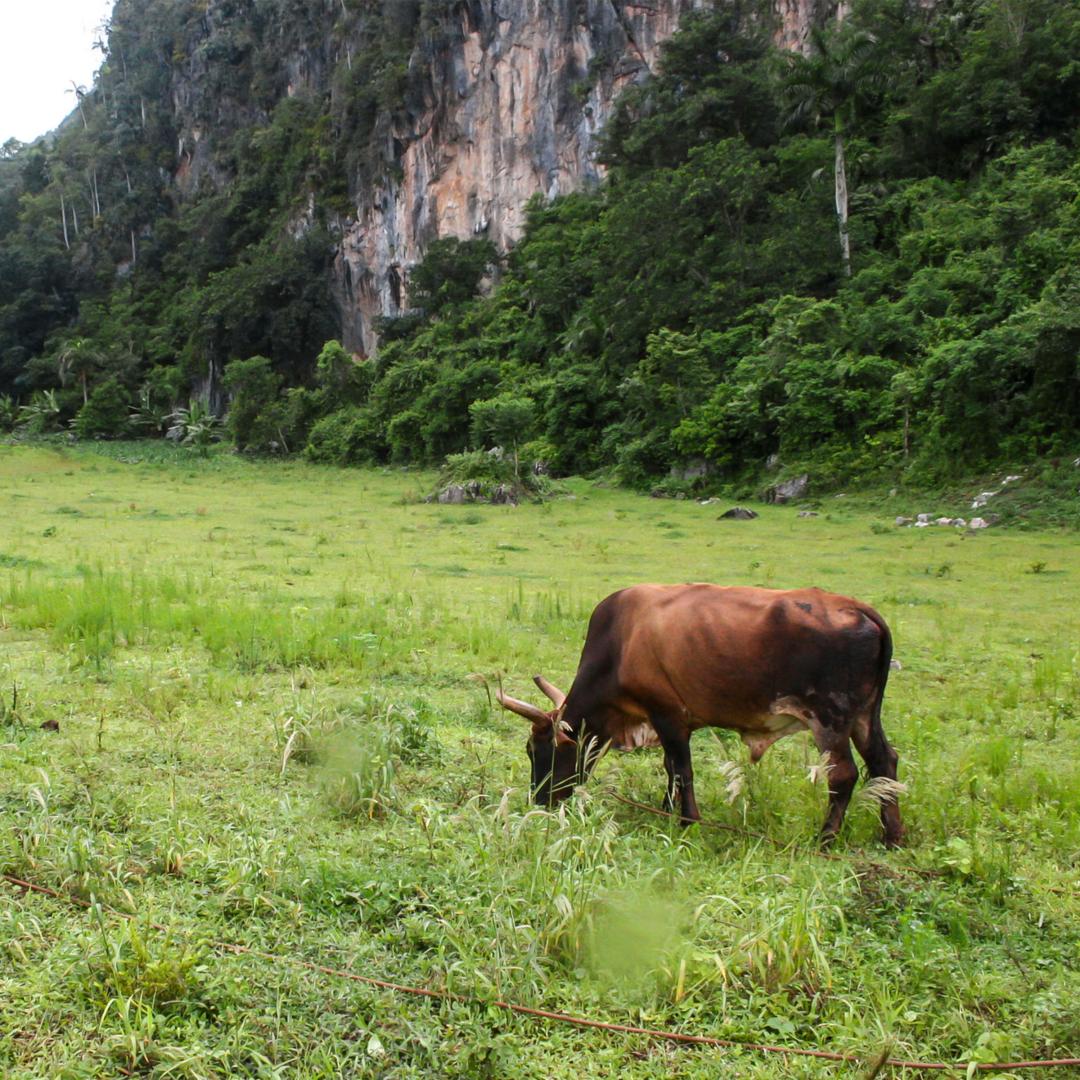
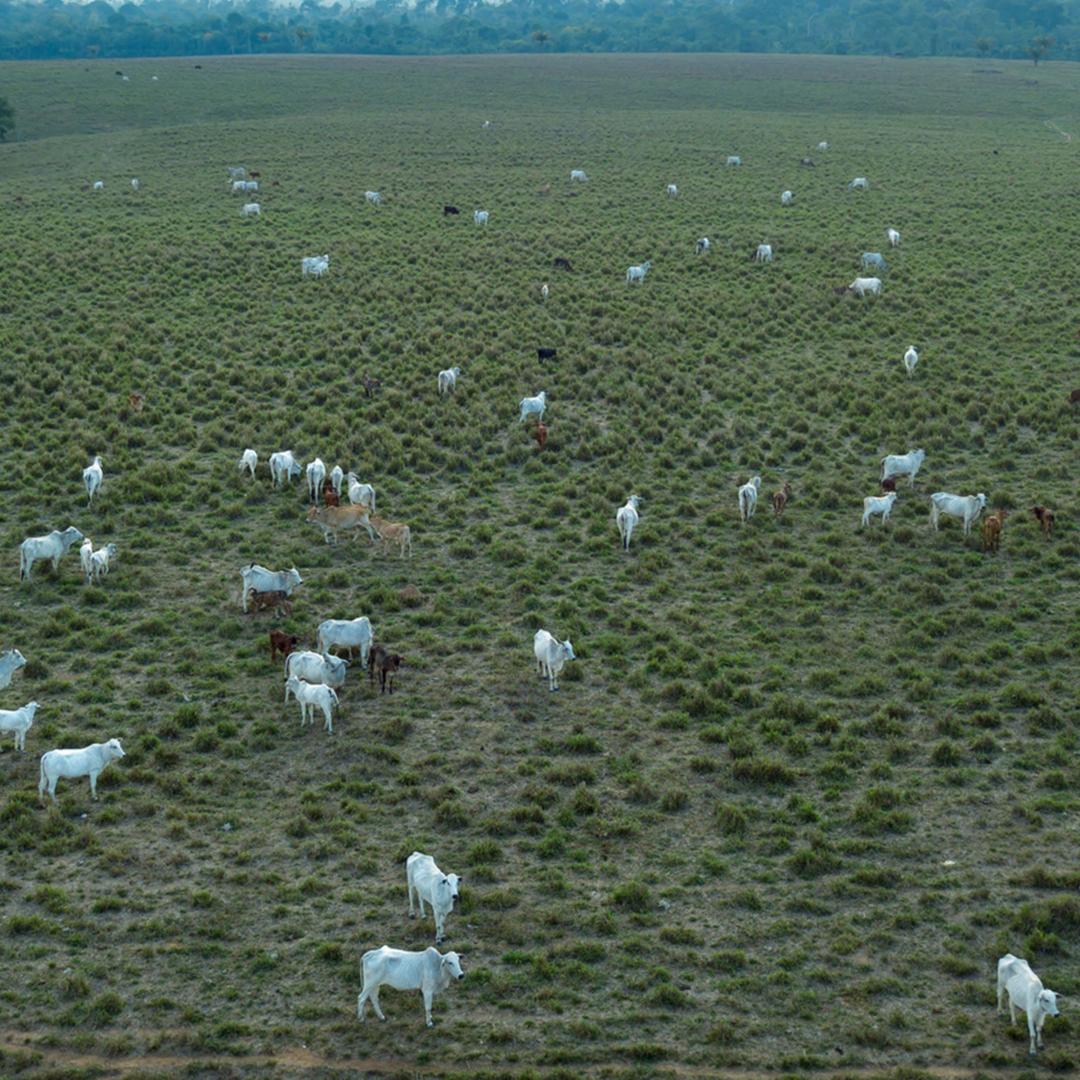
Cow grazing near cliff
Coming Soon
On
Summary

Expanding grazing increases land used for livestock by converting cropland, degraded land, or native ecosystems into pasture. The goal is often boosting soil organic carbon (SOC) or increasing beef production, and to a lesser extent dairy, to meet rising global demand. However, beef is an inefficient way to meet food needs, and any SOC gains are slow and limited, with potential sequestration benefits unable to offset corresponding increases in enteric methane emissions within climate-relevant time frames. Increasing beef production is therefore counterproductive from a climate perspective as it is among the most emissions- and land-intensive protein sources and risks displacing more effective restoration pathways. Around 42% of pasture occupies land that could support forests, where restoration would deliver greater carbon sequestration and biodiversity, making grazing expansion “Not Recommended” as a climate solution.

Description for Social and Search
Expand Livestock Grazing is Not Recommended as a climate solution.
Overview

What is our assessment?

Based on our analysis, expanding grazing increases methane emissions and often displaces land uses that would deliver greater carbon sequestration and biodiversity outcomes. It is therefore “Not Recommended” as a climate solution. 

Plausible Could it work? No
Ready Is it ready? Yes
Evidence Are there data to evaluate it? Yes
Effective Does it consistently work? No
Impact Is it big enough to matter? No
Risk Is it risky or harmful? No
Cost Is it cheap? No

What is it?

Expanding grazing includes converting cropland, degraded land, or native landscapes (e.g. forests, savannas) to pasture to increase beef production. As a climate solution, it assumes that soil organic carbon (SOC) can be increased sufficiently to offset methane emissions, resulting in net climate mitigation.

Does it work?

Expanding grazing does not generate net carbon removal because SOC gains are insufficient to offset associated enteric methane emissions. Claims that alternative grazing systems can generate net carbon removal or that grass-finished beef offers climate advantages are not supported by independent scientific evidence, with any gains limited to narrow, context-specific cases that exclude full-scope emissions. SOC gains, where they occur, are slow, saturating, and reversible, while ruminants emit methane continuously. Offsetting global current ruminant emissions would require sequestering 135 Gt of carbon (≈495 Gt CO₂ ) over 100 years, nearly twice the carbon stock in all the world’s managed grasslands. Because sequestration potential is uneven and many regions are degraded or constrained by soil and climate conditions, the required gains, to offset enteric methane emissions, would be concentrated on a subset of lands. This translates into required increases in soil carbon of roughly 25–2,000% locally over 61–225 years. This not only is unlikely, but also overlooks evidence that removing grazing livestock can increase plant growth, biomass, and SOC across grasslands, meaning that expanding grazing would compete with more effective forest or grassland carbon sequestration restoration pathways on degraded lands.

Why are we excited?

Expanding grazing can involve converting intensive cropland, such as land used for biofuels, to perennial pastures, which may increase SOC under low ruminant stocking rates and favorable environmental conditions (see Reduce Grazing Intensity). However, these benefits are driven by perennial vegetation and can be achieved more effectively through restoration approaches that do not introduce ongoing methane emissions.

Why are we concerned?

The core climate concern with expanding grazing is that it introduces cattle, a continuous methane source, on land that could capture carbon below and above ground more rapidly in the absence of cattle grazing. SOC gains under grazing, if they occur, are slow, reversible, and limited by saturation, while emissions from ruminants are immediate and ongoing.

Grazing is already the largest human use of land, and many grazing lands are affected by degradation and overstocking. Approximately 42% of global pastureland could support forests. Restoring these areas could sequester 445 Gt CO₂ by 2100, equivalent to more than a decade of global fossil fuel emissions. In addition, 50% of all global natural nonforest ecosystem conversion between 2005 and 2020 was driven directly by pasture expansion.

Demand for food is rising, while climate change is already reducing agricultural productivity and increasing crop losses. Some projections show a 36 to 50% decline in climatically viable areas for grazing by 2100 due to rising heat and shifting water conditions, alongside risks of broader yield declines. Expanding grazing, which would increase cattle herds and their feed demands, is an inefficient way to increase food supply, converting large amounts of land and feed into relatively small amounts of food. The global food system loses 7.22 quadrillion calories annually through the conversion of crops into animal products and other nonfood uses rather than direct human consumption, enough to feed 7.2 billion people. Cattle are the most inefficient of these pathways, with a 91% caloric loss when crops are converted into beef. Beef production uses 40% of global cropland yet provides only 9% of animal-source calories.

Improving diets and other demand-side changes are critical to avoid expanding grazing. The impacts of beef production exist along a spectrum: more extensive pasture-based systems require more land and typically produce more methane per unit of output, while more intensive, feedlot-based systems use less land per unit of beef but rely more heavily on cropland for feed, antibiotics, and concentrated waste management. Whether expansion occurs through more extensive or intensive systems, beef remains among the most emissions- and land-intensive ways to produce food.

In addition, animal-sourced foods are a major driver of biodiversity and habitat loss globally, with grazing cattle bearing disproportionate responsibility. Beef is the largest single contributor to the loss of biodiversity in Key Biodiversity Areas (KBAs), at around 31% of total biodiversity loss; 60% of KBAs are used for livestock ranching. Expanding grazing therefore reinforces the leading driver of biodiversity loss.

Solution in Action

Feigin, S. V., Wiebers, D. O., Blumstein, D. T., Knight, A., Eshel, G., Lueddeke, G., Kopnina, H., Feigin, V. L., Morand, S., Lee, K., Brainin, M., Shackelford, T. K., Alexander, S. M., Marcum, J., Merskin, D., Skerratt, L. F., Van Kleef, G. A., Whitfort, A., Freeman, C. P., … Winkler, A. S. (2025). Solving climate change requires changing our food systems. Oxford Open Climate Change5(1), kgae024. Link to source: https://doi.org/10.1093/oxfclm/kgae024

Hayek, M. N., Piipponen, J., Kummu, M., Resare Sahlin, K., McClelland, S. C., & Carlson, K. (2024). Opportunities for carbon sequestration from removing or intensifying pasture-based beef production. Proceedings of the National Academy of Sciences121(41), e2405758121. Link to source: https://doi.org/10.1073/pnas.2405758121

Kan, S., Levy, S. A., Mazur, E., Samberg, L., Persson, U. M., Sloat, L., Segovia, A. L., Parente, L., & Kastner, T. (2026). Overlooked and overexploited: Extensive conversion of grasslands and wetlands driven by global food, feed, and bioenergy demand. Proceedings of the National Academy of Sciences, 123(9), e2521183123. Link to source: https://doi.org/10.1073/pnas.2521183123

Li, C., Kotz, M., Pradhan, P., Wu, X., Hu, Y., Li, Z., & Chen, G. (2026). Climate change drives a decline in global grazing systems. Proceedings of the National Academy of Sciences123(7), e2534015123. Link to source: https://doi.org/10.1073/pnas.2534015123

Machovina, B., Feeley, K. J., & Ripple, W. J. (2015). Biodiversity conservation: The key is reducing meat consumption. Science of the Total Environment536, 419–431. Link to source: https://doi.org/10.1016/j.scitotenv.2015.07.022

Mogollón, J. M., Hadjikakou, M., Taherzadeh, O., Ngumbi, E. N., van Zanten, H. H. E., Basu, N. B., Kortleve, A. J., & Behrens, P. (2026). Broad bidirectional effects of global food production on the environment. Nature Reviews Earth & Environment. Link to source: https://doi.org/10.1038/s43017-026-00778-y

Poore, J., & Nemecek, T. (2018). Reducing food’s environmental impacts through producers and consumers. Science360(6392), 987–992. Link to source: https://doi.org/10.1126/science.aaq0216

Sanderman, J., Partida, C., Xia, Y., Lavallee, J. M., & Bradford, M. A. (2025). Low quality evidence dominates discussion of carbon benefits of alternative grazing strategies. bioRxiv. Link to source: https://doi.org/10.64898/2025.12.09.693242

Searchinger, T. D., Wirsenius, S., Beringer, T., & Dumas, P. (2018). Assessing the efficiency of changes in land use for mitigating climate change. Nature564(7735), 249–253. Link to source: https://doi.org/10.1038/s41586-018-0757-z

Shu, X., Ye, Q., Huang, H., Xia, L., Tang, H., Liu, X., Wu, J., Li, Y., Zhang, Y., Deng, L., & Liu, W. (2024). Effects of grazing exclusion on soil microbial diversity and its functionality in grasslands: a meta-analysis. Frontiers in Plant Science15, 1366821. Link to source: https://doi.org/10.3389/fpls.2024.1366821

Su, J., & Xu, F. (2021). Root, not aboveground litter, controls soil carbon storage under grazing exclusion across grasslands worldwide. Land Degradation & Development32(11), 3326–3337. Link to source: https://doi.org/10.1002/ldr.4008

Sun, Z., Behrens, P., Tukker, A., Bruckner, M., & Scherer, L. (2022). Global human consumption threatens key biodiversity areas. Environmental Science & Technology56(12), 9003–9014. Link to source: https://doi.org/10.1021/acs.est.2c00506

Wang, Y., de Boer, I. J. M., Persson, U. M., Ripoll-Bosch, R., Cederberg, C., Gerber, P. J., Smith, P., & van Middelaar, C. E. (2023). Risk to rely on soil carbon sequestration to offset global ruminant emissions. Nature Communications, 14(1), 7625. Link to source: https://doi.org/10.1038/s41467-023-43452-3

West, P. C., Gerber, J. S., Cassidy, E. S., & Stiffman, S. (2026). Only half of the calories produced on croplands are available as food for human consumption. Environmental Research: Food Systems3(2), 021001. Link to source: https://doi.org/10.1088/2976-601X/ae4f6b

Credits

Lead Fellow

  • Nicholas Carter

Internal Reviewers

  • Christina Swanson, Ph.D.
  • Emily Cassidy
Speed of Action
Caveats
Risks
Consensus
Trade-offs
Action Word
Expand
Solution Title
Livestock Grazing
Classification
Not Recommended
Lawmakers and Policymakers
Practitioners
Business Leaders
Nonprofit Leaders
Investors
Philanthropists and International Aid Agencies
Thought Leaders
Technologists and Researchers
Communities, Households, and Individuals
Updated Date

Restore Seagrass Ecosystems

Image
Image
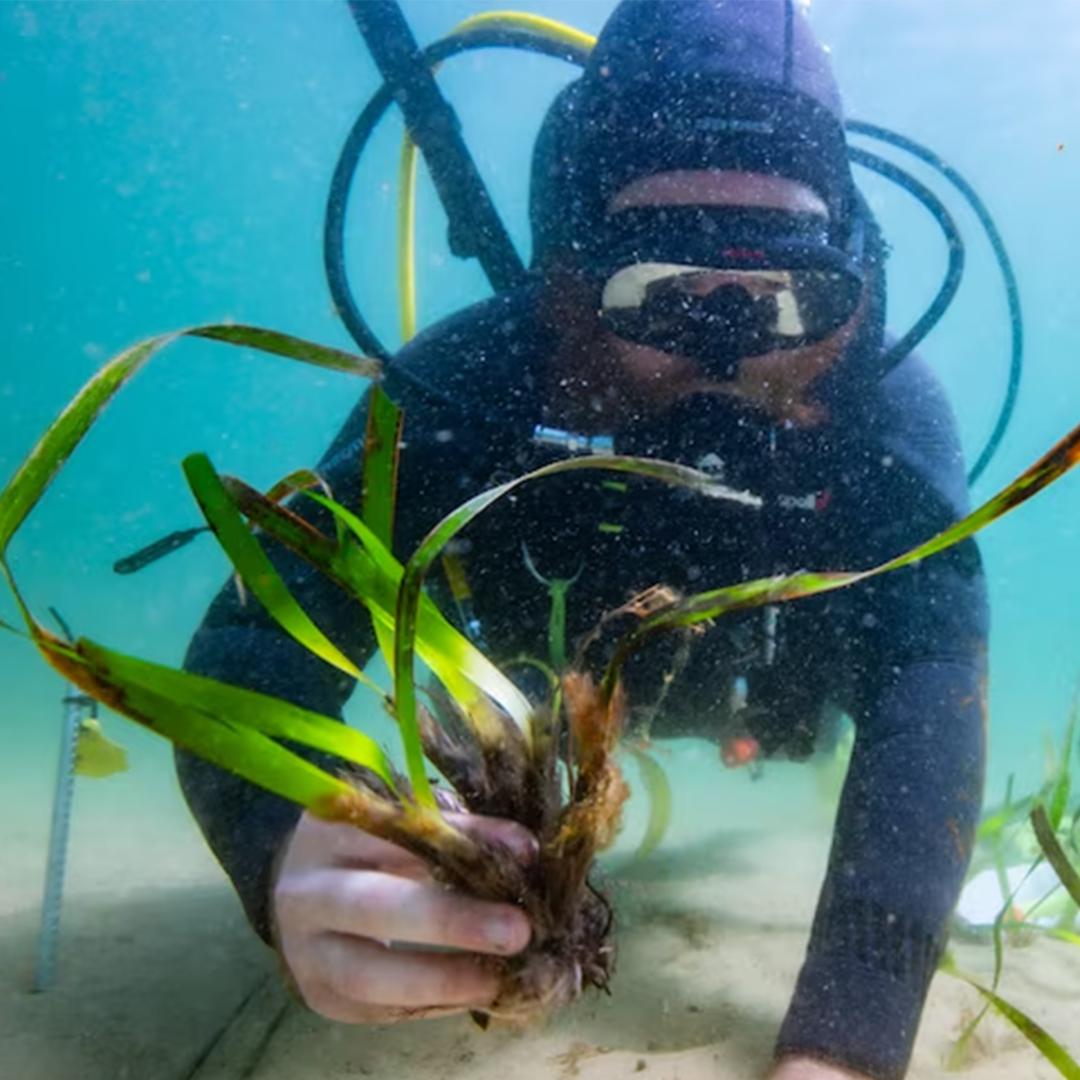
Seaweed
Coming Soon
On
Summary

Restore Seagrass Ecosystems involves reestablishing seagrass meadows in ocean areas where they were lost due to disturbances or degradation. As seagrasses grow, they remove CO₂ from ocean water through photosynthesis and accumulate carbon in their biomass, which allows seawater to take up additional CO₂ from the atmosphere. Some of this biomass carbon is stored long term in sediments. Restoring seagrass ecosystems offers numerous benefits for the environment and humans. Disadvantages include its cost and low climate impact due to a limited available area for restoration. Despite its limited climate impact, Restore Seagrass Ecosystems is “Worthwhile” given its environmental benefits and documented ability to remove carbon.

Description for Social and Search
Restore Seagrass Ecosystems is a Worthwhile climate solution.
Overview

What is our assessment?

Based on our analysis, restoring seagrass ecosystems can remove carbon with no major environmental risks. Despite a likely small climate impact due to the limited area available for restoration and uncertainty around costs, we consider it “Worthwhile.” 

Plausible Could it work? Yes
Ready Is it ready? Yes
Evidence Are there data to evaluate it? Limited
Effective Does it consistently work? Yes
Impact Is it big enough to matter? No
Risk Is it risky or harmful? No
Cost Is it cheap? ?

What is it?

Restore Seagrass Ecosystems removes carbon from the air by reestablishing seagrasses – subtidal marine flowering plants with roots – in areas where they were previously destroyed, degraded, or otherwise lost. Seagrasses remove CO₂ from seawater for photosynthesis, accumulating carbon in their biomass that can later break down and settle into sediments on- or off-site. The removal of CO₂ allows seawater to absorb additional CO₂ from the atmosphere. Restoration typically involves seeding or transplanting seedlings and might also require infilling with sediment to compensate for previous sediment loss and accommodate sea-level rise. Seagrass restoration likely also avoids emissions by curtailing the continued loss of sediment carbon due to degradation (e.g., coastal development). 

Does it work?

Restoration of seagrass ecosystems is a relatively new practice in many regions of the world. While its global climate benefit is uncertain but expected to be small (<0.1 Gt CO₂‑eq/yr ), research suggests that restored seagrass ecosystems generally act as net carbon sinks. Nearly 7 Mha of seagrass have been lost worldwide since the 1970s due to a wide range of stressors, such as coastal development and water quality degradation, though it is unclear precisely how much of this loss is restorable. Areas with the greatest observed losses occur in the Tropical Atlantic, Temperate North Atlantic East, Temperate Southern Oceans, and Tropical Indo-Pacific regions.

Why are we excited?

Restoration of seagrass ecosystems provides numerous benefits for the environment and humans. Seagrass meadows can reduce coastal flooding risk while stabilizing seafloor sediment. Restored seagrass ecosystems also increase biodiversity and habitat available for other organisms, including fish and other animals that transiently use seagrass meadows for foraging or as nurseries.

Why are we concerned?

Despite its widespread environmental benefits, seagrass ecosystem restoration can be expensive and is not always successful. In addition, an estimated 33% of its carbon removal benefits can be offset by emissions of methane, a greenhouse gas that microbes can produce using compounds released by seagrass plants. While costs are uncertain, studies suggest they can be high, with a median cost of US$537,140/ha and an average cost of US$979,335/ha (2023 US$), though other regional projects suggest costs can be closer to US$1,200/ha. Also, restoration of seagrasses is not always successful. On average, 55% of seagrass meadows restored succeed (≥50% survival), and future success may be affected by impacts of climate change such as sea-level rise, which is already driving losses of native seagrass meadows. 

Solution in Action

Bayraktarov, E., Saunders, M. I., Abdullah, S., Mills, M., Beher, J., Possingham, H. P., Mumby, P. J., & Lovelock, C. E. (2016). The cost and feasibility of marine coastal restoration. Ecological Applications, 26(4), 1055–1074. Link to source: https://doi.org/10.1890/15-1077

Buelow, C. A., Connolly, R. M., Turschwell, M. P., Adame, M. F., Ahmadia, G. N., Andradi-Brown, D. A., Bunting, P., Canty, S. W. J., Dunic, J. C., Friess, D. A., Lee, S. Y., Lovelock, C. E., McClure, E. C., Pearson, R. M., Sievers, M., Sousa, A. I., Worthington, T. A., & Brown, C. J. (2022). Ambitious global targets for mangrove and seagrass recovery. Current Biology, 32(7), 1641–1649.e3. Link to source: https://doi.org/10.1016/j.cub.2022.02.013

Capistrant-Fossa, K. A., & Dunton, K. H. (2024). Rapid sea level rise causes loss of seagrass meadows. Communications Earth & Environment, 5, Article 87. Link to source: https://doi.org/10.1038/s43247-024-01236-7

Danovaro, R., Aronson, J., Bianchelli, S., Boström, C., Chen, W., Cimino, R., Corinaldesi, C., Cortina-Segarra, J., D’Ambrosio, P., Gambi, C., Garrabou, J., Giorgetti, A., Grehan, A., Hannachi, A., Mangialajo, L., Morato, T., Orfanidis, S., Papadopoulou, N., Ramirez-Llodra, E., ... Fraschetti, S. (2025). Assessing the success of marine ecosystem restoration using meta-analysis. Nature Communications, 16, Article 3062. Link to source: https://doi.org/10.1038/s41467-025-57254-2

Dunic, J. C., Brown, C. J., Connolly, R. M., Turschwell, M. P., & Côté, I. M. (2021). Long-term declines and recovery of meadow area across the world’s seagrass bioregions. Global Change Biology, 27(17), 4096–4109. Link to source: https://doi.org/10.1111/gcb.15684

Eyre, B. D., Camillini, N., Glud, R. N., & Rosentreter, J. A. (2023). The climate benefit of seagrass blue carbon is reduced by methane fluxes and enhanced by nitrous oxide fluxes. Communications Earth & Environment, 4, Article 374. Link to source: https://doi.org/10.1038/s43247-023-01022-x

Forrester, J., Leonardi, N., Cooper, J. R., & Kumar, P. (2024). Seagrass as a nature-based solution for coastal protection. Ecological Engineering, 206, Article 107316. Link to source: https://doi.org/10.1016/j.ecoleng.2024.107316

Krause, J. R., Cameron, C., Arias-Ortiz, A., Cifuentes-Jara, M., Crooks, S., Dahl, M., Friess, D. A., Kennedy, H., Lim, K. E., Lovelock, C. E., Marbà, N., McGlathery, K. J., Oreska, M. P. J., Pidgeon, E., Serrano, O., Vanderklift, M. A., Wong, L.-W., Yaakub, S. M., & Fourqurean, J. W. (2025). Global seagrass carbon stock variability and emissions from seagrass loss. Nature Communications, 16, Article 3798. Link to source: https://doi.org/10.1038/s41467-025-59204-4

Oreska, M. P. J., McGlathery, K. J., Aoki, L. R., Berger, A. C., Berg, P., & Mullins, L. (2020). The greenhouse gas offset potential from seagrass restoration. Scientific Reports, 10, Article 7325. Link to source: https://doi.org/10.1038/s41598-020-64094-1

Seddon, S. (2004). Going with the flow: Facilitating seagrass rehabilitation. Ecological Management & Restoration, 5(3), 167–176. Link to source: https://doi.org/10.1111/j.1442-8903.2004.00205.x

Sievers, M., Rasmussen, J. A., Nielsen, B., Steinfurth, R. C., Flindt, M. R., Melvin, S. D., & Connolly, R. M. (2025). Restored seagrass rapidly provides high-quality habitat for mobile animals. Restoration Ecology, 33, e14343. Link to source: https://doi.org/10.1111/rec.14343

Valdez, S. R., Zhang, Y. S., van der Heide, T., Vanderklift, M. A., Tarquinio, F., Orth, R. J., & Silliman, B. R. (2020). Positive ecological interactions and the success of seagrass restoration. Frontiers in Marine Science, 7, Article 91. Link to source: https://doi.org/10.1016/j.cub.2022.02.013

Credits

Lead Fellow

Christina Richardson, Ph.D.

Internal Reviewers

Tina Swanson, Ph.D.

Paul West, Ph.D.

Speed of Action
Caveats
Risks
Consensus
Trade-offs
Action Word
Restore
Solution Title
Seagrass Ecosystems
Classification
Worthwhile
Lawmakers and Policymakers
Practitioners
Business Leaders
Nonprofit Leaders
Investors
Philanthropists and International Aid Agencies
Thought Leaders
Technologists and Researchers
Communities, Households, and Individuals
Updated Date

Restore Mangrove Ecosystems

Image
Image
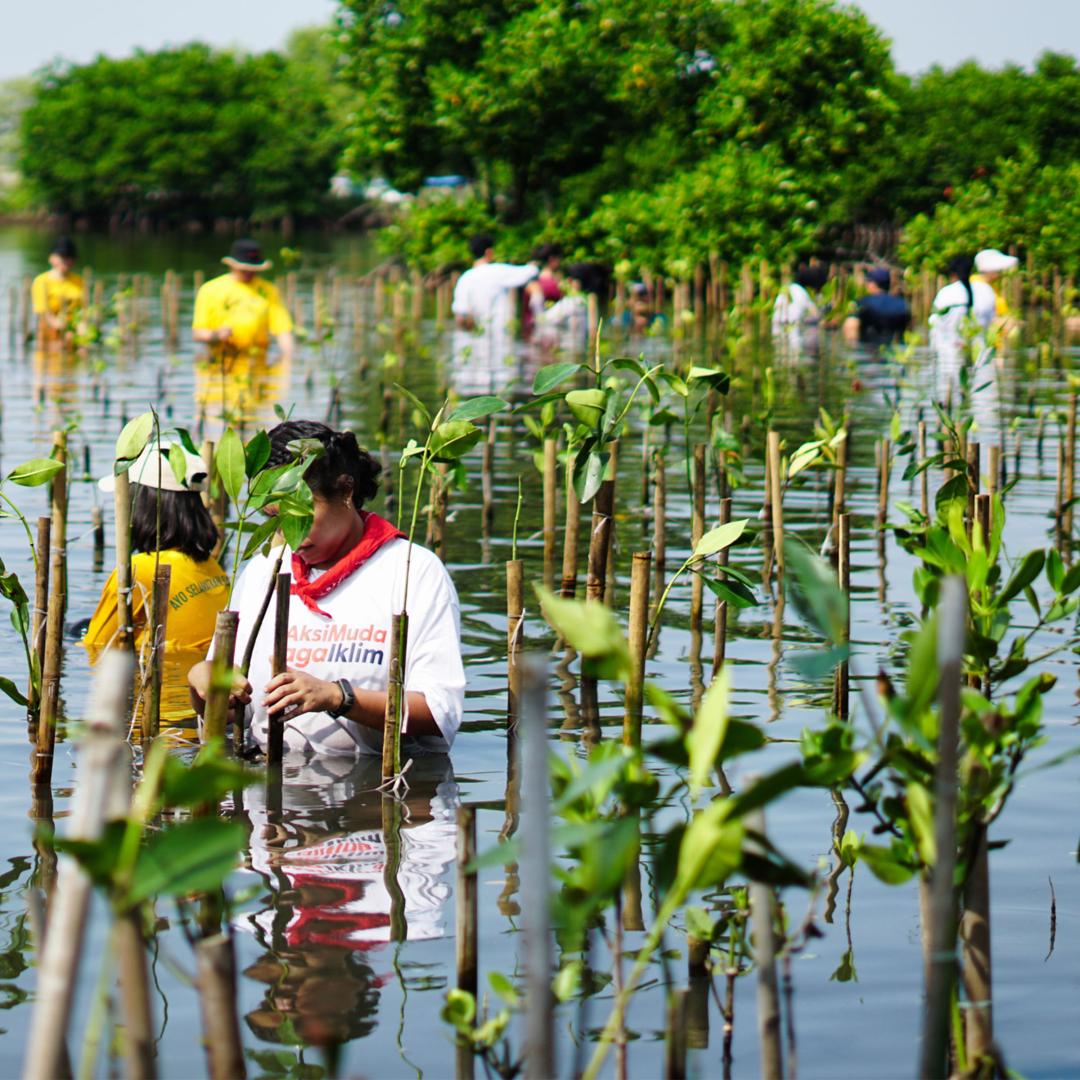
People planting mangroves
Coming Soon
Off
Summary

Restore Mangrove Ecosystems removes carbon by re-establishing mangrove forests in areas where they were previously destroyed by conversion or other disturbances. This allows carbon to accumulate in above- and below-ground biomass and sediment. Advantages include mangrove forests' high effectiveness at carbon removal and storage, as well as their numerous environmental benefits and generally low cost. However, the relatively small area available for restoration (~1 Mha) likely limits its global climate impact below 0.1 Gt CO₂‑eq/yr. Despite its limited global climate impact, we consider restoring mangrove forests “Worthwhile” as it is a valuable regional multi-benefit tool for carbon removal with no major environmental risks.

Description for Social and Search
Restore Mangrove Ecosystems is a Worthwhile climate solution. It is relatively easy and inexpensive, but the area available for implementing is limited.
Overview

What is our assessment?

Based on our analysis, restoring mangrove forests is a highly effective and relatively inexpensive tool for carbon removal, but it has a small climate impact due to the limited global area available for restoration. While the climate impact is probably low, we consider it a “Worthwhile” climate solution because it poses no major risks and provides widespread co-benefits for humans and the environment.

Plausible Could it work? Yes
Ready Is it ready? Yes
Evidence Are there data to evaluate it? Yes
Effective Does it consistently work? Yes
Impact Is it big enough to matter? No
Risk Is it risky or harmful? No
Cost Is it cheap? Yes

What is it?

Restore Mangrove Forests is a climate solution that removes carbon from the air by re-establishing mangrove ecosystems in areas where they were previously drained, filled, or otherwise degraded and lost. Nearly 2 Mha of mangroves have been destroyed since 1970. As mangrove plants are re-established and grow, they take up CO₂ through photosynthesis and store carbon in above- and below-ground biomass. They also trap and bury carbon-containing sediments, allowing additional carbon to accumulate in waterlogged soils where decomposition is slow. Restoration actions typically involve re-planting and restoring hydrologic conditions to allow tidal exchange with the ocean. Restoration also often replaces land uses that can be sources of large CO₂ (and other GHG) emissions.

Does it work?

Mangrove restoration is a well-established carbon removal approach that has been practiced for at least 40 years in many regions of the world. Research shows that restored mangrove ecosystems can act as large, durable carbon sinks, with sediment carbon likely able to persist for centuries or longer, similar to natural systems. However, because the estimated global area available for restoration is ~1 Mha, its climate impact is expected to be under 0.1 Gt CO₂‑eq/yr. Despite this limitation, restoration can still be a regionally important intervention in certain regions and countries that hold a disproportionate share of restorable mangrove area, due to its high effectiveness. Indonesia (~186,600 ha) and Mexico (~145,500 ha) contain the two largest national areas of restorable mangroves globally. In a relative sense, countries such as Belize, Honduras, Mexico, Nicaragua, Sri Lanka, the United States, and Vietnam are estimated to have at least 10% of their original mangrove area restorable. 

Why are we excited?

Restoration of mangrove ecosystems is an established practice that can be low cost with widespread environmental benefits. Recent global assessments suggest that restoration and natural expansion together added about 393,000 ha of mangrove area from 2000–2020. Restoration can recover ecosystem function, support biodiversity, and reduce exposure to coastal hazards, such as coastal flooding and erosion. Costs can vary from US$3,000–9,800/ha, with the removal of an estimated 0.78 Gt CO₂ over the next 40 years estimated to cost under $20/t CO₂. Low-cost restoration potential is greatest in countries such as Indonesia, Brazil, Mexico, Myanmar, and India. 

Why are we concerned?

This practice, while highly effective at removing carbon, is unlikely to scale to a globally relevant climate impact level given the limited area available for restoration. Although a large area of mangroves has been lost, not all of these areas remain feasible for restoration. For example, nearly 20% of all lost mangrove areas have been converted to open water habitats that are no longer suitable for restoration. Additionally, methane emissions can occur in restored mangroves, which might offset 20% of the carbon removed. Mangrove restoration is also not always successful, and reported outcomes vary widely across projects, with an estimated average success rate of ~62%.

Solution in Action

Alongi, D. M. (2014). Carbon cycling and storage in mangrove forests. Annual Review of Marine Science, 6, 195-219. Link to source: https://doi.org/10.1146/annurev-marine-010213-135020

Bourgeois, C. F., MacKenzie, R. A., Sharma, S., Bhomia, R. K., Johnson, N. G., Rovai, A. S., Worthington, T. A., Krauss, K. W., Analuddin, K., Bukoski, J. J., Castillo, J. A., Elwin, A., Glass, L., Jennerjahn, T. C., Mangora, M. M., Marchand, C., Osland, M. J., Ratefinjanahary, I. A., Ray, R., ... Trettin, C. C. (2024). Four decades of data indicate that planted mangroves stored up to 75% of the carbon stocks found in intact mature stands. Science Advances, 10(27), eadk5430. Link to source: https://doi.org/10.1126/sciadv.adk5430

Chen, H.-Y., Ge, Z.-M., Zhu, K.-H., Zhao, W., Chen, X.-C., Li, X.-Z., Xin, P., Zhou, Z., Chen, S., & Bellerby, R. (2025). Ecosystem carbon and nitrogen recovery in restored coastal wetlands. Communications Earth & Environment. Link to source: https://doi.org/10.1038/s43247-025-03036-z

Danovaro, R., Aronson, J., Bianchelli, S., Boström, C., Chen, W., Cimino, R., Corinaldesi, C., Cortina-Segarra, J., D’Ambrosio, P., Garrabou, J., Grehan, A., Giorgetti, A., Hannachi, A., Mangialajo, L., Morato, T., Orfanidis, S., Papadopoulou, N., Ramirez-Llodra, E., Smith, C. J., ... Fraschetti, S. (2025). Assessing the success of marine ecosystem restoration using meta-analysis. Nature Communications, 16, 3062. Link to source: https://doi.org/10.1038/s41467-025-57254-2

Food and Agriculture Organization of the United Nations. (2023, July 26). Global effort to safeguard mangroves steps up. Link to source: https://www.fao.org/newsroom/detail/global-effort-to-safeguard-mangroves-steps-up/en

Goto, G. M., Goñi, C. S., Braun, R., Cifuentes-Jara, M., Friess, D. A., Howard, J., Klinger, D. H., Teav, S., Worthington, T. A., & Busch, J. (2025). Implementation costs of restoring global mangrove forests. One Earth, 8(7), 101342. Link to source: https://doi.org/10.1016/j.oneear.2025.101342

Leal, M., & Spalding, M. D. (Eds.). (2024). The State of the World’s Mangroves 2024. Global Mangrove Alliance. Link to source: https://hdl.handle.net/10088/119867

Rosentreter, J. A., Maher, D. T., Erler, D. V., Murray, R., & Eyre, B. D. (2018). Methane emissions partially offset “blue carbon” burial in mangroves. Science Advances, 4(6), eaao4985. Link to source: https://doi.org/10.1126/sciadv.aao4985

Song, S., Ding, Y., Li, W., Meng, Y., Zhou, J., Gou, R., Zhang, C., Ye, S., Saintilan, N., Krauss, K. W., Crooks, S., Lv, S., & Lin, G. (2023). Mangrove reforestation provides greater blue carbon benefit than afforestation for mitigating global climate change. Nature Communications, 14, 756. Link to source: https://doi.org/10.1038/s41467-023-36477-1

Su, J., Friess, D. A., & Gasparatos, A. (2021). A meta-analysis of the ecological and economic outcomes of mangrove restoration. Nature Communications, 12, 5050. Link to source: https://doi.org/10.1038/s41467-021-25349-1

Taillardat, P., Thompson, B. S., Garneau, M., Trottier, K., & Friess, D. A. (2020). Climate change mitigation potential of wetlands and the cost-effectiveness of their restoration. Interface Focus, 10(5), 20190129. Link to source: https://doi.org/10.1098/rsfs.2019.0129

Tiggeloven, T., van Zelst, V., Mortensen, E., van Wesenbeeck, B. K., Worthington, T. A., Spalding, M., de Moel, H., & Ward, P. J. (2026). Mangrove restoration and coastal flood adaptation: A global perspective on the potential for hybrid coastal defenses. Proceedings of the National Academy of Sciences of the United States of America, 123(4), e2510980123. Link to source: https://doi.org/10.1073/pnas.2510980123

Worthington, T., & Spalding, M. (2018). Mangrove restoration potential: A global map highlighting a critical opportunity. The Nature Conservancy and International Union for Conservation of Nature. Link to source: https://oceanwealth.org/wp-content/uploads/2019/02/MANGROVE-TNC-REPORT-FINAL.31.10.LOWSINGLES.pdf

Credits

Lead Fellow

Christina Richardson, Ph.D.

Internal Reviewers

Christina Swanson, Ph.D.

Paul C. West, Ph.D.

Speed of Action
Caveats
Risks
Consensus
Trade-offs
Action Word
Restore
Solution Title
Mangrove Ecosystems
Classification
Worthwhile
Lawmakers and Policymakers
Practitioners
Business Leaders
Nonprofit Leaders
Investors
Philanthropists and International Aid Agencies
Thought Leaders
Technologists and Researchers
Communities, Households, and Individuals
Updated Date

Restore Seaweed Ecosystems

Image
Image
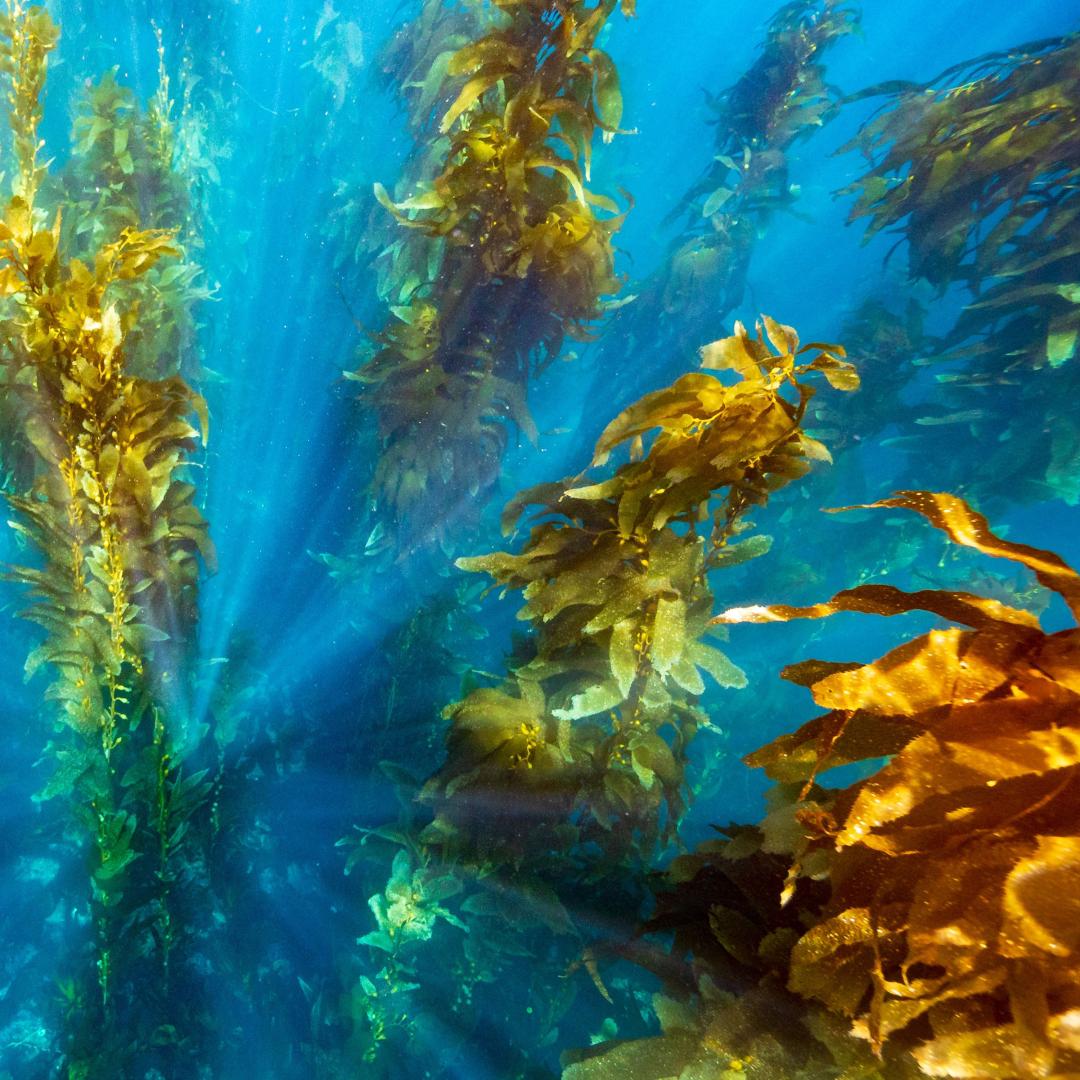
An image of seaweed drifting in the ocean
Coming Soon
Off
Summary

Seaweed (also called macroalgae) ecosystem restoration involves the reestablishment of wild red, brown, and green seaweed through interventions that recover degraded, damaged, or destroyed seaweed ecosystems. Healthy seaweed ecosystems remove CO₂ from the water column and convert it into biomass through photosynthesis, allowing additional CO₂ to be taken up in the ocean from the atmosphere. Some of this biomass carbon ends up sequestered, either on-site in sediment or off-site in the deep sea or at the seafloor. Advantages include the widespread human and environmental benefits associated with restored, healthy seaweed ecosystems. Disadvantages include its unclear effectiveness and climate impact, as well as its potentially high costs and difficulty of adoption at scale. Currently, we conclude that we should “Keep Watching” this solution.

Description for Social and Search
The Restore Seaweed solution is coming soon.
Overview

What is our assessment?

Based on our analysis, the climate impact of restoring seaweed ecosystems is unclear but likely to be low. While restoration offers important ecological benefits, its effectiveness in removing carbon is understudied, and the implementation costs may be prohibitively high, but require further research. Therefore, we conclude that Restore Seaweed Ecosystems is a solution to “Keep Watching.”

Plausible Could it work? Yes
Ready Is it ready? Yes
Evidence Are there data to evaluate it? No
Effective Does it consistently work? ?
Impact Is it big enough to matter? ?
Risk Is it risky or harmful? No
Cost Is it cheap? No

What is it?

Seaweed ecosystem restoration is the deliberate action of reestablishing seaweed in degraded, damaged, or destroyed ecosystems. Seaweed removes CO₂ from seawater through photosynthesis, which allows the ocean to absorb additional CO₂ from the atmosphere. Some of the fixed carbon can be sequestered through export to the deep sea or burial at the seafloor, while a portion may also persist as carbon forms that resist degradation even in the surface ocean. Restoration of seaweed ecosystems helps restore biomass and therefore the productivity of these ecosystems, which can enhance their sequestration capacity. Restoration can occur in a number of ways, but commonly includes transplanting adults, controlling grazers, building artificial reefs, seeding with propagules or spores, remediating pollution, removing competitive species, and culturing. Most restoration efforts have focused on canopy-forming species, such as giant kelp (Macrocystis pyrifera). 

Does it work?

Seaweed ecosystem restoration can be somewhat effective, with nearly 60% of restoration efforts achieving survival rates of over 50%. The first large-scale restoration is thought to have occurred in Japan in the late 1800s. Still, few projects have been implemented at scale, with most restoration efforts below 0.1 ha in size. Moreover, little data exist to evaluate the effectiveness of restored seaweed ecosystems at removing carbon. While theoretically, they should regain functional equivalence to intact systems, this requires further research. The extent of lost and degraded seaweed ecosystems is also poorly understood, making it unclear how restoration efforts might be scaled globally. Additionally, the air-to-sea transfer of CO₂ to replace the CO₂ taken up by photosynthesis in the ocean is not always efficient, meaning removal in the water column may not always translate to equivalent atmospheric CO₂ removal. However, this aspect of effectiveness also remains understudied. Consequently, the climate impact of restoration is uncertain.

Why are we excited?

Healthy seaweed ecosystems provide a range of ecological benefits. Seaweed can help buffer against ocean acidification in some places as functional systems better regulate pH. These systems also provide complex habitats that support a wide range of marine life, such as fish and invertebrates, so restoring seaweed ecosystems can help recover biodiversity. Seaweed ecosystem restoration can also improve nutrient cycling and overall ecosystem resilience to climate stressors.

Why are we concerned?

Restoration of seaweed ecosystems is currently expensive, with costs varying widely depending on the method used. In kelp forests, chemical or manual urchin removal, which reduces grazing pressure, may cost between US$1,700/ha and US$76,000/ha in 2023 dollars, while most other approaches exceed US$590,000/ha.

It’s also unclear whether seaweed restoration efforts could scale enough to have a globally meaningful impact on GHG emissions. Using estimates from intact subtidal brown seaweed ecosystems, which are among the most productive and represent a likely upper limit on the effectiveness of seaweed restoration as a whole, restoration might remove 2.3 tCO₂‑eq /ha/yr. At this rate, over 40 Mha would need to be restored to exceed 0.1 GtCO₂‑eq/yr. However, most restoration projects are under 0.1 ha. For kelp forests, only roughly 2% (19,000 ha) have been restored out of the Kelp Forest Challenge’s target of 1 million ha by 2040, suggesting that this practice may not be scalable currently.

The effectiveness of restoration can also be offset by the life-cycle emissions of products required to re-establish some seaweed ecosystems. For example, emissions from the production of cement blocks needed to afforest some seaweed habitats have been estimated to potentially delay carbon removal benefits for 5–13 years in some systems.

Solution in Action

Bayraktarov, E., Saunders, M. I., Abdullah, S., Mills, M., Beher, J., Possingham, H. P., Mumby, P. J. & Lovelock, C. E. (2015). The cost and feasibility of marine coastal restoration. Ecological Applications 26, 1055–1074. Link to source: https://doi.org/10.1890/15-1077

Carlot, J. (2025). Restoring coastal resilience: The role of macroalgal forests in oxygen production and pH regulation. Journal of Phycology61(2), 255–257. Link to source: https://doi.org/10.1111/jpy.70019

Danovaro, R., Aronson, J., Bianchelli, S., Boström, C., Chen, W., Cimino, R., Corinaldesi, C., Cortina-Segarra, J., D’Ambrosio, P., Gambi, C., Garrabou, J., Giorgetti, A., Grehan, A., Hannachi, A., Mangialajo, L., Morato, T., Orfanidis, S., Papadopoulou, N., Ramirez-Llodra, E., Smith, C. J., Snelgrove, P., van de Koppel, J., van Tatenhove, J., & Fraschetti, S. (2025). Assessing the success of marine ecosystem restoration using meta-analysis. Nature Communications, 16(1), Article 3062. Link to source: https://doi.org/10.1038/s41467-025-57254-2

Eger, A. M., Vergés, A., Choi, C. G., Christie, H., Coleman, M. A., Fagerli, C. W., Fujita, D., Hasegawa, M., Kim, J. H., Mayer-Pinto, M., Reed, D. C., Steinberg, P. D., & Marzinelli, E. M.(2020). Financial and institutional support are important for large-scale kelp forest restoration. Frontiers in Marine Science7, 535277. Link to source: https://doi.org/10.3389/fmars.2020.535277

Eger, A. M., Marzinelli, E. M., Christie, H., Fagerli, C. W., Fujita, D., Gonzalez, A. P., Johnson, C., Ling, S. D., Mayer-Pinto, M., Norderhaug, K. M., Pérez-Matus, A., Reed, D. C., Sala, E., Steinberg, P. D., Wernberg, T., Wilson, S., & Vergés, A. (2022). Global kelp forest restoration: Past lessons, present status, and future directions. Biological Reviews, 97(4), 1449-1475. Link to source: https://doi.org/10.1111/brv.12850

Eger, A. M., Baum, J. K., Campbell, T., Cevallos Gil, B., Earp, H. S., Falace, A., Freiwald, J., Hamilton, S., Lonhart, S. I., Rootsaert, K., Rush, M. Å., Schuster, J., Timmer, B., & Vergés, A. (2026). Creating a global kelp forest conservation fundraising target: A 14-billion-dollar investment to help the kelp. Biological Conservation, 313. Link to source: https://doi.org/10.1016/j.biocon.2025.111573

Filbee-Dexter, K., Wernberg, T., Barreiro, R., Coleman, M. A., de Bettignies, T., Feehan, C. J., Franco, J. N., Hasler, B., Louro, I., Norderhaug, K. M., Staehr, P. A. U., Tuya, F. & Verbeek, J. (2022). Leveraging the blue economy to transform marine forest restoration. Journal of Phycology, 58(2), 198–207. Link to source: https://doi.org/10.1111/jpy.13239

Gibbons, E. G., & Quijon, P. A. (2023). Macroalgal features and their influence on associated biodiversity: implications for conservation and restoration. Frontiers in Marine Science10, 1304000. Link to source: https://doi.org/10.3389/fmars.2023.1304000

Kelp Forest Alliance. (2024). State of the world’s kelp report. Kelp Forest Alliance. Link to source: https://kelpforestalliance.com/state-of-the-worlds-kelp-report/

Martin, D. M. (2017). Ecological restoration should be redefined for the twenty‐first century. Restoration Ecology25(5), 668–673. Link to source: https://doi.org/10.1111/rec.12554

Pessarrodona, A., Franco‐Santos, R. M., Wright, L. S., Vanderklift, M. A., Howard, J., Pidgeon, E., Wernberg, T., & Filbee‐Dexter, K. (2023). Carbon sequestration and climate change mitigation using macroalgae: A state of knowledge review. Biological Reviews98(6), 1945–1971. Link to source: https://doi.org/10.1111/brv.12990

Credits

Lead Fellow 

  • Christina Richardson, Ph.D.

Internal Reviewer

  • Christina Swanson, Ph.D.
Speed of Action
Caveats
Risks
Consensus
Trade-offs
Action Word
Restore
Solution Title
Seaweed Ecosystems
Classification
Keep Watching
Lawmakers and Policymakers
Practitioners
Business Leaders
Nonprofit Leaders
Investors
Philanthropists and International Aid Agencies
Thought Leaders
Technologists and Researchers
Communities, Households, and Individuals
Updated Date

Deploy Ocean Biomass Sinking

Image
Image
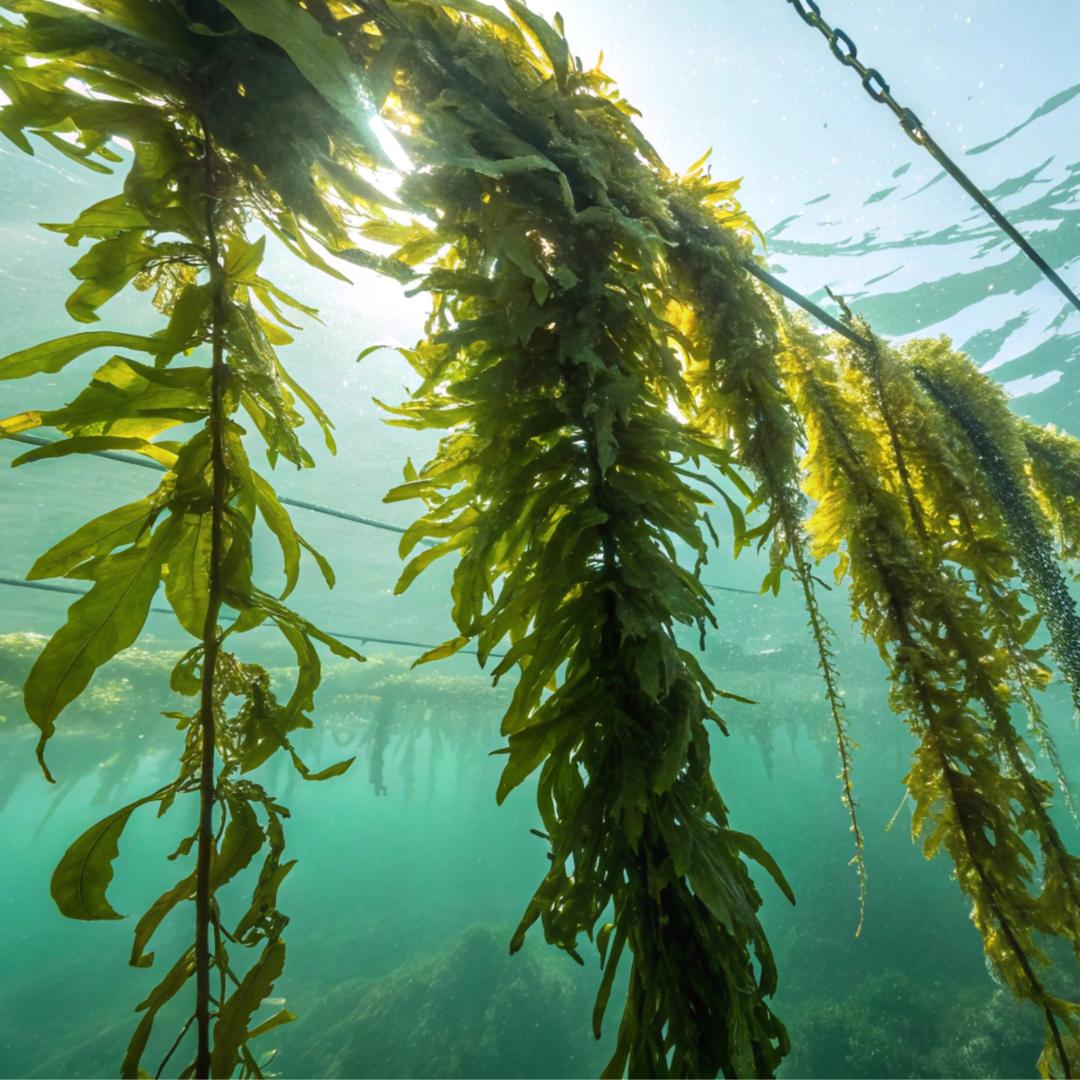
An image of kelp suspended in the water column
Coming Soon
Off
Summary

Ocean biomass sinking involves sinking terrestrial plant material and/or seaweed in the deep sea, where the carbon it has converted into biomass can be stored. Using terrestrial material diverts biomass that might otherwise break down on land and release CO₂, while using seaweed removes carbon by cultivating and sinking new biomass produced in the ocean. This practice might be able to remove over 0.1 Gt CO₂‑eq/yr, but estimates remain highly uncertain due to limited data, and the adoption levels needed to reach this threshold are probably impractical. Advantages include the use of terrestrial biomass that might otherwise degrade on land and emit CO₂, and the ability to reduce nutrient pollution in some ocean areas when cultivating marine biomass. Disadvantages include its unclear effectiveness and durability, potentially high environmental risks, limited feasibility to operate at scale (particularly for seaweed biomass), and complex monitoring and verification. We conclude that Deploy Ocean Biomass Sinking is “Not Recommended” as a climate solution.

Description for Social and Search
Ocean biomass sinking involves sinking terrestrial plant material and/or seaweed in the deep sea, where the carbon it has converted into biomass can be stored.
Overview

What is our assessment?

Our analysis finds that Deploy Ocean Biomass Sinking could have high potential environmental risks, including unknown impacts on marine ecosystems. It is also unclear how effective or durable carbon storage in the deep sea is from this approach. There are likely better alternative uses for terrestrial biomass, and cultivating seaweed at climate-relevant scales is probably not feasible. Even if it were, seaweed would probably provide greater value through other applications. Therefore, Deploy Ocean Biomass Sinking is currently “Not Recommended” as a climate solution.

Plausible Could it work? Yes
Ready Is it ready? No
Evidence Are there data to evaluate it? Limited
Effective Does it consistently work? No
Impact Is it big enough to matter? No
Risk Is it risky or harmful? Yes
Cost Is it cheap? ?

What is it?

Ocean biomass sinking relies on sinking terrestrial plant material and/or seaweed grown in the ocean to the deep sea or seafloor where it can be stored long-term. Cultivating and sinking seaweed removes carbon from the surface ocean, whereas sinking terrestrial biomass material can help reduce emissions that might otherwise occur if the material instead decomposed on land. While not a current practice, terrestrial biomass grown explicitly for sinking would also constitute a form of carbon removal. When biomass sinks naturally, most of it is degraded into CO₂ or other forms of carbon before reaching the deep sea. Deliberate sinking of biomass might avoid some of this degradation by expediting its delivery to the deep sea, depending on the method used. Once sunk, the biomass and any CO₂ or other forms of carbon produced from its degradation can be isolated from the atmosphere for decades to centuries due to the ocean’s slow circulation times at depth. Biomass sinking can be accomplished using active methods, like submersibles, or passive methods, like letting weighted bundles sink on their own. There has been a recent focus on sinking material in low-oxygen ocean basins (e.g., the Black Sea), which might help further minimize degradation, while improving the durability of sequestered carbon due to the long circulation time-scales typical of these regions.

Does it work?

Global estimates suggest that ~11% of carbon produced in natural seaweed ecosystems might be sequestered at depth, generally defined as below the mixed layer at around 1,000 m. However, very few studies have documented the export efficiency, or the fraction of carbon in surface waters that makes its way to the deep sea, of purposefully sunk terrestrial and seaweed biomass, as this practice is currently in the early stages of development and research. If biomass is quickly sunk, most carbon might make its way to the deep sea, while passive sinking techniques, if slower, could result in higher degradation rates. Sequestration also depends on the storage efficiency and durability of carbon once at depth. Some initial research suggests that biomass degradation may be slowed in low-oxygen basins, but this also remains poorly characterized in field studies. It is similarly unclear how durable the carbon stored below the mixed layer will be over climate-relevant timescales, both in the deep sea in general and in low-oxygen basins specifically.

Why are we excited?

The advantages of ocean biomass sinking include its potential ability to use land-based biomass that might otherwise be degraded in landfills or incinerated, both of which lead to CO₂ emissions. In some regions, seaweed cultivation could help reduce nutrient pollution, provide habitat for marine organisms, and locally buffer against ocean acidification. Estimates of potential climate impacts suggest that ocean biomass sinking using biomass from seaweed farms could theoretically exceed 0.1 Gt CO₂‑eq/yr. Still, those estimates remain highly speculative and require more research. Costs are poorly quantified, but some estimates suggest they could be low to moderately expensive compared to other marine carbon dioxide removal approaches, close to US$100/t CO₂.

Why are we concerned?

Ocean biomass sinking has many environmental and social risks that, though not currently fully understood, could make it unfeasible to deploy the technology at scale. Deep-sea and seafloor ecosystems are highly understudied, and it's unclear how new biomass might alter these unique environments. Potential impacts include increased acidification, nutrient pollution, and oxygen depletion of the deep sea, which could affect diverse marine life. Large-scale seaweed cultivation could reduce phytoplankton abundance, disrupt food webs, and deplete nutrients needed by other ecosystems. Cultivation in open ocean areas might relieve demand for coastal space, but they are often nutrient-poor, and adding nutrients raises serious concerns (see Deploy Ocean Fertilization). Terrestrial biomass sources could introduce contaminants into the ocean due to inadvertent inclusion of plastics or other pollutants in sunken biomass. This practice also comes with social risks. Some countries might disproportionately bear negative impacts wherever biomass is cultivated and/or sunk, as it could alter marine food webs and livelihoods. There could also be issues with public perception due to historical injustices around ocean dumping, potentially impeding future projects without meaningful community engagement and transparency. 

Moreover, there are numerous technical challenges relating to the effectiveness and durability of carbon sequestration. Biomass sources differ in how easily they break down, affecting how much carbon is stored at depth. Sunk biomass could also potentially release other greenhouse gases, such as methane and nitrous oxide. The location where biomass is disposed of also matters, impacting how much carbon reaches and stays at depth. However, all of these factors remain poorly constrained. Operational and technical challenges are also significant. To remove at least 0.1 Gt CO₂‑eq/yr using marine biomass, nearly 7 million ha of ocean – over 60% of the global coastline – could be needed for seaweed cultivation, which is impractical. Measurement and verification pose additional hurdles. In the case of seaweed cultivation, tracking carbon removal requires monitoring both CO₂ uptake at the ocean’s surface and export as well as storage at depth across large spatial and temporal scales. In addition, the opportunity cost of sinking terrestrial biomass is high due to competing land-based uses, as waste biomass and crop residues are finite resources. Growing new biomass explicitly for ocean sinking would introduce new risks, given that land is also a finite resource. Similarly, seaweed probably has higher value and carbon benefits as food, fertilizer, and other products.

Solution in Action

Arzeno-Soltero, I. B., Saenz, B. T., Frieder, C. A., Long, M. C., DeAngelo, J., Davis, S. J., & Davis, K. A. (2023). Large global variations in the carbon dioxide removal potential of seaweed farming due to biophysical constraints. Communications Earth & Environment, 4(1), 185. Link to source: https://doi.org/10.1038/s43247-023-00833-2

Bach, L. T., Tamsitt, V., Gower, J., Hurd, C. L., Raven, J. A., & Boyd, P. W. (2021). Testing the climate intervention potential of ocean afforestation using the Great Atlantic Sargassum Belt. Nature Communications, 12(1), 2556. Link to source: https://doi.org/10.1038/s41467-021-22837-2

Boettcher, M., Chai, F., Canothan, M., Cooley, S., Keller, D. P., Klinsky, S., ... & Webb, R. M. (2023). A code of conduct for marine carbon dioxide removal research. Link to source: https://www.aspeninstitute.org/publications/a-code-of-conduct-for-marine-carbon-dioxide-removal-research/

Chopin, T., Costa-Pierce, B. A., Troell, M., Hurd, C. L., Costello, M. J., Backman, S., ... & Yarish, C. (2024). Deep-ocean seaweed dumping for carbon sequestration: Questionable, risky, and not the best use of valuable biomass. One Earth, 7(3), 359-364. Link to source: https://doi.org/10.1016/j.oneear.2024.01.013

Duarte, C. M., Wu, J., Xiao, X., Bruhn, A., & Krause-Jensen, D. (2017). Can seaweed farming play a role in climate change mitigation and adaptation?. Frontiers in Marine Science, 4, 100. Link to source: https://doi.org/10.3389/fmars.2017.00100

Hurd, C. L., Gattuso, J. P., & Boyd, P. W. (2024). Air‐sea carbon dioxide equilibrium: Will it be possible to use seaweeds for carbon removal offsets?. Journal of Phycology, 60(1), 4-14. Link to source: https://doi.org/10.1111/jpy.13405

Hurd, C. L., Law, C. S., Bach, L. T., Britton, D., Hovenden, M., Paine, E. R., ... & Boyd, P. W. (2022). Forensic carbon accounting: Assessing the role of seaweeds for carbon sequestration. Journal of Phycology, 58(3), 347-363. Link to source: https://doi.org/10.1111/jpy.13249

Jones, D. C., Ito, T., Takano, Y., & Hsu, W. C. (2014). Spatial and seasonal variability of the air‐sea equilibration timescale of carbon dioxide. Global Biogeochemical Cycles, 28(11), 1163-1178. Link to source: https://doi.org/10.1002/2014GB004813

Keil, R. G., Nuwer, J. M., & Strand, S. E. (2010). Burial of agricultural byproducts in the deep sea as a form of carbon sequestration: A preliminary experiment. Marine Chemistry, 122(1-4), 91-95. Link to source: https://doi.org/10.1016/j.marchem.2010.07.007

National Academies of Sciences, Engineering, and Medicine. (2021). A research strategy for ocean-based carbon dioxide removal and sequestration. Link to source: https://www.nationalacademies.org/our-work/a-research-strategy-for-ocean-carbon-dioxide-removal-and-sequestration

Raven, M. R., Crotteau, M. A., Evans, N., Girard, Z. C., Martinez, A. M., Young, I., & Valentine, D. L. (2024). Biomass storage in anoxic marine basins: Initial estimates of geochemical impacts and CO2 sequestration capacity. AGU Advances, 5(1), e2023AV000950. Link to source: https://doi.org/10.1029/2023AV000950

Raven, M. R., Evans, N., Martinez, A. M., & Phillips, A. A. (2025). Big decisions from small experiments: observational strategies for biomass-based marine carbon storage. Environmental Research Letters, 20(5), 051001. Link to source: https://doi.org/10.1088/1748-9326/adc28d

Ricart, A. M., Krause-Jensen, D., Hancke, K., Price, N. N., Masqué, P., & Duarte, C. M. (2022). Sinking seaweed in the deep ocean for carbon neutrality is ahead of science and beyond the ethics. Environmental Research Letters, 17(8), 081003. Link to source: https://doi.org/10.1088/1748-9326/ac82ff

Ross, F. W., Boyd, P. W., Filbee-Dexter, K., Watanabe, K., Ortega, A., Krause-Jensen, D., ... & Macreadie, P. I. (2023). Potential role of seaweeds in climate change mitigation. Science of the Total Environment, 885, 163699. Link to source: https://doi.org/10.1016/j.scitotenv.2023.163699

Sheppard, E. J., Hurd, C. L., Britton, D. D., Reed, D. C., & Bach, L. T. (2023). Seaweed biogeochemistry: Global assessment of C: N and C: P ratios and implications for ocean afforestation. Journal of Phycology, 59(5), 879-892. Link to source: https://doi.org/10.1111/jpy.13381

Strand, S. E., & Benford, G. (2009). Ocean sequestration of crop residue carbon: recycling fossil fuel carbon back to deep sediments. Environmental Science and Technology. Link to source: https://doi.org/10.1021/es8015556

Visions, O. (2022). Answering Critical Questions About Sinking Macroalgae for Carbon Dioxide Removal: A Research Framework to Investigate Sequestration Efficacy and Environmental Impacts. Link to source: https://oceanvisions.org/wp-content/uploads/2022/10/Ocean-Visions-Sinking-Seaweed-Report_FINAL.pdf

Wu, J., Keller, D. P., & Oschlies, A. (2023). Carbon dioxide removal via macroalgae open-ocean mariculture and sinking: an Earth system modeling study. Earth System Dynamics, 14(1), 185-221. Link to source: https://doi.org/10.5194/esd-14-185-2023

Xiao, X., Agusti, S., Lin, F., Li, K., Pan, Y., Yu, Y., ... & Duarte, C. M. (2017). Nutrient removal from Chinese coastal waters by large-scale seaweed aquaculture. Scientific Reports, 7(1), 46613. Link to source: https://doi.org/10.1038/srep46613

Xiao, X., Agustí, S., Yu, Y., Huang, Y., Chen, W., Hu, J., ... & Duarte, C. M. (2021). Seaweed farms provide refugia from ocean acidification. Science of the Total Environment, 776, 145192. Link to source: https://doi.org/10.1016/j.scitotenv.2021.145192

Credits

Lead Fellow

  • Christina Richardson, Ph.D.

Internal Reviewer

  • Christina Swanson, Ph.D.
Speed of Action
Caveats
Risks
Consensus
Trade-offs
Action Word
Deploy
Solution Title
Ocean Biomass Sinking
Classification
Not Recommended
Lawmakers and Policymakers
Practitioners
Business Leaders
Nonprofit Leaders
Investors
Philanthropists and International Aid Agencies
Thought Leaders
Technologists and Researchers
Communities, Households, and Individuals
Updated Date

Deploy Artificial Upwelling

Image
Image
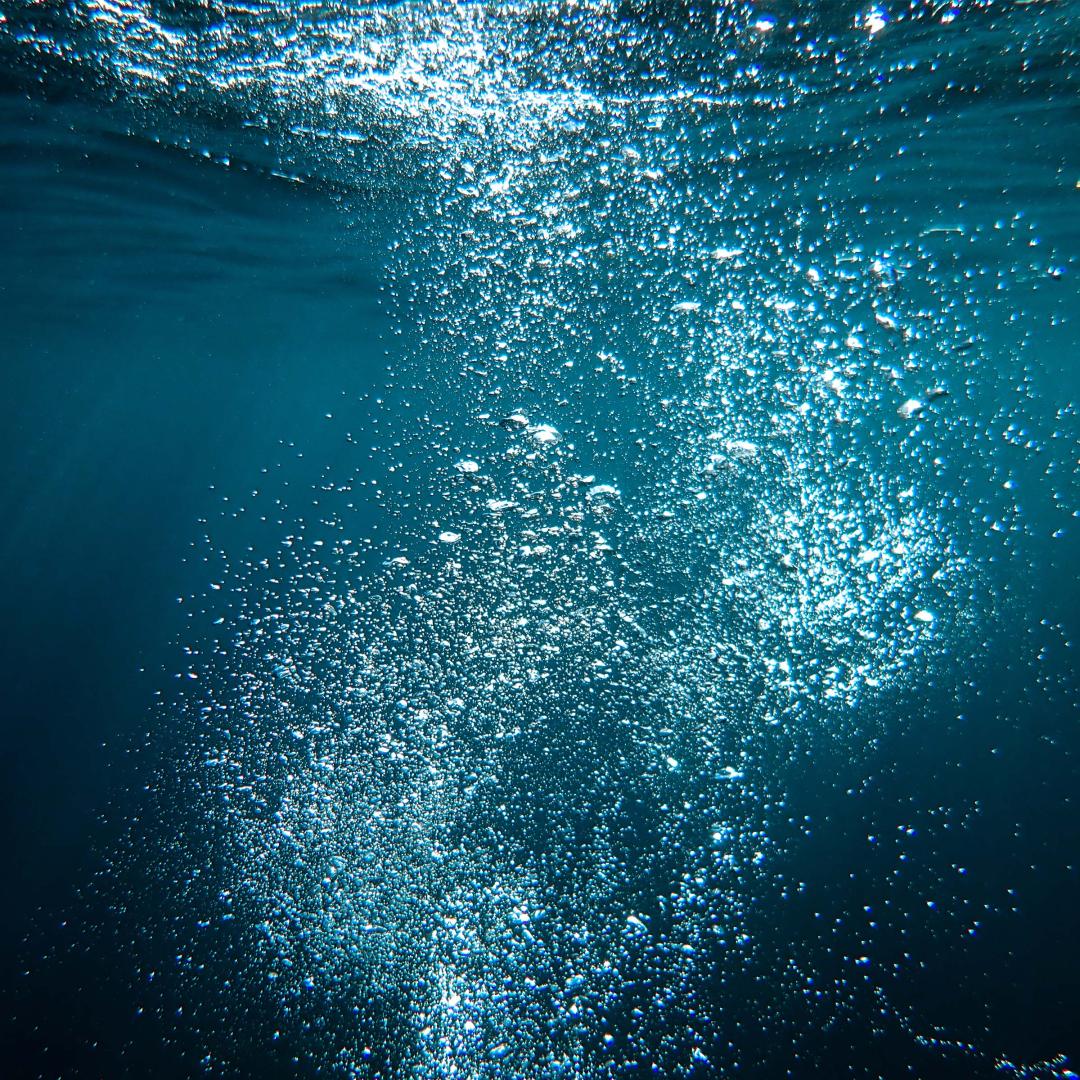
An image of bubbles rising in a water column
Coming Soon
Off
Summary

Deploy Artificial Upwelling uses pumps or other devices to bring deep, nutrient-rich seawater to the surface ocean to stimulate phytoplankton growth via photosynthesis, which removes CO₂ from seawater and allows additional uptake of CO₂ from the atmosphere. Some of the carbon removed can then be transported and stored long-term in deeper waters or at the seafloor. Advantages include the cooling of surface waters in regions where it is deployed, which could benefit some marine organisms, and the ability to couple it with aquaculture operations in nutrient-poor ocean regions. Disadvantages include unclear effectiveness and climate impact, potentially high costs, feasibility issues, and potentially high but unclear environmental risks of altering ecosystems both near and away from deployment sites. Therefore, Deploy Artificial Upwelling is “Not Recommended” as a climate solution.

Description for Social and Search
Deploy Artificial Upwelling is not ready for large-scale deployment and is therefore “Not Recommended” as a potential climate solution.
Overview

What is our assessment?

Based on our analysis, Deploy Artificial Upwelling is not ready for large-scale deployment, as it has not been tested or proven effective for carbon removal. Even if demonstrated to be effective, it comes with considerable feasibility and cost concerns, as well as potentially insurmountable and widespread environmental risks at scale, and is therefore “Not Recommended” as a potential climate solution.

Plausible Could it work? ?
Ready Is it ready? No
Evidence Are there data to evaluate it? No
Effective Does it consistently work? No
Impact Is it big enough to matter? ?
Risk Is it risky or harmful? Yes
Cost Is it cheap? No

What is it?

Artificial upwelling generally involves using pumps or other devices to bring deep, nutrient-rich ocean water to shallower depths, where it can increase phytoplankton growth via photosynthesis by reducing nutrient limitations. This can increase biological uptake of dissolved CO₂ from the ocean, allowing it to absorb additional CO₂ from the atmosphere. Carbon removed by phytoplankton can then be transported to the deep ocean, where it may be stored long-term. A variety of pumps and devices have been described (e.g., air-lift, gravity wave, air bubble, electrical, wave-based) for bringing deep ocean water to the surface. Additionally, some efforts are considering artificial downwelling, or the deliberate transport of surface water to depth, both with and without artificial upwelling, as a means of moving surface carbon to deep waters before it is degraded and potentially returned to the atmosphere as CO₂.  

Does it work?

The fundamental biology underlying artificial upwelling relies on well-understood principles for the natural upwelling of deep, nutrient-rich seawater to the surface ocean, which supports biological production and carbon removal. Some efforts have demonstrated the ability to bring deep ocean water to the surface. However, no proof-of-concept field trials have demonstrated net carbon removal, which depends not only on carbon uptake by phytoplankton and subsequent CO₂ exchange with the atmosphere in the surface ocean, but also on its long-term storage in the deep ocean; both aspects remain largely unexplored in the context of artificial upwelling. Model simulations have been conducted, most of which indicate that artificial upwelling is ineffective for large-scale carbon removal.     

Why are we excited?

Artificial upwelling may provide some environmental advantages. For example, deliberate upwelling of deep ocean water could lower the temperature of surface ocean water, benefiting some marine organisms. Artificial upwelling could also be coupled with aquaculture operations to improve nutrient availability in nutrient-poor regions.

Why are we concerned?

Artificial upwelling presents significant challenges in terms of effectiveness, feasibility, cost, and environmental risk. Large-scale deployment is estimated to potentially require millions to hundreds of millions of pumps. Even short-duration deployments have operationally failed. Moreover, for pumps that require external power, energy requirements could be substantial but remain unclear at this stage. Another current limitation of this technology is the engineering challenge of physically moving large volumes of seawater from depth. Costs remain highly uncertain but are expected to be high given these major operational needs. 

The effectiveness of artificial upwelling is also unclear. Upwelled deep water often contains high concentrations of dissolved inorganic carbon (and low oxygen concentrations), meaning that upwelling might actually result in more CO₂ being emitted into the atmosphere if upwelled waters release more carbon than is removed. Existing studies suggest that additional carbon removal in the surface ocean from artificial upwelling is unable to compensate for this release of deep water dissolved CO₂. Circulation and ocean mixing could further limit the durability of carbon removed, as some research suggests that more than 70% of carbon is returned to the surface ocean within 50 years. 

Finally, environmental effects are poorly constrained but potentially significant. This solution shares similar ecological risks as Deploy Ocean Fertilization, wherein manipulating nutrient availability to increase biological productivity can alter the function of marine ecosystems across large areas and in unclear ways. Artificial upwelling could also alter oxygen availability and exacerbate ocean acidification in some regions. By redistributing cold, dense water and altering the layering of ocean water, some models suggest that large-scale deployment might also increase ocean heat uptake and alter ocean circulation dynamics in ways that impact processes in the lower atmosphere, such as precipitation and temperature modulation. 

Solution in Action

Dutreuil, S., L. Bopp, and A. Tagliabue. (2009). Impact of enhanced vertical mixing on marine biogeochemistry: Lessons for geo-engineering and natural variability. Biogeosciences 6(5):901-912. Link to source: https://doi.org/10.5194/bg-6-901-2009

Fennel, K. (2008). Widespread implementation of controlled upwelling in the North Pacific Subtropical Gyre would counteract diazotrophic N2 fixation. Marine Ecology Progress Series 371:301-303. Link to source: https://doi.org/10.3354/meps07772

Jürchott, M., Oschlies, A., Mengis, N., Frenger, I., & Koeve, W. (2025). Direct cooling effect of artificial upwelling dominates over its marine carbon dioxide removal potential. Environmental Research Letters, 20(10), 104062. Link to source: https://doi.org/10.1088/1748-9326/ae0054

Keller, D. P., E. Y. Feng, and A. Oschlies. (2014). Potential climate engineering effectiveness and side effects during a high carbon dioxide-emission scenario. Nature Communications 5:3304. Link to source: https://doi.org/10.1038/ncomms4304

Löschke, S., Jürchott, M., Kemper, J., Sswat, M., Proelß, A., & Riebesell, U. (2025). CDRmare Insights: The six most important findings on artificial upwelling methods. CDRmareLink to source: https://oceanrep.geomar.de/id/eprint/63299/

National Academies of Sciences, Engineering, and Medicine. (2022). A Research Strategy for Ocean-based Carbon Dioxide Removal and Sequestration. Washington, DC: The National Academies Press. Link to source: https://doi.org/10.17226/2840

Oschlies, A., M. Pahlow, A. Yool, and R. J. Matear. (2010). Climate engineering by artificial ocean upwelling: Channelling the sorcerer’s apprentice. Geophysical Research Letters 37(4):L04701. Link to source: https://doi.org/10.1029/2009GL041961

Pan, Y. W., W. Fan, T.-H. Huang, S.-L. Wang, and C.-T. A. Chen. (2015). Evaluation of the sinks and sources of atmospheric CO2 by artificial upwelling. Science of the Total Environment 511:692-702. Link to source: https://doi.org/10.1016/j.scitotenv.2014.11.060

Pan, Y. W., W. Fan, D. H. Zhang, J. W. Chen, H. C. Huang, S. X. Liu, Z. P. Jiang, Y. N. Di, M. M. Tong, and Y. Chen. (2016). Research progress in artificial upwelling and its potential environmental effects. Science China Earth Sciences 59(2):236-248. Link to source: https://link.springer.com/article/10.1007/s11430-015-5195-2


Siegel, D. A., T. DeVries, S. Doney, and T. Bell. (2021). Assessing the sequestration time scales of some ocean-based carbon dioxide reduction strategies. Environmental Research Letters 16(10):104003. Link to source: https://doi.org/10.1088/1748-9326/ac0be0

Yool, A., J. G. Shepherd, H. L. Bryden, and A. Oschlies. (2009). Low efficiency of nutrient translocation for enhancing oceanic uptake of carbon dioxide. Journal of Geophysical Research: Oceans 114(8):C08009. Link to source: https://doi.org/10.1029/2008JC004792

Credits

Lead Fellow 

  • Christina Richardson, Ph.D.

Internal Reviewer

  • Christina Swanson, Ph.D.
Speed of Action
Caveats
Additional Benefits
Risks
Consensus
Trade-offs
Action Word
Deploy
Solution Title
Artificial Upwelling
Classification
Not Recommended
Updated Date

Deploy Ocean Fertilization

Image
Image
An aerial view of the Earth with colorful plankton blooms in the ocean off the coast of a landmass
Coming Soon
Off
Summary

Ocean fertilization uses nutrients to enhance photosynthesis by marine phytoplankton, which remove CO₂ and convert it into biomass that can sink to the deep ocean. This practice is a carbon removal technology that could achieve Gt-scale CO₂ removal annually. Potential advantages of ocean fertilization include localized reduction of ocean acidification and low costs. Disadvantages include high and uncertain risks of altering ecosystems both near dispersal sites and farther away, unclear but probably low effectiveness, potentially difficult operational upscaling, and challenges with monitoring and verification. We conclude that Deploy Ocean Fertilization is “Not Recommended” as a climate solution given its likely low effectiveness, technical challenges, and high environmental risks.

Description for Social and Search
Ocean fertilization uses nutrients to enhance photosynthesis by marine phytoplankton, which remove CO₂ and convert it into biomass that can sink to the deep ocean. We conclude that Deploy Ocean Fertilization is “Not Recommended” as a climate solution given its likely low effectiveness, technical challenges, and high environmental risks.
Overview

What is our assessment?

Based on the scientific uncertainties regarding its effectiveness and the potential serious environmental and social risks, we conclude that Deploy Ocean Fertilization is “Not Recommended” as a climate solution.

Plausible Could it work? Yes
Ready Is it ready? No
Evidence Are there data to evaluate it? Limited
Effective Does it consistently work? No
Impact Is it big enough to matter? Yes
Risk Is it risky or harmful? Yes
Cost Is it cheap? ?

What is it?

Ocean fertilization involves adding nutrients, such as iron, to seawater to promote photosynthesis in the surface ocean. As phytoplankton draw in seawater CO₂ and convert it into biomass, the ocean can absorb more CO₂ from the atmosphere. Some of the carbon eventually sinks or is transported to the deep sea or seafloor, where it can be stored for decades or centuries. Most ocean fertilization efforts are focused on adding iron because it is a micronutrient already required in small amounts for photosynthesis and because iron limitation is common in many global ocean regions. The Southern Ocean, in particular, has been highlighted as a potential target due to its widespread iron limitation.

Does it work?

As a carbon removal technique, ocean fertilization requires that the nutrient addition enhances phytoplankton uptake of seawater CO₂ and subsequent absorption of additional CO₂ from the atmosphere, and that the carbon is transported and durably stored in the deep sea. Research since the 1990s has shown that ocean iron fertilization does lead to increased seawater CO₂ uptake due to enhanced photosynthesis. However, the ultimate fate and durability of that carbon are less well understood. To be sequestered, carbon must be transported below water depths where annual mixing occurs, often considered to be ~1,000 m, but research suggests that, on average, 66% of carbon at these depths can be re-exposed to the atmosphere in less than 40 years. Ocean fertilization might also increase production of GHGs, such as nitrous oxide and methane, which could impact the effectiveness of this practice, although these effects remain understudied. In places like the Southern Ocean, sunlight and changes in the availability of other nutrients, such as silicate, can also limit the effects of iron addition. Additionally, nutrients such as iron can have high loss rates, up to 75%, after dispersal into seawater due to conversion into forms inaccessible to phytoplankton, potentially further reducing the effectiveness of nutrient addition.

Why are we excited?

If ocean fertilization were broadly deployed and functioned as intended, its global climate impact could reach 0.1–1.0 Gt CO₂ /yr. Ocean fertilization is expected to increase surface water pH, which could help temporarily reduce ocean acidification locally. However, some studies suggest this benefit will come at the cost of increased acidification of deeper ocean regions. While costs remain highly uncertain, estimates of ocean fertilization costs range between US$80/t CO₂ and US$457/t CO₂, suggesting this practice might also be relatively inexpensive compared to other marine CO₂ removal practices.

Why are we concerned?

Ocean fertilization poses several technical challenges, along with significant environmental and social risks. Tracking the amount of carbon sequestered from ocean fertilization is difficult because carbon export efficiencies – the amount of carbon produced in surface waters that makes its way to the deep sea – can be low and highly variable in time and space. Addressing this will require both field studies and models capable of capturing global and multi-decadal changes in carbon cycling due to fertilization, given the long time scales and large spatial areas involved. Implementing ocean fertilization at globally meaningful carbon removal levels could raise additional feasibility concerns, given the potential difficulty of dispersing sufficiently large quantities of nutrients across vast areas and the need for fertilization to be done continuously to minimize carbon returning to the atmosphere. 

Beyond these technical challenges, ocean fertilization also poses several potentially severe environmental risks. Enhancing primary production could disrupt existing nutrient pools in the ocean, reducing the nutrients available for ecosystems far from dispersal sites. Another consequence of ocean fertilization is that increased organic carbon supply can enhance microbial processes that consume dissolved oxygen, potentially impairing respiration in marine organisms and leading to mortality. Other unintended consequences of nutrient fertilization include promoting harmful algal blooms that can release toxins that negatively impact a wide array of life, from shellfish to marine mammals to humans. Ocean fertilization also carries significant social risks because global-scale modification of marine ecosystems is likely to create inequities in environmental and economic impacts.

Solution in Action

Aumont, O., & Bopp, L. (2006). Globalizing results from ocean in situ iron fertilization studies. Global Biogeochemical Cycles20(2). Link to source: https://doi.org/10.1029/2005GB002591

Bakker, D. C. (2004). Storage of carbon dioxide by greening of oceans. In C. B. Field & M. R. Raupach (Eds.), The global carbon cycle: Integrating humans, climate, and the natural world (pp. 453–469). Island Press.

Boettcher, M., Chai, F., Canothan, M., Cooley, S., Keller, D. P., Klinsky, S., ... & Webb, R. M. (2023). A code of conduct for marine carbon dioxide removal research. Aspen Institute. Link to source: https://www.aspeninstitute.org/publications/a-code-of-conduct-for-marine-carbon-dioxide-removal-research/

Boyd, P. W. (2008). Implications of large-scale iron fertilization of the oceans. Marine Ecology Progress Series, 364, 213–218. Link to source: https://www.int-res.com/articles/theme/m364p213.pdf

Boyd, P. W., Jickells, T., Law, C. S., Blain, S., Boyle, E. A., Buesseler, K. O., ... & Watson, A. J. (2007). Mesoscale iron enrichment experiments 1993-2005: synthesis and future directions. Science, 315(5812), 612–617. Link to source: https://doi.org/10.1126/science.1131669

Buesseler, K. O., & Boyd, P. W. (2003). Will ocean fertilization work?. Science, 300(5616), 67–68. Link to source: https://doi.org/10.1126/science.1082959

Cao, L., & Caldeira, K. (2010). Can ocean iron fertilization mitigate ocean acidification? A letter. Climatic Change99(1), 303–311. Link to source: https://link.springer.com/article/10.1007/s10584-010-9799-4

Emerson, D., Sofen, L. E., Michaud, A. B., Archer, S. D., & Twining, B. S. (2024). A cost model for ocean iron fertilization as a means of carbon dioxide removal that compares ship‐and aerial‐based delivery, and estimates verification costs. Earth's Future, 12(4), e2023EF003732. Link to source: https://doi.org/10.1029/2023EF003732

Gattuso, J. P., Williamson, P., Duarte, C. M., & Magnan, A. K. (2021). The potential for ocean-based climate action: negative emissions technologies and beyond. Frontiers in Climate, 2, 575716. Link to source: https://doi.org/10.3389/fclim.2020.575716

Harrison, D. P. (2013). A method for estimating the cost to sequester carbon dioxide by delivering iron to the ocean. International Journal of Global Warming, 5(3), 231–254. Link to source: https://doi.org/10.1504/IJGW.2013.055360

Harvey, J. (2020). 30 years: The iron hypothesis is no more. Moss Landing Marine Laboratories Blog. Link to source: https://mlml.sjsu.edu/2020/06/18/30-years-the-iron-hypothesis-is-no-more/

Jin, X., & Gruber, N. (2003). Offsetting the radiative benefit of ocean iron fertilization by enhancing N2O emissions. Geophysical Research Letters, 30(24). Link to source: https://doi.org/10.1029/2003GL018458

Marinov, I., Gnanadesikan, A., Toggweiler, J. R., & Sarmiento, J. L. (2006). The southern ocean biogeochemical divide. Nature, 441(7096), 964–967. Link to source: https://doi.org/10.1038/nature04883

Martin, J. H., Gordon, M., & Fitzwater, S. E. (1991). The case for iron. Limnology and Oceanography, 36(8), 1793–1802. Link to source: https://doi.org/10.4319/lo.1991.36.8.1793

National Academies of Sciences, Engineering, and Medicine. (2021). A research strategy for ocean-based carbon dioxide removal and sequestration. National Academies Press. Link to source: https://www.nationalacademies.org/our-work/a-research-strategy-for-ocean-carbon-dioxide-removal-and-sequestration

Ocean Visions. (2023). Microalgae cultivation. Link to source: https://oceanvisions.org/microalgae-cultivation/

Oschlies, A., Koeve, W., Rickels, W., & Rehdanz, K. (2010). Side effects and accounting aspects of hypothetical large-scale Southern Ocean iron fertilization. Biogeosciences7(12), 4017–4035. Link to source: https://bg.copernicus.org/articles/7/4017/2010/bg-7-4017-2010.pdf

Oschlies, A., Slomp, C., Altieri, A. H., Gallo, N. D., Grégoire, M., Isensee, K., Levin, L. A., & Wu, J. (2025). Potential impacts of marine carbon dioxide removal on ocean oxygen. Environmental Research Letters, 20(1), 011001. Link to source: https://doi.org/10.1088/1748-9326/ade0d4

Robinson, J., Popova, E. E., Yool, A., Srokosz, M., Lampitt, R. S., & Blundell, J. R. (2014). How deep is deep enough? Ocean iron fertilization and carbon sequestration in the Southern Ocean. Geophysical Research Letters, 41(7), 2489–2495. Link to source: https://doi.org/10.1002/2013GL058799

Sarmiento, J. L., Gruber, N., Brzezinski, M. A., & Dunne, J. P. (2004). High-latitude controls of thermocline nutrients and low latitude biological productivity. Nature, 427(6969), 56–60. Link to source: https://doi.org/10.1038/nature02127

Shepherd, J. G. (2009). Geoengineering the climate: science, governance and uncertainty. The Royal Society. Link to source: https://royalsociety.org/-/media/policy/publications/2009/8693.pdf

Strong, A., Chisholm, S., Miller, C., & Cullen, J. (2009). Ocean fertilization: time to move on. Nature461(7262), 347–348. Link to source: https://doi.org/10.1038/461347a

Tagliabue, A., Aumont, O., DeAth, R., Dunne, J. P., Dutkiewicz, S., Galbraith, E., Misumi, K., Moore, J. K., Ridgwell, A., Sherman, E., Stock, C., Vichi, M., Völker, C., & Yool, A. (2016). How well do global ocean biogeochemistry models simulate dissolved iron distributions?. Global Biogeochemical Cycles, 30(2), 149–174. Link to source: https://doi.org/10.1002/2015GB005289

Tagliabue, A., Twining, B. S., Barrier, N., Maury, O., Berger, M., & Bopp, L. (2023). Ocean iron fertilization may amplify climate change pressures on marine animal biomass for limited climate benefit. Global Change Biology, 29(18), 5250–5260. Link to source: https://doi.org/10.1111/gcb.16854

Trick, C. G., Bill, B. D., Cochlan, W. P., Wells, M. L., Trainer, V. L., & Pickell, L. D. (2010). Iron enrichment stimulates toxic diatom production in high-nitrate, low-chlorophyll areas. Proceedings of the National Academy of Sciences, 107(13), 5887–5892. Link to source: https://doi.org/10.1073/pnas.0910579107

Yoon, J. E., Yoo, K. C., Macdonald, A. M., Yoon, H. I., Park, K. T., Yang, E. J., Kim, H. C., Lee, J. I., Lee, M. K., Jung, J., Park, J., Lee, J., Kim, S., Kim, S. S., Kim, K., & Kim, I. N. (2018). Reviews and syntheses: Ocean iron fertilization experiments–past, present, and future looking to a future Korean Iron Fertilization Experiment in the Southern Ocean (KIFES) project. Biogeosciences, 15(19), 5847-5889. Link to source: https://doi.org/10.5194/bg-15-5847-2018

Credits

Lead Fellow

  • Christina Richardson, Ph.D.

Internal Reviewer

  • Christina Swanson, Ph.D.
Speed of Action
Caveats
Additional Benefits
Risks
Consensus
Trade-offs
Action Word
Deploy
Solution Title
Ocean Fertilization
Classification
Not Recommended
Updated Date

Boost Whale Restoration

Image
Image
Peatland
Coming Soon
On
Description for Social and Search
The Boost Whale Restoration solution is coming soon.
Solution in Action
Speed of Action
Caveats
Additional Benefits
Risks
Consensus
Trade-offs
Action Word
Boost
Solution Title
Whale Restoration
Classification
Worthwhile
Updated Date

Restore Large Herbivores

Image
Image
Bison grazing
Coming Soon
Off
Summary

Reintroducing or increasing the populations of large wild herbivores – such as bison, elephants, and moose – in natural and degraded ecosystems alters habitats, potentially leading to greater carbon removal from the atmosphere and increased carbon storage in vegetation and soils. However, evidence of its effectiveness is limited and mixed. Changes in carbon storage are difficult to measure and highly dependent on habitat condition, herbivore species, population density, and the presence of predators. That said, this solution has potential biodiversity benefits, even if its impact on carbon is minimal. Given the limited evidence and the highly context-dependent effectiveness, we categorize this solution as “Keep Watching.”

Description for Social and Search
Restore Large Herbivores is potential climate solution that we will "Keep Watching."
Overview

What is our assessment?

Based on our analysis, restoring large herbivores can provide climate benefits, but there is limited (and mixed) evidence on its carbon removal effectiveness across different ecosystem types. We will “Keep Watching” this potential climate solution.

Plausible Could it work? Yes
Ready Is it ready? Yes
Evidence Are there data to evaluate it? Limited
Effective Does it consistently work? No
Impact Is it big enough to matter? ?
Risk Is it risky or harmful? No
Cost Is it cheap? ?

What is it?

Restoring large (>45 kg) wild herbivores – such as bison, moose, and elephants – means reintroducing or increasing their populations on natural and degraded lands where they are absent. Large herbivores play an important role in carbon, water, and nutrient cycling and shape habitats for plants and animals. Herbivores alter the diversity and abundance of plant species, the habitat structure (such as forest vs. grassland), and plant productivity. These changes help mitigate climate change in three main ways. First, carbon storage can increase if plant productivity increases. Second, herbivores generally create more open landscapes that reflect more sunlight, which has a local cooling effect. Third, herbivores can reduce the risk of intense wildfires by creating more open ecosystems and reducing fuel loads. 

Does it work?

There is limited and mixed data on the solution's effectiveness. It is difficult to measure responses to a single change within a complex ecosystem and to account for differences across ecosystem types, pre-implementation levels of degradation, herbivore species, and herbivore density. Several examples illustrate these context-dependent nuances. Forest elephants prefer palatable tree species, favoring those with denser wood (more carbon), and disperse large fruits from larger, carbon-rich trees. In contrast, elephants in the savanna reduce carbon stocks by browsing branches and knocking over trees, creating a more open, grassy habitat that stores less carbon in vegetation. However, this may be offset if soil carbon builds up over time. In the boreal forest and tundra, caribou reduce tree and shrub cover (lowering carbon stocks), creating more open habitat. The open habitat reflects more sunlight than the forest (creating local cooling). Still, the exposed ground may warm enough to increase the rate of decay of organic matter in the soil (increasing CO₂ emissions). 

Where restoring herbivores increases carbon storage in the ecosystem, it complements or contributes to Protect ForestsRestore ForestsProtect Grasslands and Savannas, and Restore Grasslands and Savannas. Restoring large herbivores, such as manatees, in coastal and marine ecosystems could boost carbon storage, though there is even less evidence in marine ecosystems than in terrestrial ones. 

Why are we excited?

Restoring large herbivores is a key component of active or passive ecological restoration approaches to increase species diversity, restore natural processes, and aid species dispersal on natural and degraded lands. Where restoring herbivores increases carbon storage in the ecosystem, it complements the climate solutions for protecting and restoring ecosystems. Even when it has limited mitigation potential, the solution still has many biodiversity benefits. It helps protect and restore large herbivore species, ~60% of which are threatened with extinction. In addition, herbivory is an important ecological process in many ecosystems. In boreal and tundra regions, reintroducing caribou reduces the risk of intense wildfires in the forest and can limit the northward expansion of forests, which accelerates warming. Reintroducing bison to the Great Plains on grasslands previously grazed by cattle has little impact on the carbon storage. However, it increases plant species diversity, reduces methane emissions, and rebuilds cultural heritage for Indigenous people. This solution is becoming more common, particularly in Europe, but we are unable to estimate the potential global adoption and impact.

Why are we concerned?

The disadvantage of this solution for climate mitigation is that it can be expensive per metric ton of carbon, often has a limited impact, and, in many cases, can decrease carbon stocks. For example, reintroducing herbivores, such as elephants or deer, at high densities can reduce carbon stocks and limit further carbon sequestration. As a result, excluding or reducing herbivore abundance is a strategy in many habitat restorations. Changes in carbon storage, particularly in soils, are very difficult to measure and to attribute solely to the reintroduction of herbivores. 

Solution in Action

Araújo, M. B., & Alagador, D. (2024). Expanding European protected areas through rewilding. Current Biology34(17), 3931–3940.e5. Link to source: https://doi.org/10.1016/j.cub.2024.07.045

Atwood, T. B., Valentine, S. A., Hammill, E., McCauley, D. J., Madin, E. M. P., Beard, K. H., & Pearse, W. D. (2020). Herbivores at the highest risk of extinction among mammals, birds, and reptiles. Science Advances6(32), eabb8458. Link to source: https://doi.org/10.1126/sciadv.abb8458

Bello, C., Dent, D. H., & Crowther, T. W. (2024). Animals in restoration to achieve climate biodiversity targets. Trends in Ecology & Evolution39(11), 979–982. Link to source: https://doi.org/10.1016/j.tree.2024.08.011

Berzaghi, F., Bretagnolle, F., Durand-Bessart, C., & Blake, S. (2023). Megaherbivores modify forest structure and increase carbon stocks through multiple pathways. Proceedings of the National Academy of Sciences120(5), e2201832120. Link to source: https://doi.org/10.1073/pnas.2201832120

Berzaghi, F., Longo, M., Ciais, P., Blake, S., Bretagnolle, F., Vieira, S., Scaranello, M., Scarascia-Mugnozza, G., & Doughty, C. E. (2019). Carbon stocks in central African forests enhanced by elephant disturbance. Nature Geoscience12(9), 725–729. Link to source: https://doi.org/10.1038/s41561-019-0395-6

Burak, M. K., Ferraro, K. M., Orrick, K. D., Sommer, N. R., Ellis‐Soto, D., & Schmitz, O. J. (2024). Context matters when rewilding for climate change. People and Nature6(2), 507–518. Link to source: https://doi.org/10.1002/pan3.10609

Cromsigt, J. P. G. M., Kemp, Y. J. M., Rodriguez, E., & Kivit, H. (2018). Rewilding Europe’s large grazer community: How functionally diverse are the diets of European bison, cattle, and horses? Restoration Ecology26(5), 891–899. Link to source: https://doi.org/10.1111/rec.12661

Cromsigt, J. P. G. M., Te Beest, M., Kerley, G. I. H., Landman, M., Le Roux, E., & Smith, F. A. (2018). Trophic rewilding as a climate change mitigation strategy? Philosophical Transactions of the Royal Society B: Biological Sciences, 373(1761), 20170440. Link to source: https://doi.org/10.1098/rstb.2017.0440

Forbes, E. S., Cushman, J. H., Burkepile, D. E., Young, T. P., Klope, M., & Young, H. S. (2019). Synthesizing the effects of large, wild herbivore exclusion on ecosystem function. Functional Ecology33(9), 1597–1610. Link to source: https://doi.org/10.1111/1365-2435.13376

Galbraith, J. K., Mathison, G. W., Hudson, R. J., McAllister, T. A., & Cheng, K.-J. (1998). Intake, digestibility, methane and heat production in bison, wapiti and white-tailed deer. Canadian Journal of Animal Science78(4), 681–691. Link to source: https://doi.org/10.4141/A97-089

Gordon, C. E., Greve, M., Henley, M., Bedetti, A., Allin, P., & Svenning, J.-C. (2023). Elephant rewilding affects landscape openness and fauna habitat across a 92-year period. Ecological Applications33(3), e2810. Link to source: https://doi.org/10.1002/eap.2810

Hart, E. E., Haigh, A., & Ciuti, S. (2023). A scoping review of the scientific evidence base for rewilding in Europe. Biological Conservation285, 110243. Link to source: https://doi.org/10.1016/j.biocon.2023.110243

Kristensen, J. A., Svenning, J.-C., Georgiou, K., & Malhi, Y. (2022). Can large herbivores enhance ecosystem carbon persistence? Trends in Ecology & Evolution37(2), 117–128. Link to source: https://doi.org/10.1016/j.tree.2021.09.006

Malhi, Y., Lander, T., le Roux, E., Stevens, N., Macias-Fauria, M., Wedding, L., Girardin, C., Kristensen, J. Å., Sandom, C. J., Evans, T. D., Svenning, J.-C., & Canney, S. (2022). The role of large wild animals in climate change mitigation and adaptation. Current Biology32(4), R181–R196. Link to source: https://doi.org/10.1016/j.cub.2022.01.041

Pereira, H. M., Hines, J., & Fernández, N. (2024). Conservation: Meeting biodiversity targets through rewilding. Current Biology34(20), R918–R921. Link to source: https://doi.org/10.1016/j.cub.2024.08.052

Perino, A., Pereira, H. M., Navarro, L. M., Fernández, N., Bullock, J. M., Ceaușu, S., Cortés-Avizanda, A., van Klink, R., Kuemmerle, T., Lomba, A., Pe’er, G., Plieninger, T., Rey Benayas, J. M., Sandom, C. J., Svenning, J.-C., & Wheeler, H. C. (2019). Rewilding complex ecosystems. Science364(6438), eaav5570. Link to source: https://doi.org/10.1126/science.aav5570

Pringle, R. M., Abraham, J. O., Anderson, T. M., Coverdale, T. C., Davies, A. B., Dutton, C. L., Gaylard, A., Goheen, J. R., Holdo, R. M., Hutchinson, M. C., Kimuyu, D. M., Long, R. A., Subalusky, A. L., & Veldhuis, M. P. (2023). Impacts of large herbivores on terrestrial ecosystems. Current Biology33(11), R584–R610. Link to source: https://doi.org/10.1016/j.cub.2023.04.024

Ratajczak, Z., Collins, S. L., Blair, J. M., Koerner, S. E., Louthan, A. M., Smith, M. D., Taylor, J. H., & Nippert, J. B. (2022). Reintroducing bison results in long-running and resilient increases in grassland diversity. Proceedings of the National Academy of Sciences119(36), e2210433119. Link to source: https://doi.org/10.1073/pnas.2210433119

Ripple, W. J., Newsome, T. M., Wolf, C., Dirzo, R., Everatt, K. T., Galetti, M., Hayward, M. W., Kerley, G. I. H., Levi, T., Lindsey, P. A., Macdonald, D. W., Malhi, Y., Painter, L. E., Sandom, C. J., Terborgh, J., & Van Valkenburgh, B. (2015). Collapse of the world’s largest herbivores. Science Advances1(4), e1400103. Link to source: https://doi.org/10.1126/sciadv.1400103

Schmitz, O. J., Sylvén, M., Atwood, T. B., Bakker, E. S., Berzaghi, F., Brodie, J. F., Cromsigt, J. P. G. M., Davies, A. B., Leroux, S. J., Schepers, F. J., Smith, F. A., Stark, S., Svenning, J.-C., Tilker, A., & Ylänne, H. (2023). Trophic rewilding can expand natural climate solutions. Nature Climate Change13(4), 324–333. Link to source: https://doi.org/10.1038/s41558-023-01631-6

Svenning, J.-C., Pedersen, P. B. M., Donlan, C. J., Ejrnæs, R., Faurby, S., Galetti, M., Hansen, D. M., Sandel, B., Sandom, C. J., Terborgh, J. W., & Vera, F. W. M. (2016). Science for a wilder Anthropocene: Synthesis and future directions for trophic rewilding research. Proceedings of the National Academy of Sciences113(4), 898–906. Link to source: https://doi.org/10.1073/pnas.1502556112

Tanentzap, A. J., Daykin, G., Fennell, T., Hearne, E., Wilkinson, M., Carey, P. D., Woodcock, B. A., & Heard, M. S. (2023). Trade-offs between passive and trophic rewilding for biodiversity and ecosystem functioning. Biological Conservation281, 110005. Link to source: https://doi.org/10.1016/j.biocon.2023.110005

Trepel, J., le Roux, E., Abraham, A. J., Buitenwerf, R., Kamp, J., Kristensen, J. A., Tietje, M., Lundgren, E. J., & Svenning, J.-C. (2024). Meta-analysis shows that wild large herbivores shape ecosystem properties and promote spatial heterogeneity. Nature Ecology & Evolution8(4), 705–716. Link to source: https://doi.org/10.1038/s41559-024-02327-6

Villar, N. (2023). Trophic cascades help restore vegetation. Science382(6670), 516–517. Link to source: https://doi.org/10.1126/science.adl0578

Wolf, J., Asrar, G. R., & West, T. O. (2017). Revised methane emissions factors and spatially distributed annual carbon fluxes for global livestock. Carbon Balance and Management12(1), 16. Link to source: https://doi.org/10.1186/s13021-017-0084-y

Zhou, G., Zhou, X., He, Y., Shao, J., Hu, Z., Liu, R., Zhou, H., & Hosseinibai, S. (2017). Grazing intensity significantly affects belowground carbon and nitrogen cycling in grassland ecosystems: A meta-analysis. Global Change Biology23(3), 1167–1179. Link to source: https://doi.org/10.1111/gcb.13431

Credits

Lead Fellow

Paul C. West, Ph.D.

Internal Reviewer

Christina Swanson, Ph.D.

Emily Cassidy


Speed of Action
Caveats
Additional Benefits
Risks
Consensus
Trade-offs
Action Word
Restore
Solution Title
Large Herbivores
Classification
Keep Watching
Updated Date
Subscribe to Nature-Based Carbon Removal