Sector Color
177EA1

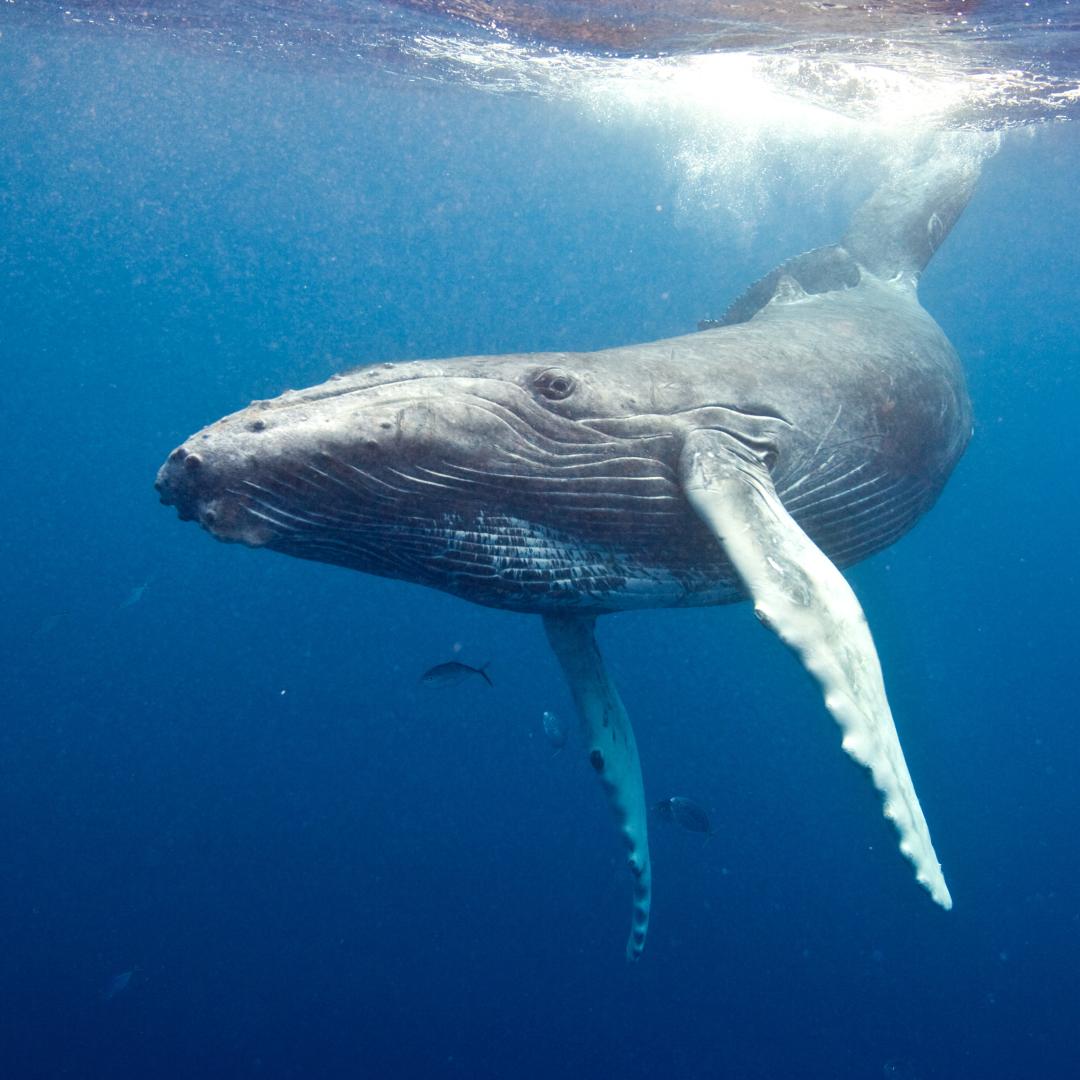
Boost Whale Restoration

Image
Image
Peatland
Coming Soon
On
Description for Social and Search
The Boost Whale Restoration solution is coming soon.
Solution in Action
Speed of Action
Caveats
Additional Benefits
Risks
Consensus
Trade-offs
Action Word
Boost
Solution Title
Whale Restoration
Classification
Worthwhile
Updated Date
Coming Soon Label
Coming Soon

Restore Large Herbivores

Image
Image
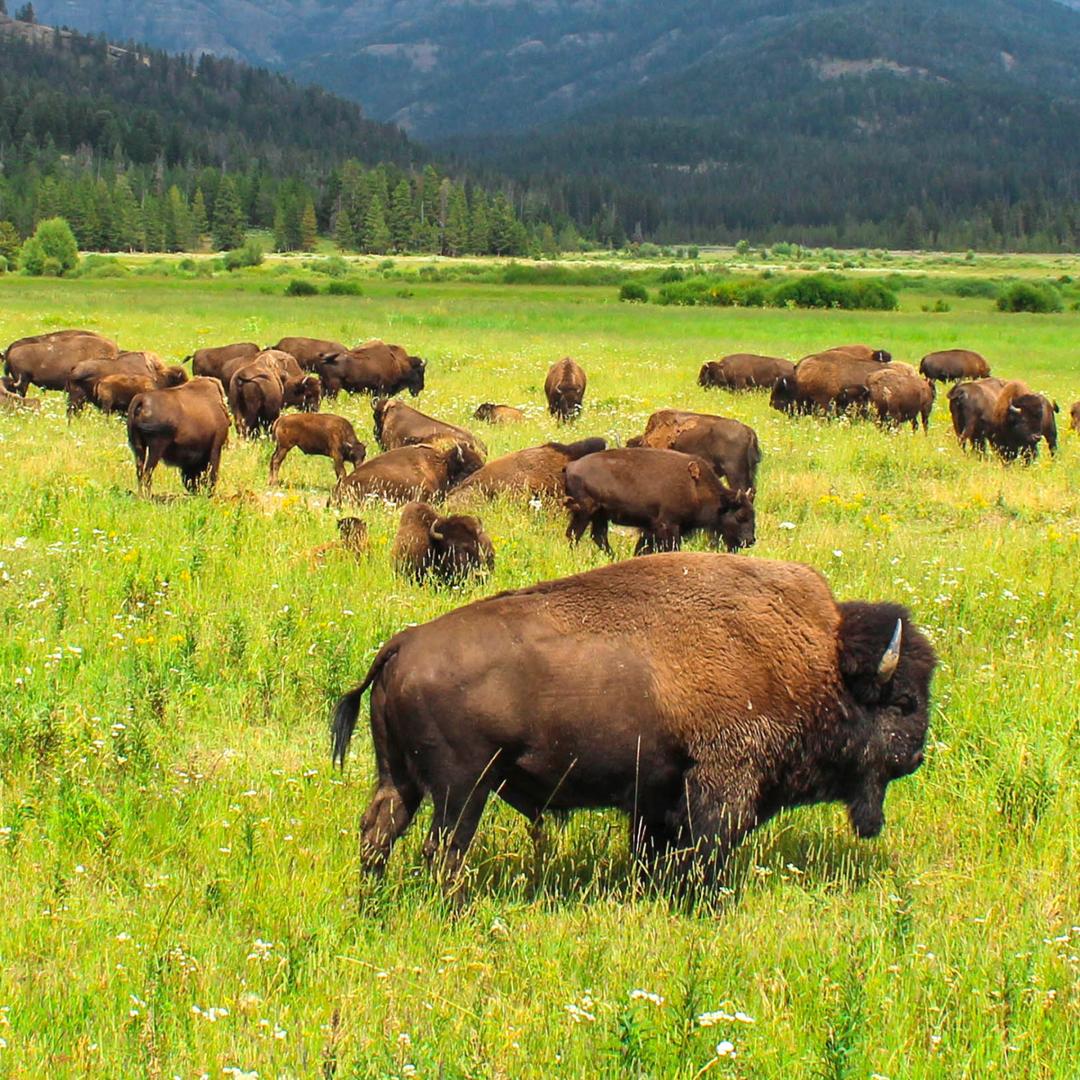
Bison grazing
Coming Soon
Off
Summary

Reintroducing or increasing the populations of large wild herbivores – such as bison, elephants, and moose – in natural and degraded ecosystems alters habitats, potentially leading to greater carbon removal from the atmosphere and increased carbon storage in vegetation and soils. However, evidence of its effectiveness is limited and mixed. Changes in carbon storage are difficult to measure and highly dependent on habitat condition, herbivore species, population density, and the presence of predators. That said, this solution has potential biodiversity benefits, even if its impact on carbon is minimal. Given the limited evidence and the highly context-dependent effectiveness, we categorize this solution as “Keep Watching.”

Description for Social and Search
Restore Large Herbivores is a potential climate solution that we will "Keep Watching."
Overview

What is our assessment?

Based on our analysis, restoring large herbivores can provide climate benefits, but there is limited (and mixed) evidence on its carbon removal effectiveness across different ecosystem types. We will “Keep Watching” this potential climate solution.

Plausible Could it work? Yes
Ready Is it ready? Yes
Evidence Are there data to evaluate it? Limited
Effective Does it consistently work? No
Impact Is it big enough to matter? ?
Risk Is it risky or harmful? No
Cost Is it cheap? ?

What is it?

Restoring large (>45 kg) wild herbivores – such as bison, moose, and elephants – means reintroducing or increasing their populations on natural and degraded lands where they are absent. Large herbivores play an important role in carbon, water, and nutrient cycling and shape habitats for plants and animals. Herbivores alter the diversity and abundance of plant species, the habitat structure (such as forest vs. grassland), and plant productivity. These changes help mitigate climate change in three main ways. First, carbon storage can increase if plant productivity increases. Second, herbivores generally create more open landscapes that reflect more sunlight, which has a local cooling effect. Third, herbivores can reduce the risk of intense wildfires by creating more open ecosystems and reducing fuel loads. 

Does it work?

There is limited and mixed data on the solution's effectiveness. It is difficult to measure responses to a single change within a complex ecosystem and to account for differences across ecosystem types, pre-implementation levels of degradation, herbivore species, and herbivore density. Several examples illustrate these context-dependent nuances. Forest elephants prefer palatable tree species, favoring those with denser wood (more carbon), and disperse large fruits from larger, carbon-rich trees. In contrast, elephants in the savanna reduce carbon stocks by browsing branches and knocking over trees, creating a more open, grassy habitat that stores less carbon in vegetation. However, this may be offset if soil carbon builds up over time. In the boreal forest and tundra, caribou reduce tree and shrub cover (lowering carbon stocks), creating more open habitat. The open habitat reflects more sunlight than the forest (creating local cooling). Still, the exposed ground may warm enough to increase the rate of decay of organic matter in the soil (increasing CO₂ emissions). 

Where restoring herbivores increases carbon storage in the ecosystem, it complements or contributes to Protect ForestsRestore ForestsProtect Grasslands and Savannas, and Restore Grasslands and Savannas. Restoring large herbivores, such as manatees, in coastal and marine ecosystems could boost carbon storage, though there is even less evidence in marine ecosystems than in terrestrial ones. 

Why are we excited?

Restoring large herbivores is a key component of active or passive ecological restoration approaches to increase species diversity, restore natural processes, and aid species dispersal on natural and degraded lands. Where restoring herbivores increases carbon storage in the ecosystem, it complements the climate solutions for protecting and restoring ecosystems. Even when it has limited mitigation potential, the solution still has many biodiversity benefits. It helps protect and restore large herbivore species, ~60% of which are threatened with extinction. In addition, herbivory is an important ecological process in many ecosystems. In boreal and tundra regions, reintroducing caribou reduces the risk of intense wildfires in the forest and can limit the northward expansion of forests, which accelerates warming. Reintroducing bison to the Great Plains on grasslands previously grazed by cattle has little impact on the carbon storage. However, it increases plant species diversity, reduces methane emissions, and rebuilds cultural heritage for Indigenous people. This solution is becoming more common, particularly in Europe, but we are unable to estimate the potential global adoption and impact.

Why are we concerned?

The disadvantage of this solution for climate mitigation is that it can be expensive per metric ton of carbon, often has a limited impact, and, in many cases, can decrease carbon stocks. For example, reintroducing herbivores, such as elephants or deer, at high densities can reduce carbon stocks and limit further carbon sequestration. As a result, excluding or reducing herbivore abundance is a strategy in many habitat restorations. Changes in carbon storage, particularly in soils, are very difficult to measure and to attribute solely to the reintroduction of herbivores. 

Solution in Action

References

Araújo, M. B., & Alagador, D. (2024). Expanding European protected areas through rewilding. Current Biology34(17), 3931–3940.e5. Link to source: https://doi.org/10.1016/j.cub.2024.07.045

Atwood, T. B., Valentine, S. A., Hammill, E., McCauley, D. J., Madin, E. M. P., Beard, K. H., & Pearse, W. D. (2020). Herbivores at the highest risk of extinction among mammals, birds, and reptiles. Science Advances6(32), eabb8458. Link to source: https://doi.org/10.1126/sciadv.abb8458

Bello, C., Dent, D. H., & Crowther, T. W. (2024). Animals in restoration to achieve climate biodiversity targets. Trends in Ecology & Evolution39(11), 979–982. Link to source: https://doi.org/10.1016/j.tree.2024.08.011

Berzaghi, F., Bretagnolle, F., Durand-Bessart, C., & Blake, S. (2023). Megaherbivores modify forest structure and increase carbon stocks through multiple pathways. Proceedings of the National Academy of Sciences120(5), e2201832120. Link to source: https://doi.org/10.1073/pnas.2201832120

Berzaghi, F., Longo, M., Ciais, P., Blake, S., Bretagnolle, F., Vieira, S., Scaranello, M., Scarascia-Mugnozza, G., & Doughty, C. E. (2019). Carbon stocks in central African forests enhanced by elephant disturbance. Nature Geoscience12(9), 725–729. Link to source: https://doi.org/10.1038/s41561-019-0395-6

Burak, M. K., Ferraro, K. M., Orrick, K. D., Sommer, N. R., Ellis‐Soto, D., & Schmitz, O. J. (2024). Context matters when rewilding for climate change. People and Nature6(2), 507–518. Link to source: https://doi.org/10.1002/pan3.10609

Cromsigt, J. P. G. M., Kemp, Y. J. M., Rodriguez, E., & Kivit, H. (2018). Rewilding Europe’s large grazer community: How functionally diverse are the diets of European bison, cattle, and horses? Restoration Ecology26(5), 891–899. Link to source: https://doi.org/10.1111/rec.12661

Cromsigt, J. P. G. M., Te Beest, M., Kerley, G. I. H., Landman, M., Le Roux, E., & Smith, F. A. (2018). Trophic rewilding as a climate change mitigation strategy? Philosophical Transactions of the Royal Society B: Biological Sciences, 373(1761), 20170440. Link to source: https://doi.org/10.1098/rstb.2017.0440

Forbes, E. S., Cushman, J. H., Burkepile, D. E., Young, T. P., Klope, M., & Young, H. S. (2019). Synthesizing the effects of large, wild herbivore exclusion on ecosystem function. Functional Ecology33(9), 1597–1610. Link to source: https://doi.org/10.1111/1365-2435.13376

Galbraith, J. K., Mathison, G. W., Hudson, R. J., McAllister, T. A., & Cheng, K.-J. (1998). Intake, digestibility, methane and heat production in bison, wapiti and white-tailed deer. Canadian Journal of Animal Science78(4), 681–691. Link to source: https://doi.org/10.4141/A97-089

Gordon, C. E., Greve, M., Henley, M., Bedetti, A., Allin, P., & Svenning, J.-C. (2023). Elephant rewilding affects landscape openness and fauna habitat across a 92-year period. Ecological Applications33(3), e2810. Link to source: https://doi.org/10.1002/eap.2810

Hart, E. E., Haigh, A., & Ciuti, S. (2023). A scoping review of the scientific evidence base for rewilding in Europe. Biological Conservation285, 110243. Link to source: https://doi.org/10.1016/j.biocon.2023.110243

Kristensen, J. A., Svenning, J.-C., Georgiou, K., & Malhi, Y. (2022). Can large herbivores enhance ecosystem carbon persistence? Trends in Ecology & Evolution37(2), 117–128. Link to source: https://doi.org/10.1016/j.tree.2021.09.006

Malhi, Y., Lander, T., le Roux, E., Stevens, N., Macias-Fauria, M., Wedding, L., Girardin, C., Kristensen, J. Å., Sandom, C. J., Evans, T. D., Svenning, J.-C., & Canney, S. (2022). The role of large wild animals in climate change mitigation and adaptation. Current Biology32(4), R181–R196. Link to source: https://doi.org/10.1016/j.cub.2022.01.041

Pereira, H. M., Hines, J., & Fernández, N. (2024). Conservation: Meeting biodiversity targets through rewilding. Current Biology34(20), R918–R921. Link to source: https://doi.org/10.1016/j.cub.2024.08.052

Perino, A., Pereira, H. M., Navarro, L. M., Fernández, N., Bullock, J. M., Ceaușu, S., Cortés-Avizanda, A., van Klink, R., Kuemmerle, T., Lomba, A., Pe’er, G., Plieninger, T., Rey Benayas, J. M., Sandom, C. J., Svenning, J.-C., & Wheeler, H. C. (2019). Rewilding complex ecosystems. Science364(6438), eaav5570. Link to source: https://doi.org/10.1126/science.aav5570

Pringle, R. M., Abraham, J. O., Anderson, T. M., Coverdale, T. C., Davies, A. B., Dutton, C. L., Gaylard, A., Goheen, J. R., Holdo, R. M., Hutchinson, M. C., Kimuyu, D. M., Long, R. A., Subalusky, A. L., & Veldhuis, M. P. (2023). Impacts of large herbivores on terrestrial ecosystems. Current Biology33(11), R584–R610. Link to source: https://doi.org/10.1016/j.cub.2023.04.024

Ratajczak, Z., Collins, S. L., Blair, J. M., Koerner, S. E., Louthan, A. M., Smith, M. D., Taylor, J. H., & Nippert, J. B. (2022). Reintroducing bison results in long-running and resilient increases in grassland diversity. Proceedings of the National Academy of Sciences119(36), e2210433119. Link to source: https://doi.org/10.1073/pnas.2210433119

Ripple, W. J., Newsome, T. M., Wolf, C., Dirzo, R., Everatt, K. T., Galetti, M., Hayward, M. W., Kerley, G. I. H., Levi, T., Lindsey, P. A., Macdonald, D. W., Malhi, Y., Painter, L. E., Sandom, C. J., Terborgh, J., & Van Valkenburgh, B. (2015). Collapse of the world’s largest herbivores. Science Advances1(4), e1400103. Link to source: https://doi.org/10.1126/sciadv.1400103

Schmitz, O. J., Sylvén, M., Atwood, T. B., Bakker, E. S., Berzaghi, F., Brodie, J. F., Cromsigt, J. P. G. M., Davies, A. B., Leroux, S. J., Schepers, F. J., Smith, F. A., Stark, S., Svenning, J.-C., Tilker, A., & Ylänne, H. (2023). Trophic rewilding can expand natural climate solutions. Nature Climate Change13(4), 324–333. Link to source: https://doi.org/10.1038/s41558-023-01631-6

Svenning, J.-C., Pedersen, P. B. M., Donlan, C. J., Ejrnæs, R., Faurby, S., Galetti, M., Hansen, D. M., Sandel, B., Sandom, C. J., Terborgh, J. W., & Vera, F. W. M. (2016). Science for a wilder Anthropocene: Synthesis and future directions for trophic rewilding research. Proceedings of the National Academy of Sciences113(4), 898–906. Link to source: https://doi.org/10.1073/pnas.1502556112

Tanentzap, A. J., Daykin, G., Fennell, T., Hearne, E., Wilkinson, M., Carey, P. D., Woodcock, B. A., & Heard, M. S. (2023). Trade-offs between passive and trophic rewilding for biodiversity and ecosystem functioning. Biological Conservation281, 110005. Link to source: https://doi.org/10.1016/j.biocon.2023.110005

Trepel, J., le Roux, E., Abraham, A. J., Buitenwerf, R., Kamp, J., Kristensen, J. A., Tietje, M., Lundgren, E. J., & Svenning, J.-C. (2024). Meta-analysis shows that wild large herbivores shape ecosystem properties and promote spatial heterogeneity. Nature Ecology & Evolution8(4), 705–716. Link to source: https://doi.org/10.1038/s41559-024-02327-6

Villar, N. (2023). Trophic cascades help restore vegetation. Science382(6670), 516–517. Link to source: https://doi.org/10.1126/science.adl0578

Wolf, J., Asrar, G. R., & West, T. O. (2017). Revised methane emissions factors and spatially distributed annual carbon fluxes for global livestock. Carbon Balance and Management12(1), 16. Link to source: https://doi.org/10.1186/s13021-017-0084-y

Zhou, G., Zhou, X., He, Y., Shao, J., Hu, Z., Liu, R., Zhou, H., & Hosseinibai, S. (2017). Grazing intensity significantly affects belowground carbon and nitrogen cycling in grassland ecosystems: A meta-analysis. Global Change Biology23(3), 1167–1179. Link to source: https://doi.org/10.1111/gcb.13431

Credits

Lead Fellow

Paul C. West, Ph.D.

Internal Reviewer

Christina Swanson, Ph.D.

Emily Cassidy


Speed of Action
Caveats
Additional Benefits
Risks
Consensus
Trade-offs
Action Word
Restore
Solution Title
Large Herbivores
Classification
Keep Watching
Updated Date
Coming Soon Label
Coming Soon

Deploy Ocean Electrochemistry

Image
Image
An image of the ocean
Coming Soon
Off
Summary

Deploy Ocean Electrochemistry uses electricity to separate seawater into acidic and basic solutions, which can be used to remove CO₂ in different ways. Acidic streams can be used to alter the chemistry of seawater, either by releasing dissolved CO₂ for capture and long-term storage or by weathering alkaline rocks and increasing seawater alkalinity. Basic streams can be added to seawater to increase its alkalinity, which enables the ocean to absorb additional atmospheric CO₂, or to shift carbon from dissolved to solid mineral form. Advantages of this carbon removal solution include its potential to co-produce usable products, such as hydrogen gas, and to leverage existing coastal infrastructure, including desalination plants, in some areas. Disadvantages include uncertain effectiveness, scalability, and environmental impacts, likely high costs, and potentially high energy and infrastructure needs. Currently, we will “Keep Watching” this solution.

Description for Social and Search
Ocean electrochemistry appears to be a plausible climate solution, but costs, environmental impacts, and effectiveness indicate a need for further research.
Overview

What is our assessment?

Overall, ocean electrochemical approaches appear plausible, but their costs, environmental impacts, and effectiveness require further research. Furthermore, improving energy efficiency and increasing the use of low-carbon electricity supply will be critical to its viability as a large-scale global climate solution. Therefore, we will “Keep Watching” this solution.

Plausible Could it work? Yes
Ready Is it ready? No
Evidence Are there data to evaluate it? Limited
Effective Does it consistently work? ?
Impact Is it big enough to matter? Yes
Risk Is it risky or harmful? ?
Cost Is it cheap? No

What is it?

Ocean electrochemical systems pass an electrical current through seawater to drive chemical reactions that redistribute major ions, creating separate acidic and basic solutions that can be used for CO₂ removal in different ways. One common method uses an acidic solution to lower the pH of seawater. This shifts the chemical balance in the carbonate system toward dissolved CO₂, which then degasses from the water and can be captured for long-term storage in underground geologic reservoirs. Another variation uses the basic solution to increase the alkalinity of seawater, which shifts the carbonate system so that the ocean can absorb and remove more atmospheric CO₂, similar to Deploy Ocean Alkalinity Enhancement. Several other variations exist, including designs that use the acidic stream to weather alkaline rocks and the basic stream to precipitate carbon-containing minerals, such as carbonates. These systems can operate as closed systems, in which carbon removal is achieved with on-site infrastructure, as open systems, which rely on effluent discharge into the ocean to complete carbon removal, or as combination hybrid systems that combine both approaches.

Does it work?

The fundamental chemistry and physics underlying electrochemical methods for shifting chemical reactions and ionic balances in solutions are well understood and sound. These approaches are already used on a large scale in industrial applications, such as the chlor-alkali process for producing sodium hydroxide and chlorine. However, using electrochemistry to remove CO₂ from seawater remains in early development. Studies show that CO₂ can be removed using these methods, and some pilot projects are currently underway; however, the effectiveness and costs of approaches, particularly when energy requirements are factored in, are still uncertain. In addition, the effectiveness of ocean electrochemistry for CO₂ removal also depends on how the removed CO₂ is stored. For example, to have a beneficial climate impact, CO₂ degassed from acidified seawater must be permanently stored deep underground rather than used as a chemical precursor for the manufacture of other products or for enhanced oil recovery, both of which create additional GHG emissions.

Why are we excited?

Ocean electrochemical systems for CO₂ removal offer several potential advantages, including useful co-products, opportunities to leverage existing infrastructure, and possible environmental benefits. Some electrochemical variations generate beneficial co-products, such as hydrogen gas, which could help offset costs and displace external fossil fuel energy demand. Some designs can also be coupled with existing brine streams in desalination or industry to leverage both infrastructure and waste feedstocks. In other cases, seawater itself serves as an abundant natural feedstock for these electrochemical processes. In some variants, environmental benefits may include local reductions in ocean acidification, which may benefit some marine organisms. Additionally, monitoring and verification of electrochemical variations using closed-system approaches may be more straightforward compared to other marine carbon dioxide removal (mCDR) approaches that require tracking carbon across large regions and depths of the ocean. 

Why are we concerned?

Ocean electrochemical approaches for carbon removal present several challenges with respect to cost, effectiveness, and potential environmental impacts. Many designs are energy-intensive, require substantial infrastructure, and need large volumes of seawater. Their effectiveness and overall climate impact will depend on access to low-carbon electricity and accurate accounting of full life cycle energy use, since use of fossil-based electricity could offset much of the CO₂ removal benefits. Costs are unclear but are largely estimated to be well above US$500/t CO₂ for many variations. Additionally, some approaches, such as those that aim for carbonate mineral precipitation, do not inherently yield net CO₂ removal unless the alkalinity used for mineral formation is replenished, which can be costly. 

If the electrochemical approach relies on capturing CO₂ from seawater, geologic storage will be required to dispose of the degassed CO₂. Furthermore, some co-products of electrochemical approaches, such as acidic brines or chlorine gas, could exceed viable market demand at large scales and may require waste disposal or the development of technologies to reduce or eliminate their production. Finally, for open-system electrochemistry variants that rely on effluent interactions in the ocean to complete carbon removal, carbon accounting will likely need to extend far beyond the facility itself, making monitoring and verification of carbon removal similarly complex to other marine carbon dioxide removal approaches. 

Environmental impacts are not well understood but will depend on the specific electrochemical approach. Approaches that discharge chemically altered effluent into the ocean could impact marine organisms near discharge points, with ecosystem responses that remain highly uncertain. Large-scale pumping of seawater could affect marine organisms through entrainment and other intake impacts, due to the large volume of influent needed for these approaches at scale. When these approaches require alkaline rocks, they raise concerns about the potential effects of mining, similar to Deploy Ocean Alkalinity Enhancement and Enhanced Rock Weathering.

Solution in Action

References

Antoniuk-Pablant, A. (2025, March 31). Marine carbon dioxide removal: What it is and how it works. Carbon Direct. Link to source: https://www.carbon-direct.com/insights/marine-carbon-dioxide-removal-what-it-is-and-how-it-works

Eisaman, M. D., Parajuly, K., Tuganov, A., Eldershaw, C., Chang, N., & Littau, K. A. (2012). CO2 extraction from seawater using bipolar membrane electrodialysis. Energy & Environmental Science, 5(6), 7346-7352. Link to source: https://doi.org/10.1039/C2EE03393C

Eisaman, M. D. (2024). Pathways for marine carbon dioxide removal using electrochemical acid-base generation. Frontiers in Climate, 6, 1349604. Link to source: https://doi.org/10.3389/fclim.2024.1349604

Jones, K., Hemery, L., Ward, N., Regier, P., Ringham, M., & Eisaman, M. (2024). Biological response of eelgrass epifauna, Taylor’s sea hare (Phyllaplysia taylori) and eelgrass isopod (Idotea resecata), to elevated ocean alkalinity. EGUsphere, 2024, 1-25. Link to source: https://doi.org/10.5194/egusphere-2024-972

Khangaonkar, T., Carter, B. R., Premathilake, L., Yun, S. K., Ni, W., Stoll, M. M., Ward, N. D., Hemery, L. G., Torres Sanchez, C., Subban, C. V., Ringham, M. C., Eisaman, M. D., Pelman, T., Tallam, K., & Feely, R. A. (2024). Mixing and dilution controls on marine CO2 removal using alkalinity enhancement. Environmental Research Letters, 19(10), 104039. Link to source: https://doi.org/10.1088/1748-9326/ad7521

National Academies of Sciences, Engineering, and Medicine. (2021). A research strategy for ocean-based carbon dioxide removal and sequestrationLink to source: https://www.nationalacademies.org/our-work/a-research-strategy-for-ocean-carbon-dioxide-removal-and-sequestration

Ocean Visions. (2025). Electrochemical ocean carbon dioxide removalLink to source: https://oceanvisions.org/electrochemical-ocean-capture/ 

Credits

Lead Fellow

  • Christina Richardson, Ph.D.

Internal Reviewer

  • Christina Swanson, Ph.D.
Speed of Action
Caveats
Additional Benefits
Risks
Consensus
Trade-offs
Action Word
Deploy
Solution Title
Ocean Electrochemistry
Classification
Keep Watching
Updated Date
Coming Soon Label
Coming Soon

Deploy Ocean Alkalinity Enhancement

Image
Image
An image of the frothy crest of a wave
Coming Soon
Off
Summary

Ocean alkalinity enhancement (OAE) increases the ocean’s natural ability to remove CO₂ from the air by increasing the alkalinity of ocean water. This carbon removal practice could be globally effective at removing CO₂ at the gigaton level annually and is currently being tested in field studies. Advantages of OAE include its ability to mitigate ocean acidification where it’s deployed and its scalability. Disadvantages include uncertainties surrounding OAEs’ global effectiveness and feasibility, potential impacts on marine life and humans, complex monitoring needed for verification, and potentially high costs, all of which need to be more closely studied. We will “Keep Watching” Deploy Ocean Alkalinity Enhancement until the technology advances and its risks, costs, and benefits become clearer.

Description for Social and Search
Ocean alkalinity enhancement (OAE) increases the ocean’s natural ability to remove CO₂ from the air by increasing the alkalinity of ocean water. This carbon removal practice could be globally effective at removing CO₂ at the gigaton level annually and is currently being tested in field studies.
Overview

What is our assessment?

Based on our analysis, OAE could be a promising carbon removal technique, but it is not ready for large-scale deployment until the risks, costs, and effectiveness become clearer. We will “Keep Watching” this potential climate solution.

Plausible Could it work? Yes
Ready Is it ready? No
Evidence Are there data to evaluate it? Limited
Effective Does it consistently work? No
Impact Is it big enough to matter? Yes
Risk Is it risky or harmful? ?
Cost Is it cheap? ?

What is it?

OAE is the practice of adding alkalinity to seawater to increase the ocean’s ability to remove atmospheric CO₂. The addition of alkalinity through OAE mimics the natural process of weathering, or the physical and chemical breakdown of rocks. Rock weathering on land produces alkaline substances that eventually flow into the ocean through rivers and groundwater. This natural supply of alkalinity reduces ocean acidity, which affects the distribution of various carbon forms in the ocean. As alkalinity increases, CO₂ dissolved in seawater shifts toward more stable carbon forms, like bicarbonate and carbonate ions, that cannot exchange with air. This allows the ocean to remove more gaseous CO₂ from the atmosphere because the ocean and the atmosphere maintain a balance of CO₂ through gas movement at the sea surface. Most of the dissolved carbon in the ocean is bicarbonate and carbonate ions, which can persist in seawater for thousands of years. Under natural conditions, the ocean removes nearly 0.5 Gt of CO₂ annually. OAE generally relies on dissolving large amounts of ground-up rocks, either directly in the ocean or indirectly in water that is added to the ocean, to increase alkalinity and remove CO₂. This practice typically requires mining for alkaline rocks, though alkaline materials can also be sourced from waste by-products of other industries (e.g., steel slag, mine tailings) or commercially through human-made substances.

Does it work?

The science behind OAE is theoretically sound, and OAE is expected to result in durable storage over long time periods (>100 years). At scale, OAE could potentially remove over 1 Gt CO₂ /yr, but additional lab and field-based studies are needed to understand whether this approach is effective and safe. The majority of our understanding of OAE comes from models and laboratory experiments. However, when crushed minerals have been dispersed in field studies, the dissolution has not always occurred as expected. Several large-scale experimental trials are currently underway or planned, which will produce real-world data and inform monitoring and verification tactics needed to help refine and guide future implementation. These tests will also provide critical information on any ecological or community impacts. Various ways of implementing OAE are being developed, including ship-based dispersal, shoreline-based systems, and other approaches that leverage existing industrial waste streams or combine with other marine carbon dioxide removal (mCDR) techniques, such as electrochemical alkalinity generation.

Why are we excited?

OAE removes CO₂ from the atmosphere and stores it in the ocean as bicarbonate and carbonate ions, which are stable over long time periods. This means the CO₂ would be durably stored from the atmosphere for thousands of years. OAE could be scaled globally and can also mitigate local ocean acidification, a growing issue that threatens a range of marine ecosystems. Indeed, adding alkalinity to seawater has already been shown to mitigate ocean acidification in some coral reefs. Mitigating ocean acidification could also benefit fisheries and aquaculture, highlighting the potential for OAE to provide additional local benefits beyond carbon removal.

Why are we concerned?

Several technical, environmental, and social concerns surround OAE. The effectiveness could be limited by real-world conditions that either transport the alkaline materials away from the ocean’s surface before CO₂ can be absorbed or result in unexpected chemical reactions or biological uptake of the added alkalinity. Measuring and verifying the amount of CO₂ permanently stored using OAE is also challenging and will rely on a combination of field data and complex numerical models, which will require significant effort to collect and develop. Beyond these technical challenges, OAE poses potential environmental risks on land and in the ocean. On land, OAE could require an expansion of mining that rivals the cement industry, which could have negative environmental impacts on human and ecosystem health. In the ocean, increased alkalinity and the potential release of metals from the source rocks could negatively affect some marine life, but our understanding of the effects on individual species and food webs is limited. OAE could also interfere with existing ocean uses (e.g., fisheries, recreation) in some places and could have other unintended consequences as well. For instance, research suggests that OAE reduces natural alkalinity production in some ocean areas. In addition, OAE faces several social challenges. To be successful, mCDR approaches, like OAE, will require rapid, meaningful, and just community engagement. Public concerns about OAE have already led to a pilot project cancellation, highlighting the importance of public perception for OAE feasibility. It is also unclear if OAE can be scaled globally at reasonable costs, with current estimates highly variable but generally over US$100/t CO₂. Lastly, acquiring and dispersing sufficient alkaline materials could be challenging at scale, particularly because some materials are currently energy-intensive to source, transport, and/or produce.

Solution in Action

References

Albright, R., Caldeira, L., Hosfelt, J., Kwiatkowski, L., Maclaren, J. K., Mason, B. M., ... & Caldeira, K. (2016). Reversal of ocean acidification enhances net coral reef calcification. Nature, 531(7594), 362-365. Link to source: https://doi.org/10.1038/nature17155 

Bach, L. T. (2024). The additionality problem of ocean alkalinity enhancement. Biogeosciences, 21(1), 261-277. Link to source: https://doi.org/10.5194/bg-21-261-2024 

Bach, L. T., Gill, S. J., Rickaby, R. E., Gore, S., & Renforth, P. (2019). CO2 removal with enhanced weathering and ocean alkalinity enhancement: potential risks and co-benefits for marine pelagic ecosystems. Frontiers in Climate, 1, 7. Link to source: https://doi.org/10.3389/fclim.2019.00007 

Bertram, C., & Merk, C. (2020). Public perceptions of ocean-based carbon dioxide removal: the nature-engineering divide?. Frontiers in Climate, 2, 594194. Link to source: https://doi.org/10.3389/fclim.2020.594194 

(carbon)plan. Introduction to Ocean Alkalinity Enhancement: Link to source: https://carbonplan.org/research/oae-efficiency-explainer 

Carbon Herald. (2025, April 11). Planetary Technologies cancels its mCDR project in Cornwall. Link to source: https://carbonherald.com/planetary-technologies-cancels-its-mcdr-project-in-cornwall/ 

Doney, S. C., Wolfe, W. H., McKee, D. C., & Fuhrman, J. G. (2024). The science, engineering, and validation of marine carbon dioxide removal and storage. Annual Review of Marine Science, 17. Link to source: https://doi.org/10.1146/annurev-marine-040523-014702 

Doney, S. C., Fabry, V. J., Feely, R. A., & Kleypas, J. A. (2009). Ocean acidification: the other CO2 problem. Annual Review of Marine Science, 1(1), 169-192. Link to source: https://doi.org/10.1146/annurev.marine.010908.163834

EGU Biogeosciences. Special Issue: Environmental impacts of ocean alkalinity enhancement. Link to source: https://bg.copernicus.org/articles/special_issue1246.html 

Gattuso, J. P., Magnan, A. K., Bopp, L., Cheung, W. W., Duarte, C. M., Hinkel, J., ... & Rau, G. H. (2018). Ocean solutions to address climate change and its effects on marine ecosystems. Frontiers in Marine Science, 5, 337. Link to source: https://doi.org/10.3389/fmars.2018.00337 

Oschlies, A., Stevenson, A., Bach, L. T., Fennel, K., Rickaby, R. E. M., Satterfield, T., Webb, R., and Gattuso, J.-P. (2023). Guide to Best Practices in Ocean Alkalinity Enhancement Research, Copernicus Publications, State of the Planet, 2-oae2023. Link to source: https://doi.org/10.5194/sp-2-oae2023 

Hartmann, J., Suitner, N., Lim, C., Schneider, J., Marín-Samper, L., Arístegui, J., ... & Riebesell, U. (2022). Stability of alkalinity in ocean alkalinity enhancement (OAE) approaches–consequences for durability of CO 2 storage. Biogeosciences Discussions, 2022, 1-29. Link to source: https://doi.org/10.5194/bg-20-781-2023

Hartmann, J., West, A. J., Renforth, P., Köhler, P., De La Rocha, C. L., Wolf‐Gladrow, D. A., ... & Scheffran, J. (2013). Enhanced chemical weathering as a geoengineering strategy to reduce atmospheric carbon dioxide, supply nutrients, and mitigate ocean acidification. Reviews of Geophysics, 51(2), 113-149. Link to source: https://doi.org/10.1002/rog.20004

He, J., & Tyka, M. D. (2023). Limits and CO2 equilibration of near-coast alkalinity enhancement. Biogeosciences, 20(1), 27-43. Link to source: https://doi.org/10.5194/bg-20-27-2023

National Academies of Sciences, Engineering, and Medicine; Division on Earth and Life Studies; Ocean Studies Board; Committee on A Research Strategy for Ocean-based Carbon Dioxide Removal and Sequestration. A Research Strategy for Ocean-based Carbon Dioxide Removal and Sequestration. Washington (DC): National Academies Press (US); 2021 Dec 8. 7, Ocean Alkalinity Enhancement. Link to source: https://www.ncbi.nlm.nih.gov/books/NBK580052/ 

Ocean Visions: Link to source: https://oceanvisions.org/ocean-alkalinity-enhancement/ 

Palmiéri, J. and Yool, A., 2024. Global‐scale evaluation of coastal ocean alkalinity enhancement in a fully coupled Earth system model. Earth's Future, 12(3), p.e2023EF004018. Link to source: https://doi.org/10.1029/2023EF004018

Renforth, P., & Henderson, G. (2017). Assessing ocean alkalinity for carbon sequestration. Reviews of Geophysics, 55(3), 636-674. Link to source: https://doi.org/10.1002/2016RG000533 

Satterfield, T., Nawaz, S., & Boettcher, M. (2023). Social considerations and best practices for engaging publics on ocean alkalinity enhancement. State of the Planet Discussions, 2023, 1-39. Link to source: https://doi.org/10.5194/sp-2-oae2023-11-2023 

Webb, R. M., Silverman-Roati, K., & Gerrard, M. B. (2021). Removing Carbon Dioxide Through Ocean Alkalinity Enhancement: Legal Challenges and Opportunities. Link to source: https://scholarship.law.columbia.edu/faculty_scholarship/2981 

Zhuang, W., Zhu, T., Li, F., Queiroz, H. M., Yan, Q., Zhao, X., & Liu, J. (2025). Potential Environmental Impacts and Management Strategies for Metal Release during Ocean Alkalinity Enhancement Using Olivine. Environmental Science & Technology, 59(2), 1091-1099. Link to source: https://doi.org/10.1021/acs.est.4c10705 

Zhou, M., Tyka, M. D., Ho, D. T., Yankovsky, E., Bachman, S., Nicholas, T., ... & Long, M. C. (2024). Mapping the global variation in the efficiency of ocean alkalinity enhancement for carbon dioxide removal. Nature Climate Change, 15(1), 59-65. Link to source: https://doi.org/10.1038/s41558-024-02179-9 

Credits

Lead Fellow 

  • Christina Richardson, Ph.D.

Internal Reviewer

  • Christina Swanson, Ph.D.
Speed of Action
Caveats
Additional Benefits
Risks
Consensus
Trade-offs
Action Word
Deploy
Solution Title
Ocean Alkalinity Enhancement
Classification
Keep Watching
Updated Date
Coming Soon Label
Coming Soon

Deploy Enhanced Rock Weathering

Image
Image
Boreal grassland
Coming Soon
Off
Summary

Enhanced rock weathering removes CO₂ from the air by accelerating the natural chemical and physical breakdown of certain rocks. This carbon removal practice can be effective and has been deployed in pilot and small-scale commercial projects. Advantages include its reliance on a natural process (geological weathering), its potential for large-scale deployment on land or in the ocean, and its potential to improve soil conditions and crop yields. Disadvantages of enhanced rock weathering include unpredictable effectiveness for carbon removal, complex monitoring and measurement requirements, and high costs. We will “Keep Watching” Enhanced Rock Weathering, but it is not yet ready for large-scale deployment as a climate solution.

Description for Social and Search
Enhanced rock weathering removes CO₂ from the air by accelerating the natural chemical and physical breakdown of certain rocks. This carbon removal practice can be effective and has been deployed in pilot and small-scale commercial projects.
Overview

What is our assessment?

Based on our analysis, enhanced rock weathering is a promising carbon removal technique, but it is not ready for large-scale deployment. We will “Keep Watching” this potential climate solution.

Plausible Could it work? Yes
Ready Is it ready? Yes
Evidence Are there data to evaluate it? Yes
Effective Does it consistently work? No
Impact Is it big enough to matter? Yes
Risk Is it risky or harmful? No
Cost Is it cheap? No

What is it?

Enhanced rock weathering is a practice that removes CO from the atmosphere by accelerating the natural chemical and physical breakdown, or weathering, of rocks such as basalt, olivine, or limestone. This is typically achieved by crushing the rocks into dust or sand-sized particles to increase their surface area before applying them to croplands, beaches, or directly into the ocean, the latter of which is also a form of carbon removal known as ocean alkalinity enhancement. During weathering, the rock surface chemically reacts with atmospheric CO that is dissolved in rain or ocean water. This reaction produces bicarbonate ions containing the carbon from the captured CO and positively charged cations, such as magnesium or calcium, depending on the type of rock. For land-based enhanced rock weathering, the bicarbonate needs to be flushed out to the ocean, where it is stable and can be securely stored for thousands of years.  

Does it work?

The basic idea of enhanced rock weathering is scientifically and geologically sound. Its effectiveness in converting atmospheric CO into bicarbonate has been demonstrated in laboratory and field trials for several rock types and application sites. There are currently numerous research and demonstration projects underway. More than a dozen companies are selling enhanced rock weathering-based carbon removal credits, with nearly 10,000 t CO reported to have been removed as of early 2025.

Why are we excited?

Enhanced rock weathering has several features that improve the likelihood that it can be scaled up to remove and store globally meaningful amounts of atmospheric CO (>0.1 Gt CO₂/yr). Since enhanced rock weathering utilizes a natural process – mineralization – it does not need to be combined with other technologies to capture CO from the air or durably store it. Moreover, it does not require external energy for the carbon capture and storage process, although it does use energy and generate emissions from the mining, crushing, transport, and deployment of the crushed rock. Suitable rock types, such as basalt, which is widely used in construction, paving, and concrete, are common and often locally available. Globally, there are large areas of land and ocean surface on which enhanced rock weathering could be deployed, including on croplands where current agricultural practices often already include regular application of soil amendments. A recent study suggested that extensive deployment of enhanced rock weathering on U.S. agricultural lands could sequester 0.16–0.30 Gt CO₂/yr by 2050. Other studies have shown that the application of crushed rock to croplands for enhanced rock weathering can improve soil pH, provide essential soil nutrients, and improve crop yields.

Why are we concerned?

There are numerous challenges for enhanced rock weathering, as well as potential risks and adverse impacts from its large-scale deployment. Numerous studies on both land- and ocean-based enhanced rock weathering have shown that the amounts of atmospheric CO converted into bicarbonate are highly variable, dependent on rock type, soil type, application rates, and other variables, and are therefore difficult to accurately predict and model. This makes measurement, reporting, and verification of the amount of CO captured and stored, which is essential for the carbon market, reliant on extensive and expensive field measurements and customized models. There are also concerns about the harmful impacts of heavy metals, like nickel or chromium, that can be released during weathering, as well as other ecological impacts and environmental justice concerns, particularly for crushed rock deployed on beaches or in the ocean. Finally, costs for deployment and the purchase of enhanced rock weathering-based carbon credits are relatively high (>US$200–US$500/t CO removed) and will likely remain high if verification continues to depend on large numbers of field measurements and carbon removal cannot be easily modeled. There is a general consensus in the scientific community that the current knowledge base is not sufficient to reliably or accurately quantify the CO captured and stored by most land- or ocean-based enhanced rock weathering deployments.

References

Bach, L. T., Gill, S. J., Rickaby, R. A., Gore, S., & Renforth, P. (2019). CO2 removal with enhanced weathering and ocean alkalinity enhancement: potential risks and co-benefits for marine pelagic ecosystems. Frontiers in Climate 1(7). Link to source: https://doi.org/10.3389/fclim.2019.00007 

Beerling, D. J. et al. (2025). Transforming US agriculture for carbon removal with enhanced weathering. Nature 638, 425–434. Link to source: https://doi.org/10.1038/s41586-024-08429-2 

CDR.fyi. Leaderboards. (2025). Leaderboards. Retrieved from CDR.fyi website: Link to source: https://www.cdr.fyi/leaderboards 

Cong, L., Lu, S., Jiang, P., Zheng, T., Yu, Z., & Lü, X. (2024). CO₂ sequestration and soil improvement in enhanced rock weathering: A review from an experimental perspective. Greenhouse. Gas. Sci. Technol., 14, 1122–1138. Link to source: https://doi.org/10.1002/ghg.2313 

Geerts, L. J., Hylén, A., & Meysman, F. J. (2025). Review and syntheses: Ocean alkalinity enhancement and carbon dioxide removal through marine enhanced rock weathering using olivine. Biogeosciences 22(2), 355–384. Link to source: https://doi.org/10.5194/bg-22-355-2025 

Höglund, R. (2025). Buyers of Enhanced Rock Weathering credits need to ask for the right type of MRV. Milkywire. Link to source: https://www.milkywire.com/articles/buyers-of-enhanced-rock-weathering-credits-need-to-ask-for-the-right-type-of-mrv 

Jagoutz, O. & Krol, A. (2023). Enhanced Rock Weathering. MIT Climate Portal. Link to source: https://climate.mit.edu/explainers/enhanced-rock-weathering 

Jeswani, H. K., Saharudin, D. M., & Azapagic, A. (2022). Environmental sustainability of negative emissions technologies: A review. Sustainable Production and Consumption 33, 608–635. Link to source: https://doi.org/10.1016/j.spc.2022.06.028 

Jones, W., Bower, G., Pastorek, N., King, B., Larsen, J., Houser, T., Dasari, N., & McCusker, K. (2024). The landscape of carbon dioxide removal and US policies to scale solutions. Link to source: https://rhg.com/wp-content/uploads/2024/04/The-Landscape-of-Carbon-Dioxide-Removal-and-US-Policies-to-Scale-Solutions.pdf 

Morris, A. (2024). Testing limestone’s ability to capture carbon from air. Northwestern Now. Link to source: https://news.northwestern.edu/stories/2024/11/northwestern-scientists-test-limestones-ability-to-capture-carbon-from-air/ 

OPIS & CDR.fyi. (2025). Bridging the gap: Durable CDR market pricing survey. Link to source: https://www.cdr.fyi/reports/pricing-survey-jan-2025.pdf 

Taylor, L. et al. (2016). Enhanced weathering strategies for stabilizing climate and averting ocean acidification. Nature Climate Change 6, 402–406. Link to source: https://doi.org/10.1038/nclimate2882 

Credits

Lead Fellow

  • Christina Swanson, Ph.D.

Internal Reviewer

  • Sarah Gleeson, Ph.D.
Speed of Action
Caveats
Additional Benefits
Risks
Consensus
Trade-offs
Action Word
Deploy
Solution Title
Enhanced Rock Weathering
Classification
Keep Watching
Updated Date
Coming Soon Label
Coming Soon

Deploy Biomass Crops on Degraded Land

Image
Image
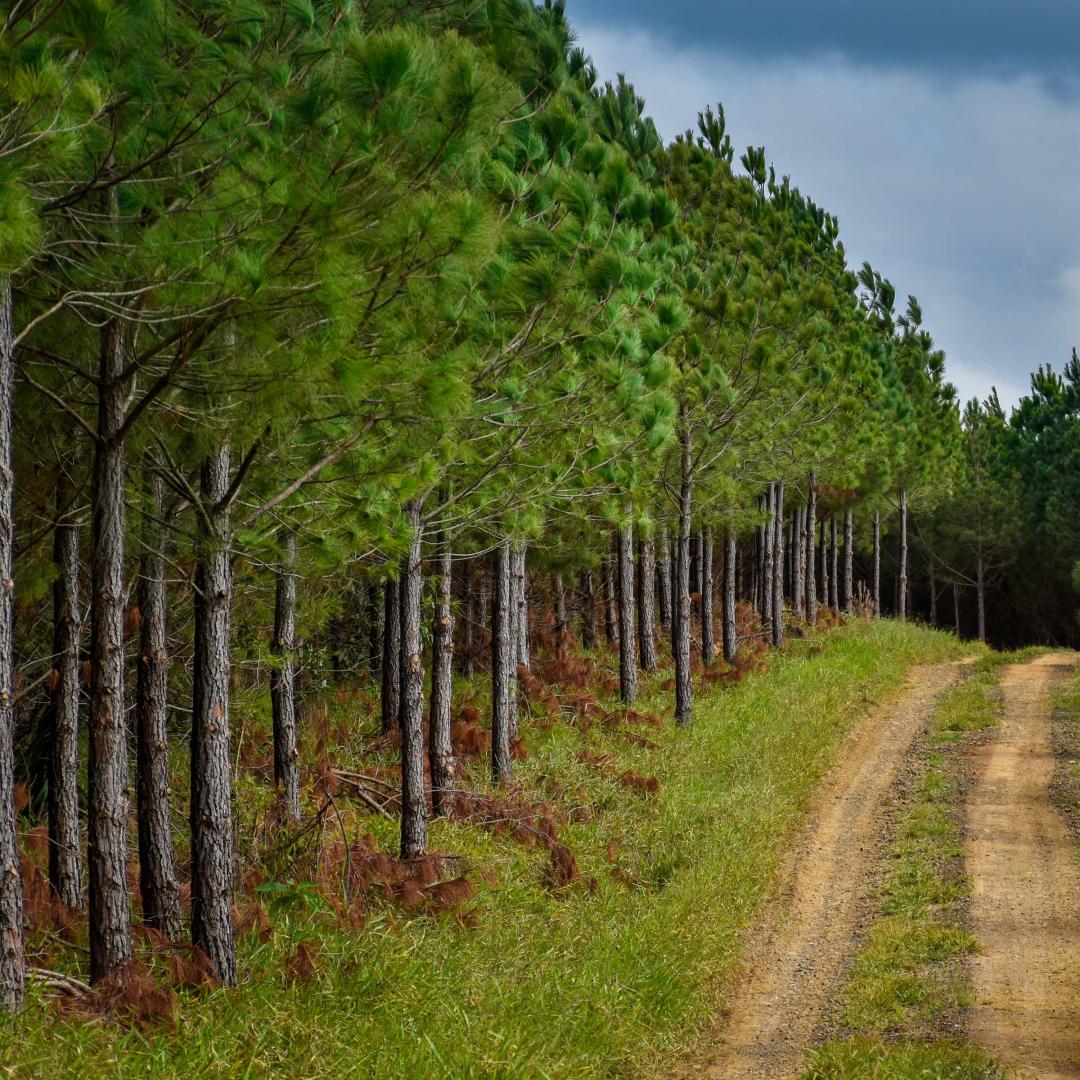
Tree plantation
Coming Soon
On
Description for Social and Search
The Deploy Biomass Crops on Degraded Land solution is coming soon.

Methods and Supporting Data

Action Word
Deploy
Solution Title
Biomass Crops on Degraded Land
Classification
Highly Recommended
Updated Date
Coming Soon Label
Coming Soon

Deploy Silvopasture

Image
Image
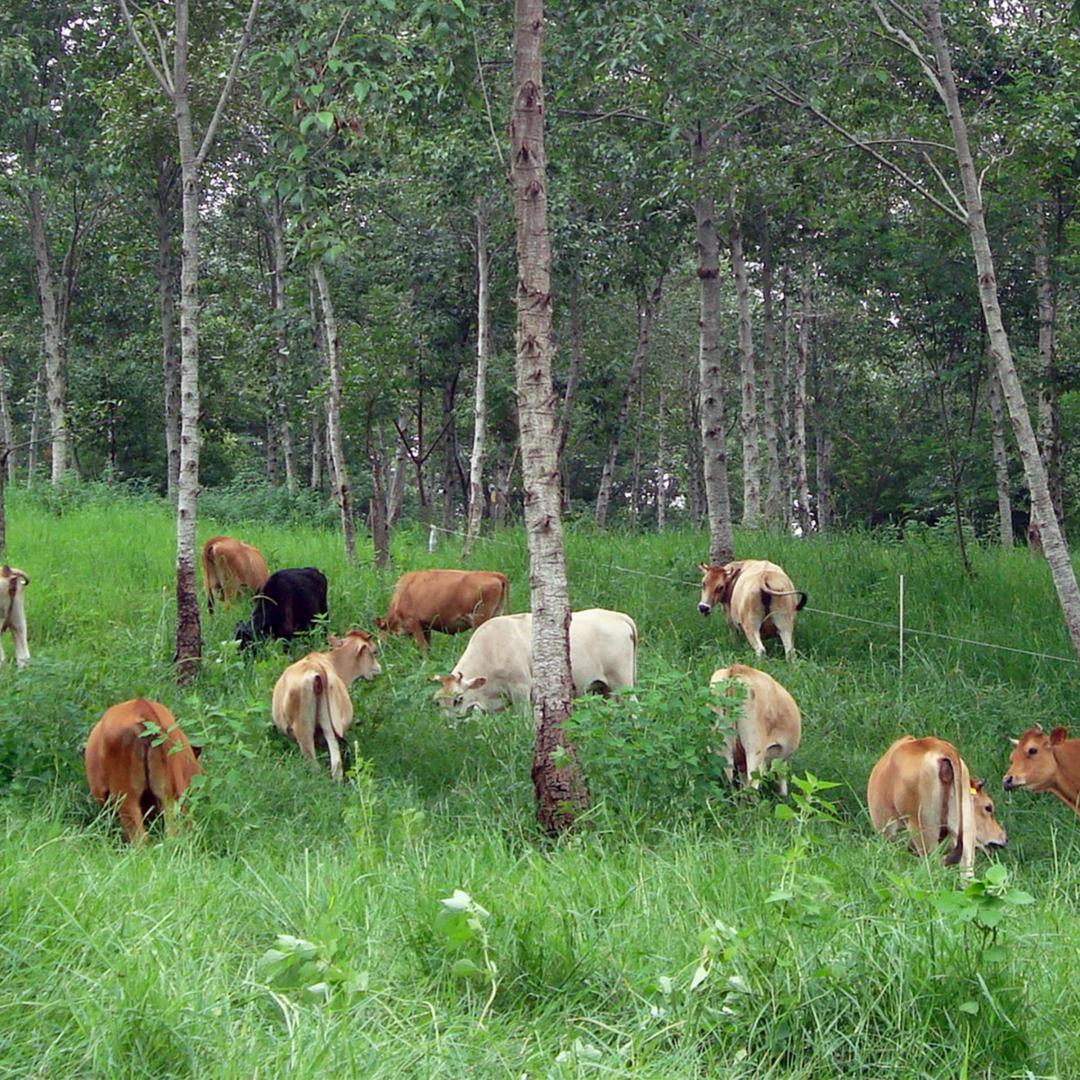
Cows grazing among trees
Coming Soon
Off
Summary

We define the Deploy Silvopasture solution as the adoption of agroforestry practices that add trees to grazing land, including planted pastures and natural rangelands. (Note that this solution does NOT include creating forested grazing land by thinning existing forest; this is a form of deforestation and not desirable in terms of climate.) Some silvopastures are open savannas, while others are dense, mature tree plantations. The trees may be planted or managed to naturally regenerate. Some silvopasture systems have been practiced for thousands of years, while others have been recently developed. All provide shade to livestock; in some systems, the trees feed livestock, produce timber or crops for human consumption, or provide other benefits. New adoption is estimated from the 2025 level as a baseline which is therefore set to zero.

Description for Social and Search
Deploy Silvopasture is a Highly Recommended climate solution. It enhances carbon storage by adding trees to grazing land, including planted pastures and natural rangelands.
Overview

In silvopasture systems, trees are planted or allowed to naturally regenerate on existing pasture or rangeland. Tree density is generally less than forest, allowing sunlight through for good forage growth.

Silvopasture has multiple climate impacts, though carbon sequestration is the only one which has been thoroughly studied across all climates and sub-practices.

Silvopasture sequesters carbon in both soil and woody biomass. Carbon sequestration rates are among the highest of any farming system (Toensmeier, 2017). The lifetime accumulation of carbon in both soils and biomass is higher than for managed grazing alone (Montagnini et al., 2019; Nair et al., 2012).

Silvopasture can also reduce GHG emissions, though not in every case. We do not include emissions reductions in this analysis.

Conversion from pasture to silvopasture slightly increases capture and storage of methane in soils (Bentrup and Shi, in press). In addition, in fodder subtypes of silvopasture systems, ruminant livestock consume tree leaves or pods. Many, but not all, of the tree species used in these systems have tannin content that reduces emissions of methane from enteric fermentation (Jacobsen et al., 2019). 

Some subtypes of silvopasture reduce nitrous oxide emissions from manure and urine, as grasses and trees capture nitrogen that microbes would otherwise convert to nitrous oxide. There are also reductions to nitrous oxide emissions from soils: 76–95% in temperate silvopastures and 16–89% in tropical-intensive silvopastures (Ansari et al., 2023; Murguietio et al., 2016).

Many silvopasture systems increase productivity of milk and meat. Yield increases can reduce emissions from deforestation by growing more food on existing farmland, but in some cases can actually worsen emissions if farmers clear forests to adopt the profitable practice (Intergovernmental Panel on Climate Change [IPCC], 2019). The yield impact of silvopasture varies with tree density, climate, system type, and whether the yields of other products (e.g., timber) are counted as well (Rojas et al., 2022). 

References

Ansari, J., Udawatta, R. P., & Anderson, S. H. (2022). Soil nitrous oxide emission from agroforestry, rowcrop, grassland and forests in North America: a review. Agroforestry Systems97(8), 1465–1479. Link to source: https://doi.org/10.1007/s10457-023-00870-y

Basche, A., Tully, K., Álvarez-Berríos, N. L., Reyes, J., Lengnick, L., Brown, T., Moore, J. M., Schattman, R. E., Johnson, L. K., & Roesch-McNally, G. (2020). Evaluating the untapped potential of US conservation investments to improve soil and environmental health. Frontiers in Sustainable Food Systems4, 547876. Link to source: https://doi.org/10.3389/fsufs.2020.547876 

Batcheler, M., Smith, M. M., Swanson, M. E., Ostrom, M., & Carpenter-Boggs, L. (2024). Assessing silvopasture management as a strategy to reduce fuel loads and mitigate wildfire risk. Scientific Reports14(1), 5954. Link to source: https://doi.org/10.1038/s41598-024-56104-3

Bentrup, G. & Shi, X. (in press). Multifunctional buffers: Design guidelines for buffers, corridors and greenways. USDA Forest Service. 

Bostedt, G., Hörnell, A., & Nyberg, G. (2016). Agroforestry extension and dietary diversity–an analysis of the importance of fruit and vegetable consumption in West Pokot, Kenya. Food Security8, 271–284. Link to source: https://doi.org/10.1007/s12571-015-0542-x

Briske, D. D., Vetter, S., Coetsee, C., & Turner, M. D. (2024). Rangeland afforestation is not a natural climate solution. Frontiers in Ecology and the Environment. Link to source: https://doi.org/10.1002/fee.2727

Cadavid, Z., & BE, S. T. (2020). Sistemas silvopastoriles: aspectos teóricos y prácticos. CIPAV. Link to source: https://cipav.org.co/sdm_downloads/sistemas-silvopastoriles-aspectos-teoricos-y-practicos/

Cardinael, R., Umulisa, V., Toudert, A., Olivier, A., Bockel, L., & Bernoux, M. (2019). Revisiting IPCC Tier 1 coefficients for soil organic and biomass carbon storage in agroforestry systems. Environmental Research Letters13(12), 124020. Link to source: https://doi.org/10.1088/1748-9326/aaeb5f

Chapman, M., Walker, W.S., Cook-Patton, S.C., Ellis, P.W., Farina, M., Griscom, B.W., & Baccani, A. (2019). Large climate mitigation potential from adding trees to agricultural lands Global Change Biology, 26(80), 4357–4365. Link to source: https://doi.org/10.1111/gcb.15121

Chatterjee, N., Nair, P. R., Chakraborty, S., & Nair, V. D. (2018). Changes in soil carbon stocks across the forest-agroforest-agriculture/pasture continuum in various agroecological regions: A meta-analysis. Agriculture, ecosystems & environment266, 55–67. Link to source: https://doi.org/10.1016/j.agee.2018.07.014

Damania, Richard; Polasky, Stephen; Ruckelshaus, Mary; Russ, Jason; Amann, Markus; Chaplin-Kramer, Rebecca; Gerber, James; Hawthorne, Peter; Heger, Martin Philipp; Mamun, Saleh; Ruta, Giovanni; Schmitt, Rafael; Smith, Jeffrey; Vogl, Adrian; Wagner, Fabian; Zaveri, Esha. (2023). Nature's Frontiers: Achieving Sustainability, Efficiency, and Prosperity with Natural Capital. Environment and Sustainable Development series. Washington, DC: World Bank Link to source: https://hdl.handle.net/10986/39453

de Sherbinin, A., VanWey, L. K., McSweeney, K., Aggarwal, R., Barbieri, A., Henry, S., Hunter, L. M., Twine, W., & Walker, R. (2008). Rural household demographics, livelihoods and the environment. Global Environmental Change, 18(1), 38–53. Link to source: https://doi.org/10.1016/j.gloenvcha.2007.05.005

Den Herder, M., Moreno, G., Mosquera-Losada, R. M., Palma, J. H., Sidiropoulou, A., Freijanes, J. J. S., & Burgess, P. J. (2017). Current extent and stratification of agroforestry in the European Union. Agriculture, Ecosystems & Environment241, 121–132. Link to source: https://doi.org/10.1016/j.agee.2017.03.005

Di Prima, S., Wright, E. P., Sharma, I. K., Syurina, E., & Broerse, J. E. W. (2022). Implementation and scale-up of nutrition-sensitive agriculture in low- and middle-income countries: A systematic review of what works, what doesn’t work and why. Global Food Security, 32, 100595. Link to source: https://doi.org/10.1016/j.gfs.2021.100595

deStefano, A, & Jacobson, M.G. (2018). Soil carbon sequestration in agroforestry systems: A review. Agroforestry Systems, 92, 285–299. Link to source: https://doi.org/10.1007/s13593-014-0212-y

Dudley, N., Eufemia, L., Fleckenstein, M., Periago, M. E., Petersen, I., & Timmers, J. F. (2020). Grasslands and savannahs in the UN Decade on Ecosystem Restoration. Restoration Ecology28(6), 1313–1317. Link to source: https://doi.org/10.1111/rec.13272

Dupraz, C, and Liagre, F.(2011). Agroforesterie: Des Arbres et des Cultures. Editions France Agricole. Link to source: https://agroboutique.com/agroecologie-catalogue/12-agroforesterie-des-arbres-et-des-cultures.html

FAO Statistical Service (2024). FAOStat. Link to source: https://www.fao.org/faostat/en/

Feliciano, D., Ledo, A., Hillier, J., & Nayak, D. R. (2018). Which agroforestry options give the greatest soil and above ground carbon benefits in different world regions?. Agriculture, ecosystems & environment254, 117–129. Link to source: https://doi.org/10.1016/j.agee.2017.11.032

Frelat, R., Lopez-Ridaura, S., Giller, K. E., Herrero, M., Douxchamps, S., Djurfeldt, A. A., Erenstein, O., Henderson, B., Kassie, M., Paul, B. K., Rigolot, C., Ritzema, R. S., Rodriguez, D., Van Asten, P. J. A., & Van Wijk, M. T. (2016). Drivers of household food availability in sub-Saharan Africa based on big data from small farms. Proceedings of the National Academy of Sciences of the United States of America, 113(2), 458–463. Link to source: https://doi.org/10.1073/pnas.1518384112

Garrett, H. E., Kerley, M. S., Ladyman, K. P., Walter, W. D., Godsey, L. D., Van Sambeek, J. W., & Brauer, D. K. (2004). Hardwood silvopasture management in North America. In New Vistas in Agroforestry: A Compendium for 1st World Congress of Agroforestry, 2004 (pp. 21–33). Springer Netherlands. Link to source: https://doi.org/10.1007/978-94-017-2424-1_2

Goracci, J., & Camilli, F. (2024). Agroforestry and animal husbandry. IntechOpen. Link to source: https://doi.org/10.5772/intechopen.1006711

Government of Colombia (2020). Actualización de la Contribución Determinada a Nivel Nacional de Colombia. Government of Colombia. Link to source: https://unfccc.int/sites/default/files/NDC/2022-06/NDC%20actualizada%20de%20Colombia.pdf

Greene, H., Kazanski, C. E., Kaufman, J., Steinberg, E., Johnson, K., Cook-Patton, S. C., & Fargione, J. (2023). Silvopasture offers climate change mitigation and profit potential for farmers in the eastern United States. Frontiers in Sustainable Food Systems7, 1158459. Link to source: https://doi.org/10.3389/fsufs.2023.1158459

Hart, D.R.T, Yeo, S, Almaraz, M, Beillouin, D, Cardinael, R, Garcia, E, Kay, S, Lovell, S.T., Rosenstock, T.S., Sprenkle-Hyppolite, S, Stolle, F, Suber, M, Thapa, B, Wood, S & Cook-Patton, S.C (2023). “Priority science can accelerate agroforestry as a natural climate solution”. Nature Climate Change. Link to source: https://doi.org/10.5281/zenodo.8209212

Husak, A. L., & Grado, S. C. (2002). Monetary benefits in a southern silvopastoral system. Southern Journal of Applied Forestry, 26(3), 159–164. Link to source: https://doi.org/10.1093/sjaf/26.3.159

IPCC (2019). Climate Change and Land: an IPCC special report on climate change, desertification, land degradation, sustainable land management, food security, and greenhouse gas fluxes in terrestrial ecosystems [P.R. Shukla, J. Skea, E. Calvo Buendia, V. Masson-Delmotte, H.-O. Pörtner, D. C. Roberts, P. Zhai, R. Slade, S. Connors, R. van Diemen, M. Ferrat, E. Haughey, S. Luz, S. Neogi, M. Pathak, J. Petzold, J. Portugal Pereira, P. Vyas, E. Huntley, K. Kissick, M. Belkacemi, J. Malley, (eds.)]. Link to source: https://www.ipcc.ch/srccl/

IPCC AR6 WG3 (2022). Climate Change 2022: Mitigation of Climate Change. Contribution of Working Group III to the Sixth Assessment Report of the Intergovernmental Panel on Climate Change [P.R. Shukla, J. Skea, R. Slade, A. Al Khourdajie, R. van Diemen, D. McCollum, M. Pathak, S. Some, P. Vyas, R. Fradera, M. Belkacemi, A. Hasija, G. Lisboa, S. Luz, J. Malley, (eds.)]. Cambridge University Press, Cambridge, UK and New York, NY, USA. Link to source: https://doi.org/10.1017/9781009157926

Jacobsen (2019). Secondary metabolites in leaf hay as a mitigation option for enteric methane production in ruminants. Aarhus University. Link to source: https://pure.au.dk/ws/portalfiles/portal/197235590/Secondary_Metabolites_in_Leaf_Hay_as_a_Mitigation_Option_for_Enteric_Methane_Production_in_Ruminants.pdf

Jose, S., & Dollinger, J. (2019). Silvopasture: a sustainable livestock production system. Agroforestry systems93, 1-9. Link to source: https://doi.org/10.1007/s10457-019-00366-8

Lal, R., Smith, P., Jungkunst, H. F., Mitsch, W. J., Lehmann, J., Nair, P. R., & Ravindranath, N. H. (2018). The carbon sequestration potential of terrestrial ecosystems. Journal of soil and water conservation73(6), 145A–152A. Link to source: https://doi.org/10.2489/jswc.73.6.145A

Lee, S., Bonatti, M, Löhe, K, Palacios, V., Lana, M.A., and Sieber, S (2020). Adoption potentials and barriers of silvopastoral systems in Colombia: Case of Cundinamarca region. Cogent Environmental Science 6(1). Link to source: https://doi.org/10.1080/23311843.2020.1823632

Lemes, A. P., Garcia, A. R., Pezzopane, J. R. M., Brandão, F. Z., Watanabe, Y. F., Cooke, R. F., Sponchiado, M., Paz, C. C. P., Camplesi, A. C., Binelli, M., & Gimenes, L. U. (2021). Silvopastoral system is an alternative to improve animal welfare and productive performance in meat production systems. Scientific Reports11(1), 14092. Link to source: https://doi.org/10.1038/s41598-021-93609-7

Lorenz, K., & Lal, R. (2018). Carbon sequestration in agricultural ecosystems. Springer, Cham. Link to source: https://link.springer.com/book/10.1007/978-3-319-92318-5

Mehrabi, Z., Tong, K., Fortin, J., Stanimirova, R., Friedl, M., & Ramankutty, N. (2024). Global agricultural lands in the year 2015. Earth System Science Data Discussions2024, 1–44. Link to source: https://doi.org/10.5194/essd-2024-279

Montagnini, F (2019). Función de los sistemas agroforestales en la adaptación y mitigación del cambio climático. Sistemas agroforestales: Funciones productivas, socioeconómicas y ambientales, 269-299. Link to source: https://cipav.org.co/wp-content/uploads/2020/08/sistemas-agroforestales-funciones-productivas-socioeconomicas-y-ambientales.pdf

Morena, G., & Rolo, V. (2019). Agroforestry practices: Silvopastoralism. In Agroforestry for sustainable agricultura (1st ed.). Burleigh Dodds Science Publishing. Link to source: https://doi.org/10.1201/9780429275500

Murgueitio, E., Uribe, F., Molina, C., Molina, E., Galindo, W., Chará, J., & González, J. (2016). Establecimiento y manejo de sistemas silvopastoriles intensivos con Leucaena. Editorial CIPAV, Cali, Colombia. Link to source: https://www.researchgate.net/profile/Juan-Naranjo-R/publication/310460876_Establecimiento_y_manejo_de_sistemas_silvopastoriles_intensivos_con_leucaena/links/582e30cb08ae138f1c01d8b9/Establecimiento-y-manejo-de-sistemas-silvopastoriles-intensivos-con-leucaena.pdf

Nair, P.K. R. (2012). Climate change mitigation: A low-hanging fruit of agroforestry. Agroforestry: The future of global land use, 31–69. Link to source: https://doi.org/10.1007/978-94-007-4676-3_7

Ortiz, J., Neira, P., Panichini, M., Curaqueo, G., Stolpe, N. B., Zagal, E., & Gupta, S. R. (2023). Silvopastoral systems on degraded lands for soil carbon sequestration and climate change mitigation. Agroforestry for Sustainable Intensification of Agriculture in Asia and Africa, 207–242. Link to source: https://doi.org/10.1007/978-981-19-4602-8_7

Pent, G. J. (2020). Over-yielding in temperate silvopastures: a meta-analysis. Agroforestry Systems94(5), 1741–1758. Link to source: https://doi.org/10.1007/s10457-020-00494-6

Pezo, D., Ríos, N., Ibrahim, M., & Gómez, M. (2018). Silvopastoral systems for intensifying cattle production and enhancing forest cover: the case of Costa Rica. Washington, DC: World Bank. Link to source: https://www.profor.info/sites/default/files/Silvopastoral%2520systems_Case%2520Study_LEAVES_2018.pdf

Poudel, S., Pent, G., & Fike, J. (2024). Silvopastures: Benefits, past efforts, challenges, and future prospects in the United States. Agronomy14(7), 1369. Link to source: https://doi.org/10.3390/agronomy14071369

Quandt, A, Neufeldt, G, & Gorman, K (2023). Climate change adaptation through agroforestry: Opportunities and gaps. Current Opinion in Environmental Sustainability. 60, 101244. Link to source: https://doi.org/10.1016/j.cosust.2022.101244

Rivera, J. E., Serna, L., Arango, J., Barahona, R., Murgueitio, E., Torres, C. F., & Chará, J. (2023). Silvopastoral systems and their role in climate change mitigation and Nationally Determined Contributions in Latin America. In Silvopastoral systems of Meso America and Northern South America (pp. 25–53). Cham: Springer International Publishing. Link to source: https://doi.org/10.1007/978-3-031-43063-3_2

Rojas, D, & Rodriguez Anido, N. (2022) Potential of silvopastoral systems for the mitigation of greenhouse gasses generated in the production of bovine meat. In Sistemas silvopastoriles: Hacia una diversificación sostenible. CIPAV. Link to source: https://cipav.org.co/sistemas-silvopastoriles-hacia-una-diversificacion-sostenible/

Riset, J.Å., Tømmervik, H. & Forbes, B.C. (2019). Sustainable and resilient reindeer herding. Reindeer Caribou Health Dis, (23–43). Link to source: https://www.researchgate.net/publication/344787755_Ch13_Sustainable_and_resilient_reindeer_herding

Shelton, M., Dalzell, S., Tomkins, N. and Buck, S. R. (2021). Leucaena: The productive and sustainable forage legume. University of Queensland. Link to source: https://era.dpi.qld.gov.au/id/eprint/9425/

Shi, L., Feng, W., Xu, J., & Kuzyakov, Y. (2018). Agroforestry systems: Meta‐analysis of soil carbon stocks, sequestration processes, and future potentials. Land Degradation & Development29(11), 3886–3897. Link to source: https://doi.org/10.1002/ldr.3136

Smith, M. M., Bentrup, G., Kellerman, T., MacFarland, K., Straight, R., Ameyaw, L., & Stein, S. (2022). Silvopasture in the USA: A systematic review of natural resource professional and producer-reported benefits, challenges, and management activities. Agriculture, Ecosystems & Environment326, 107818. Link to source: https://doi.org/10.1016/j.agee.2021.107818

Sprenkle-Hyppolite, S. Griscom, B., Griffey, V., Munshi, E., Chapman, M. (2024). Maximizing tree carbon in cropland and grazing lands while sustaining yields. Carbon Balance and Management 19:23. Link to source: https://doi.org/10.1186/s13021-024-00268-y

Toensmeier, E. (2017). Perennial staple crops and agroforestry for climate change mitigation. Integrating landscapes: Agroforestry for biodiversity conservation and food sovereignty, 439-451. Link to source: https://doi.org/10.1007/978-3-319-69371-2_18

U.S. Department of Agriculture Natural Resources Conservation Service [USDA NRCS]. (2025). Conservation Practice Physical Effects [Dataset]. Link to source: https://www.nrcs.usda.gov/resources/guides-and-instructions/conservation-practice-physical-effects

Udawatta, R. P., Walter, D., & Jose, S. (2022). Carbon sequestration by forests and agroforests: A reality check for the United States. Carbon footprints1(8). Link to source: https://doi.org/10.20517/cf.2022.06 

Zeppetello, L. R. V., Cook-Patton, S. C., Parsons, L. A., Wolff, N. H., Kroeger, T., Battisti, D. S., Bettles, J., Spector, J. T., Balakumar, A., & Masuda, Y. J. (2022). Consistent cooling benefits of silvopasture in the tropics. Nature communications13(1), 708. Link to source: https://doi.org/10.1038/s41467-022-28388-4

Zhu, X., Liu, W., Chen, J., Bruijnzeel, L. A., Mao, Z., Yang, X., Cardinael, R., Meng, F.-R., Sidle, R. C., Seitz, S., Nair, V. D., Nanko, K., Zou, X., Chen, C., & Jiang, X. J. (2020). Reductions in water, soil and nutrient losses and pesticide pollution in agroforestry practices: A review of evidence and processes. Plant and Soil, 453(1–2), 45–86. Link to source: https://doi.org/10.1007/s11104-019-04377-3

Credits

Lead Fellow

  • Eric Toensmeier

Contributors

  • Ruthie Burrows, Ph.D.

  • Yusuf Jameel, Ph.D.

  • Daniel Jasper

Internal Reviewers

  • Aiyana Bodi

  • Hannah Henkin

  • Ted Otte

  • Paul C. West, Ph.D.

Effectiveness

We found a median carbon sequestration rate of 9.81 t CO₂‑eq /ha/yr (Table 1). This is based on an above-ground biomass (tree trunks and branches) accumulation rate of 6.43 t CO₂‑eq /ha/yr and a below-ground biomass (roots) accumulation rate of 1.61 t CO₂‑eq /ha/yr using a root-to-shoot ratio of 0.25 (Cardinael et al., 2019). These are added to the soil organic carbon sequestration rate of 1.76 t CO₂‑eq /ha/yr to create the combined total.

Table 1. Effectiveness at carbon sequestration.

Unit: t CO-eq/ha/yr, 100-yr basis

25th percentile 4.91
Mean 14.70
Median (50th percentile) 9.81
75th percentile 20.45

100-yr basis

Left Text Column Width

Reductions in nitrous oxide and methane and sustainable intensification impacts are not yet quantifiable to the degree that they can be used in climate mitigation projections.

Cost

Because baseline grazing systems are already extensive and well established, we assumed there is no cost to establish new baseline grazing land. In the absence of global data sets on costs and revenues of grazing systems, we used a global average profit per hectare of grazing land of US$6.28 from Damania et al. (2023).

Establishment costs of silvopasture vary widely. We found the cost to establish one hectare of silvopasture to be US$1.06–4,825 (Dupraz & Liagre, 2011; Lee et al., 2011). Reasons for this wide range include the low cost of natural regeneration and the broad range in tree density depending on the type of system. We collected costs by region and used a weighted average to obtain a global net net cost value of US$424.20.

Cost and revenue data for silvopasture were insufficient. However, data on the impact on revenues per hectare are abundant. Our analysis found a median 8.7% increase in per-hectare profits from silvopasture compared with conventional grazing, which we applied to the average grazing value to obtain a net profit of US$6.82/ha. This does not reflect the very high revenues of silvopasture systems in some countries.

We calculated cost per t CO₂‑eq sequestered by dividing net net cost/ha by total CO₂‑eq sequestered/ha.

Table 2. Cost per unit of climate impact.

Unit: 2023 US$/t CO-eq

Median $43.25

100-yr basis & 20-yr basis are the same.

Left Text Column Width

Methods and Supporting Data

Learning Curve

There is not enough information available to determine a learning curve for silvopasture. However, anecdotal evidence showed establishment costs decreasing as techniques for broadscale mechanized establishment were developed in Australia and Colombia (Murguietio et al., 2016; Shelton et al., 2021).

Speed of Action

Speed of action refers to how quickly a climate solution physically affects the atmosphere after it is deployed. This is different from speed of deployment, which is the pace at which solutions are adopted.

At Project Drawdown, we define the speed of action for each climate solution as emergency brake, gradual, or delayed.

Deploy Silvopasture is a DELAYED climate solution. It works more slowly than gradual or emergency brake solutions. Delayed solutions can be robust climate solutions, but it’s important to recognize that they may not realize their full potential for some time.

Caveats

Permanence

Living biomass and soil organic matter only temporarily hold carbon (decades to centuries for soil organic matter, and for the life of the tree or any long-lived products made from its wood in the case of woody biomass). Sequestered carbon in both soils and biomass is vulnerable to fire, drought, long-term shifts to a drier precipitation regime, and other climate change impacts, as well as to a return to the previous farming or grazing practices. Such disturbances can cause carbon to be re-emitted to the atmosphere (Lorenz & Lal, 2018). 

Saturation

Like all upland, terrestrial agricultural systems, over the course of decades, silvopastures reach saturation and net sequestration slows to nearly nothing (Lorenz & Lal, 2018). 

Current Adoption

Lack of data on the current adoption of silvopasture is a major gap in our understanding of the potential of this solution. One satellite imaging study found 156 million ha of grazing land with more than 10 t C/ha in above-ground biomass, which is the amount that indicates more than grass alone (Chapman et al., 2019). However, this area includes natural savannas, which are not necessarily silvopastures, and undercounts the existing 15.1 million ha of silvopasture known to be present in Europe (den Herder et al., 2017).

Sprenkle-Hippolite et al. (2024) estimated a current adoption of 141.4 Mha, or 6.0% of grazing land (Table 3). We have chosen this more recent figure as the best available estimate of current adoption. Note that in Solution Basics in the dashboard above we set current adoption at zero. This is a conservative assumption to avoid counting carbon sequestration from land that has already ceased to sequester net carbon due to saturation, which takes place after 20–50 years (Lal et al., 2018).

Table 3. Current (2023) adoption level.

Unit: million ha

Mean 141.4
Left Text Column Width
Adoption Trend

There is little quantifiable information reported about silvopasture adoption trends.

Adoption Ceiling

Grazing is the world’s largest land use at 2,986 Mha (Mehrabi et al., 2024). Much grazing land is too dry for trees, while other grasslands that were not historically forest or savanna should not be planted with trees in order to minimize water use and protect grassland habitat (Dudley et al., 2020). Three studies estimated the total potential area suitable for silvopasture (including current adoption). 

Lal et al. (2018) estimated the technical potential for silvopasture adoption at 550 Mha.

Chapman et al. (2019) estimated the suitable area for increased woody biomass on grazing land as 1,890 Mha. 

Sprenkle-Hippolite (2024) assessed the maximum area of grazing land to which trees could be added without reducing livestock productivity. They calculated a total of 1,589 Mha, or 67% of global grazing land (Table 4). To our knowledge, this is the most accurate estimate available. 

Table 4. Adoption ceiling.

Unit: ha converted

25th percentile 1069000000
Mean 1343000000
Median (50th percentile) 1588000000
75th percentile 1739000000

Unit: % of grazing land

25th percentile 45
Mean 36
Median (50th percentile) 53
75th percentile 58
Left Text Column Width
Achievable Adoption

In our Achievable – High scenario, global silvopasture starts at 141.4 Mha and grows at the Colombian Nationally Determined Contribution growth rate of 6.5%/yr. This would provide the high end of the achievable potential at 206.3 Mha by 2030, of which 64.9 million ha are newly adopted (Table 5). For the Achievable – Low scenario, we chose 1/10 of Colombia’s projected growth rate. This would provide 147.0 Mha of adoption by 2030, of which 5.6 Mha are new.

Few estimates of the global adoption potential of silvopasture are available, and even those for the broader category of agroforestry are rare due to the lack of solid data on current adoption and growth rates (Shi et al., 2018; Hart et al., 2023). The IPCC estimates that, for agroforestry overall, 19.5% of the technical potential is economically achievable (IPCC AR6 WG3, 2022). Applying this rate to Sprenkle-Hippolite’s estimated 1,588 Mha technical potential yields an achievable potential of 310 Mha of convertible grazing land.

Our high adoption rate reaches 13% of the adoption ceiling by 2030. This suggests that silvopasture represents a large but relatively untapped potential that will require aggressive policy action and other incentives to spur scaling.

Table 5. Range of achievable adoption levels.

Unit: Mha

Current adoption 141.4
Achievable – low 147.0
Achievable – high 206.3
Adoption ceiling 1,588.0

Unit: Mha

Current adoption 0.00
Achievable – low 5.6
Achievable – high 64.9
Adoption ceiling 1,447.4
Left Text Column Width

Carbon sequestration continues only for a period of decades; because silvopasture is an ancient practice with some plantings centuries old, we could not assume that previously adopted hectares continue to sequester carbon indefinitely. Much of the current adoption of silvopasture has been in place for centuries and sequestration there has presumably already slowed down to almost zero. We apply an adoption adjustment factor of 0.25 to current adoption (see Methodology) to reflect that most current adoption is no longer sequestering significant carbon, yet there is substantial new adoption within the past 20–50 years.

For new adoption the calculation is effectiveness * new adoption = climate impact.

For current adoption the calculation is effectiveness * 0.25 * current adoption = climate impact

Climate impacts shown in Table 6 are the sum of current and new adoption impacts. Carbon sequestration impact is 0.35 Gt CO₂‑eq/yr for current adoption, 0.40 Gt CO₂‑eq/yr for Achievable – Low, 0.98 Gt CO₂‑eq/yr for Achievable – High, and 14.54 Gt CO₂‑eq/yr for our Adoption Ceiling. 

Table 6. Climate impact at different levels of adoption.

Unit: Gt CO₂‑eq/yr

Current adoption 0.35
Achievable – low 0.40
Achievable – high 0.98
Adoption ceiling 14.54

100-yr basis, New adoption only 

Left Text Column Width

Lal et al. (2018) estimated a technical global carbon sequestration potential of 0.3–1.0 Gt CO₂‑eq/yr. Sprenkle-Hyppolite et al. (2024) estimated a silvopasture technical potential of 1.4 Gt CO₂‑eq/yr ; this assumes a tree density of 2–6 trees/ha, which is substantially lower than typical silvopasture. For agroforestry overall (including silvopasture and other practices), the IPCC (2022) estimates an achievable potential of 0.8 Gt CO₂‑eq/yr and a technical potential of 4.0 Gt CO₂‑eq/yr.

Additional Benefits

Income and Work 

Silvopasture can also increase and diversify farmer income. Tree fruit and timber often provide income for ranchers. A study in the southern United States showed that silvopasture systems generated 10% more income than standalone cattle production (Husak & Grado, 2002). A more comprehensive analysis across the eastern United States (Greene et al., 2023) found that virtually all silvopasture systems assessed had a positive 20- and 30-yr internal rate of return (IRR). For some systems, the 30-yr IRR can be >15% (Greene et al., 2023).

Food Security

While evidence on the impact of silvopasture on yields is mixed, this practice can improve food security by diversifying food production and income sources (Bostedt et al., 2016; Smith et al., 2022). In pastoralists in Kenya, Bostedt et al. (2016) found that agroforestry practices were associated with increased dietary diversity, an important aspect of food and nutrition security. Diverse income streams can mediate household food security during adverse conditions, such as droughts or floods, especially in low- and middle-income countries (de Sherbinin et al., 2008; Di Prima et al., 2022; Frelat et al., 2016). 

Nature Protection

Trees boost habitat availability, enhance landscape connectivity, and aid in forest regeneration and restoration. In most climates they provide a major boost to biodiversity compared with pasture alone (Smith et al., 2022; Pezo et al., 2018). 

Animal Well-being

By providing shade, silvopasture systems reduce heat stress experienced by livestock. Heat stress for cattle begins at 30 °C or even lower in some circumstances (Garrett et al., 2004). In the tropics, the cooling effect of integrating trees into a pastoral system is 0.32–2.4 °C/t of woody carbon added/ha (Zeppetello et al., 2022). Heifers raised in silvopasture systems had higher body mass and more optimal body temperature than those raised in intensive rotational grazing systems (Lemes et al., 2021). Improvement in livestock physiological conditions probably results from access to additional forage, increased livestock comfort, and reduced heat stress in silvopastoral systems. Silvopasture is highly desirable for its improvements to animal welfare (Goracci & Camilli, 2024).

Land Resources

Silvopasture and agroforestry are important for ensuring soil health (Basche et al., 2020). These practices improve soil health by reducing erosion and may also contribute to soil organic matter retention (U.S. Department of Agriculture Natural Resource Conservation Service ([USDA NRCS], 2025). There is evidence that silvopasture may improve soil biodiversity by preventing soil organism habitat loss and degradation (USDA NRCS, 2025).

Water Quality

Perennials in silvopasture systems could reduce runoff and increase water infiltration rates relative to open rangelands (Smith et al., 2022; Pezo et al., 2018). This increases the resilience of the system during drought and high heat. Silvopasture can improve water quality by retaining soil sediments and filtering pollutants found in runoff (USDA NRCS, 2025). On average, silvopasture and agroforestry practices can reduce runoff of sediments and excess nutrients into water 42–47% (Zhu et al., 2020). The filtering benefits of silvopasture can also mitigate pollution of antibiotics from livestock operations from entering waterways (Moreno & Rolo, 2019). 

Risks

Some of the tree and forage species used in silvopastures are invasive in certain contexts. For example, river tamarind (Leucaena leucocephala) is a centerpiece in intensive silvopasture in Latin America, where it is native, but also in Australia, where it is not. Australian producers have developed practices to limit or prevent its spread (Shelton et al., 2021).

Livestock can damage or kill young trees during establishment. Protecting trees or excluding grazing animals during this period increases costs (Smith et al., 2022).

Poorly designed tree layout can make herding, haying, fencing, and other management activities more difficult. Tree densities that are too high can reduce livestock productivity (Cadavid et al., 2020).

Interactions with Other Solutions

Reinforcing

Silvopasture represents a way to produce some ruminant meat and dairy in a more climate-friendly way. This impact can contribute to addressing emissions from ruminant production, but only as part of a program that strongly emphasizes diet change and food waste reduction.

Forms of silvopasture that increase milk and meat yields can reduce pressure to convert undeveloped land to agriculture.

Silvopasture is a technique for restoring farmland.

Silvopasture is a form of savanna restoration.

Competing

Expanding silvopasture could restrict land availability for renewable energy or raw material and food production, since many technologies and practices could be sited on grazing lands. Silvopasture and forest restoration can also compete for the same land.

Silvopasture is a kind of agroforestry, though in this iteration of Project Drawdown “Deploy Agroforestry” refers to crop production systems only. With that said, some agroforestry systems integrate both crops and livestock with the trees, such as the widespread parkland systems of the African Sahel.

Dashboard

Solution Basics

ha converted from grazing land to silvopasture

t CO₂-eq (100-yr)/unit/yr
04.919.81median
units
Current 1.414×10⁸ 01.47×10⁸2.063×10⁸
Achievable (Low to High)

Climate Impact

Gt CO₂-eq (100-yr)/yr
Current 0.35 0.40.98
US$ per t CO₂-eq
43
Delayed

CO₂

Trade-offs

Solutions that improve ruminant production could undermine the argument for reducing ruminant protein consumption in wealthy countries. 

Certain silvopasture systems reduce per-hectare productivity of meat and milk, even if overall productivity increases when the yields of timber or food from the tree component are included. For example, silvopasture systems that are primarily focused on timber production, with high tree densities, will have lower livestock yields than pasture alone - though they will have high timber yields.

The costs of establishment are much higher than those of managed grazing. There is also a longer payback period (Smith et al., 2022). These limitations mean that secure land tenure is even more important than usual, to make adoption worthwhile (Poudel et al., 2024).

Maps Introduction

Silvopasture is primarily appropriate for grazing land that receives sufficient rainfall to support tree growth. While it can be implemented on both cropland and grassland, if adopted on cropland, it will reduce food yield because livestock produce much less food per hectare than crops. In the humid tropics, a particularly productive and high-carbon variation called intensive silvopasture is an option. Ideally, graziers will have secure land tenure, though pastoralist commons have been used successfully.

Areas too dry to establish trees (<450 mm annual precipitation) are not suitable for silvopasture by tree planting, but regions that can support natural savanna may be suitable for managed natural regeneration.

Most silvopasture today appears in sub-Saharan Africa (Chapman et al., 2019), though this may reflect grazed natural savannas rather than intentional silvopasture. This finding neglects well-known systems in Latin America and Southern Europe. 

Chapman et al. (2019) listed world grasslands by their potential to add woody biomass. According to their analysis, the countries with the greatest potential to increase woody biomass carbon in grazing land are, in order: Australia, Kazakhstan, China, the United States, Mongolia, Iran, Argentina, South Africa, Sudan, Afghanistan, Russia, and Mexico. Tropical grazing land accounts for 73% of the potential in one study. Brazil, China, and Australia have the highest areas, collectively accounting for 37% of the potential area (Sprenkle-Hippolite 2024).

We do not present any maps for the silvopasture solution due to the uncertainties in identifying current areas where silvopasture is practiced, and in identifying current grasslands that were historically forest or savanna. 

Action Word
Deploy
Solution Title
Silvopasture
Classification
Highly Recommended

Lawmakers and Policymakers

  • Lower the risk for farmers transitioning from other pastoral systems.
  • Increase understanding of silvopasture.
  • Reduce technical and bureaucratic complexity.
  • Establish or expand technical assistance programs.
  • Simplify incentive programs.
  • Ensure an appropriate and adequate selection of tree species are eligible for incentives.
  • Establish a silvopasture certification program.
  • Create demonstration farms.
  • Strengthen land tenure laws.
  • Incentivize lease structures to facilitate silvopasture transitions on rented land.

Practitioners

  • Seek support from technical assistance programs and extension services.
  • Seek out networks of adopters to share information, resources, best practices, and collective marketing.
  • If available, leverage incentive programs such as subsidies, tax rebates, grants, and carbon credits.
  • Negotiate new lease agreements to accommodate silvopasture techniques or advocate for public incentives to reform lease structures.

Business Leaders

  • Prioritize suppliers and source from farmers who use silvopasture.
  • Provide innovative financial mechanisms to encourage adoption.
  • Participate in and help create high-quality carbon credit programs.
  • Incentivize silvopasture transitions in lease agreements.
  • Support the creation of a certification system to increase the marketability of silvopasture products.
  • Join coalitions with other purchasers to grow demand.
  • Collaborate with public and private agricultural organizations on education and training programs. 

Nonprofit Leaders

  • Educate farmers and those who work in the food industry about the benefits of silvopasture.
  • Communicate any government incentives for farmers to transition to silvopasture.
  • Explain how to take advantage of incentives.
  • Provide training material and/or work with extension services to support farmers transitioning to silvopasture, such as administering certification programs.
  • Advocate to policymakers for improved incentives for farmers, stronger land tenure laws, and flexible lease agreements.

Investors

  • Use capital like low-interest or favorable loans to support farmers and farmer cooperatives exploring silvopasture projects.
  • Invest in credible, high-quality carbon reduction silvopasture projects.
  • Invest in silvopasture products (e.g., fruits, berries, and other tree products)
  • Encourage favorable lease agreements between landowners or offer favorable costs and benefit-sharing structures.
  • Consider banking through community development financial institutions or other institutions that support farmers. 

Philanthropists and International Aid Agencies

  • Provide grants and loans for establishing silvopasture and support farmland restoration projects that include silvopasture.
  • Support capacity-building, market access, education, and training opportunities for smallholder farmers – especially those historically underserved – through activities like farmer cooperatives, demonstration farms, and communal tree nurseries.
  • Consider banking through Community Development Financial Institutions or other institutions that support farmers. 

Thought Leaders

  • Use your platform to build awareness of silvopasture and its benefits, incentive programs, and regulatory standards.
  • Provide technical information to practitioners.
  • Host community dialogues such as Edible Connections to engage the public about silvopasture and other climate-friendly farming practices.

Technologists and Researchers

  • Improve the affordability and equipment needed to plant and manage trees.
  • Refine satellite tools to improve silvopasture detection.
  • Develop ways to monitor changes in soil and biomass.
  • Standardize data collection protocols.
  • Create a framework for transparent reporting and reliable verification.
  • Fill gaps in data, such as quantifying the global adoption potential of silvopasture and regional analysis of revenue and operating costs/hectare. 

Communities, Households, and Individuals

  • Purchase silvopasture products and support farmers who use the practice.
  • Request silvopasture products at local markets.
  • Encourage policymakers to help farmers transition.
  • Encourage livestock farmers to adopt the practice.
  • Host community dialogues such as Edible Connections to engage the public about silvopasture and other climate-friendly farming practices.
Evidence Base

Consensus of effectiveness in sequestering carbon: Mixed to High 

There is a high level of consensus about the carbon biosequestration impacts of silvopasture, including for the higher per-hectare sequestration rates relative to improved grazing systems alone. A handful of reviews, expert estimations, and meta-analyses have been published on the subject. These include:

Cardinael et al. (2018) assembled data by climate and region for use in the national calculations and reporting. 

Chatterjee et al. (2018) found that converting from pasture to silvopasture increases carbon stocks. 

Lal et al. ( 2018) estimated the technical adoption and mitigation potential of silvopasture and other practices.

Udawatta et al. (2022) provided an up-to-date meta-analysis for temperate North America. 

The results presented in this document summarize findings from two reviews, two meta-analyses, one expert opinion and three original studies reflecting current evidence from a global scale. We recognize this limited geographic scope creates bias, and hope this work inspires research and data sharing on this topic in underrepresented regions.

Consensus regarding other climate impacts: Low

There is low consensus on the reduction of methane from enteric emissions, nitrous oxide from manure, and CO₂ from avoided deforestation due to increased productivity. We do not include these climate impacts in our calculations.

Consensus regarding adoption potential: Low

Until recently there was little understanding of the current adoption of silvopasture. Sprenkle-Hyppolite et al. (2024) used Delphi expert estimation to determine current adoption and technical potential. Rates of adoption and achievable potential are still largely unreported or uninvestigated. See the Adoption section for details.

Updated Date
Coming Soon Label
Coming Soon

Deploy Alternative Grazing

Image
Image
Person on horseback facing a herd of cattle
Coming Soon
Off
Summary

Alternative grazing refers to approaches to managing ruminant livestock – including multiple fenced paddocks and frequent animal movement, short grazing periods, and enforced rest periods for forage – that aim to increase soil organic carbon (SOC) by allowing vegetation to recover. Robust evidence, including independent, commercial-scale before-and-after control studies that track SOC to at least 30 cm over 5–10+ years, is lacking. The best available research suggests that these practices do not consistently produce additional, durable SOC gains relative to continuous grazing, and that SOC outcomes strongly depend on climate and land-use contexts. 

Alternative grazing can deliver localized ecosystem benefits, particularly where previous continuous grazing has caused erosion near waterways or where more strategic movement of ruminant livestock could help. However, these practices require added labor, fencing, and water infrastructure, which can constrain adoption. The potential benefits of alternative grazing do not alter the fact that beef is the highest emitting type of food, and an emphasis on deploying alternative grazing can delay shifts to lower-emitting food options that also allow land restoration. As a result, alternative grazing is not currently supported as an effective climate solution, but remains an area to “Keep Watching.”

Description for Social and Search
Improve Livestock Grazing is a potential climate solution that we will Keep Watching.
Overview

What is our assessment?

Alternative grazing may reduce SOC loss that’s common in continuous overgrazing by allowing areas to rest, but evidence that it delivers additional carbon removal is inconsistent and limited to niche environmental conditions and geographies. Therefore, we will “Keep Watching” this solution.

Plausible Could it work? Yes
Ready Is it ready? Yes
Evidence Are there data to evaluate it? Limited
Effective Does it consistently work? No
Impact Is it big enough to matter? No
Risk Is it risky or harmful? No
Cost Is it cheap? No

What is it?

Alternative grazing, also called adaptive multi-paddock, rotational, holistic, regenerative, or mob grazing, is a suite of ruminant livestock movement strategies that differ from conventional continuous grazing. Conventional continuous grazing mostly allows unmanaged grazing of a large pasture with limited or no structured rest periods for vegetation recovery. Alternative grazing uses multiple fenced paddocks and frequent animal movement, short grazing periods to redistribute pressure, and enforced rest periods for forage. The proposed carbon removal mechanism is that improved grazing management could increase SOC storage by enhancing plant growth, especially below ground root growth. 

Does it work?

The biological mechanism by which recovering vegetation can increase SOC is well understood, but factors such as climate, soil type, prior land use, slope, and stocking rate often have greater influence on SOC than the type of grazing practice. Results from the few higher-quality studies suggest that alternative grazing does not produce consistent, additional, or durable SOC gains relative to continuous grazing. Most positive SOC findings come from wetter regions with higher rainfall, including lands converted from cropland, where gains may occur regardless of grazing style. Positive SOC findings rarely measure changes over time at the same site and often are based on shallow soil samples. A global meta-analysis found that strategic-rest grazing increased vegetation biomass only when stocking rates were reduced, and even then it did not guarantee SOC gains. 

Why are we excited?

Alternative grazing, in limited and context-specific cases, can deliver localized ecosystem benefits, particularly where grazing is already occurring and degradation is severe. Managing grazing away from waterways and heavily compacted areas can reduce overgrazing damage and in some regions may benefit grassland bird habitat, though evidence is limited.

Why are we concerned?

There are several reasons to be concerned about alternative grazing. 

Creating areas of rest away from cattle grazing accrues additional management costs related to labor, fencing (physical or virtual), and water infrastructure, which could reduce adoption and scalability. Education gaps limit the ability of livestock managers to adopt the best approach.

Alternative grazing practices can result in reduced animal weight gains and associated increases in enteric methane emissions per unit of beef protein produced, potentially offsetting or outweighing any small, temporary SOC gains relative to continuous grazing. Any claimed SOC gains from grazing management are difficult to measure and verify. Many studies lack baseline SOC measurements, adequate controls, sufficient duration, or adequate soil-depth sampling, making it difficult to attribute carbon gains to grazing practices. In particular, grazing-specific solutions need to be compared with no-grazing or protected native ecosystems nearby, where carbon storage is greater and use does not generate methane.

A last key concern is that alternative grazing is frequently framed as a way to fix the climate impacts of beef production, the highest-GHG-emitting food option, rather than reducing beef demand through improving diets. Like feed additives and genetic efficiency gains, this can overstate production-side fixes, obscure the need for demand-side shifts, and delay more effective carbon removal pathways. 

References

Abdalla, M., Hastings, A., Chadwick, D. R., Jones, D. L., Evans, C. D., Jones, M. B., Rees, R. M., & Smith, P. (2018). Critical review of the impacts of grazing intensity on soil organic carbon storage and other soil quality indicators in extensively managed grasslands. Agriculture, Ecosystems & Environment, 253, 62–81. Link to source: https://doi.org/10.1016/j.agee.2017.10.023 

Cusack, D. F., Kazanski, C. E., Hedgpeth, A., Chow, K., Cordeiro, A. L., Karpman, J., & Ryals, R. (2021). Reducing climate impacts of beef production: A synthesis of life cycle assessments across management systems and global regions. Global Change Biology27(9), 1721-1736. Link to source: https://doi.org/10.1111/gcb.15509 

Garnett, T., Godde, C., Muller, A., Röös, E., Smith, P., de Boer, I. J. M., van Zanten, H., Herrero, M., Schader, C., van Middelaar, C., & Thornton, P. (2017). Grazed and confused? Ruminating on cattle, grazing systems, methane, nitrous oxide, the soil carbon sequestration question. Food Climate Research Network, University of Oxford. Link to source: https://www.tabledebates.org/sites/default/files/2022-04/fcrn_gnc_report.pdf

Godde, C. M., Boone, R. B., Ash, A. J., Waha, K., Sloat, L. L., Thornton, P. K., & Herrero, M. (2020). Global rangeland production systems and livelihoods at threat under climate change and variability. Environmental Research Letters15(4), 044021. Link to source: https://doi.org/10.1088/1748-9326/ab7395 

Hawkins, H. J., Venter, Z. S., & Cramer, M. D. (2022). A holistic view of Holistic Management: What do farm-scale, carbon, and social studies tell us? Agriculture, Ecosystems & Environment323, 107702. Link to source: https://doi.org/10.1016/j.agee.2021.107702 

Jorns, T. R., Scasta, J. D., Derner, J. D., Augustine, D. J., Porensky, L. M., Raynor, E. J., & CARM Stakeholder Group. (2024). Adaptive multi-paddock grazing management reduces diet quality of yearling cattle in shortgrass steppe. The Rangeland Journal45(4), 160–172. Link to source: https://doi.org/10.1071/RJ23047

Lajtha, K., & Silva, L. (2022). Grazing cattle, well-managed or not, is unlikely to increase soil carbon sequestration. Proceedings of the National Academy of Sciences119(30), e2203408119. Link to source: https://doi.org/10.1073/pnas.2203408119

Ma, Z., Shrestha, B. M., Bork, E. W., Chang, S. X., Carlyle, C. N., Döbert, T. F., Silva Sobrinho, L., & Boyce, M. S. (2021). Soil greenhouse gas emissions and grazing management in northern temperate grasslands. Science of the Total Environment796, 148975. Link to source: https://doi.org/10.1016/j.scitotenv.2021.148975 

Poore, J., & Nemecek, T. (2018). Reducing food’s environmental impacts through producers and consumers. Science360(6392), 987–992. Link to source: https://doi.org/10.1126/science.aaq0216

Reinhart, K. O., Worogo, H. S. S., & Rinella, M. J. (2022). Ruminating on the science of carbon ranching. Journal of Applied Ecology59(3), 642–648. Link to source: https://doi.org/10.1111/1365-2664.14100

Sanderman, J., Partida, C., Xia, Y., Lavallee, J. M., & Bradford, M. A. (2025). Low quality evidence dominates discussion of carbon benefits of alternative grazing strategies. bioRxiv, 2025-12. Link to source: https://doi.org/10.64898/2025.12.09.693242

Schlesinger, W. H. (2022). Biogeochemical constraints on climate change mitigation through regenerative farming. Biogeochemistry, 161, 9–17. Link to source: https://doi.org/10.1007/s10533-022-00942-8

Searchinger, T. D., Wirsenius, S., Beringer, T., & Dumas, P. (2018). Assessing the efficiency of changes in land use for mitigating climate change. Nature564(7735), 249–253. Link to source: https://doi.org/10.1038/s41586-018-0757-z

Wang, Y., de Boer, I. J. M., Persson, U. M., Ripoll-Bosch, R., Cederberg, C., Gerber, P. J., Smith, P., & van Middelaar, C. E. (2023). Risk to rely on soil carbon sequestration to offset global ruminant emissions. Nature Communications, 14(1), 7625. Link to source: https://doi.org/10.1038/s41467-023-43452-3

Credits

Lead Fellow

  • Nicholas Carter

Internal Reviewers

  • Christina Swanson, Ph.D.
  • Emily Cassidy

Methods and Supporting Data

Action Word
Deploy
Solution Title
Alternative Grazing
Classification
Keep Watching
Updated Date
Coming Soon Label
Coming Soon

Deploy Agroforestry

Image
Image
Peatland
Coming Soon
On
Description for Social and Search
The Deploy Agroforestry solution is coming soon.

Methods and Supporting Data

Dashboard
Action Word
Deploy
Solution Title
Agroforestry
Classification
Highly Recommended
Updated Date
Coming Soon Label
Coming Soon
Subscribe to Nature-Based Carbon Removal