Working in concert with existing heating systems
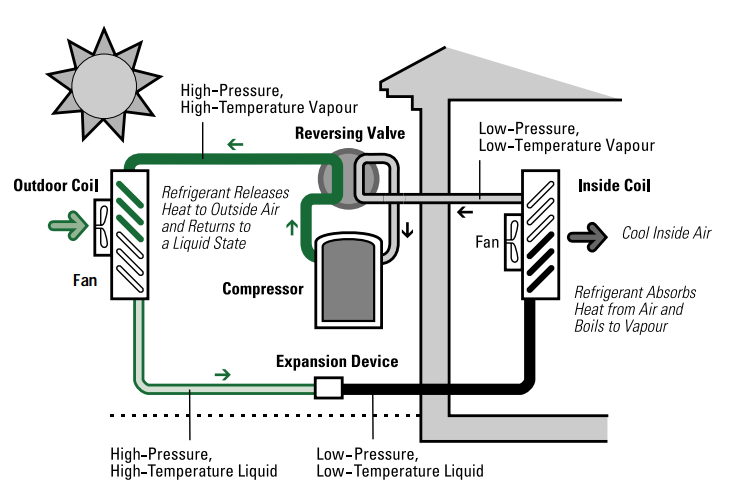
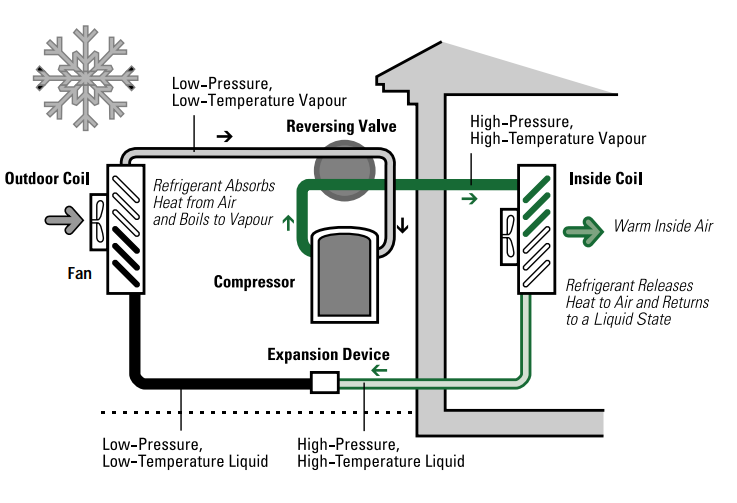
When a heat pump is installed instead of an air conditioner, it can function as a hybrid that works in conjunction with a building’s existing heating system. And while heat pumps are more energy efficient than furnaces – even as they lose efficiency at colder temperatures – there is often a point at which a building’s existing heating system may become more economical to run. A hybrid heat pump that combines heat pumps with existing heating systems helps minimize heating and cooling costs while significantly cutting the emissions from heating.
Hybrid heat pumps therefore place homeowners in a position of power – giving them the option to switch heating sources to maximize savings. Meanwhile, electric utilities can use price signals to improve the economics of operating heat pumps during most hours, and encourage the use of the home’s fossil fuel heating systems when the grid is strained.
Using policy to incentivize change
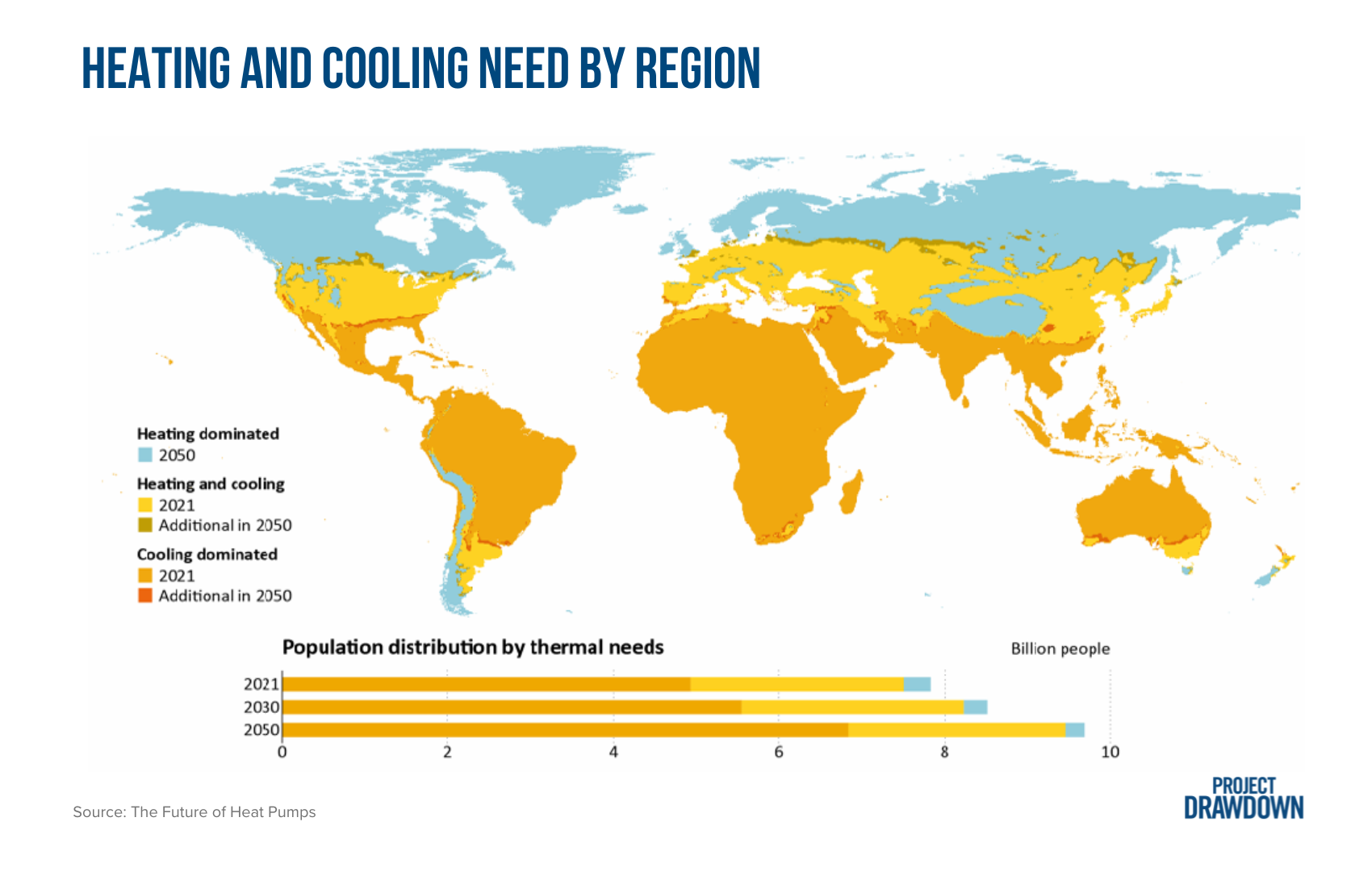
Despite heat pumps’ considerable benefits, the rate of adoption could use a boost, and the opportunity of demand for cooling systems to provide this boost is huge. Case in point: Worldwide, in 2023 an estimated 4.6 million air source heat pumps were sold, while in 2024 an estimated 116 million central- and split air conditioner units and 25 million window air conditioners sold in 2024. Given that more than 30% of the global population – upwards of 2.4 billion people – live in areas that require both heating and cooling, heat pumps could make huge inroads if they were to replace air conditioners.
For many homeowners, switching from a familiar heating system to a heat pump may feel like a big move. And that’s understandable. But swapping out an existing air conditioner for a better air conditioner – that also provides heating! – is nothing more than an upgrade that can deliver financial and environmental benefits for years to come. And it’s also an upgrade that builds public confidence in heat pumps as a reliable heating solution.
We can turbo boost heat pump sales by making them the default choice whenever air conditioning is needed. Thankfully, there are many ways this could be done.
For example, regulations could require all air conditioners sold to be heat pumps in regions where buildings require heating and cooling. Incentives at the local, state, and national levels – combined with public information campaigns – could promote heat pumps as a heating and cooling option that’s friendlier for our wallets and our planet. Incentives could also be offered encouraging manufacturers to produce more heat pumps – and encouraging distributors to stock them.
A powerful climate solution in plain sight
Heat pumps are our best option for cutting emissions from heating buildings, which is why they are a highly recommended Project Drawdown climate solution. Even hybrid heat pumps reduce heating from fossil fuel–powered systems by substituting far more energy-efficient electricity-powered heating. As electricity grids across the world incorporate more renewables and reduce their emissions intensity, we will see shrinking emissions from heat pump–powered space heating – not to mention less dependence on imported fuels.