Understanding croplands’ environmental impacts
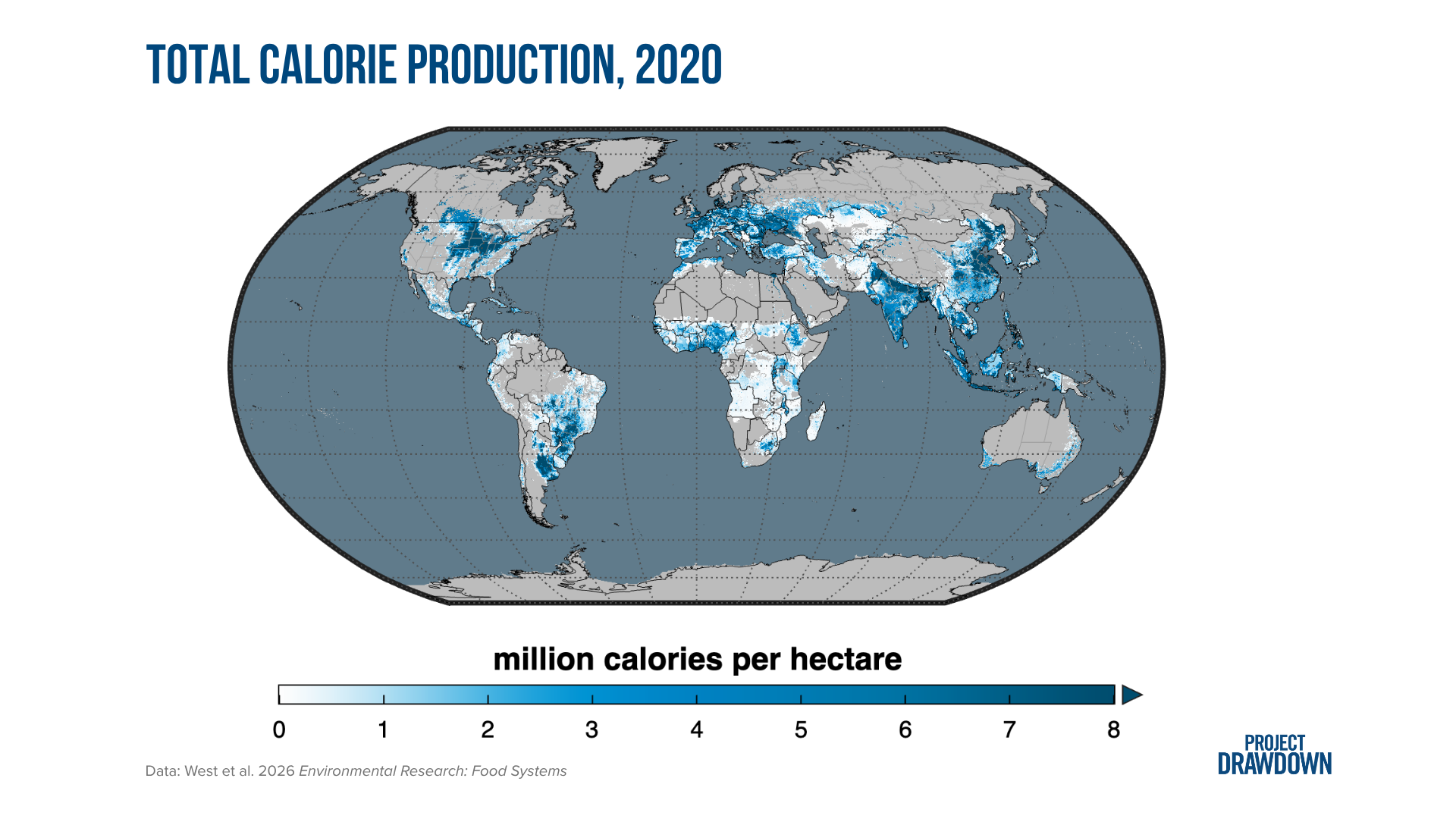
Agriculture is the largest land use on the planet – taking up almost 40% of all land. That’s why it’s so important to use these lands wisely to meet the food needs of a growing population while minimizing environmental impact. The type of crops planted, where they are grown, and how they are used all combine to determine croplands’ cumulative environmental impact.
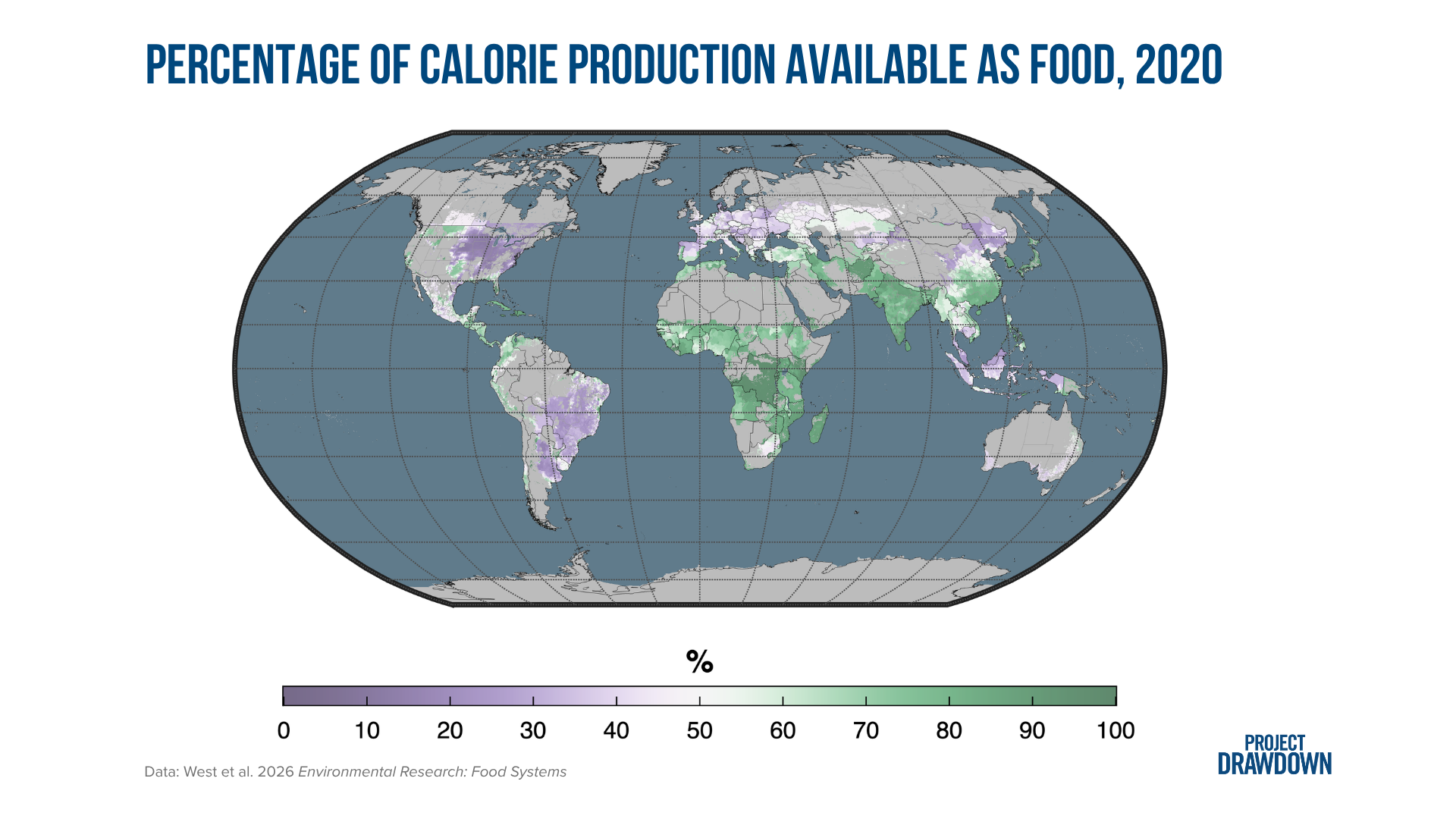
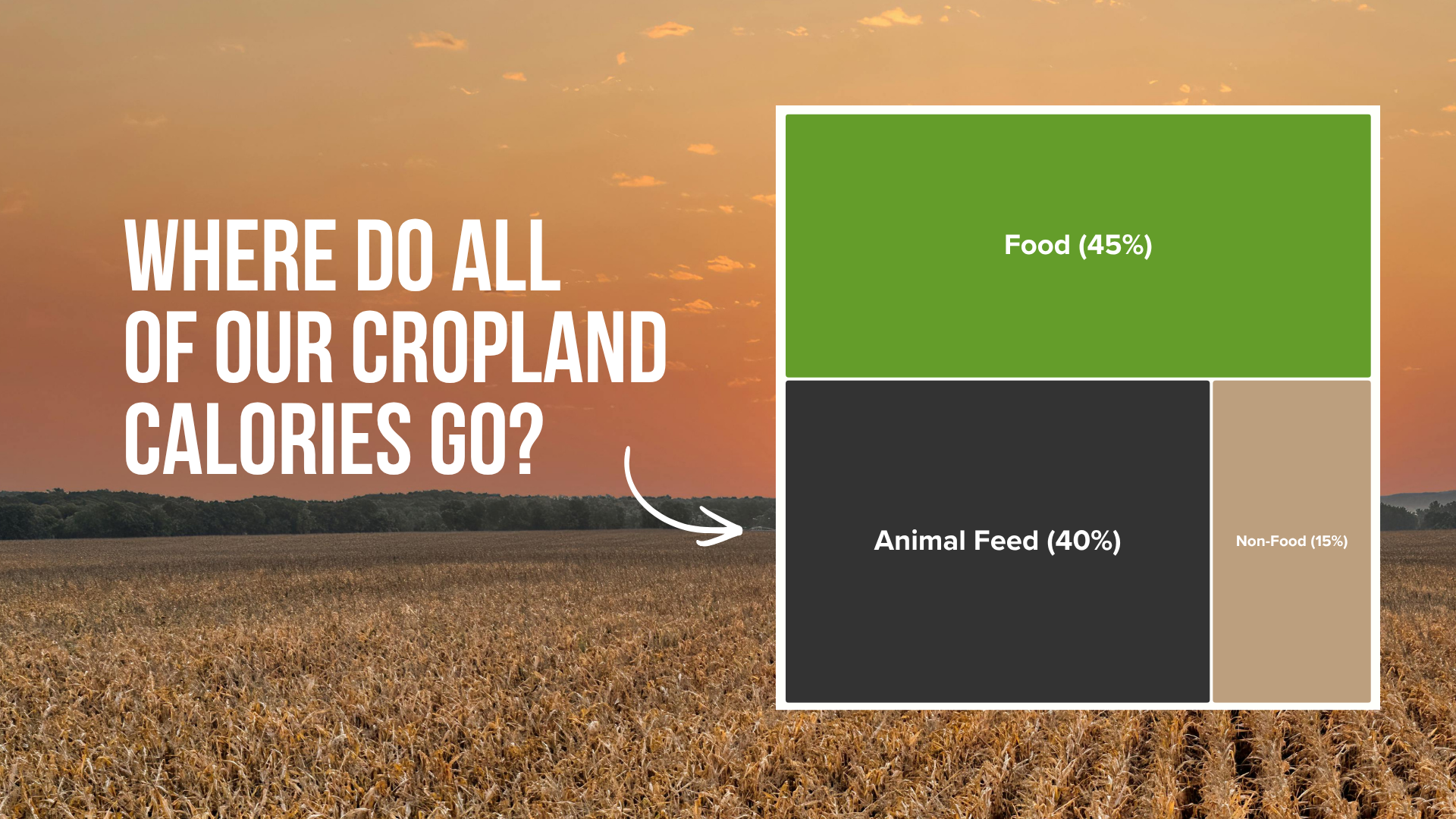
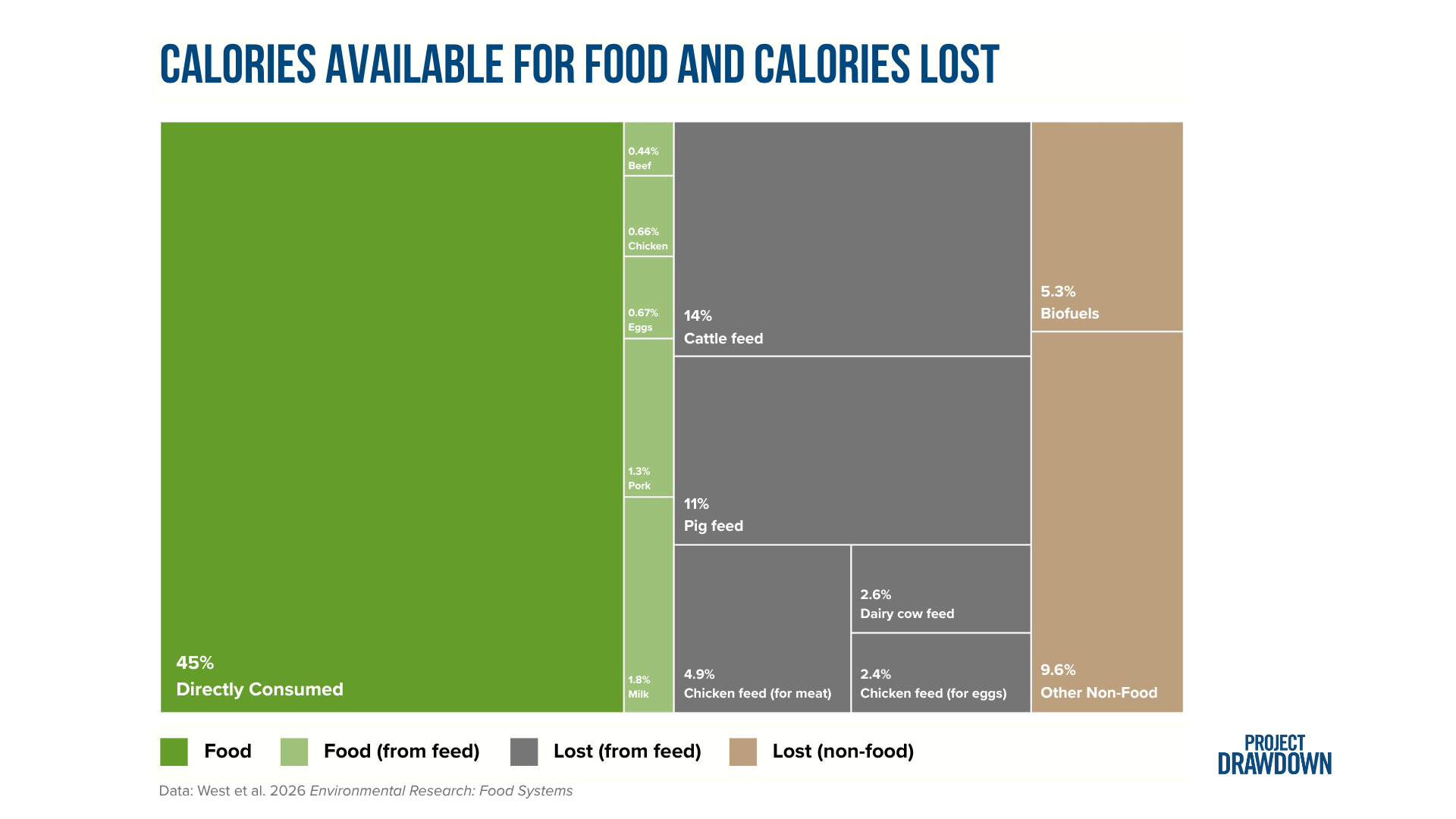
Food waste – accounting for about one-third of all food produced worldwide – exacerbates the inefficiencies of how calories are used. That means even fewer calories than estimated here – in other words, even less than 50% of total cropland calories – ultimately make it to our plates. All of the financial costs and environmental impacts associated with land, water, nutrients, feed crops, and more are embodied in that wasted food as well.
It’s probably no surprise beef has the most outsized impact on climate – 5% of the world's annual greenhouse gas emissions come from methane produced by livestock. That’s equivalent to half of all road transportation or half of all electricity used in buildings worldwide. On top of the emissions from simply being ruminant animals, cattle impact climate through deforestation (clearing natural lands for cattle pastures has been the leading cause of commodity-driven deforestation over the past 20 years), manure management, and intensive nitrogen fertilizer use to grow livestock feed.
Changing diets in a changing climate
Diets are the biggest driver of calories lost in the food system. The food we eat is integral to our culture, which is one of the primary reasons dietary shifts are often considered too controversial and unchangeable. In reality, however, diets have changed drastically in the past. Think of the fad diets in the United States over the past half-century. The high-protein, low-carb Atkins Diet was all the rage in the 1970s – and again in the 1990s. The no-fat fad dominated the 1980s.
But by far the biggest change in our diet in recent decades – both in the United States and across the world – has been a shift toward consuming more and more meat. From 1960–2010, per-person meat consumption worldwide increased by about 60–80%.
While crop-use statistics are not available prior to 1960, what we do know from our research is that we continue to use more crop calories than ever to produce meat and dairy. The amount of crop calories used for animal feed increased 31% between 2010–20 alone, further reducing the efficiency of our croplands.
A healthier option on the menu
There are many compelling reasons to seriously commit to a changed diet. For one thing, modern diets that are particularly high in beef consumption – a common practice in many higher-income countries – are a leading cause of heart disease. Healthier, less meat-intensive diets are also typically healthier for the planet. For example, Mediterranean diets, heart-healthy diets, and vegetarian diets all improve overall health while generating a smaller impact on climate and habitat loss.