Perspective  | 

The human heart as a climate solution

Image
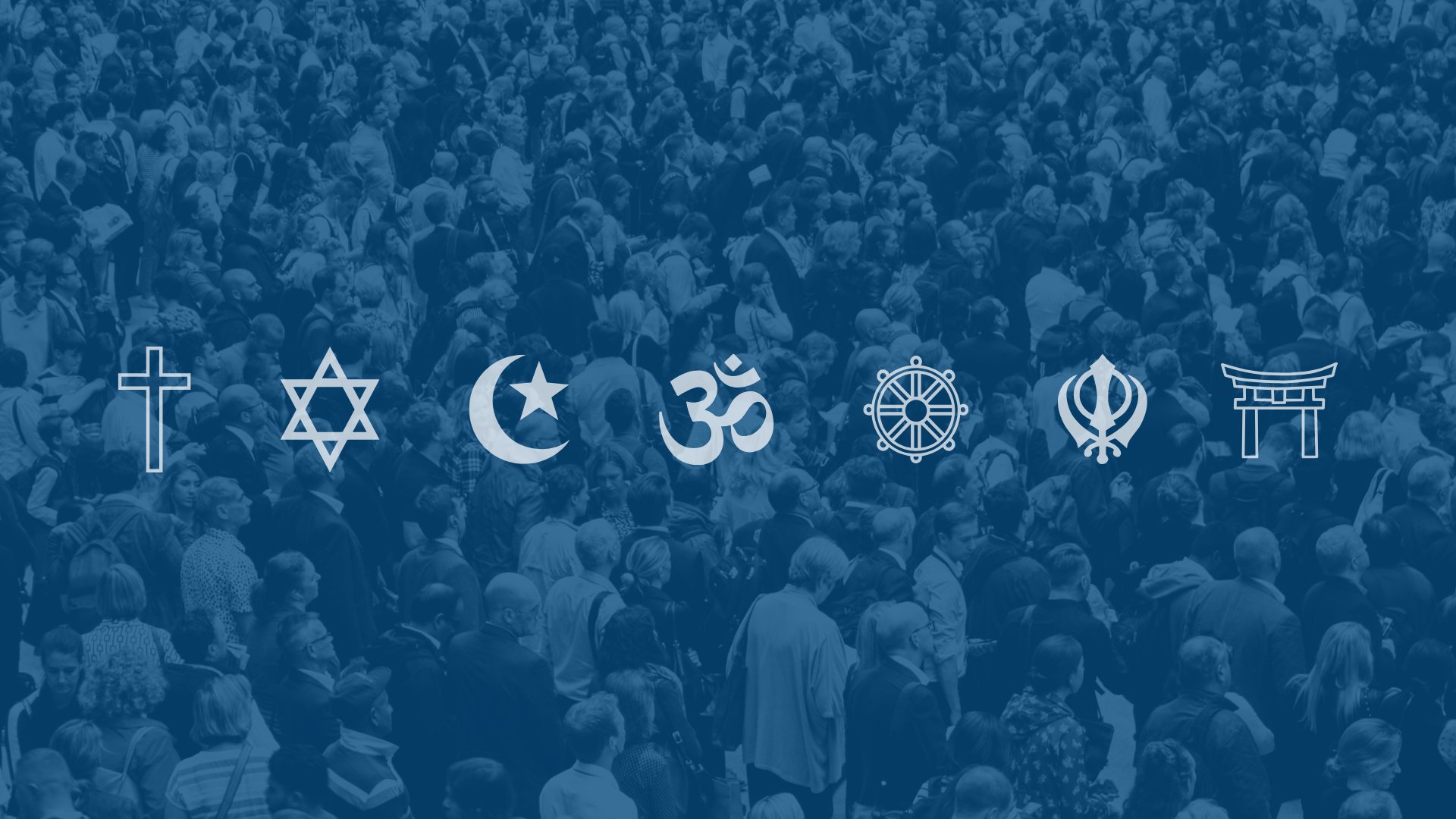
Religious symbols across a background of many people

Press Contacts

If you are a journalist and would like to republish Project Drawdown content, please contact press@drawdown.org.

Key Takeaways

  • Climate change is not just an ecological or political crisis – it’s a moral crisis — and an issue of the soul.
  • All major religious traditions understand climate action to be a moral imperative.
  • Science is necessary but not sufficient to stop climate change. We need to engage hearts as well as minds as we work together to turn the tide.

At Project Drawdown, we have spent years proving that if humanity implements the climate solutions we already have, at the scale we’re capable of, we can and will bend the curve on climate change. The science is clear. We know what needs to happen, and we know we can do it if we choose to. 

So why does it still feel so hard?

Part of the answer, I’ve come to believe, is that we’ve underinvested in something that no spreadsheet or tech tool can capture: the human heart.

Facts Don’t Move People. Connection Does.

A recent episode of Climate One — Faith in Climate Progress — leaned into this tension. Rabbi Jennie Rosenn, founder of Dayenu, a Jewish organization mobilizing climate action, described the climate crisis not just as a political or ecological challenge, but as a moral crisis — and an issue of the soul. Rabbi Rosenn noted that even among Americans who are deeply concerned about climate, two things hold people back: they don’t know what to do in the face of such a complex issue, and the magnitude of the challenge is simply overwhelming — spiritually and psychologically. 

Image
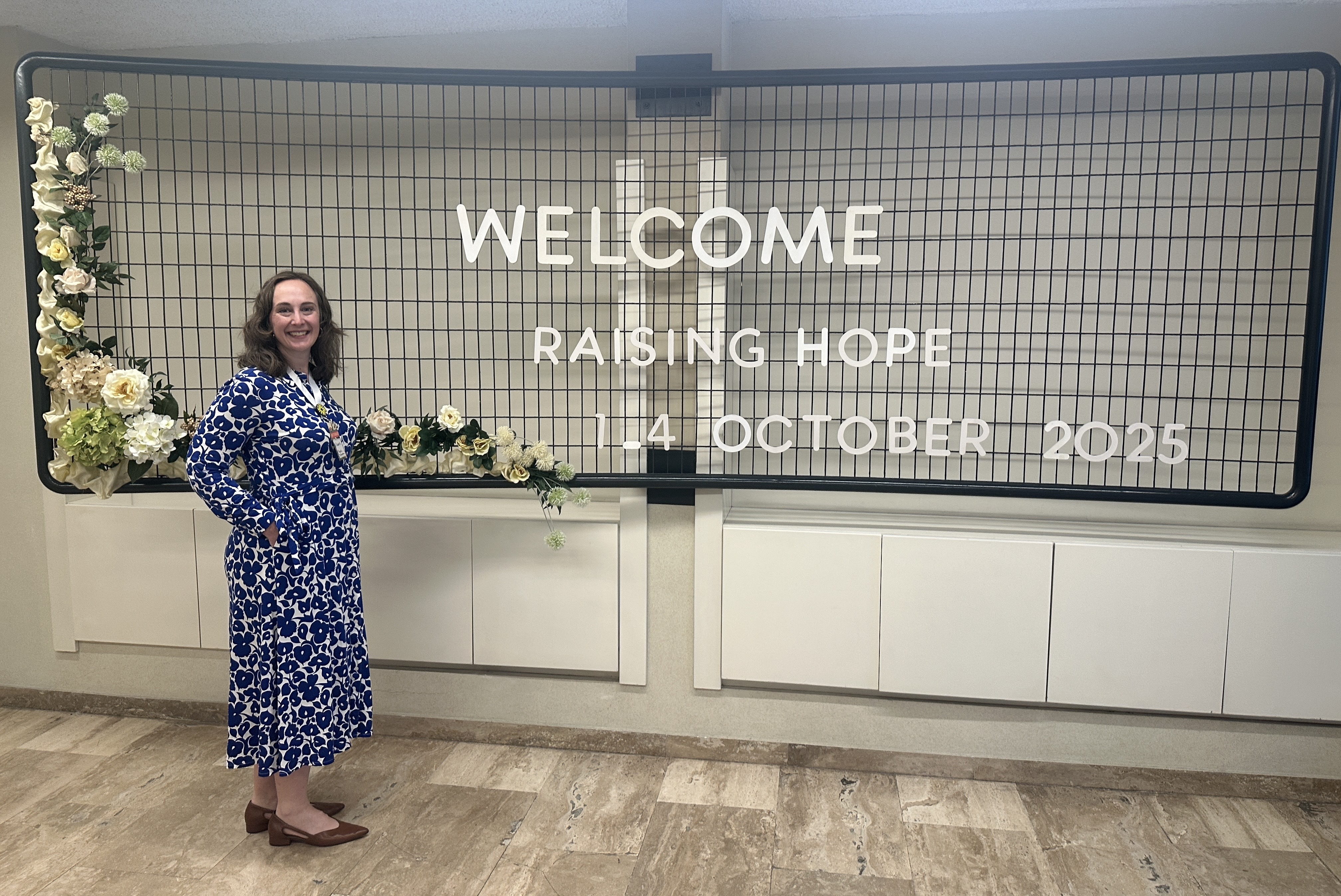
Elizabeth Bagley at Raising Hope conference in Italy in 2025

The Raising Hope conference in Italy last year inspired Project Drawdown Managing Director Elizabeth Bagley to find ways to weave together the head and the heart to make lasting, impactful change. 

That framing stopped me. Not because it’s unfamiliar, but because the climate solutions community still struggles to fully embrace it. We are extraordinarily good at the science. And, in this age of information at our fingertips, it is hard to argue that knowledge gaps are holding back action. Instead, we face gaps in human connection, in caring, in recognizing that we are all in this together, and that the way out is together, too. Gaps that data alone can’t close. 

Across Traditions, a Shared Moral Imperative

How might we shift the trajectory? The growing wave of faith-based climate engagement just might hold the answer. About 75 percent of the global population follows some religion. And across these traditions, action on climate is understood as a moral imperative. Pope Francis wrote about protecting “our common home” in his 2015 Laudato Si’ encyclical. Muslim leaders have issued Al-Mizan, drawing on Quranic principles about protecting nature. Jewish, Hindu, Christian, and Buddhist groups focus on creation care. 

Meanwhile, theologian Celia Deane-Drummond of Oxford's Laudato Si’ Research Institute points to the distinctive power of religious community to enable a kind of mass movement — one that reaches into the deep psyche to create what she calls an “ecological conversion.” Not just a change of policy, but a change of heart.

I witnessed something of this at the Raising Hope conference last October in Italy, where nearly 1,000 people from 80 countries – scientists, theologians, Indigenous leaders, and advocates gathered at the invitation of Pope Leo XIV to take up the torch on faith-based climate action. People were there because the work had become personal and communal. They recognized the need to connect – to join not just minds, but also hearts, in solidarity toward a common goal for our common home. 

Pope Leo also insisted on democratic participation: “Citizens need to take an active role in political decision making at national, regional, and local levels. Only then will it be possible to mitigate the damage done to the environment.”

I left the conference inspired and motivated to find ways to weave together the head and the heart to make lasting, impactful change. 

A Both-And, Not Either-Or

None of this is an argument against science. Project Drawdown exists because rigorous, science-based analysis is essential — and because people need to know which solutions exist and work. That foundation matters enormously.

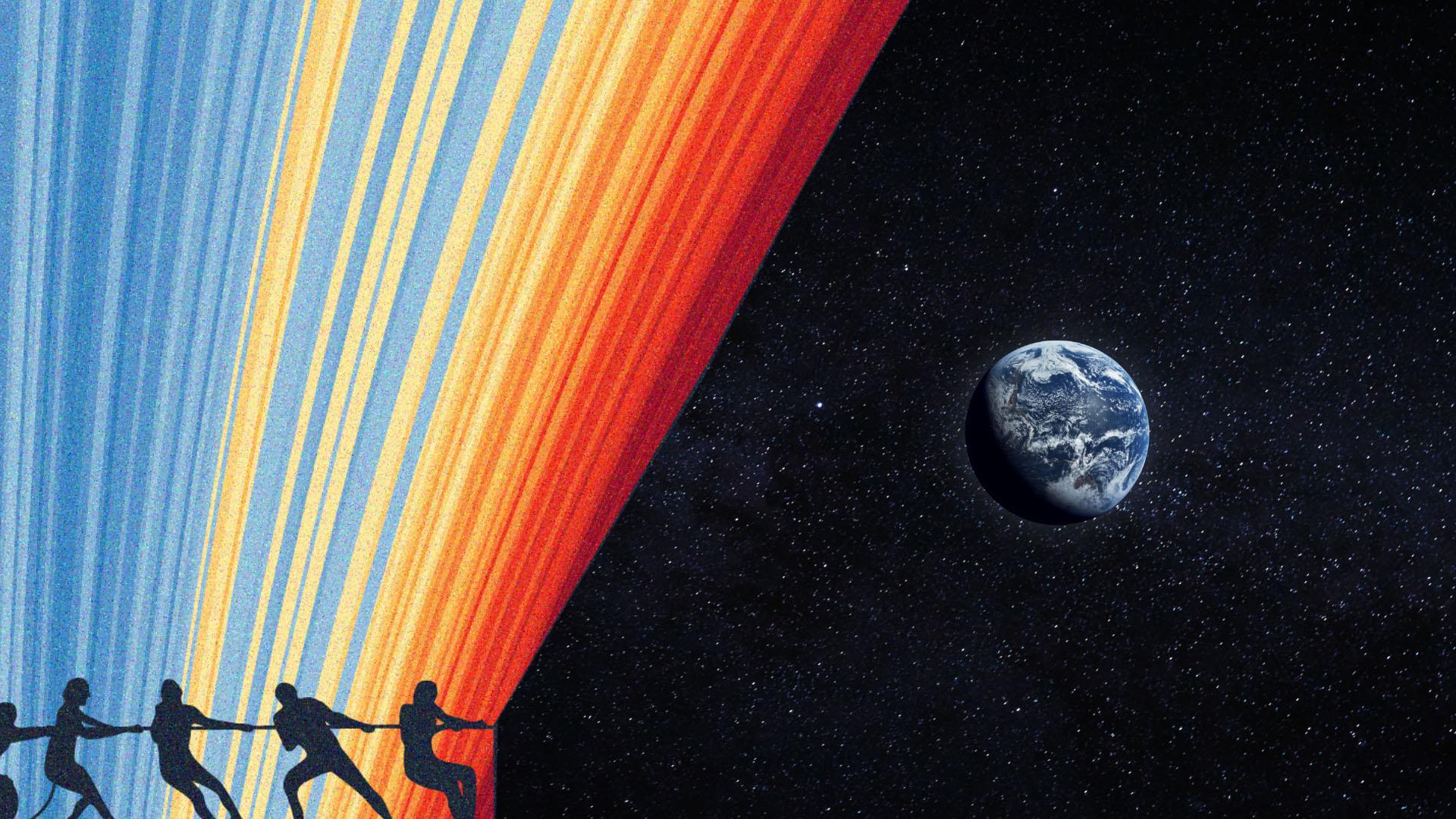
The science tells us what’s possible. The heart tells us why it matters.

But facts alone don’t – won’t – turn the tide. The science tells us what’s possible. The heart tells us why it matters. 

Gazing at Earth from lunar orbit last month, Artemis II astronaut Christina Koch probably said it best. After describing possibilities for future exploration beyond our own planet, she concluded, “Ultimately, we will always choose Earth. We will always choose each other.” 

Human connection, whether forged in a church, a conference room, or a space capsule, may be the condition that is uniquely able to turn the tide on the climate crisis. And the more that we all – scientists included – acknowledge that and embrace the human heart as a climate solution, the more likely it is we will actually get this done.


Elizabeth Bagley, Ph.D., is an interdisciplinary environmental scientist and learning scientist and managing director of Project Drawdown.

This work was published under a Creative Commons CC BY-NC-ND 4.0 license. You are welcome to republish it following the license terms.

Press Contacts

If you are a journalist and would like to republish Project Drawdown content, please contact press@drawdown.org.