Moreover, extreme events are complex, as evidenced by the fact that there are more than 150 definitions of drought alone in the scientific literature, and given that complexity, climate models fail to capture every nuance. We also can’t say for sure when “tipping points” like the die-off of the Amazon rainforest or the collapse of the deep ocean conveyor belt might occur. And we still have much to learn about the feedback processes that might accelerate climate change in the near future.
This uncertainty is not our friend. If we knew the exact threshold beyond which disaster lies, we could plan accordingly. What we are certain about is that the danger increases with every ton of greenhouse gas humanity pumps into the atmosphere – and that we know how to stop global warming.
The same climate models that predicted the warming tell us that when we no longer put greenhouse gases into the atmosphere, the temperature will stop rising. There is no pent-up warming “in the pipeline”, although we still expect sea levels to rise further as the planet continues to adjust to its new temperature. We know where greenhouse gas emissions come from, and we already have virtually all of the solutions we need to curb them.
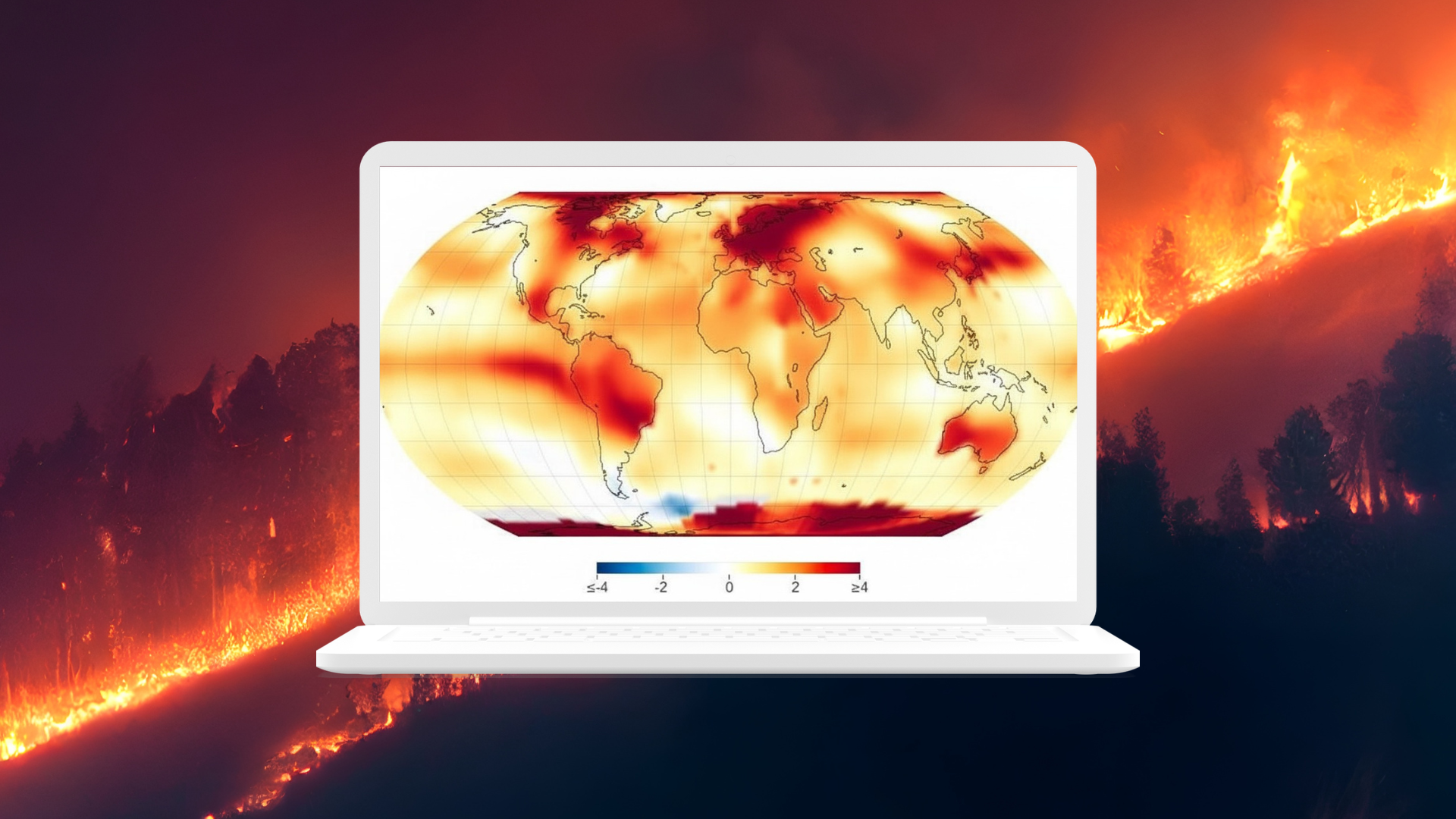
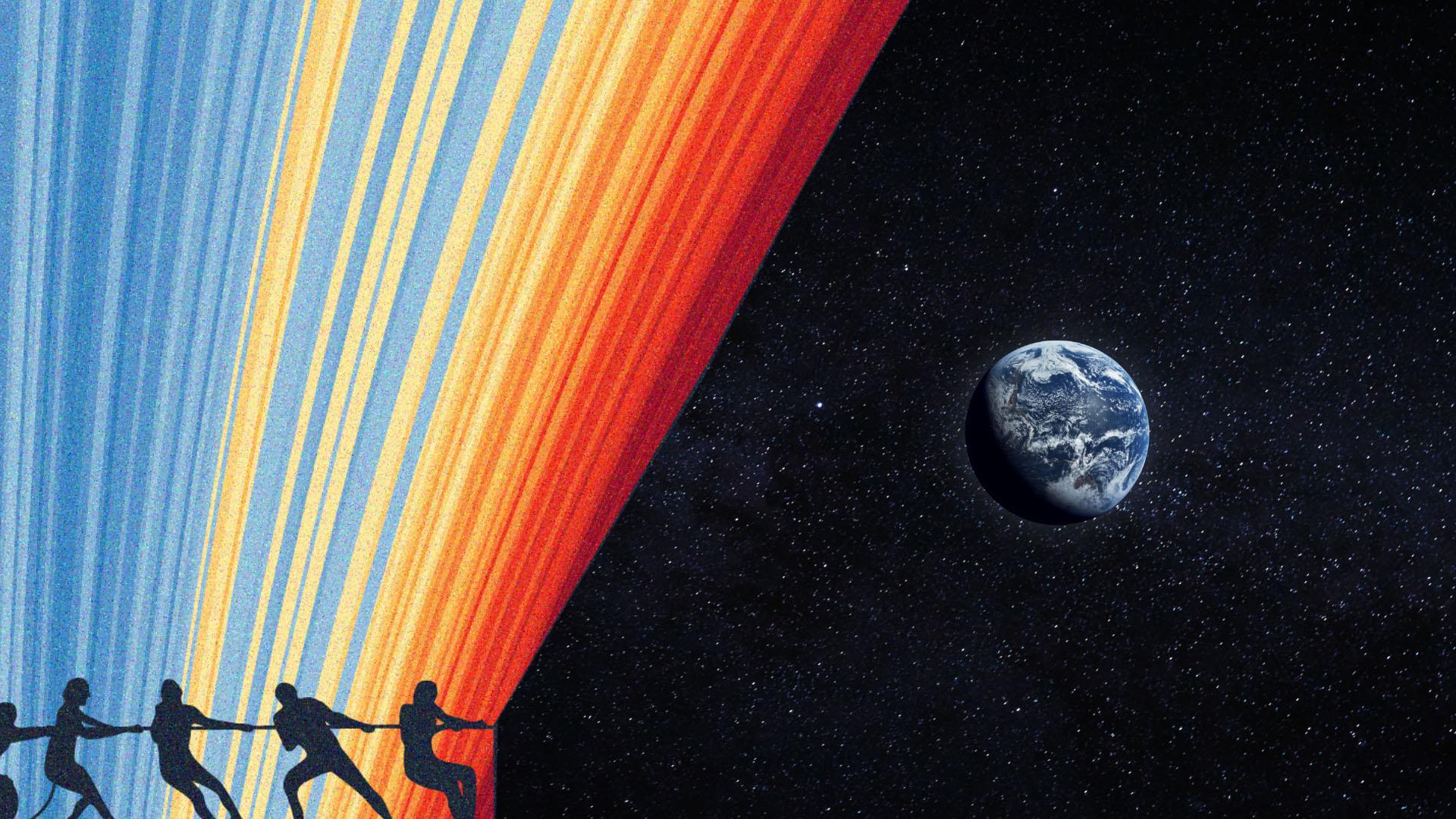
Scientists’ predictions about the future are coming true. The impacts of climate change are largely as we anticipated, but certainly worse than we hoped. At the same time, climate solutions are getting cheaper and more effective much faster than anticipated. The science is clear about what will happen if we keep spewing greenhouse gases into the atmosphere. But it’s also clear that the future is still in human hands, and we have everything we need to make it even better than expected.
About the Author
Kate Marvel, Ph.D., is a climate scientist at Project Drawdown. She spent more than a decade as a research physicist at the NASA Goddard Institute for Space Studies. She led the “Climate Trends” chapter in the U.S. Fifth National Climate Assessment, has given a TED Talk, appeared on Meet the Press and The Ezra Klein Show, and testified before the U.S. Congress. Her first book, Human Nature: Nine Ways to Feel About Our Changing Planet, was published by Ecco Press in 2025.
About Project Drawdown
Project Drawdown is the world’s leading guide to science-based climate solutions. Our mission is to drive meaningful climate action around the world. A 501(c)(3) nonprofit organization, Project Drawdown is funded by individual and institutional donations.
This work is published under a Creative Commons CC BY-NC-ND 4.0 license. You are welcome to republish it following the license terms.