Here’s why ensuring health and education is important for climate mitigation

Image
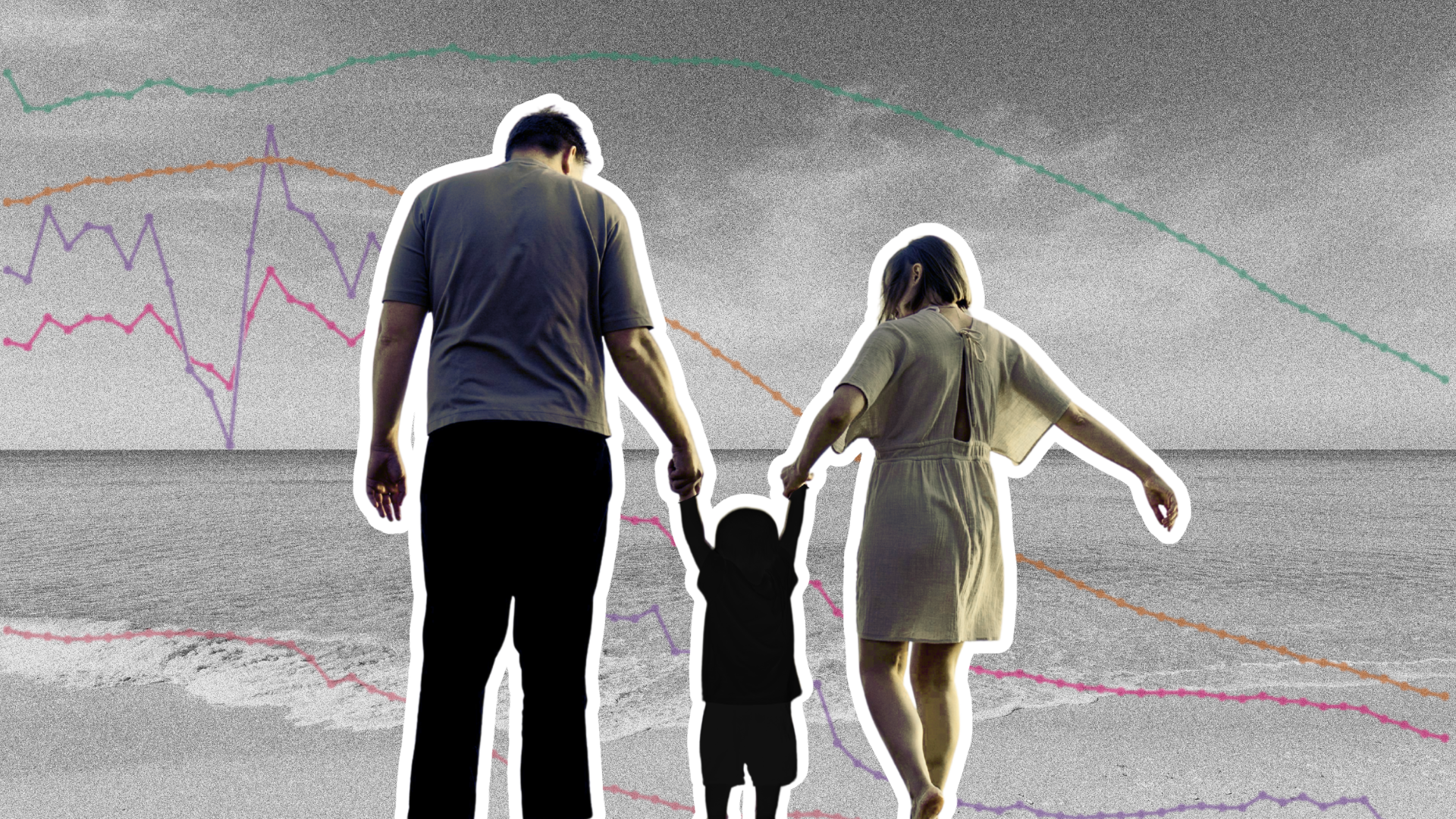
A graphic of a family on a beach with declining birth rate charts overlaid

Key Takeaways

  • Climate impact isn’t simply about population size or fertility. Emissions are strongly driven by wealth, consumption, and socioeconomic factors, as proven by the fact that the richest 10% account for a disproportionate share of global emissions.
  • Health and education are essential to climate resilience and equity, but more importantly, they are human rights.
  • Population and climate influence each other in complex ways. Climate change can itself affect fertility and reproductive decisions, so simplistic cause-and-effect assumptions can be misleading.
  • Climate solutions need a broader framework than emissions accounting alone. That's why we're creating an “Enabling Solutions” category for the Drawdown Explorer that will recognize health, education, and other improvements in human well-being as important components of climate action.

Health and education are part of a holistic approach to a thriving planet. They are fundamental human rights and are essential to ensuring global equity and well-being. They are also pillars of climate action, but as scholarship in demography and public health shows, these connections can’t be measured by direct cause-and-effect and are far more nuanced than a single metric can capture.

The emissions math isn’t so simple

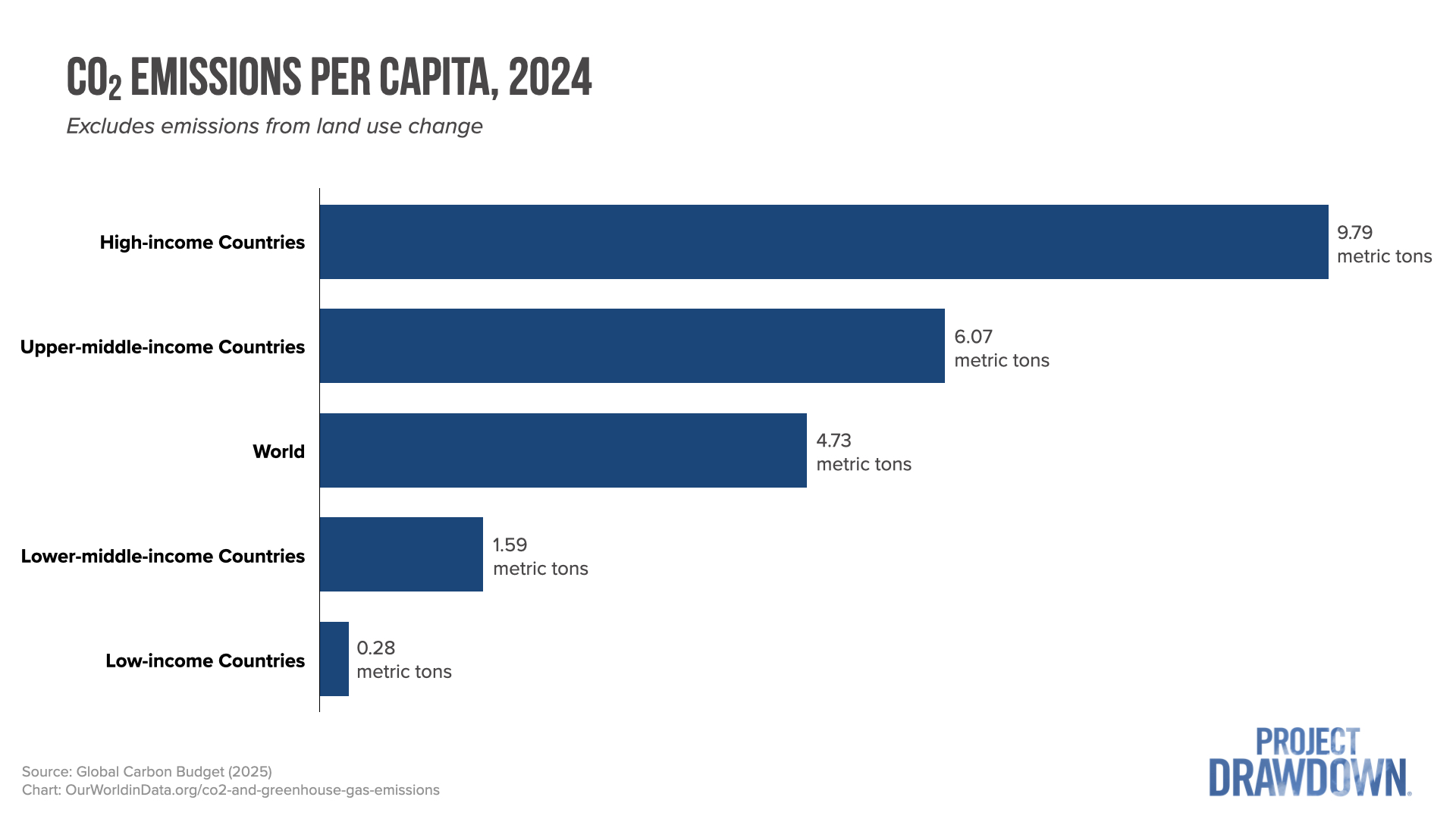
As a population-environment geographer who has studied demography, I know that the emissions impact of any given population depends on complex demographic factors such as fertility decisions, aging, wealth, and resource use, to name a few. Climate change can be influenced by population size, but emissions mainly correlate with wealth and not fertility. As of 2019, the top 10% richest populations were responsible for 48% of global emissions. A person in a high-income country emits, on average, more than 30 times the carbon dioxide of a person in a low-income country. As health and well-being in a country improves, fertility tends to fall while income and emissions tend to rise.

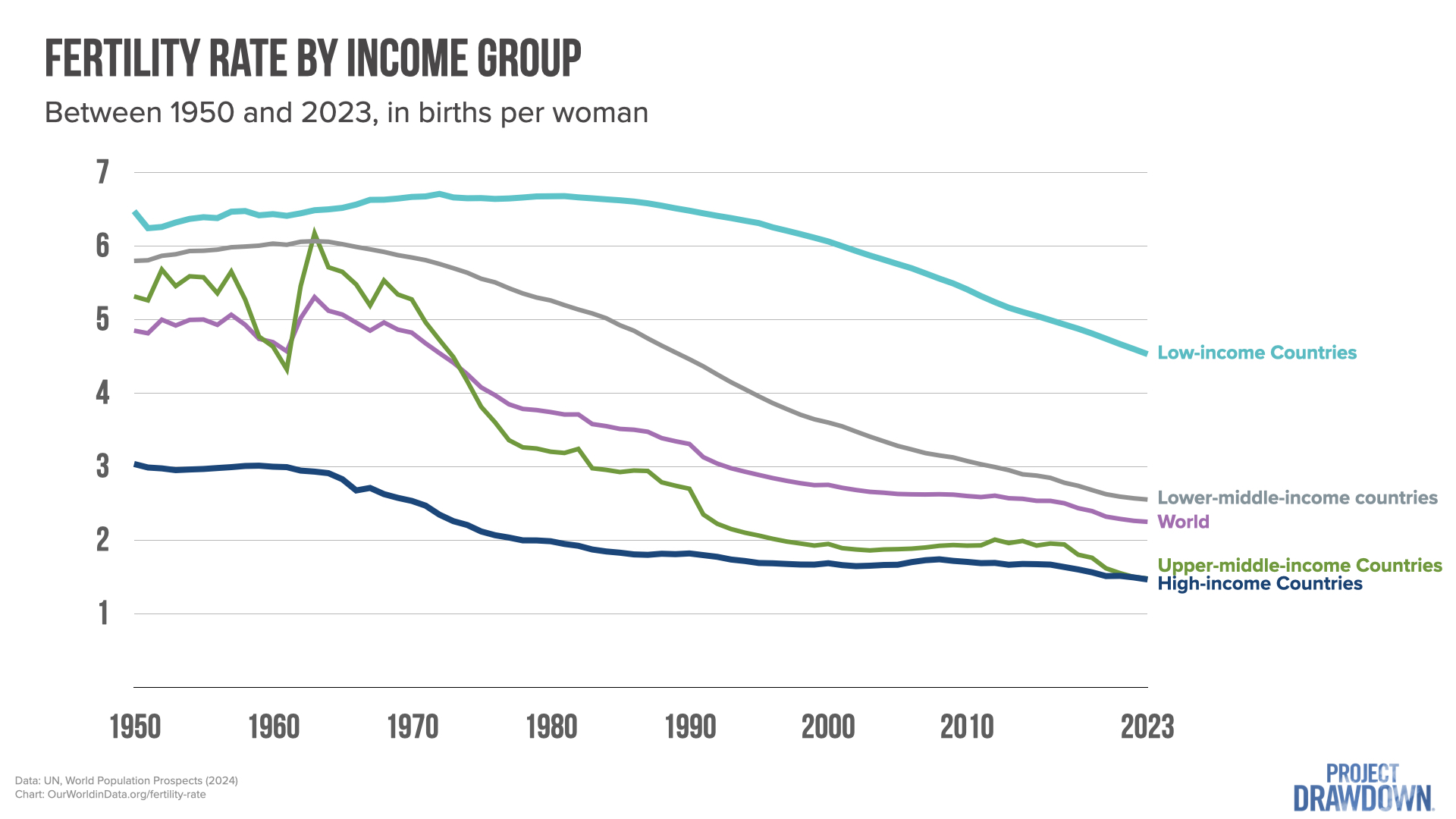
Meanwhile, fertility rates have been declining everywhere since 1950 – and they remain highest in low-income countries, whose per-capita emissions are the lowest. Centering solutions around people who bear little responsibility for emissions undermines mitigation efforts. It unjustly suggests that those already facing the worst impacts of climate change must adjust their behavior. Populations are constantly changing, whether through aging, migration, urbanization, or shifts in wealth and consumption patterns. 

Image
A chart showing per capita carbon dioxide emissions based on income group
Image
A chart showing fertility rate by income group between 1950 and 2023

These complex forces will interact differently across geographic, social, economic, or political contexts that mediate resource use, which is why they cannot be accounted for in emissions equations based only on population size. This variability is why newer frameworks developed by demographers approach the connections between populations and the environment more holistically, recognizing that populations are diverse in both the causes and impacts of climate change.

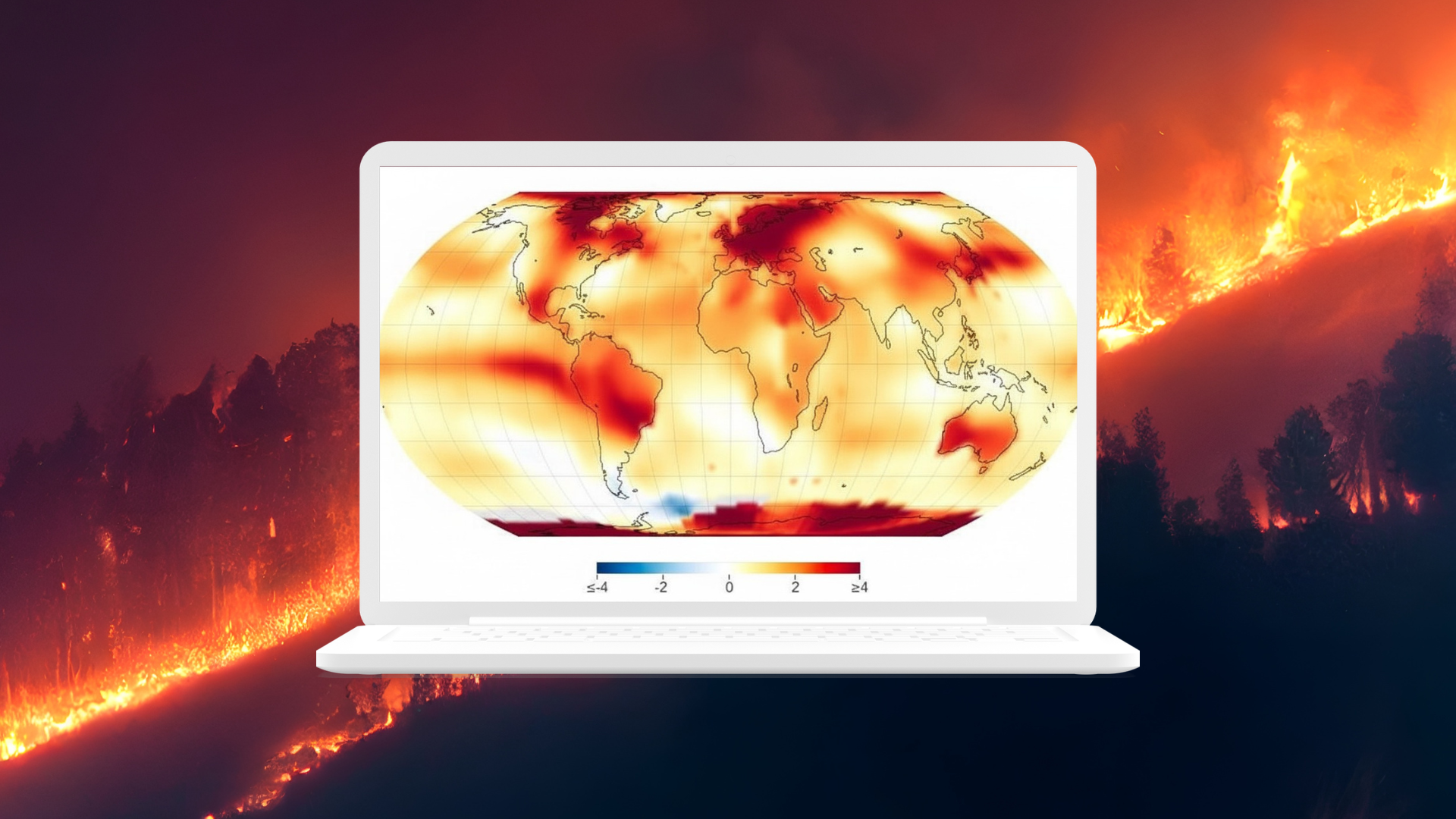
These connections do not work in one direction, in which people only impact the climate. Climate change is already shaping fertility decisions. A growing body of research finds that hot temperatures can biologically affect fertility in men and are linked to poor birth outcomes such as stillbirth, low birthweight, or miscarriage. In rural areas of low-income countries, where fertility rates are generally higher, weather and climate can also affect fertility decisions through the seasonality of work and physical labor. Couples may choose to avoid pregnancy when the harvest demands long hours or when poor rainfall requires more labor on the farm. The growing severity of temperature and rainfall extremes underscores the need to implement scientifically informed climate solutions swiftly – so that people everywhere retain agency over these deeply personal choices.

Health and education are essential for climate action, regardless of the math

Despite these complexities, health and education still matter for climate action. They are also essential for a better future even if their value can’t be reflected in any emissions algebra.

Climate change cannot be solved by only considering emissions alone...

More years of schooling are associated with better health outcomes, more social mobility, higher income, and greater gender equity, all of which strengthen a community’s capacity to withstand and respond to a changing climate. The connections between populations and their environment shape not only who is most affected, but who has the resources to support and adapt. Improving human well-being makes populations more resilient to the impacts of climate change. Strengthening health infrastructure through improved disease surveillance and early warning systems or by equipping hospital clinics with solar power or sanitation solutions leads to a more resilient healthcare delivery system.

A new Drawdown Explorer category: enabling solutions

Because the impacts of ensuring health and education are so complex, we are currently working on introducing a category in the Drawdown Explorer called “Enabling Solutions.” Unlike individual practices or technologies with direct emissions impact, enabling solutions will capture how improving human well-being, through better health, education, and more, is also vital for climate action. This newer category will give health and education the more nuanced, standalone treatment they require.

Climate change cannot be solved by only considering emissions alone. It requires looking at the whole picture of how people, the climate, and the environment interact. Health and education are important for climate mitigation, but, more importantly, they are part of a larger system that ensures human well-being and strengthens populations' responses to climate impacts. A path to a healthy and sustainable future is possible when we maintain the same holistic approach: one in which human well-being and a thriving planet are one and the same goal.


About the Author

Ruthie Burrows, Ph.D., is a population-environment researcher with interdisciplinary experience in geography, demography, and epidemiology. At Project Drawdown, she focuses on developing methods to integrate demographic data into climate solutions analyses.

About Project Drawdown 

Project Drawdown is the world’s leading guide to science-based climate solutions. Our mission is to drive meaningful climate action around the world. A 501(c)(3) nonprofit organization, Project Drawdown is funded by individual and institutional donations. 

This work is published under a Creative Commons CC BY-NC-ND 4.0 license. You are welcome to republish it following the license terms.