This solution has potential but is not yet available in the real world – or the technology still lacks clear effectiveness, evidence, or a reasonable cost – and is not yet ready to be deployed.

Improve District Heating: Industry

Image
Image
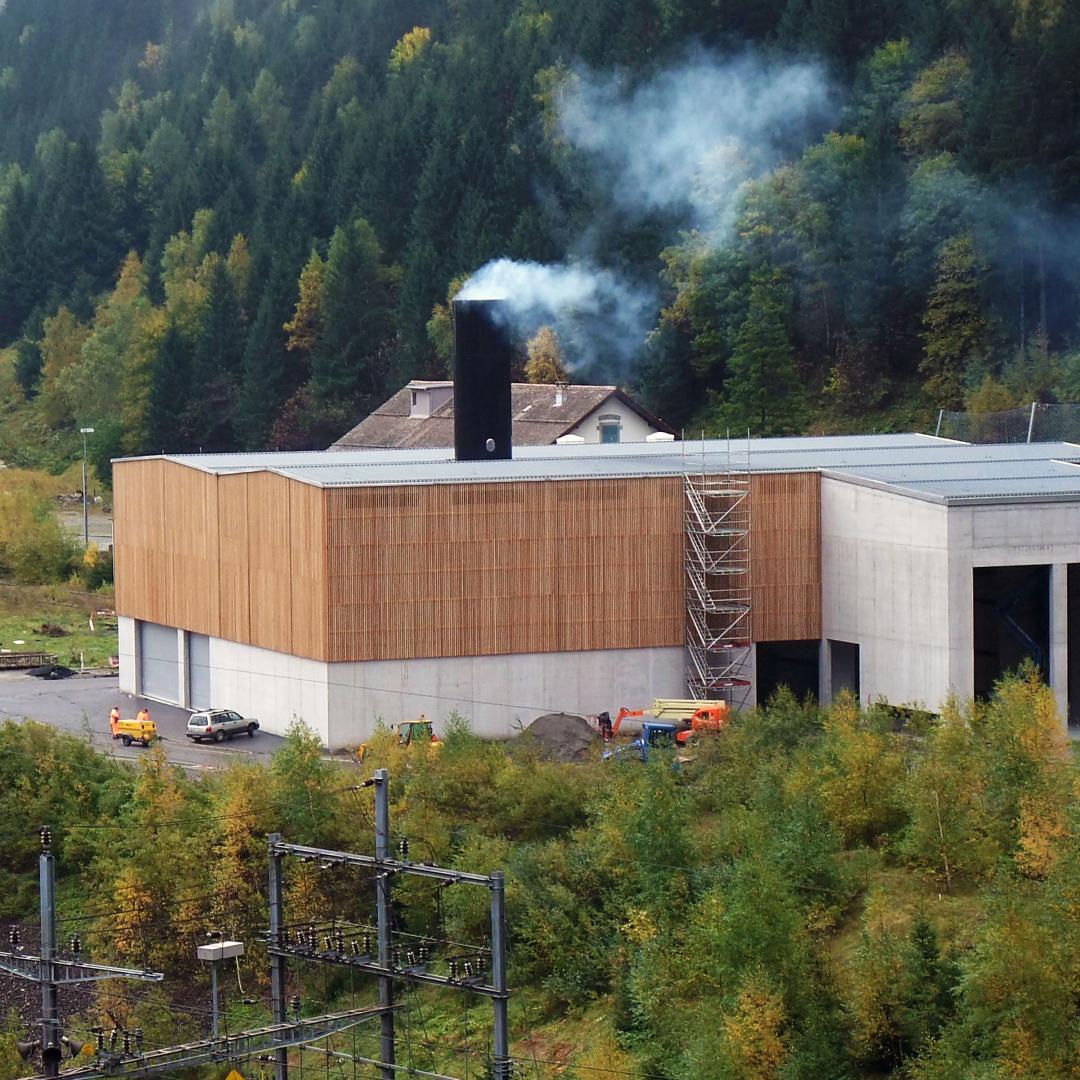
A district heating facility
Coming Soon
Off
Summary

Improving district heating for industry involves using low-carbon alternatives, such as electric boilers, heat pumps, and waste heat from other industries, to provide heat to industries for their operations. Currently, most district heating for industry relies heavily on fossil fuels to generate heat. Low-carbon alternatives have the potential to make a significant dent in the global emissions from industry, but such projects are also challenging to implement due to their scale and complexity, and there is currently a lack of publicly available data that would allow for a deeper analysis. Based on our assessment, we will “Keep Watching” this potential solution.

Description for Social and Search
Improving district heating for industry by integrating low-carbon heat sources has the potential to significantly reduce the use of fossil fuels.
Overview

What is our assessment?

Based on our analysis, improving district heating for industry by integrating low-carbon heat sources has the potential to significantly reduce the use of fossil fuels and the emissions they generate. However, the lack of data, combined with the complexity of such projects and the growing interest in alternative decarbonization pathways, makes this a potential solution to “Keep Watching.”

Plausible Could it work? Yes
Ready Is it ready? Yes
Evidence Are there data to evaluate it? No
Effective Does it consistently work? Yes
Impact Is it big enough to matter? Yes
Risk Is it risky or harmful? No
Cost Is it cheap? No

What is it?

District heating systems consist of a network of underground pipes that distribute heat to a large number of buildings, including industrial buildings. In the industrial sector, district heating is used by light industries and for processes such as drying, paper making, food processing, as well as space heating and even heat-driven chillers for refrigeration. Industry is well-suited to district heating because it typically has steady and predictable heat demand throughout the year. Current district heating systems rely heavily on coal and natural gas for heat generation, often as part of combined heat and power generation. Low-carbon alternatives for district heating can include electric heat pumps, solar thermal, deep geothermal, and even waste heat from other industries. 

Does it work?

Shifting district heating for industry from conventional heat sources to low-carbon heat sources will significantly reduce emissions. Our analysis for district heating use by commercial and residential buildings shows that significant emissions can be avoided by shifting to electric boilers, heat pumps, and the use of waste heat (see Improve District Heating: Buildings). Similar outcomes are likely possible for industrial district heating use, and emissions reductions will increase as more renewables are integrated into the electricity systems used to power electric boilers and heat pumps. 

Why are we excited?

District heating for industry currently produces significant emissions. According to the International Energy Agency (IEA), district heating for all applications accounted for 4% of global emissions in 2022, and roughly 40% of the heat energy from district heating was delivered to industry. China is a major adopter of district heating for industries, with the combustion of coal supplying much of that heat. The shift to renewable heat sources is likely to increase because both China and the EU have policies targeting the adoption of renewables in district heating. Because district heating systems serve multiple buildings, a single project to replace fossil fuels with renewables can have a large impact. Such projects also have the benefit of reducing local air pollution. 

Why are we concerned?

Although simple on paper, replacing fossil fuel systems with lower-carbon alternatives in district heating systems can be an extended undertaking involving many stakeholders and years of planning. Some low-carbon options may not be suitable for industrial processes that require higher temperatures than those needed for space heating. There is also a significant lack of publicly available data about how industry currently uses district heating and the opportunities and challenges involved in shifting to renewables. In the meantime, industrial heat pumps with higher temperature outputs (100–200°C) are increasingly available and could become a low-carbon competitor to the use of a conventional district heating system.

Solution in Action

References

Bellevrat, E., & West, K. (2018). Clean and efficient heat for industry. IEA. Link to source: https://www.iea.org/commentaries/clean-and-efficient-heat-for-industry  

Difs, K., Danestig, M., & Trygg, L. (2009). Increased use of district heating in industrial processes – Impacts on heat load duration. Applied Energy86(11), 2327–2334. Link to source: https://doi.org/10.1016/j.apenergy.2009.03.011  

European Commission. (2022). Implementing the repower EU action plan: Investment needs, hydrogen accelerator and achieving the bio-methane targets. Link to source: https://eur-lex.europa.eu/legal-content/EN/TXT/PDF/?uri=CELEX:52022SC0230  

Gouy, A., Mooney, E., & Voswinkel, F. (2023). Light Industry. IEA. Link to source: https://www.iea.org/energy-system/industry/light-industry  

IEA. (2025). District heating. Link to source: https://www.iea.org/energy-system/buildings/district-heating#programmes  

IRENA, IEA, & REN21. (2020). Renewable energy policies in a time of transition: Heating and cooling. Link to source: https://www.irena.org/-/media/Files/IRENA/Agency/Publication/2020/Nov/IRENA_IEA_REN21_Policies_Heating_Cooling_2020.pdf  

Lake, A., Rezaie, B., & Beyerlein, S. (2017). Review of district heating and cooling systems for a sustainable future. Renewable and Sustainable Energy Reviews67, 417–425. Link to source: https://doi.org/10.1016/j.rser.2016.09.061  

Werner, S. (2017). International review of district heating and cooling. Energy137, 617–631. Link to source: https://doi.org/10.1016/j.energy.2017.04.045  

Credits

Lead Fellow

  • Heather McDiarmid, Ph.D.

Internal Reviewers

  • Christina Swanson, Ph.D.
Speed of Action
Caveats
Risks
Consensus
Trade-offs
Action Word
Improve
Solution Title
District Heating: Industry
Classification
Keep Watching

Lawmakers and Policymakers

Practitioners

Business Leaders

Nonprofit Leaders

Investors

Philanthropists and International Aid Agencies

Thought Leaders

Technologists and Researchers

Communities, Households, and Individuals

Updated Date
Coming Soon Label
Coming Soon

Produce Bio Oils

Image
Image
Peatland
Coming Soon
On
Description for Social and Search
Produce Bio Oils is a "Keep Watching" Drawdown Explorer solution.
Solution in Action
Speed of Action
Caveats
Risks
Consensus
Trade-offs
Action Word
Produce
Solution Title
Bio Oils
Classification
Keep Watching

Lawmakers and Policymakers

Practitioners

Business Leaders

Nonprofit Leaders

Investors

Philanthropists and International Aid Agencies

Thought Leaders

Technologists and Researchers

Communities, Households, and Individuals

Updated Date
Coming Soon Label
Coming Soon

Bury Bio-Blocks

Image
Image
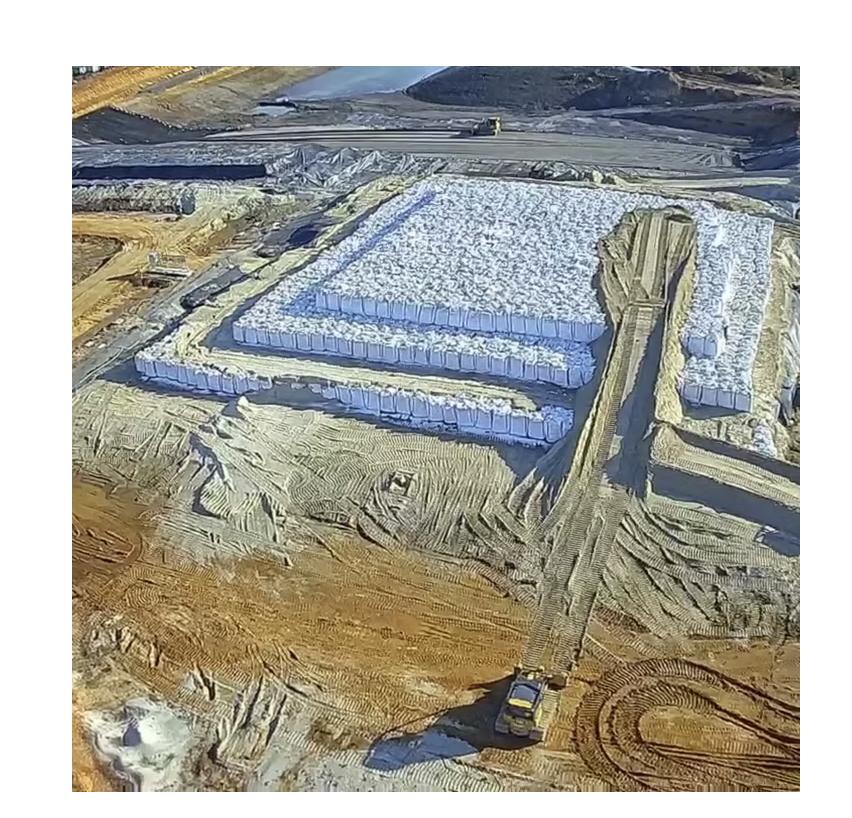
Bio-blocks for storing carbon underground
Coming Soon
On

Key Takeaways

  • Bio-blocks are plant matter that is dried, compressed, sealed, and buried to store carbon for >100 years.
  • This solution has a huge potential for storing carbon (theoretically up to 37 ± 18 Gt CO₂‑eq/yr ); it also could be cheap (US$10–100/t CO₂ ).
  • Limited evidence on efficacy prevents this solution from being Highly Recommended. Decades of monitoring are needed to confirm long-term durability and low reversibility.
  • Regions with abundant woody debris are among those best suited for this solution.
Summary

Bio-block burial involves producing blocks of dried, compressed plant biomass sealed in impermeable barriers to prevent decay and storing them underground, above ground, or at ground level. Wood preservation and engineered storage systems provide evidence that biogenic carbon can be durably stored for >100 years when kept dry and protected from decomposition. Early studies suggest meaningful storage potential and low estimated costs, and the approach could scale using existing drying and encapsulation technologies. However, field validation of durability is limited, long-term barrier integrity and permanence are uncertain, and effective carbon storage depends on moisture control and sustainable feedstock sourcing. Based on this assessment, we classify burying bio-blocks as a solution to “Keep Watching.”

Description for Social and Search
Produce Bio Bricks is a "Keep Watching" Drawdown Explorer solution.
Overview

What is our assessment?

Based on our analysis, bio-blocks offer a promising pathway for long-lasting storage of already-captured biogenic carbon, and could meaningfully scale using existing technologies and low-cost plant biomass. However, little is known about their real-world performance over long time scales, effectiveness depends on storage conditions, and land use impacts remain uncertain. As a result, we will “Keep Watching” Bury Bio-Blocks. 

Plausible Could it work? Yes
Ready Is it ready? No
Evidence Are there data to evaluate it? Limited
Effective Does it consistently work? ?
Impact Is it big enough to matter? Yes
Risk Is it risky or harmful? No
Cost Is it cheap? Yes

What is it?

Bio-blocks are dried and compressed plant matter, typically forestry or agricultural residues, enclosed in a non-polluting, impermeable barrier for long-term carbon storage. To make carbon-storing bio-blocks, plant residues are dried to moisture levels low enough to prevent rotting driven by microorganisms, mechanically compressed into dense blocks, and encased inside multi-layer barriers that keep out water and oxygen (Crotty et al., 2026; Yablonovitch & Deckman, 2023; Zeng et al., 2023). The barriers often combine nontoxic geomembranes made of high-density or linear low-density polyethylene liners, compacted clay layers, and polymeric sealants (Yablonovitch & Deckman, 2023). Once packaged, the bio-blocks are buried in designated sites designed to keep the material dry and sealed so the stored carbon cannot return to the atmosphere (Amelse, 2025). The block-making process does not make carbon inert, but “locks” it into the organic matter. Bio-blocks can be made from many types of biomass, making them a versatile means of storing biomass carbon (Allen, 2025).

Does it work?

Bio-blocks are a physically plausible means to durably store carbon captured by plants. Microbes cannot sustain metabolism when water activity is below 0.60, preventing biomass decomposition in dry, oxygen-deprived storage (Crotty et al., 2026; Yablonovitch & Deckman, 2023). Bio-blocks’ net climate benefit depends on processing emissions, biomass type and source, and whether they remain dry and intact. Effectiveness is supported by peer-reviewed studies, concept papers, life-cycle analyses, and reactor studies (Crotty et al., 2026; Johnson et al., 2025; Wang et al., 2011; Ximenes et al., 2019), with the strongest support from wood vaulting, engineered dry biomass storage, and landfill-style wood preservation (Crotty et al., 2026; Yablonovitch & Deckman, 2023; Zeng & Hausmann, 2022). A 3,775-year-old wood sample found 2 meters below ground had near-perfect preservation, with less than 5% of its carbon lost due to decay over millennia (Zeng et al., 2024). Other assessments by the Intergovernmental Panel on Climate Change (IPCC) suggest wood biomass burial could retain 99.9% of stored CO₂‑eq over a century (Gooding, 2023). Despite this, bio-blocks are not yet a mature carbon storage strategy. They have little real-world validation beyond concept, operating guidance, and early implementation (Crotty et al., 2026; Zeng et al., 2023). Currently, only a handful of companies use proprietary “bio-block” or “carbon-stiffened brick” methods to sequester atmospheric carbon (Scafidi & Denvir, 2026). 

Why are we excited?

Bio-blocks, and related biomass burial, are an inexpensive form of durable carbon storage that could be scaled up toward globally meaningful sequestration of atmospheric CO₂ (>0.1 Gt CO₂ /yr). According to one study, terrestrial photosynthesis removes six times more CO₂ each year than fossil-fuel burning emits (Zeng et al., 2024). Since most of that carbon would return to the atmosphere through biomass decomposition, storing some long term in designated sites is a major opportunity. A study in the United States estimated that about 415 Mt CO₂‑eq/yr is available for wood harvesting and storage from coarse woody debris (Hausmann et al., 2024). Broader wood-vaulting studies project gigaton-scale climate impacts, with wood burial having a theoretical ceiling of 37 ± 18 Gt CO₂‑eq/yr, a level far above any sustainable deployment, supported by an estimated ~238 Gt CO₂‑eq contained in coarse woody debris currently accumulated on forest floors worldwide (Zeng, 2008; Zeng & Hausmann, 2022; Zeng et al., 2024). Furthermore, drying and compacting biomass into bio-blocks is mechanically and practically straightforward with existing technologies. Cost is favorable for wood burial including bio-blocks, ranging between US$10–50/tCO₂ stored in most studies to as high as US$100/tCO₂ (Allen, 2025; Johnson et al., 2025; Zeng & Hausmann, 2022), but this is based on estimates rather than commercialized outcomes. Bio-block burial also provides simple, high verifiability.

Why are we concerned?

There are several limitations to bio-block burial as a viable climate solution, including possible concerns from large-scale deployment. Dry biomass storage systems fail if the barrier is breached and internal humidity rises enough to restart microbial activity and anoxic digestion of biomass, forming and leaking methane (Crotty et al., 2026; Johnson et al., 2025). This reversibility concern is highest for feedstocks with larger degradable fractions, such as agricultural residues, and lower for coarse woody debris (Crotty et al., 2026; Ximenes et al., 2019). Therefore, the durability of this type of carbon storage depends on sealing requirements, site selection, and gas monitoring (Zeng et al., 2023). 

Burying plant matter from forest floors can lead to forest nutrient depletion, habitat removal, and biomass diversion from better climate uses (Burns, 2025). Permanence concerns include uncertain long-term barrier integrity (Crotty et al., 2026), the need for decades’ worth of monitoring to ensure stored carbon doesn’t leak (Crotty et al., 2026; Zeng et al., 2023), and potential soil-carbon release from excavating deep burial pits (Johnson et al., 2025; Zeng et al., 2023). For bio-blocks to sustainably store carbon, the feedstocks are ideally sourced from low-conflict waste streams in limited amounts, protect soil health, and are evaluated for land use changes, according to the World Resources Institute (Denvir & Leslie-Bole, 2025). 

Solution in Action

References

References

Allen, M. (2025, June 3). Bury it, don’t burn it: Turning biomass waste into a carbon solution. Physics WorldLink to source: https://physicsworld.com/a/bury-it-dont-burn-it-turning-biomass-waste-into-a-carbon-solution/

Amelse, J. A. (2025). Terrestrial storage of biomass (biomass burial): A natural, carbon-efficient, and low-cost method for removing CO2 from air. Applied Sciences15(4), Article 2183. https://doi.org/10.3390/app15042183

Burns, W. (2025, June 3). Woody biomass burial. IlluminemLink to source: https://illuminem.com/illuminemvoices/woody-biomass-burial 

Crotty, S. M., Reiners, P. W., Clayton, L. K., Young, E., Jones, A., Cregger, M. A., Starace, A. K., & Harman-Ware, A. E. (2026). Nonenergy biomass carbon removal and storage (BiCRS): Assessing durability of nongaseous carbon products across terrestrial storage fates. Chemical Reviews126(8), 4375–4404. https://doi.org/10.1021/acs.chemrev.5c00618

Denvir, A., & Leslie-Bole, H. (2025). Biomass can fight climate change, but only if you do it right [Explainer]. World Resources Institute. Link to source: https://www.wri.org/insights/sustainable-biomass-carbon-removal 

Gooding, J. L. (2023). Geologic perspective for carbon sequestration by woody biomass burial. Science and Technology for Energy Transition78, Article 17. https://doi.org/10.2516/stet/2023014

Hausmann, H., Cai, Q., & Zeng, N. (2024). Quantification of biomass availability for wood harvesting and storage in the continental United States with a carbon cycle model. Carbon Balance and Management19(1), Article 34. https://doi.org/10.1186/s13021-024-00270-4

Johnson, D., Voorhis, J., & Porder, S. (2025). Life cycle emissions associated with vault storage of wood cleared for fire management in the Western United States. Carbon Balance and Management20(1), Article 26. https://doi.org/10.1186/s13021-025-00309-0

Scafidi, A. I., & Denvir, A. (2026). Companies are finding new ways to use waste and fight climate change [Vignette]. World Resources Institute. Link to source: https://www.wri.org/insights/biomass-carbon-removal-storage-companies-fight-climate-change

Wang, X., Padgett, J. M., De la Cruz, F. B., & Barlaz, M. A. (2011). Wood biodegradation in laboratory-scale landfills. Environmental Science & Technology45(16), 6864–6871. https://doi.org/10.1021/es201241g

Ximenes, F. A., Björdal, C., Kathuria, A., Barlaz, M. A., & Cowie, A. L. (2019). Improving understanding of carbon storage in wood in landfills: Evidence from reactor studies. Waste Management85, 341–350. https://doi.org/10.1016/j.wasman.2019.01.004

Yablonovitch, E., & Deckman, H. W. (2023). Scalable, economical, and stable sequestration of agricultural fixed carbon. Proceedings of the National Academy of Sciences120(16), Article e2217695120. https://doi.org/10.1073/pnas.2217695120

Zeng, N. (2008). Carbon sequestration via wood burial. Carbon Balance and Management3(1), Article 1. https://doi.org/10.1186/1750-0680-3-1

Zeng, N., & Hausmann, H. (2022). Wood vault: Remove atmospheric CO2 with trees, store wood for carbon sequestration for now and as biomass, bioenergy and carbon reserve for the future. Carbon Balance and Management17(1), Article 2. https://doi.org/10.1186/s13021-022-00202-0

Zeng, N., Sanchez, D., Belmont, E., & Hausmann, H. (2023). Implementation guidance for wood harvesting and storage [Preprint]. arXiv. Link to source: https://doi.org/10.48550/arXiv.2309.06529 

Zeng, N., Zhao, X., Poisson, G., Clifford, B., Liu, Y., Liu, H., Meng, T., Picard, L., Zeng-Mariotti, E., Zaitchik, B., & Hu, L. (2024). 3775-year-old wood burial supports “wood vaulting” as a durable carbon removal method. Science385(6716), 1454–1459. https://doi.org/10.1126/science.adm8133

Speed of Action
Caveats
Risks
Consensus
Trade-offs
Action Word
Bury
Solution Title
Bio-Blocks
Classification
Keep Watching

Lawmakers and Policymakers

Practitioners

Business Leaders

Nonprofit Leaders

Investors

Philanthropists and International Aid Agencies

Thought Leaders

Technologists and Researchers

Communities, Households, and Individuals

Updated Date
Coming Soon Label
Coming Soon

Restore Large Herbivores

Image
Image
Bison grazing
Coming Soon
Off
Summary

Reintroducing or increasing the populations of large wild herbivores – such as bison, elephants, and moose – in natural and degraded ecosystems alters habitats, potentially leading to greater carbon removal from the atmosphere and increased carbon storage in vegetation and soils. However, evidence of its effectiveness is limited and mixed. Changes in carbon storage are difficult to measure and highly dependent on habitat condition, herbivore species, population density, and the presence of predators. That said, this solution has potential biodiversity benefits, even if its impact on carbon is minimal. Given the limited evidence and the highly context-dependent effectiveness, we categorize this solution as “Keep Watching.”

Description for Social and Search
Restore Large Herbivores is a potential climate solution that we will "Keep Watching."
Overview

What is our assessment?

Based on our analysis, restoring large herbivores can provide climate benefits, but there is limited (and mixed) evidence on its carbon removal effectiveness across different ecosystem types. We will “Keep Watching” this potential climate solution.

Plausible Could it work? Yes
Ready Is it ready? Yes
Evidence Are there data to evaluate it? Limited
Effective Does it consistently work? No
Impact Is it big enough to matter? ?
Risk Is it risky or harmful? No
Cost Is it cheap? ?

What is it?

Restoring large (>45 kg) wild herbivores – such as bison, moose, and elephants – means reintroducing or increasing their populations on natural and degraded lands where they are absent. Large herbivores play an important role in carbon, water, and nutrient cycling and shape habitats for plants and animals. Herbivores alter the diversity and abundance of plant species, the habitat structure (such as forest vs. grassland), and plant productivity. These changes help mitigate climate change in three main ways. First, carbon storage can increase if plant productivity increases. Second, herbivores generally create more open landscapes that reflect more sunlight, which has a local cooling effect. Third, herbivores can reduce the risk of intense wildfires by creating more open ecosystems and reducing fuel loads. 

Does it work?

There is limited and mixed data on the solution's effectiveness. It is difficult to measure responses to a single change within a complex ecosystem and to account for differences across ecosystem types, pre-implementation levels of degradation, herbivore species, and herbivore density. Several examples illustrate these context-dependent nuances. Forest elephants prefer palatable tree species, favoring those with denser wood (more carbon), and disperse large fruits from larger, carbon-rich trees. In contrast, elephants in the savanna reduce carbon stocks by browsing branches and knocking over trees, creating a more open, grassy habitat that stores less carbon in vegetation. However, this may be offset if soil carbon builds up over time. In the boreal forest and tundra, caribou reduce tree and shrub cover (lowering carbon stocks), creating more open habitat. The open habitat reflects more sunlight than the forest (creating local cooling). Still, the exposed ground may warm enough to increase the rate of decay of organic matter in the soil (increasing CO₂ emissions). 

Where restoring herbivores increases carbon storage in the ecosystem, it complements or contributes to Protect ForestsRestore ForestsProtect Grasslands and Savannas, and Restore Grasslands and Savannas. Restoring large herbivores, such as manatees, in coastal and marine ecosystems could boost carbon storage, though there is even less evidence in marine ecosystems than in terrestrial ones. 

Why are we excited?

Restoring large herbivores is a key component of active or passive ecological restoration approaches to increase species diversity, restore natural processes, and aid species dispersal on natural and degraded lands. Where restoring herbivores increases carbon storage in the ecosystem, it complements the climate solutions for protecting and restoring ecosystems. Even when it has limited mitigation potential, the solution still has many biodiversity benefits. It helps protect and restore large herbivore species, ~60% of which are threatened with extinction. In addition, herbivory is an important ecological process in many ecosystems. In boreal and tundra regions, reintroducing caribou reduces the risk of intense wildfires in the forest and can limit the northward expansion of forests, which accelerates warming. Reintroducing bison to the Great Plains on grasslands previously grazed by cattle has little impact on the carbon storage. However, it increases plant species diversity, reduces methane emissions, and rebuilds cultural heritage for Indigenous people. This solution is becoming more common, particularly in Europe, but we are unable to estimate the potential global adoption and impact.

Why are we concerned?

The disadvantage of this solution for climate mitigation is that it can be expensive per metric ton of carbon, often has a limited impact, and, in many cases, can decrease carbon stocks. For example, reintroducing herbivores, such as elephants or deer, at high densities can reduce carbon stocks and limit further carbon sequestration. As a result, excluding or reducing herbivore abundance is a strategy in many habitat restorations. Changes in carbon storage, particularly in soils, are very difficult to measure and to attribute solely to the reintroduction of herbivores. 

Solution in Action

References

Araújo, M. B., & Alagador, D. (2024). Expanding European protected areas through rewilding. Current Biology34(17), 3931–3940.e5. Link to source: https://doi.org/10.1016/j.cub.2024.07.045

Atwood, T. B., Valentine, S. A., Hammill, E., McCauley, D. J., Madin, E. M. P., Beard, K. H., & Pearse, W. D. (2020). Herbivores at the highest risk of extinction among mammals, birds, and reptiles. Science Advances6(32), eabb8458. Link to source: https://doi.org/10.1126/sciadv.abb8458

Bello, C., Dent, D. H., & Crowther, T. W. (2024). Animals in restoration to achieve climate biodiversity targets. Trends in Ecology & Evolution39(11), 979–982. Link to source: https://doi.org/10.1016/j.tree.2024.08.011

Berzaghi, F., Bretagnolle, F., Durand-Bessart, C., & Blake, S. (2023). Megaherbivores modify forest structure and increase carbon stocks through multiple pathways. Proceedings of the National Academy of Sciences120(5), e2201832120. Link to source: https://doi.org/10.1073/pnas.2201832120

Berzaghi, F., Longo, M., Ciais, P., Blake, S., Bretagnolle, F., Vieira, S., Scaranello, M., Scarascia-Mugnozza, G., & Doughty, C. E. (2019). Carbon stocks in central African forests enhanced by elephant disturbance. Nature Geoscience12(9), 725–729. Link to source: https://doi.org/10.1038/s41561-019-0395-6

Burak, M. K., Ferraro, K. M., Orrick, K. D., Sommer, N. R., Ellis‐Soto, D., & Schmitz, O. J. (2024). Context matters when rewilding for climate change. People and Nature6(2), 507–518. Link to source: https://doi.org/10.1002/pan3.10609

Cromsigt, J. P. G. M., Kemp, Y. J. M., Rodriguez, E., & Kivit, H. (2018). Rewilding Europe’s large grazer community: How functionally diverse are the diets of European bison, cattle, and horses? Restoration Ecology26(5), 891–899. Link to source: https://doi.org/10.1111/rec.12661

Cromsigt, J. P. G. M., Te Beest, M., Kerley, G. I. H., Landman, M., Le Roux, E., & Smith, F. A. (2018). Trophic rewilding as a climate change mitigation strategy? Philosophical Transactions of the Royal Society B: Biological Sciences, 373(1761), 20170440. Link to source: https://doi.org/10.1098/rstb.2017.0440

Forbes, E. S., Cushman, J. H., Burkepile, D. E., Young, T. P., Klope, M., & Young, H. S. (2019). Synthesizing the effects of large, wild herbivore exclusion on ecosystem function. Functional Ecology33(9), 1597–1610. Link to source: https://doi.org/10.1111/1365-2435.13376

Galbraith, J. K., Mathison, G. W., Hudson, R. J., McAllister, T. A., & Cheng, K.-J. (1998). Intake, digestibility, methane and heat production in bison, wapiti and white-tailed deer. Canadian Journal of Animal Science78(4), 681–691. Link to source: https://doi.org/10.4141/A97-089

Gordon, C. E., Greve, M., Henley, M., Bedetti, A., Allin, P., & Svenning, J.-C. (2023). Elephant rewilding affects landscape openness and fauna habitat across a 92-year period. Ecological Applications33(3), e2810. Link to source: https://doi.org/10.1002/eap.2810

Hart, E. E., Haigh, A., & Ciuti, S. (2023). A scoping review of the scientific evidence base for rewilding in Europe. Biological Conservation285, 110243. Link to source: https://doi.org/10.1016/j.biocon.2023.110243

Kristensen, J. A., Svenning, J.-C., Georgiou, K., & Malhi, Y. (2022). Can large herbivores enhance ecosystem carbon persistence? Trends in Ecology & Evolution37(2), 117–128. Link to source: https://doi.org/10.1016/j.tree.2021.09.006

Malhi, Y., Lander, T., le Roux, E., Stevens, N., Macias-Fauria, M., Wedding, L., Girardin, C., Kristensen, J. Å., Sandom, C. J., Evans, T. D., Svenning, J.-C., & Canney, S. (2022). The role of large wild animals in climate change mitigation and adaptation. Current Biology32(4), R181–R196. Link to source: https://doi.org/10.1016/j.cub.2022.01.041

Pereira, H. M., Hines, J., & Fernández, N. (2024). Conservation: Meeting biodiversity targets through rewilding. Current Biology34(20), R918–R921. Link to source: https://doi.org/10.1016/j.cub.2024.08.052

Perino, A., Pereira, H. M., Navarro, L. M., Fernández, N., Bullock, J. M., Ceaușu, S., Cortés-Avizanda, A., van Klink, R., Kuemmerle, T., Lomba, A., Pe’er, G., Plieninger, T., Rey Benayas, J. M., Sandom, C. J., Svenning, J.-C., & Wheeler, H. C. (2019). Rewilding complex ecosystems. Science364(6438), eaav5570. Link to source: https://doi.org/10.1126/science.aav5570

Pringle, R. M., Abraham, J. O., Anderson, T. M., Coverdale, T. C., Davies, A. B., Dutton, C. L., Gaylard, A., Goheen, J. R., Holdo, R. M., Hutchinson, M. C., Kimuyu, D. M., Long, R. A., Subalusky, A. L., & Veldhuis, M. P. (2023). Impacts of large herbivores on terrestrial ecosystems. Current Biology33(11), R584–R610. Link to source: https://doi.org/10.1016/j.cub.2023.04.024

Ratajczak, Z., Collins, S. L., Blair, J. M., Koerner, S. E., Louthan, A. M., Smith, M. D., Taylor, J. H., & Nippert, J. B. (2022). Reintroducing bison results in long-running and resilient increases in grassland diversity. Proceedings of the National Academy of Sciences119(36), e2210433119. Link to source: https://doi.org/10.1073/pnas.2210433119

Ripple, W. J., Newsome, T. M., Wolf, C., Dirzo, R., Everatt, K. T., Galetti, M., Hayward, M. W., Kerley, G. I. H., Levi, T., Lindsey, P. A., Macdonald, D. W., Malhi, Y., Painter, L. E., Sandom, C. J., Terborgh, J., & Van Valkenburgh, B. (2015). Collapse of the world’s largest herbivores. Science Advances1(4), e1400103. Link to source: https://doi.org/10.1126/sciadv.1400103

Schmitz, O. J., Sylvén, M., Atwood, T. B., Bakker, E. S., Berzaghi, F., Brodie, J. F., Cromsigt, J. P. G. M., Davies, A. B., Leroux, S. J., Schepers, F. J., Smith, F. A., Stark, S., Svenning, J.-C., Tilker, A., & Ylänne, H. (2023). Trophic rewilding can expand natural climate solutions. Nature Climate Change13(4), 324–333. Link to source: https://doi.org/10.1038/s41558-023-01631-6

Svenning, J.-C., Pedersen, P. B. M., Donlan, C. J., Ejrnæs, R., Faurby, S., Galetti, M., Hansen, D. M., Sandel, B., Sandom, C. J., Terborgh, J. W., & Vera, F. W. M. (2016). Science for a wilder Anthropocene: Synthesis and future directions for trophic rewilding research. Proceedings of the National Academy of Sciences113(4), 898–906. Link to source: https://doi.org/10.1073/pnas.1502556112

Tanentzap, A. J., Daykin, G., Fennell, T., Hearne, E., Wilkinson, M., Carey, P. D., Woodcock, B. A., & Heard, M. S. (2023). Trade-offs between passive and trophic rewilding for biodiversity and ecosystem functioning. Biological Conservation281, 110005. Link to source: https://doi.org/10.1016/j.biocon.2023.110005

Trepel, J., le Roux, E., Abraham, A. J., Buitenwerf, R., Kamp, J., Kristensen, J. A., Tietje, M., Lundgren, E. J., & Svenning, J.-C. (2024). Meta-analysis shows that wild large herbivores shape ecosystem properties and promote spatial heterogeneity. Nature Ecology & Evolution8(4), 705–716. Link to source: https://doi.org/10.1038/s41559-024-02327-6

Villar, N. (2023). Trophic cascades help restore vegetation. Science382(6670), 516–517. Link to source: https://doi.org/10.1126/science.adl0578

Wolf, J., Asrar, G. R., & West, T. O. (2017). Revised methane emissions factors and spatially distributed annual carbon fluxes for global livestock. Carbon Balance and Management12(1), 16. Link to source: https://doi.org/10.1186/s13021-017-0084-y

Zhou, G., Zhou, X., He, Y., Shao, J., Hu, Z., Liu, R., Zhou, H., & Hosseinibai, S. (2017). Grazing intensity significantly affects belowground carbon and nitrogen cycling in grassland ecosystems: A meta-analysis. Global Change Biology23(3), 1167–1179. Link to source: https://doi.org/10.1111/gcb.13431

Credits

Lead Fellow

Paul C. West, Ph.D.

Internal Reviewer

Christina Swanson, Ph.D.

Emily Cassidy


Speed of Action
Caveats
Additional Benefits
Risks
Consensus
Trade-offs
Action Word
Restore
Solution Title
Large Herbivores
Classification
Keep Watching
Updated Date
Coming Soon Label
Coming Soon

Deploy Ocean Electrochemistry

Image
Image
An image of the ocean
Coming Soon
Off
Summary

Deploy Ocean Electrochemistry uses electricity to separate seawater into acidic and basic solutions, which can be used to remove CO₂ in different ways. Acidic streams can be used to alter the chemistry of seawater, either by releasing dissolved CO₂ for capture and long-term storage or by weathering alkaline rocks and increasing seawater alkalinity. Basic streams can be added to seawater to increase its alkalinity, which enables the ocean to absorb additional atmospheric CO₂, or to shift carbon from dissolved to solid mineral form. Advantages of this carbon removal solution include its potential to co-produce usable products, such as hydrogen gas, and to leverage existing coastal infrastructure, including desalination plants, in some areas. Disadvantages include uncertain effectiveness, scalability, and environmental impacts, likely high costs, and potentially high energy and infrastructure needs. Currently, we will “Keep Watching” this solution.

Description for Social and Search
Ocean electrochemistry appears to be a plausible climate solution, but costs, environmental impacts, and effectiveness indicate a need for further research.
Overview

What is our assessment?

Overall, ocean electrochemical approaches appear plausible, but their costs, environmental impacts, and effectiveness require further research. Furthermore, improving energy efficiency and increasing the use of low-carbon electricity supply will be critical to its viability as a large-scale global climate solution. Therefore, we will “Keep Watching” this solution.

Plausible Could it work? Yes
Ready Is it ready? No
Evidence Are there data to evaluate it? Limited
Effective Does it consistently work? ?
Impact Is it big enough to matter? Yes
Risk Is it risky or harmful? ?
Cost Is it cheap? No

What is it?

Ocean electrochemical systems pass an electrical current through seawater to drive chemical reactions that redistribute major ions, creating separate acidic and basic solutions that can be used for CO₂ removal in different ways. One common method uses an acidic solution to lower the pH of seawater. This shifts the chemical balance in the carbonate system toward dissolved CO₂, which then degasses from the water and can be captured for long-term storage in underground geologic reservoirs. Another variation uses the basic solution to increase the alkalinity of seawater, which shifts the carbonate system so that the ocean can absorb and remove more atmospheric CO₂, similar to Deploy Ocean Alkalinity Enhancement. Several other variations exist, including designs that use the acidic stream to weather alkaline rocks and the basic stream to precipitate carbon-containing minerals, such as carbonates. These systems can operate as closed systems, in which carbon removal is achieved with on-site infrastructure, as open systems, which rely on effluent discharge into the ocean to complete carbon removal, or as combination hybrid systems that combine both approaches.

Does it work?

The fundamental chemistry and physics underlying electrochemical methods for shifting chemical reactions and ionic balances in solutions are well understood and sound. These approaches are already used on a large scale in industrial applications, such as the chlor-alkali process for producing sodium hydroxide and chlorine. However, using electrochemistry to remove CO₂ from seawater remains in early development. Studies show that CO₂ can be removed using these methods, and some pilot projects are currently underway; however, the effectiveness and costs of approaches, particularly when energy requirements are factored in, are still uncertain. In addition, the effectiveness of ocean electrochemistry for CO₂ removal also depends on how the removed CO₂ is stored. For example, to have a beneficial climate impact, CO₂ degassed from acidified seawater must be permanently stored deep underground rather than used as a chemical precursor for the manufacture of other products or for enhanced oil recovery, both of which create additional GHG emissions.

Why are we excited?

Ocean electrochemical systems for CO₂ removal offer several potential advantages, including useful co-products, opportunities to leverage existing infrastructure, and possible environmental benefits. Some electrochemical variations generate beneficial co-products, such as hydrogen gas, which could help offset costs and displace external fossil fuel energy demand. Some designs can also be coupled with existing brine streams in desalination or industry to leverage both infrastructure and waste feedstocks. In other cases, seawater itself serves as an abundant natural feedstock for these electrochemical processes. In some variants, environmental benefits may include local reductions in ocean acidification, which may benefit some marine organisms. Additionally, monitoring and verification of electrochemical variations using closed-system approaches may be more straightforward compared to other marine carbon dioxide removal (mCDR) approaches that require tracking carbon across large regions and depths of the ocean. 

Why are we concerned?

Ocean electrochemical approaches for carbon removal present several challenges with respect to cost, effectiveness, and potential environmental impacts. Many designs are energy-intensive, require substantial infrastructure, and need large volumes of seawater. Their effectiveness and overall climate impact will depend on access to low-carbon electricity and accurate accounting of full life cycle energy use, since use of fossil-based electricity could offset much of the CO₂ removal benefits. Costs are unclear but are largely estimated to be well above US$500/t CO₂ for many variations. Additionally, some approaches, such as those that aim for carbonate mineral precipitation, do not inherently yield net CO₂ removal unless the alkalinity used for mineral formation is replenished, which can be costly. 

If the electrochemical approach relies on capturing CO₂ from seawater, geologic storage will be required to dispose of the degassed CO₂. Furthermore, some co-products of electrochemical approaches, such as acidic brines or chlorine gas, could exceed viable market demand at large scales and may require waste disposal or the development of technologies to reduce or eliminate their production. Finally, for open-system electrochemistry variants that rely on effluent interactions in the ocean to complete carbon removal, carbon accounting will likely need to extend far beyond the facility itself, making monitoring and verification of carbon removal similarly complex to other marine carbon dioxide removal approaches. 

Environmental impacts are not well understood but will depend on the specific electrochemical approach. Approaches that discharge chemically altered effluent into the ocean could impact marine organisms near discharge points, with ecosystem responses that remain highly uncertain. Large-scale pumping of seawater could affect marine organisms through entrainment and other intake impacts, due to the large volume of influent needed for these approaches at scale. When these approaches require alkaline rocks, they raise concerns about the potential effects of mining, similar to Deploy Ocean Alkalinity Enhancement and Enhanced Rock Weathering.

Solution in Action

References

Antoniuk-Pablant, A. (2025, March 31). Marine carbon dioxide removal: What it is and how it works. Carbon Direct. Link to source: https://www.carbon-direct.com/insights/marine-carbon-dioxide-removal-what-it-is-and-how-it-works

Eisaman, M. D., Parajuly, K., Tuganov, A., Eldershaw, C., Chang, N., & Littau, K. A. (2012). CO2 extraction from seawater using bipolar membrane electrodialysis. Energy & Environmental Science, 5(6), 7346-7352. Link to source: https://doi.org/10.1039/C2EE03393C

Eisaman, M. D. (2024). Pathways for marine carbon dioxide removal using electrochemical acid-base generation. Frontiers in Climate, 6, 1349604. Link to source: https://doi.org/10.3389/fclim.2024.1349604

Jones, K., Hemery, L., Ward, N., Regier, P., Ringham, M., & Eisaman, M. (2024). Biological response of eelgrass epifauna, Taylor’s sea hare (Phyllaplysia taylori) and eelgrass isopod (Idotea resecata), to elevated ocean alkalinity. EGUsphere, 2024, 1-25. Link to source: https://doi.org/10.5194/egusphere-2024-972

Khangaonkar, T., Carter, B. R., Premathilake, L., Yun, S. K., Ni, W., Stoll, M. M., Ward, N. D., Hemery, L. G., Torres Sanchez, C., Subban, C. V., Ringham, M. C., Eisaman, M. D., Pelman, T., Tallam, K., & Feely, R. A. (2024). Mixing and dilution controls on marine CO2 removal using alkalinity enhancement. Environmental Research Letters, 19(10), 104039. Link to source: https://doi.org/10.1088/1748-9326/ad7521

National Academies of Sciences, Engineering, and Medicine. (2021). A research strategy for ocean-based carbon dioxide removal and sequestrationLink to source: https://www.nationalacademies.org/our-work/a-research-strategy-for-ocean-carbon-dioxide-removal-and-sequestration

Ocean Visions. (2025). Electrochemical ocean carbon dioxide removalLink to source: https://oceanvisions.org/electrochemical-ocean-capture/ 

Credits

Lead Fellow

  • Christina Richardson, Ph.D.

Internal Reviewer

  • Christina Swanson, Ph.D.
Speed of Action
Caveats
Additional Benefits
Risks
Consensus
Trade-offs
Action Word
Deploy
Solution Title
Ocean Electrochemistry
Classification
Keep Watching
Updated Date
Coming Soon Label
Coming Soon

Deploy Ocean Alkalinity Enhancement

Image
Image
An image of the frothy crest of a wave
Coming Soon
Off
Summary

Ocean alkalinity enhancement (OAE) increases the ocean’s natural ability to remove CO₂ from the air by increasing the alkalinity of ocean water. This carbon removal practice could be globally effective at removing CO₂ at the gigaton level annually and is currently being tested in field studies. Advantages of OAE include its ability to mitigate ocean acidification where it’s deployed and its scalability. Disadvantages include uncertainties surrounding OAEs’ global effectiveness and feasibility, potential impacts on marine life and humans, complex monitoring needed for verification, and potentially high costs, all of which need to be more closely studied. We will “Keep Watching” Deploy Ocean Alkalinity Enhancement until the technology advances and its risks, costs, and benefits become clearer.

Description for Social and Search
Ocean alkalinity enhancement (OAE) increases the ocean’s natural ability to remove CO₂ from the air by increasing the alkalinity of ocean water. This carbon removal practice could be globally effective at removing CO₂ at the gigaton level annually and is currently being tested in field studies.
Overview

What is our assessment?

Based on our analysis, OAE could be a promising carbon removal technique, but it is not ready for large-scale deployment until the risks, costs, and effectiveness become clearer. We will “Keep Watching” this potential climate solution.

Plausible Could it work? Yes
Ready Is it ready? No
Evidence Are there data to evaluate it? Limited
Effective Does it consistently work? No
Impact Is it big enough to matter? Yes
Risk Is it risky or harmful? ?
Cost Is it cheap? ?

What is it?

OAE is the practice of adding alkalinity to seawater to increase the ocean’s ability to remove atmospheric CO₂. The addition of alkalinity through OAE mimics the natural process of weathering, or the physical and chemical breakdown of rocks. Rock weathering on land produces alkaline substances that eventually flow into the ocean through rivers and groundwater. This natural supply of alkalinity reduces ocean acidity, which affects the distribution of various carbon forms in the ocean. As alkalinity increases, CO₂ dissolved in seawater shifts toward more stable carbon forms, like bicarbonate and carbonate ions, that cannot exchange with air. This allows the ocean to remove more gaseous CO₂ from the atmosphere because the ocean and the atmosphere maintain a balance of CO₂ through gas movement at the sea surface. Most of the dissolved carbon in the ocean is bicarbonate and carbonate ions, which can persist in seawater for thousands of years. Under natural conditions, the ocean removes nearly 0.5 Gt of CO₂ annually. OAE generally relies on dissolving large amounts of ground-up rocks, either directly in the ocean or indirectly in water that is added to the ocean, to increase alkalinity and remove CO₂. This practice typically requires mining for alkaline rocks, though alkaline materials can also be sourced from waste by-products of other industries (e.g., steel slag, mine tailings) or commercially through human-made substances.

Does it work?

The science behind OAE is theoretically sound, and OAE is expected to result in durable storage over long time periods (>100 years). At scale, OAE could potentially remove over 1 Gt CO₂ /yr, but additional lab and field-based studies are needed to understand whether this approach is effective and safe. The majority of our understanding of OAE comes from models and laboratory experiments. However, when crushed minerals have been dispersed in field studies, the dissolution has not always occurred as expected. Several large-scale experimental trials are currently underway or planned, which will produce real-world data and inform monitoring and verification tactics needed to help refine and guide future implementation. These tests will also provide critical information on any ecological or community impacts. Various ways of implementing OAE are being developed, including ship-based dispersal, shoreline-based systems, and other approaches that leverage existing industrial waste streams or combine with other marine carbon dioxide removal (mCDR) techniques, such as electrochemical alkalinity generation.

Why are we excited?

OAE removes CO₂ from the atmosphere and stores it in the ocean as bicarbonate and carbonate ions, which are stable over long time periods. This means the CO₂ would be durably stored from the atmosphere for thousands of years. OAE could be scaled globally and can also mitigate local ocean acidification, a growing issue that threatens a range of marine ecosystems. Indeed, adding alkalinity to seawater has already been shown to mitigate ocean acidification in some coral reefs. Mitigating ocean acidification could also benefit fisheries and aquaculture, highlighting the potential for OAE to provide additional local benefits beyond carbon removal.

Why are we concerned?

Several technical, environmental, and social concerns surround OAE. The effectiveness could be limited by real-world conditions that either transport the alkaline materials away from the ocean’s surface before CO₂ can be absorbed or result in unexpected chemical reactions or biological uptake of the added alkalinity. Measuring and verifying the amount of CO₂ permanently stored using OAE is also challenging and will rely on a combination of field data and complex numerical models, which will require significant effort to collect and develop. Beyond these technical challenges, OAE poses potential environmental risks on land and in the ocean. On land, OAE could require an expansion of mining that rivals the cement industry, which could have negative environmental impacts on human and ecosystem health. In the ocean, increased alkalinity and the potential release of metals from the source rocks could negatively affect some marine life, but our understanding of the effects on individual species and food webs is limited. OAE could also interfere with existing ocean uses (e.g., fisheries, recreation) in some places and could have other unintended consequences as well. For instance, research suggests that OAE reduces natural alkalinity production in some ocean areas. In addition, OAE faces several social challenges. To be successful, mCDR approaches, like OAE, will require rapid, meaningful, and just community engagement. Public concerns about OAE have already led to a pilot project cancellation, highlighting the importance of public perception for OAE feasibility. It is also unclear if OAE can be scaled globally at reasonable costs, with current estimates highly variable but generally over US$100/t CO₂. Lastly, acquiring and dispersing sufficient alkaline materials could be challenging at scale, particularly because some materials are currently energy-intensive to source, transport, and/or produce.

Solution in Action

References

Albright, R., Caldeira, L., Hosfelt, J., Kwiatkowski, L., Maclaren, J. K., Mason, B. M., ... & Caldeira, K. (2016). Reversal of ocean acidification enhances net coral reef calcification. Nature, 531(7594), 362-365. Link to source: https://doi.org/10.1038/nature17155 

Bach, L. T. (2024). The additionality problem of ocean alkalinity enhancement. Biogeosciences, 21(1), 261-277. Link to source: https://doi.org/10.5194/bg-21-261-2024 

Bach, L. T., Gill, S. J., Rickaby, R. E., Gore, S., & Renforth, P. (2019). CO2 removal with enhanced weathering and ocean alkalinity enhancement: potential risks and co-benefits for marine pelagic ecosystems. Frontiers in Climate, 1, 7. Link to source: https://doi.org/10.3389/fclim.2019.00007 

Bertram, C., & Merk, C. (2020). Public perceptions of ocean-based carbon dioxide removal: the nature-engineering divide?. Frontiers in Climate, 2, 594194. Link to source: https://doi.org/10.3389/fclim.2020.594194 

(carbon)plan. Introduction to Ocean Alkalinity Enhancement: Link to source: https://carbonplan.org/research/oae-efficiency-explainer 

Carbon Herald. (2025, April 11). Planetary Technologies cancels its mCDR project in Cornwall. Link to source: https://carbonherald.com/planetary-technologies-cancels-its-mcdr-project-in-cornwall/ 

Doney, S. C., Wolfe, W. H., McKee, D. C., & Fuhrman, J. G. (2024). The science, engineering, and validation of marine carbon dioxide removal and storage. Annual Review of Marine Science, 17. Link to source: https://doi.org/10.1146/annurev-marine-040523-014702 

Doney, S. C., Fabry, V. J., Feely, R. A., & Kleypas, J. A. (2009). Ocean acidification: the other CO2 problem. Annual Review of Marine Science, 1(1), 169-192. Link to source: https://doi.org/10.1146/annurev.marine.010908.163834

EGU Biogeosciences. Special Issue: Environmental impacts of ocean alkalinity enhancement. Link to source: https://bg.copernicus.org/articles/special_issue1246.html 

Gattuso, J. P., Magnan, A. K., Bopp, L., Cheung, W. W., Duarte, C. M., Hinkel, J., ... & Rau, G. H. (2018). Ocean solutions to address climate change and its effects on marine ecosystems. Frontiers in Marine Science, 5, 337. Link to source: https://doi.org/10.3389/fmars.2018.00337 

Oschlies, A., Stevenson, A., Bach, L. T., Fennel, K., Rickaby, R. E. M., Satterfield, T., Webb, R., and Gattuso, J.-P. (2023). Guide to Best Practices in Ocean Alkalinity Enhancement Research, Copernicus Publications, State of the Planet, 2-oae2023. Link to source: https://doi.org/10.5194/sp-2-oae2023 

Hartmann, J., Suitner, N., Lim, C., Schneider, J., Marín-Samper, L., Arístegui, J., ... & Riebesell, U. (2022). Stability of alkalinity in ocean alkalinity enhancement (OAE) approaches–consequences for durability of CO 2 storage. Biogeosciences Discussions, 2022, 1-29. Link to source: https://doi.org/10.5194/bg-20-781-2023

Hartmann, J., West, A. J., Renforth, P., Köhler, P., De La Rocha, C. L., Wolf‐Gladrow, D. A., ... & Scheffran, J. (2013). Enhanced chemical weathering as a geoengineering strategy to reduce atmospheric carbon dioxide, supply nutrients, and mitigate ocean acidification. Reviews of Geophysics, 51(2), 113-149. Link to source: https://doi.org/10.1002/rog.20004

He, J., & Tyka, M. D. (2023). Limits and CO2 equilibration of near-coast alkalinity enhancement. Biogeosciences, 20(1), 27-43. Link to source: https://doi.org/10.5194/bg-20-27-2023

National Academies of Sciences, Engineering, and Medicine; Division on Earth and Life Studies; Ocean Studies Board; Committee on A Research Strategy for Ocean-based Carbon Dioxide Removal and Sequestration. A Research Strategy for Ocean-based Carbon Dioxide Removal and Sequestration. Washington (DC): National Academies Press (US); 2021 Dec 8. 7, Ocean Alkalinity Enhancement. Link to source: https://www.ncbi.nlm.nih.gov/books/NBK580052/ 

Ocean Visions: Link to source: https://oceanvisions.org/ocean-alkalinity-enhancement/ 

Palmiéri, J. and Yool, A., 2024. Global‐scale evaluation of coastal ocean alkalinity enhancement in a fully coupled Earth system model. Earth's Future, 12(3), p.e2023EF004018. Link to source: https://doi.org/10.1029/2023EF004018

Renforth, P., & Henderson, G. (2017). Assessing ocean alkalinity for carbon sequestration. Reviews of Geophysics, 55(3), 636-674. Link to source: https://doi.org/10.1002/2016RG000533 

Satterfield, T., Nawaz, S., & Boettcher, M. (2023). Social considerations and best practices for engaging publics on ocean alkalinity enhancement. State of the Planet Discussions, 2023, 1-39. Link to source: https://doi.org/10.5194/sp-2-oae2023-11-2023 

Webb, R. M., Silverman-Roati, K., & Gerrard, M. B. (2021). Removing Carbon Dioxide Through Ocean Alkalinity Enhancement: Legal Challenges and Opportunities. Link to source: https://scholarship.law.columbia.edu/faculty_scholarship/2981 

Zhuang, W., Zhu, T., Li, F., Queiroz, H. M., Yan, Q., Zhao, X., & Liu, J. (2025). Potential Environmental Impacts and Management Strategies for Metal Release during Ocean Alkalinity Enhancement Using Olivine. Environmental Science & Technology, 59(2), 1091-1099. Link to source: https://doi.org/10.1021/acs.est.4c10705 

Zhou, M., Tyka, M. D., Ho, D. T., Yankovsky, E., Bachman, S., Nicholas, T., ... & Long, M. C. (2024). Mapping the global variation in the efficiency of ocean alkalinity enhancement for carbon dioxide removal. Nature Climate Change, 15(1), 59-65. Link to source: https://doi.org/10.1038/s41558-024-02179-9 

Credits

Lead Fellow 

  • Christina Richardson, Ph.D.

Internal Reviewer

  • Christina Swanson, Ph.D.
Speed of Action
Caveats
Additional Benefits
Risks
Consensus
Trade-offs
Action Word
Deploy
Solution Title
Ocean Alkalinity Enhancement
Classification
Keep Watching
Updated Date
Coming Soon Label
Coming Soon

Deploy Enhanced Rock Weathering

Image
Image
Boreal grassland
Coming Soon
Off
Summary

Enhanced rock weathering removes CO₂ from the air by accelerating the natural chemical and physical breakdown of certain rocks. This carbon removal practice can be effective and has been deployed in pilot and small-scale commercial projects. Advantages include its reliance on a natural process (geological weathering), its potential for large-scale deployment on land or in the ocean, and its potential to improve soil conditions and crop yields. Disadvantages of enhanced rock weathering include unpredictable effectiveness for carbon removal, complex monitoring and measurement requirements, and high costs. We will “Keep Watching” Enhanced Rock Weathering, but it is not yet ready for large-scale deployment as a climate solution.

Description for Social and Search
Enhanced rock weathering removes CO₂ from the air by accelerating the natural chemical and physical breakdown of certain rocks. This carbon removal practice can be effective and has been deployed in pilot and small-scale commercial projects.
Overview

What is our assessment?

Based on our analysis, enhanced rock weathering is a promising carbon removal technique, but it is not ready for large-scale deployment. We will “Keep Watching” this potential climate solution.

Plausible Could it work? Yes
Ready Is it ready? Yes
Evidence Are there data to evaluate it? Yes
Effective Does it consistently work? No
Impact Is it big enough to matter? Yes
Risk Is it risky or harmful? No
Cost Is it cheap? No

What is it?

Enhanced rock weathering is a practice that removes CO from the atmosphere by accelerating the natural chemical and physical breakdown, or weathering, of rocks such as basalt, olivine, or limestone. This is typically achieved by crushing the rocks into dust or sand-sized particles to increase their surface area before applying them to croplands, beaches, or directly into the ocean, the latter of which is also a form of carbon removal known as ocean alkalinity enhancement. During weathering, the rock surface chemically reacts with atmospheric CO that is dissolved in rain or ocean water. This reaction produces bicarbonate ions containing the carbon from the captured CO and positively charged cations, such as magnesium or calcium, depending on the type of rock. For land-based enhanced rock weathering, the bicarbonate needs to be flushed out to the ocean, where it is stable and can be securely stored for thousands of years.  

Does it work?

The basic idea of enhanced rock weathering is scientifically and geologically sound. Its effectiveness in converting atmospheric CO into bicarbonate has been demonstrated in laboratory and field trials for several rock types and application sites. There are currently numerous research and demonstration projects underway. More than a dozen companies are selling enhanced rock weathering-based carbon removal credits, with nearly 10,000 t CO reported to have been removed as of early 2025.

Why are we excited?

Enhanced rock weathering has several features that improve the likelihood that it can be scaled up to remove and store globally meaningful amounts of atmospheric CO (>0.1 Gt CO₂/yr). Since enhanced rock weathering utilizes a natural process – mineralization – it does not need to be combined with other technologies to capture CO from the air or durably store it. Moreover, it does not require external energy for the carbon capture and storage process, although it does use energy and generate emissions from the mining, crushing, transport, and deployment of the crushed rock. Suitable rock types, such as basalt, which is widely used in construction, paving, and concrete, are common and often locally available. Globally, there are large areas of land and ocean surface on which enhanced rock weathering could be deployed, including on croplands where current agricultural practices often already include regular application of soil amendments. A recent study suggested that extensive deployment of enhanced rock weathering on U.S. agricultural lands could sequester 0.16–0.30 Gt CO₂/yr by 2050. Other studies have shown that the application of crushed rock to croplands for enhanced rock weathering can improve soil pH, provide essential soil nutrients, and improve crop yields.

Why are we concerned?

There are numerous challenges for enhanced rock weathering, as well as potential risks and adverse impacts from its large-scale deployment. Numerous studies on both land- and ocean-based enhanced rock weathering have shown that the amounts of atmospheric CO converted into bicarbonate are highly variable, dependent on rock type, soil type, application rates, and other variables, and are therefore difficult to accurately predict and model. This makes measurement, reporting, and verification of the amount of CO captured and stored, which is essential for the carbon market, reliant on extensive and expensive field measurements and customized models. There are also concerns about the harmful impacts of heavy metals, like nickel or chromium, that can be released during weathering, as well as other ecological impacts and environmental justice concerns, particularly for crushed rock deployed on beaches or in the ocean. Finally, costs for deployment and the purchase of enhanced rock weathering-based carbon credits are relatively high (>US$200–US$500/t CO removed) and will likely remain high if verification continues to depend on large numbers of field measurements and carbon removal cannot be easily modeled. There is a general consensus in the scientific community that the current knowledge base is not sufficient to reliably or accurately quantify the CO captured and stored by most land- or ocean-based enhanced rock weathering deployments.

References

Bach, L. T., Gill, S. J., Rickaby, R. A., Gore, S., & Renforth, P. (2019). CO2 removal with enhanced weathering and ocean alkalinity enhancement: potential risks and co-benefits for marine pelagic ecosystems. Frontiers in Climate 1(7). Link to source: https://doi.org/10.3389/fclim.2019.00007 

Beerling, D. J. et al. (2025). Transforming US agriculture for carbon removal with enhanced weathering. Nature 638, 425–434. Link to source: https://doi.org/10.1038/s41586-024-08429-2 

CDR.fyi. Leaderboards. (2025). Leaderboards. Retrieved from CDR.fyi website: Link to source: https://www.cdr.fyi/leaderboards 

Cong, L., Lu, S., Jiang, P., Zheng, T., Yu, Z., & Lü, X. (2024). CO₂ sequestration and soil improvement in enhanced rock weathering: A review from an experimental perspective. Greenhouse. Gas. Sci. Technol., 14, 1122–1138. Link to source: https://doi.org/10.1002/ghg.2313 

Geerts, L. J., Hylén, A., & Meysman, F. J. (2025). Review and syntheses: Ocean alkalinity enhancement and carbon dioxide removal through marine enhanced rock weathering using olivine. Biogeosciences 22(2), 355–384. Link to source: https://doi.org/10.5194/bg-22-355-2025 

Höglund, R. (2025). Buyers of Enhanced Rock Weathering credits need to ask for the right type of MRV. Milkywire. Link to source: https://www.milkywire.com/articles/buyers-of-enhanced-rock-weathering-credits-need-to-ask-for-the-right-type-of-mrv 

Jagoutz, O. & Krol, A. (2023). Enhanced Rock Weathering. MIT Climate Portal. Link to source: https://climate.mit.edu/explainers/enhanced-rock-weathering 

Jeswani, H. K., Saharudin, D. M., & Azapagic, A. (2022). Environmental sustainability of negative emissions technologies: A review. Sustainable Production and Consumption 33, 608–635. Link to source: https://doi.org/10.1016/j.spc.2022.06.028 

Jones, W., Bower, G., Pastorek, N., King, B., Larsen, J., Houser, T., Dasari, N., & McCusker, K. (2024). The landscape of carbon dioxide removal and US policies to scale solutions. Link to source: https://rhg.com/wp-content/uploads/2024/04/The-Landscape-of-Carbon-Dioxide-Removal-and-US-Policies-to-Scale-Solutions.pdf 

Morris, A. (2024). Testing limestone’s ability to capture carbon from air. Northwestern Now. Link to source: https://news.northwestern.edu/stories/2024/11/northwestern-scientists-test-limestones-ability-to-capture-carbon-from-air/ 

OPIS & CDR.fyi. (2025). Bridging the gap: Durable CDR market pricing survey. Link to source: https://www.cdr.fyi/reports/pricing-survey-jan-2025.pdf 

Taylor, L. et al. (2016). Enhanced weathering strategies for stabilizing climate and averting ocean acidification. Nature Climate Change 6, 402–406. Link to source: https://doi.org/10.1038/nclimate2882 

Credits

Lead Fellow

  • Christina Swanson, Ph.D.

Internal Reviewer

  • Sarah Gleeson, Ph.D.
Speed of Action
Caveats
Additional Benefits
Risks
Consensus
Trade-offs
Action Word
Deploy
Solution Title
Enhanced Rock Weathering
Classification
Keep Watching
Updated Date
Coming Soon Label
Coming Soon

Advance Cultivated Meat

Image
Image
Fried chicken sandwich
Coming Soon
Off
Summary

Cultivated meat is produced from a sample of animal cells, rather than by slaughtering animals. This technology shows promise for reducing emissions from animal agriculture, but its climate impact depends on the energy source used during production. Research and development are still in early stages, and whether the products can scale depends on continued investments, consumer approval, technological growth, and regulatory acceptance. While cultivated meat shows potential, evidence about its emissions reduction potential is limited, and the high costs of production may restrain its scalability. Based on our assessment, we will “Keep Watching” this potential solution.

Description for Social and Search
Cultivated meat is produced from a sample of animal cells, rather than by slaughtering animals. This technology shows promise for reducing emissions from animal agriculture, but its climate impact depends on the energy source used during production.
Overview

What is our assessment?

Based on our analysis, cultivated meat is promising in its ability to reduce emissions from meat production, but the impact on a large scale remains unclear. Based on our assessment, we will “Keep Watching” this potential solution.

Plausible Could it work? Yes
Ready Is it ready? No
Evidence Are there data to evaluate it? Limited
Effective Does it consistently work? Yes
Impact Is it big enough to matter? ?
Risk Is it risky or harmful? No
Cost Is it cheap? No

What is it?

Cultivated meat (also called lab-grown or cultured meat) is a cellular agriculture product that, when used to replace meat from livestock, can reduce emissions. Cultivated meat is developed through bioengineering. Its production uses sample cells from an animal, in addition to a medium that supports cell growth in a bioreactor. Energy is required to produce the ingredients for the growth medium and to run the bioreactor (e.g., for temperature control, the mixing processes, aeration).

Does it work? 

Since the development of cultivated meat is still in its infancy, there is limited evidence on its emissions savings potential from large-scale production. Preliminary estimates differ by an order of magnitude, depending on the energy source used in the lab environment. Using fossil energy sources, emissions generated from the production of 1 kg of cultivated meat could reach 25 kg CO₂‑eq. If renewable energy is used, emissions could be about 2 kg CO₂‑eq/kg of cultivated meat. By comparison, producing a kilogram of beef from livestock generates 80–100 kilograms CO₂‑eq, on average. Almost half of those emissions from livestock beef are in the form of methane. Producing pig meat and poultry meat generates about 12 kg and 10 kg CO₂‑eq, respectively. Based on these estimates, cultivated meat could substantially reduce the emissions of beef. Compared to pork and chicken, however, its emissions depend on the source of energy used during production.

Why are we excited?

The cultivated meat industry is fairly new but growing rapidly. The first cell-cultivated meat product was developed in 2013. In 2024, there were 155 companies involved in the industry, located across six continents, mostly based in the United States, Israel, the United Kingdom, and Singapore. Agriculture is responsible for about 22% of global GHG emissions, and raising livestock, especially beef, is particularly emissions-intensive. Therefore, cultivated meat has great potential to reduce related emissions as demand for meat continues to grow across the world. Cultivated meat enables the production of a large amount of meat from a single stem cell. This means that far fewer animals will be needed for meat production. Cultivated meat is also more efficient at converting feed into meat than chickens, which reduces emissions associated with feed production and demand for land.

Why are we concerned?

Concerns about cultivated meat include scalability, cost, and consumer acceptance. Because cultivated meat is still an emerging area of food science, the cost of production may be prohibitive at a large scale. Although cell culture is routinely performed in industrial and academic labs, creating the culture medium for mass-market production at competitive prices will require innovations and significant cost reductions. There are still many unknowns about the commercial potential of cultivated meat and whether consumers will accept the products. In 2024, companies began to move from research labs to larger facilities to start producing meat for consumers. Several countries now allow the sale of cultivated meat. In the United States, about one-third of adults find the concept of cultivated meat appealing, and only about 17% would be likely to purchase it, according to a poll conducted on behalf of the Good Food Institute. However, even substituting a fraction of the beef consumed in the United States with cultivated meat could have an important impact on reducing emissions. Cultivated meat is a novel food and may require consumer education and producer transparency on production methods and safeguards in order to become more widely accepted.

Solution in Action

References

Congressional Research Service of the United States (2023). Cell-Cultivated Meat: An Overview. Link to source: https://www.congress.gov/crs-product/R47697

Garrison, G. L., et al. (2022). How much will large-scale production of cell-cultured meat cost?. Journal of Agriculture and Food Research. Link to source: https://doi.org/10.1016/j.jafr.2022.100358

Good Food Institute (2025). 2024 State of the Industry report: Cultivated meat, seafood, and ingredients. Link to source: https://gfi.org/resource/cultivated-meat-seafood-and-ingredients-state-of-the-industry/

Good Food Institute (2024). Consumer snapshot: Cultivated meat in the U.S. Link to source: https://gfi.org/wp-content/uploads/2025/01/Consumer-snapshot-cultivated-meat-in-the-US.pdf

Good Food Institute (2020). An analysis of culture medium costs and production volumes for cultivated meat. Link to source: https://gfi.org/resource/analyzing-cell-culture-medium-costs/

Gursel, I. et al. (2022). Review and analysis of studies on sustainability of cultured meat. Wageningen Food & Biobased Research. Link to source: https://edepot.wur.nl/563404

Mendly-Zambo, Z., et al. (2021). Dairy 3.0: cellular agriculture and the future of milk. Food, Culture & Society, 24(5), 675–693. Link to source: https://doi.org/10.1080/15528014.2021.1888411

MIT Technology Review (2023). Here’s what we know about lab-grown meat and climate change. Link to source: https://www.technologyreview.com/2023/07/03/1075809/lab-grown-meat-climate-change/

J. Poore, & T. Nemecek (2018). Reducing food’s environmental impacts through producers and consumers. Science, 360, 987-992. Link to source: https://doi.org/10.1126/science.aaq0216

Risner, D., et al. (2023) Environmental impacts of cultured meat: A cradle-to-gate life cycle assessment. bioRxiv. Link to source: https://doi.org/10.1101/2023.04.21.537778

Sinke, P., et al. (2023). Ex-ante life cycle assessment of commercial-scale cultivated meat production in 2030. Int J Life Cycle Assess, 28, 234–254. Link to source: https://doi.org/10.1007/s11367-022-02128-8

Treich, N. (2021). Cultured Meat: Promises and Challenges. Environ Resource Econ, 79, 33–61. Link to source: https://doi.org/10.1007/s10640-021-00551-3

Tuomisto HL, et al. (2022) Prospective life cycle assessment of a bioprocess design for cultured meat production in hollow fiber bioreactors. Science of the Total Environment, 851:158051

World Bank (2024) Recipe for a Livable Planet: Achieving Net Zero Emissions in the Agrifood System. Link to source: https://openknowledge.worldbank.org/entities/publication/406c71a3-c13f-49cd-8f3f-a071715858fb

Xu X, Sharma P, Shu S et al (2021) Global greenhouse gas emissions from animal-based foods are twice those of plant-based foods. Nature Food, 2:724–732. Link to source: https://doi.org/10.1038/s43016-021-00358-x 

Credits

Lead Fellow

  • Emily Cassidy

Internal Reviewers

  • Eric Toensmeier
  • Paul West, Ph.D.
  • Christina Swanson, Ph.D.
Speed of Action
Caveats
Additional Benefits
Risks
Consensus
Trade-offs
Action Word
Advance
Solution Title
Cultivated Meat
Classification
Keep Watching
Updated Date
Coming Soon Label
Coming Soon

Mobilize Green Hydrogen for Aviation and Trucking

Cluster
Fuel Switching
Image
Image
A graphic of a clear bubble in the form of a molecule with a green background
Coming Soon
Off
Summary

Green hydrogen is an emissions-free fuel produced by using renewable electricity to split water into hydrogen and oxygen. For aviation and long-haul trucking, green hydrogen can be used either directly in fuel cells or combusted in modified engines, offering a potential pathway to deep emissions reductions. It generates no CO₂ at the point of use, and when produced with clean power, life-cycle emissions can be near zero. However, green hydrogen faces major barriers in terms of energy intensity, infrastructure needs, cost, and vehicle redesign. We will “Keep Watching” Mobilize Green Hydrogen for Aviation and Trucking due to its high potential impact, even though it is not yet ready for widespread deployment.

Description for Social and Search
Green hydrogen is an emissions-free fuel produced by using renewable electricity to split water into hydrogen and oxygen. For aviation and long-haul trucking, green hydrogen can be used either directly in fuel cells or combusted in modified engines, offering a potential pathway to deep emissions reductions.
Overview

What is our assessment?

Based on our analysis, green hydrogen holds long-term potential in sectors that are difficult to decarbonize, particularly long-haul aviation and freight trucking. It is technologically feasible, but currently hampered by high costs, severe infrastructure gaps, and limited commercial readiness. While it is unlikely to be deployed at scale this decade, we will “Keep Watching” green hydrogen as innovation and policy evolve.

Plausible Could it work? Yes
Ready Is it ready? No
Evidence Are there data to evaluate it? Yes
Effective Does it consistently work? Yes
Impact Is it big enough to matter? Yes
Risk Is it risky or harmful? No
Cost Is it cheap? No

What is it?

Green hydrogen is a clean, emissions-free liquid fuel produced through electrolysis powered by renewable energy that can replace fossil fuels in some transportation sectors. Unlike hydrogen from fossil fuels (gray or blue hydrogen), green hydrogen generates no CO₂ emissions during production. For transportation, green hydrogen can be used in two main ways: (1) in fuel cell electric vehicles (FCEVs) to generate electricity onboard and power electric motors, or (2) combusted in specially designed hydrogen combustion engines or turbines. For aviation, liquid hydrogen may fuel aircraft engines directly, be used to produce synthetic jet fuels, or power fuel cell airplanes. For long-haul trucking, hydrogen can replace diesel by powering fuel cell trucks, which offer long range and fast refueling.

Does it work?

Green hydrogen is being produced and used in pilot projects and select transportation initiatives globally. Hydrogen combustion engines and fuel cells are currently in use and have been shown to reduce emissions compared to fossil fuels. For aviation, aircraft manufacturers, such as Airbus, have hydrogen-powered planes in development, with test flights expected by 2030, but it could be several decades before they are put into commercial use. In heavy-duty trucking, several major automakers, including Toyota and Hyundai, have already commercialized hydrogen trucks in limited markets, such as China and Japan.

Why are we excited?

Green hydrogen is one of the few near-zero-emission fuels with the potential to decarbonize aviation and long-haul trucking, where battery-electric solutions currently face range and weight constraints. If produced using abundant, low-cost renewables, green hydrogen could significantly cut emissions in sectors responsible for nearly 15% of global transport emissions. In aviation, hydrogen-based fuels like e-kerosene could save around five million tons of CO₂ per year in Europe by 2030. In trucking, hydrogen fuel cell vehicles are beginning to roll out but remain a niche market. Looking ahead, hydrogen has strong potential: by 2050, it could meet up to 30% of energy demand in long-haul trucking and significantly reduce aviation emissions, particularly for short- and medium-haul flights, but it will have to compete with advances in battery-electric options. Hydrogen enables fast refueling and long range, making it a strong candidate for freight and intercity applications. Additionally, investment in green hydrogen infrastructure could unlock cross-sectoral benefits, supporting decarbonization of industry, power, and potentially heating. As electrolyzer costs fall and renewable power expands, the economics and emissions profile of green hydrogen are likely to improve.

Why are we concerned?

Despite its promise, green hydrogen for transport faces significant technical, economic, and logistical hurdles. Electrolysis is energy-intensive, and green hydrogen production is still expensive (US$300–600/t CO₂ avoided for trucking and US$500–1500/t CO₂ for aviation), making it much more costly than diesel or jet fuel but comparable to sustainable aviation fuel today. It is also less energy-dense by volume than other fuels, requiring complex transportation and storage (especially for aviation, where cryogenic tanks are needed) and limiting payload capacity. In addition to producing contrails, hydrogen leakage, though not a GHG, can contribute to indirect global warming effects. There are also safety concerns related to flammability and explosiveness, and a complete overhaul of transportation and refueling infrastructure is needed for both aviation and trucking. Green hydrogen requires entirely new infrastructure for production, storage, and distribution, including refueling stations for trucks and specialized handling systems for liquid or compressed hydrogen at each airport the airplane uses. The absence of this infrastructure creates a major barrier to adoption in aviation and long-haul trucking, where fuel logistics, safety standards, and scale are critical for commercial viability. Hydrogen remains a niche fuel due to its low energy density per volume, the need for cryogenic storage in aviation, limited refueling infrastructure, and high cost. While technically viable, major deployment for aviation and trucking is still nascent. Without a clear business case or strong policy incentives, uptake will remain limited in the near term.

Solution in Action

References

Clean Hydrogen Partnership. (2020). Hydrogen-powered aviation. Link to source: https://www.clean-hydrogen.europa.eu/media/publications/hydrogen-powered-aviation_en

Clean Hydrogen Partnership. (2020). Study on fuel cells hydrogen trucks. Link to source: https://www.clean-hydrogen.europa.eu/media/publications/study-fuel-cells-hydrogen-trucks_en

Galimova, T., Fasihi, M., Bogdanov, D., & Breyer, C. (2023). Impact of international transportation chains on cost of green e-hydrogen: Global cost of hydrogen and consequences for Germany and Finland. Applied Energy, 347, 121369. Link to source: https://doi.org/10.1016/j.apenergy.2023.121369

Gulli, C., Heid, B., Noffsinger, J., Waardenburg, M., & Wilthaner, M. Global energy perspective 2023: Hydrogen outlook. Link to source: https://www.mckinsey.com/industries/oil-and-gas/our-insights/global-energy-perspective-2023-hydrogen-outlook

International Energy Agency. (2019). The Future of hydrogen – analysis. IEA. Link to source: https://www.iea.org/reports/the-future-of-hydrogen

International Renewable Energy Agency. (2022). Green hydrogen for industry: A guide to policy making. Link to source: https://www.irena.org/publications/2022/Mar/Green-Hydrogen-for-Industry

Jaramillo, P., Ribeiro, S. K., Newman, P., Dhar, S., Diemuodeke, O. S., Kajino, T., Lee, D. S., Nugroho, S. B., Ou, X., Strømman, A. H., & Whitehead, J. (2022). Transport. In P.R. Shukla, J. Skea, R. Slade, A. Al Khourdajie, R. van Diemen, D. McCollum, M. Pathak, S. Some, P. Vyas, R. Fradera, M. Belkacemi, A. Hasija, G. Lisboa, S. Luz, & J. Malley, (Eds.), Climate change 2022: Mitigation of climate change. Contribution of working group III to the sixth assessment report of the intergovernmental panel on climate change (Chapter 10). Cambridge University Press. Link to source: https://10.1017/9781009157926.012

Li, Y., & Taghizadeh-Hesary, F. (2022). The economic feasibility of green hydrogen and fuel cell electric vehicles for road transport in China. Energy Policy, 160, 112703. Link to source: https://doi.org/10.1016/j.enpol.2021.112703

Credits

Lead Fellow

  • Heather Jones, Ph.D.

Internal Reviewers

  • Heather McDiarmid, Ph.D.
  • Christina Swanson, Ph.D.
Speed of Action
Caveats
Additional Benefits
Risks
Consensus
Trade-offs
Action Word
Mobilize
Solution Title
Green Hydrogen for Aviation and Trucking
Classification
Keep Watching
Updated Date
Coming Soon Label
Coming Soon

Deploy Sustainable Aviation Fuel

Cluster
Fuel Switching
Image
Image
Airline jet engine
Coming Soon
Off
Summary

Sustainable aviation fuel (SAF) is a low-carbon alternative to conventional jet fuel. It is made from renewable feedstocks, including waste oils, agricultural residues, and renewable electricity. However, when combustion emissions are considered, SAF does not consistently reduce emissions when compared to conventional fuels. SAF is already in use in commercial flights at low blending levels. Advantages of SAF include its compatibility with existing aircraft and fueling infrastructure. Disadvantages include limited feedstock availability, high costs, variable climate benefits depending on production methods, and challenges in scaling up supply to meet global demand. We will “Keep Watching” SAF as part of a broader portfolio of aviation decarbonization strategies.

Description for Social and Search
Sustainable aviation fuel (SAF) is a low-carbon alternative to conventional jet fuel. It is made from renewable feedstocks, including waste oils, agricultural residues, and renewable electricity.
Overview

What is our assessment?

Based on our analysis, sustainable aviation fuel (SAF) has the potential to reduce emissions in the aviation sector, particularly for long-haul flights where few alternatives exist. However, pathways with the lowest emissions are not yet cost-effective and face significant challenges to scaling production due to feedstock constraints, land conversion pressure, and the need to meet robust sustainability standards. Based on our assessment, SAF is a climate solution to “Keep Watching.”

Plausible Could it work? Yes
Ready Is it ready? Yes
Evidence Are there data to evaluate it? Yes
Effective Does it consistently work? No
Impact Is it big enough to matter? ?
Risk Is it risky or harmful? No
Cost Is it cheap? No

What is it?

Sustainable aviation fuel (SAF) is a low-carbon alternative to conventional jet fuel that uses non-petroleum feedstocks such as waste oils, agricultural residues, and municipal solid waste. SAF is produced through chemical processes that convert these feedstocks into fuels that meet the same technical standards as fossil-based jet fuel, allowing them to be blended and used in existing aircraft engines and fueling infrastructure without modification. As of 2025, existing SAFs are only approved for use in blends; no SAF is yet certified for 100% use in commercial aircraft (also known as “neat SAF”) for passenger flights.

Does it work?

Life-cycle emissions vary widely depending on the feedstock and production pathway. Multiple SAF production pathways – such as hydroprocessed esters and fatty acids (HEFA), Fischer-Tropsch synthesis (FT), and alcohol-to-jet (ATJ) – have been approved by international aviation standards bodies. However, as of 2025, the HEFA pathway (which uses vegetable oils, waste oils, or fats) is the only commercially deployed method to produce significant amounts of SAF. 

While some SAFs could achieve low emissions, others, especially those using food crops or poorly regulated waste streams, deliver uncertain climate benefits or can even increase emissions compared to conventional fuels. (We include emissions from burning biomass and biofuels, using default Intergovernmental Panel on Climate Change [IPCC] stationary combustion emission factors for each feedstock. See the Drawdown Explorer primer on “Effectiveness” of solutions.) Others, such as FT pathways, which use municipal solid waste or agricultural waste and residues, have the greatest potential for emissions reduction.

Real-world use of SAF is already underway: over 450,000 commercial flights have flown using SAF blends as of early 2025. SAF is currently being supplied at major airports in Europe, the United States, and Asia, with dozens of airlines integrating SAF into operations or entering offtake agreements. However, SAF supplies less than 0.5% of global jet fuel use. 

Why are we excited?

Sustainable aviation fuels may reduce contrails, potentially significantly reducing aviation’s climate impact. SAF can be used in existing aircraft and fueling systems without requiring new infrastructure or major redesigns. This makes it one of the few ready-to-deploy solutions for long-haul and international flights, which are difficult to electrify or replace. SAF production from waste oils and residues can deliver additional benefits, such as reduced methane emissions from organic waste streams and improved waste management. Growing policy support, rising carbon prices, and airline demand are accelerating development. 

Why are we concerned?

Despite its promise, SAF faces significant limitations and challenges that could constrain its impact and scalability. In the United States, soybean oil is one of the most commonly used feedstocks for HEFA SAF, and its production faces similar land use and ecological risks and constraints as corn ethanol. Whereas in Europe, waste oils and fats are more commonly used. Measurement, reporting, and verification of actual emissions reductions can be complex, especially when land-use change, indirect emissions, or supply chain impacts are involved. 

Due to limited feedstock availability, SAF is highly unlikely to meet the ambitious 2050 goals set by industry organizations and government institutions. Effective SAFs must be combined with other strategies, like demand reduction and new aircraft technologies, to achieve substantial emissions reductions. 

Another major concern is cost. Current SAF prices are substantially higher than fossil jet fuel, ranging from US$300 to over US$1,500 per ton of CO₂ avoided, depending on the pathway. Without strong policy support, this cost premium poses a barrier to widespread adoption.

Solution in Action

References

Alternative Fuels Data Center. (n.d.). Sustainable Aviation Fuel. https://afdc.energy.gov/fuels/sustainable-aviation-fuel

Bardon, P., & Massol, O. (2025). Decarbonizing aviation with sustainable aviation fuels: Myths and realities of the roadmaps to net zero by 2050. Renewable and Sustainable Energy Reviews211, 115279. https://doi.org/10.1016/j.rser.2024.115279

Boyles, H. (2022). Climate-Tech to Watch: Sustainable Aviation Fuel. https://itif.org/publications/2022/10/17/climate-tech-to-watch-sustainable-aviation-fuel

Buchholz, N., Fehrm, B., Kaestner, L., Uhrenbacher, S., & Vesco, M. (2023). Study: How To Accelerate Aviation’s CO2 Reduction | Aviation Week Network. Link to source: https://aviationweek.com/air-transport/aircraft-propulsion/study-how-accelerate-aviations-co2-reduction 

Bullerdiek, N., Neuling, U., & Kaltschmitt, M. (2021). A GHG reduction obligation for sustainable aviation fuels (SAF) in the EU and in Germany. Journal of Air Transport Management92, 102020. https://doi.org/10.1016/j.jairtraman.2021.102020

EASA. (2025). Sustainable Aviation Fuels | EASA. https://www.easa.europa.eu/en/domains/environment/eaer/sustainable-aviation-fuels

European Commission. (n.d.). ReFuelEU AviationReFuelEU Aviation - European Commission

ICAO. (n.d.). LTAG Costs and Investments. ICAO. Link to source: https://www.icao.int/environmental-protection/LTAG/Pages/LTAG-and-Fuels.aspx

ICAO. (n.d.). Sustainable Aviation FuelsLink to source: https://www.icao.int/environmental-protection/pages/SAF.aspx

IEA. (2025). Aviation. IEA. https://www.iea.org/energy-system/transport/aviation

IATA. (2024). IATA - Disappointingly Slow Growth in SAF Production. Link to source: https://www.iata.org/en/pressroom/2024-releases/2024-12-10-03/

IATA. (2025). IATA Releases SAF Accounting and Reporting Methodology. https://www.iata.org/en/pressroom/2025-releases/2025-01-31-01/

Michaga, M. F. R., Michailos, S., Hughes, K. J., Ingham, D., & Pourkashanian, M. (2021). 10—Techno-economic and life cycle assessment review of sustainable aviation fuel produced via biomass gasification. In R. C. Ray (Ed.), Sustainable Biofuels (pp. 269–303). Academic Press. https://doi.org/10.1016/B978-0-12-820297-5.00012-8

O’Malley, J., & Baldino, C. (2024). Availability of biomass feedstocks in the European Union to meet the 2035 ReFuelEU Aviation SAF target. International Council on Clean Transportation. https://theicct.org/publication/low-risk-biomass-feedstocks-eu-refueleu-aug24/

Prussi, M., Lee, U., Wang, M., Malina, R., Valin, H., Taheripour, F., Velarde, C., Staples, M. D., Lonza, L., & Hileman, J. I. (2021). CORSIA: The first internationally adopted approach to calculate life-cycle GHG emissions for aviation fuels. Renewable and Sustainable Energy Reviews150, 111398. https://doi.org/10.1016/j.rser.2021.111398

Rojas-Michaga, M. F., Michailos, S., Cardozo, E., Akram, M., Hughes, K. J., Ingham, D., & Pourkashanian, M. (2023). Sustainable aviation fuel (SAF) production through power-to-liquid (PtL): A combined techno-economic and life cycle assessment. Energy Conversion and Management, 292, 117427. https://doi.org/10.1016/j.enconman.2023.117427

Rosales Calderon, O., Tao, L., Abdullah, Z., Talmadge, M., Milbrandt, A., Smolinski, S., Moriarty, K., et al. (2024). Sustainable Aviation Fuel State-of-Industry Report: Hydroprocessed Esters and Fatty Acids Pathway. Golden, CO: National Renewable Energy Laboratory. NREL/TP-5100-87803. Link to source: https://doi.org/10.2172/2426563.

Shahriar, M. F., & Khanal, A. (2022). The current techno-economic, environmental, policy status and perspectives of sustainable aviation fuel (SAF). Fuel, 325, 124905. https://doi.org/10.1016/j.fuel.2022.124905 

Voigt, C., Kleine, J., Sauer, D., Moore, R. H., Bräuer, T., Le Clercq, P., Kaufmann, S., Scheibe, M., Jurkat-Witschas, T., Aigner, M., Bauder, U., Boose, Y., Borrmann, S., Crosbie, E., Diskin, G. S., DiGangi, J., Hahn, V., Heckl, C., Huber, F., … Anderson, B. E. (2021). Cleaner burning aviation fuels can reduce contrail cloudiness. Communications Earth & Environment2(1), 1–10. https://doi.org/10.1038/s43247-021-00174-y

Watson, M. J., Machado, P. G., da Silva, A. V., Saltar, Y., Ribeiro, C. O., Nascimento, C. A. O., & Dowling, A. W. (2024). Sustainable aviation fuel technologies, costs, emissions, policies, and markets: A critical review. Journal of Cleaner Production449, 141472. https://doi.org/10.1016/j.jclepro.2024.141472

World Economic Forum. (2021). Clean Skies for Tomorrow: Sustainable Aviation Fuels as a Pathway to Net-Zero Aviation. World Economic Forum. https://www3.weforum.org/docs/WEF_Clean_Skies_Tomorrow_SAF_Analytics_2020.pdf

Yoo, E., Lee, U., & Wang, M. (2022). Life-Cycle Greenhouse Gas Emissions of Sustainable Aviation Fuel through a Net-Zero Carbon Biofuel Plant Design. ACS Sustainable Chemistry & Engineering10(27), 8725–8732. https://doi.org/10.1021/acssuschemeng.2c00977

Zahid, I., Nazir, M. H., Chiang, K., Christo, F., & Ameen, M. (2024). Current outlook on sustainable feedstocks and processes for sustainable aviation fuel production. Current Opinion in Green and Sustainable Chemistry49, 100959. https://doi.org/10.1016/j.cogsc.2024.100959

Credits

Lead Fellow

  • Emily Cassidy
  • Heather Jones, Ph.D.

Internal Reviewers

  • Christina Swanson, Ph.D.
Speed of Action
Caveats
Additional Benefits
Risks
Consensus
Trade-offs
Action Word
Deploy
Solution Title
Sustainable Aviation Fuel
Classification
Keep Watching
Updated Date
Coming Soon Label
Coming Soon
Subscribe to Keep Watching