Climate targets are defined in terms of long-term averages – usually over 30 years – to better reflect the overall state of the planet’s climate system, not just the weather of a single day, month, or season. Remember, this is climate change, not weather change.
Q: Is Earth warming faster than scientists expected?
A common climate doomer refrain is that Earth is warming much faster than scientists expected, implying that the science is wrong and things are worse than we’re letting on. That’s completely untrue.
In reality, the planet is warming as the science has predicted for many decades. If anything, the planet is warming a little slower than scientists projected in the first IPCC reports of the 1990s, mainly because the world has quickly shifted away from burning so much coal, which we didn’t anticipate in those earlier projections.
The science told us what would happen, and it’s unfolding just as predicted.
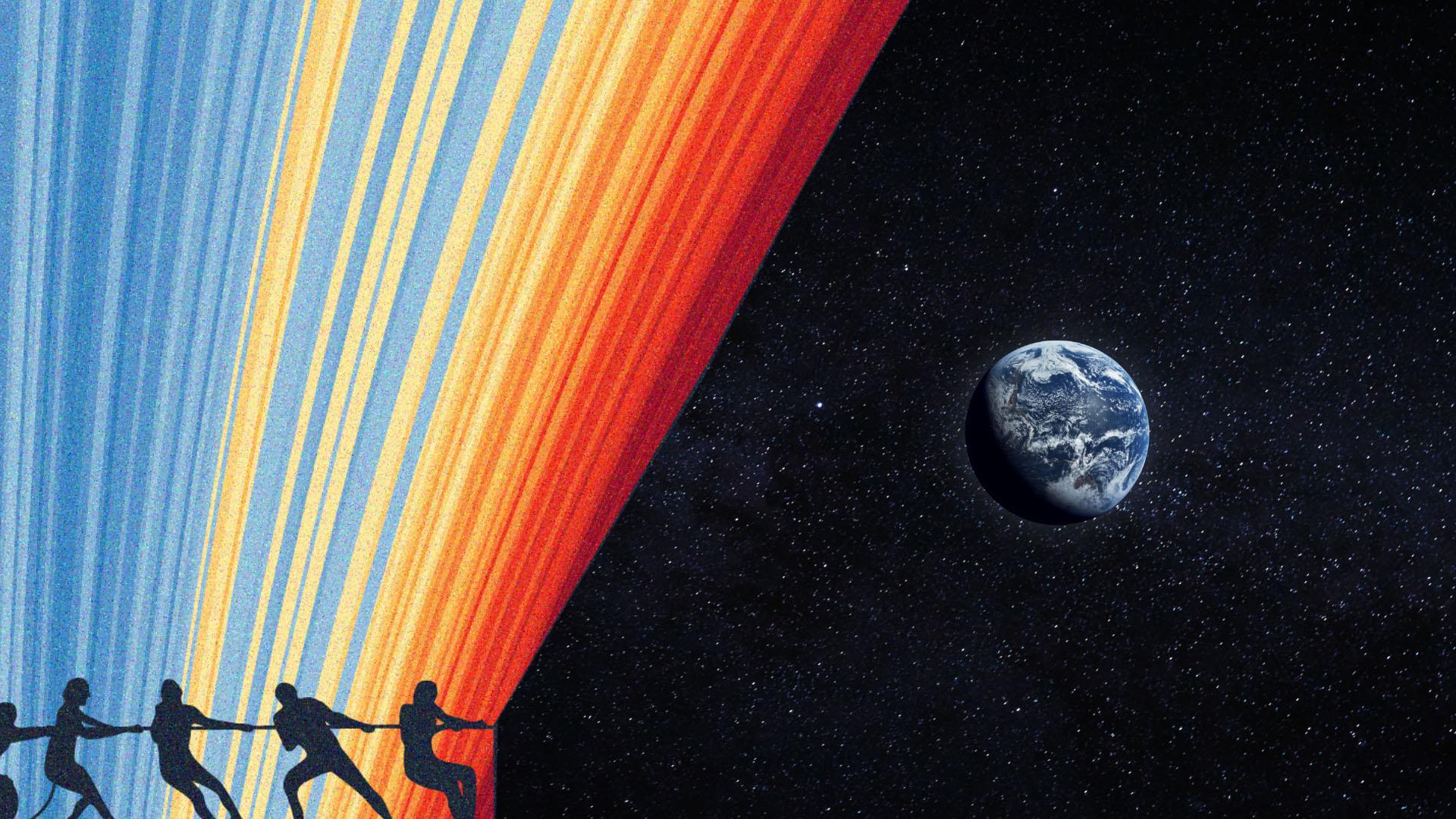
The science also told us we could have limited warming to 1.5˚C if we listened to climate scientists earlier, acted more quickly, and took bolder climate action.
Unfortunately, we didn’t. But that doesn’t mean we are doomed.
Q: Is missing 1.5˚C a big deal?
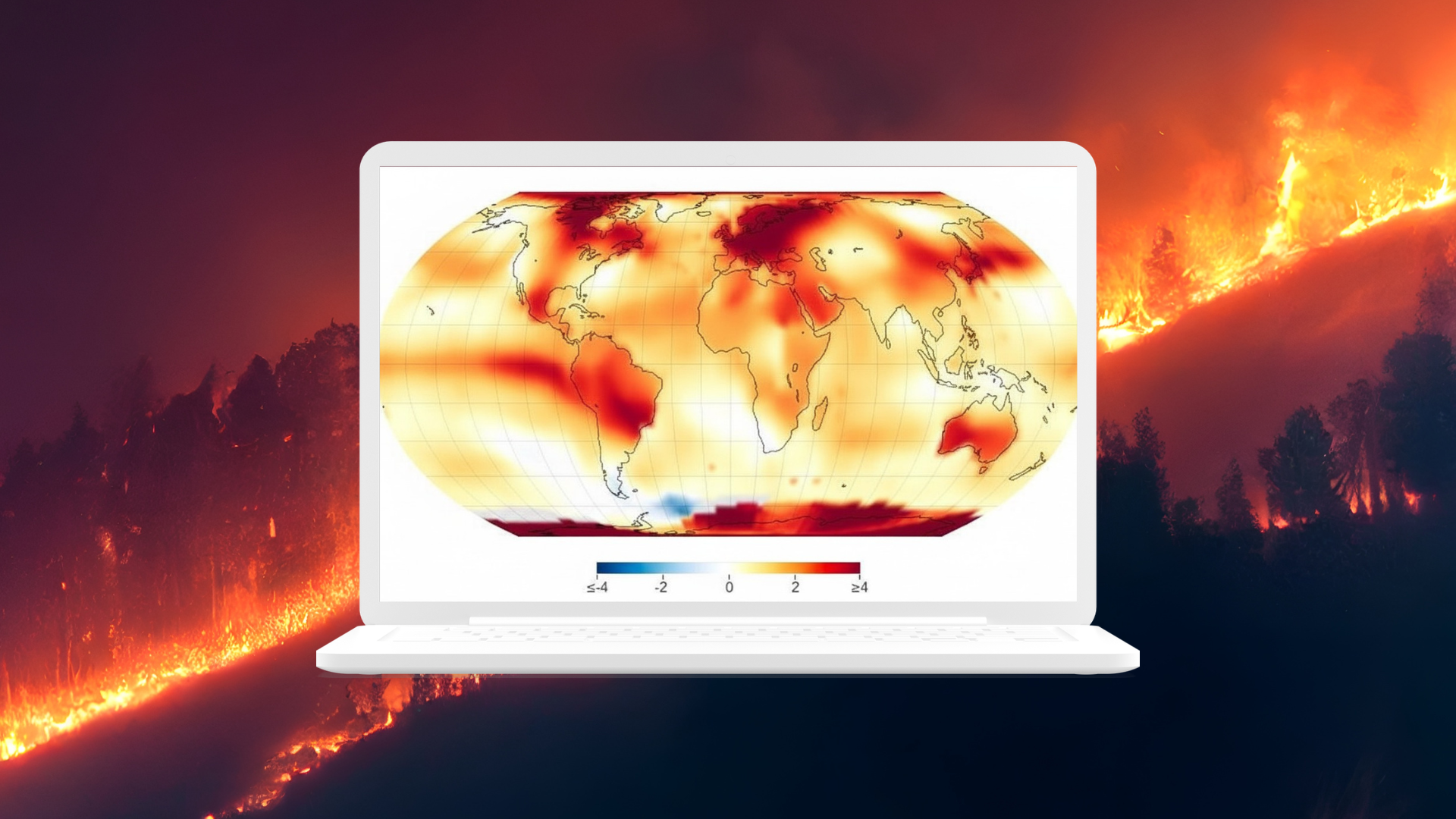
Missing any climate change target is bad, of course. As global temperatures increase, the negative impacts on things we care about – stable weather patterns, food production, air quality, health, and beyond – grow, often exponentially. A warmer world is a more dangerous world, as we are beginning to see. The last few years have brought the stark realities of climate change into the global zeitgeist through increasingly frequent and ferocious floods, fires, droughts, and other calamities.
But no single threshold determines the dangers of climate change. And there’s nothing intrinsically special about the 1.5˚C number itself. It’s not like 1.49˚C is perfectly safe and 1.51˚C is cataclysmic. That’s not how the planet works.
Project Drawdown’s good friend, Dr. Katharine Hayhoe, calls this an obsession with “magic numbers” – the belief that all climate risk can be reduced to a binary condition, centered on a single numerical value. But it’s just not that simple.
What we do know is that 1.5˚C is worse for us than 1.3˚C, our current level of warming. But it’s better than 1.8˚C, the lowest peak warming we can now expect according to the recent report.
Less warming is good. Less warming is safer. Less warming gives us a better chance at building a thriving future.
My colleague, Dr. Kate Marvel, has a great analogy for this concept: Smoking.
We know smoking is bad for you, and any reputable doctor will tell you that you need to quit as soon as possible. If you don’t, you could cause irreversible – maybe even fatal – damage to your body.
So, should you quit even if you’ve been smoking for just a few months? What about a few years, or decades? What if you were going to quit on a specific day but miss the deadline – is everything lost? Of course not.
And if you pass your self-imposed deadline to quit, is it worth still cutting back how many packs you smoke until you're ready to give it up completely? Of course.
Every cigarette left unsmoked benefits your health, just as every fraction of a degree of warming left unreached benefits our planet. Any delay will cause more, potentially serious and irreversible, damage.
Q: So, what do we do now?
It’s time to redouble our efforts. Not to give up or lose focus.
After all, climate change is happening now. It’s already harming ecosystems, natural resources, weather patterns, and humankind. Just look around. And if we keep emitting greenhouse gases, things will get worse.
But there is hope. The science that tells us that climate change is happening, and that we are going to breach the 1.5˚C climate target, also tells us that we can still change the future. Yes, the best climate outcomes set in Paris a decade ago (stabilizing at 1.5˚C) are out of reach, but the worst climate outcomes (warming exceeding 3, 4, or even 5˚C, which were considered the “business as usual” paths at the time) now seem unlikely, too. Today, we have the chance to keep warming under 2˚C – and in doing so, spare ourselves and future generations from the worst impacts of climate change.
When the consequences of inaction are so great, our only option is to keep striving to stop greenhouse gas emissions as quickly and safely as possible. Period. As we like to say here at Project Drawdown, it’s never “game over” on climate change, no matter the setback; it’s always “game on!”
Fortunately, we already know what to do. Our Drawdown Explorer platform has evaluated nearly 120 climate solutions, with more added every month. This work shows us that all of the solutions we need are already here. We just need to scale them, as quickly and strategically as we can.
Every ton of greenhouse gas pollution we don’t emit is a good thing. And every ton we do emit causes more harm. Any delay in our action makes things worse.
In the end, the best time for ambitious climate action was thirty years ago. The second best time is today. And obsessing over “magic numbers” doesn’t change that.
About the Author
Jonathan Foley, Ph.D., is a climate scientist and the Executive Director of Project Drawdown, the world’s leading resource for climate solutions. These views are his own.
About Project Drawdown
Project Drawdown is the world’s leading guide to science-based climate solutions. Our mission is to drive meaningful climate action around the world. A 501(c)(3) nonprofit organization, Project Drawdown is funded by individual and institutional donations.
This work is published under a Creative Commons CC BY-NC-ND 4.0 license. You are welcome to republish it following the license terms.