This solution can still help mitigate climate change but does not meet the scale to be considered a major climate solution.

Improve Manure Management

Image
Image
An image of a manure pit in an agricultural field
Coming Soon
Off
Summary

Improved manure management refers to the use of impermeable covers and physical or chemical treatments applied during the storage and processing of wet manure. These techniques can reduce methane emissions under anaerobic storage conditions and nitrous oxide emissions under aerobic conditions. They offer multiple environmental benefits, including reduced air pollution, reduced nutrient leaching and eutrophication of downstream aquatic systems, and reduced demand for energy-intensive synthetic fertilizers. Disadvantages include a relatively small climate impact and, except for covers, high costs. Even at an optimistic level of adoption, the climate impact is unlikely to be globally meaningful (<0.1 Gt CO₂‑eq/yr ). Despite this modest climate impact, we conclude that Improve Manure Management is a “Worthwhile” solution.

Description for Social and Search
Improved manure management refers to the use of impermeable covers and physical or chemical treatments applied during the storage and processing of wet manure.
Overview

What is our assessment? 

Based on our analysis, improved manure management using impermeable covers and physical or chemical treatments will reduce emissions, although not by a globally meaningful amount. However, because these manure management techniques are broadly available, we conclude this climate solution is “Worthwhile.”

Plausible Could it work? Yes
Ready Is it ready? Yes
Evidence Are there data to evaluate it? Yes
Effective Does it consistently work? Yes
Impact Is it big enough to matter? No
Risk Is it risky or harmful? No
Cost Is it cheap? ?

What is it? 

Manure generated from industrial livestock production contains significant quantities of organic carbon and nitrogen. Under low-oxygen conditions, bacteria convert organic material in manure to methane through anaerobic decomposition. Liquid manure, particularly from pigs and cows, produces significant quantities of methane. In oxygen-rich conditions, organic nitrogen in manure undergoes chemical reactions to produce nitrous oxide. Once produced, these GHGs diffuse towards the surface of the manure storage tank, where they are emitted into the atmosphere.

Improved manure management interrupts the production or release of methane and nitrous oxide through a structural barrier, or physical or chemical treatment processes. Manure storage covers made from impermeable synthetic materials effectively prevent the release of GHGs, and can be utilized in conjunction with biogas systems for energy generation. Chemical treatments, such as acidification and the addition of additives, suppress microbial activity, thereby inhibiting methane and nitrous oxide production. Physical processes, such as aeration and temperature reduction, similarly limit optimal conditions for microbial growth. Separating the solids and liquids from manure can also reduce the potential for methane production, enabling more effective solutions such as composting and anaerobic digestion.

Does it work? 

Available technologies for manure management are mature and market-ready. However, empirical evidence of their effectiveness for reducing methane emissions is limited. Pilot studies indicate high effectiveness of manure acidification, moderate effectiveness of impermeable synthetic covers, and low effectiveness of manure additives. Except for the use of natural and synthetic impermeable covers, the overall adoption of these techniques is low. 

Why are we excited? 

Improved manure management can provide environmental benefits by reducing air pollution, preventing nutrient leaching from organic solids that settle into sludge, mitigating eutrophication in downstream aquatic ecosystems, and preventing soil acidification. In the food system, manure management allows for better alignment between crop needs and natural fertilizer characteristics. Since hauling liquid manure is expensive, manure storage and treatment methods promote efficient nutrient cycling and reduce the need for energy-intensive synthetic fertilizers. Abated methane in manure also limits ground-level ozone production upon application, thereby improving crop yields.

At the farm scale, the wide range of treatment options allows for a high level of customization in the manure management process to achieve joint goals of nutrient management, revenue generation, and emission reductions. Covers also directly mitigate risks to farmworker health and safety from manure handling, and manure treatment can further limit exposure to irritants and noxious gases, improving the health of surrounding communities.

Why are we concerned?

Compared to no treatment and other manure-related solutions, such as composting and anaerobic digesters, evidence for the effectiveness of impermeable covers and manure treatment technologies is limited. At realistic levels of adoption, improving manure management is unlikely to have a globally meaningful climate impact (<0.1 Gt CO₂‑eq/yr ). High costs are also a key barrier to wider adoption, ranging from US$110–145/t CO₂‑eq for synthetic covers to US$500–3,000/t CO₂‑eq for other treatments. 

Ambikapathi, R., Periyasamy, D., Ramesh, P., Avudainayagam, S., Makoto, W., & Evgenios, A. (2023). Effect of ozone stress on crop productivity: A threat to food security. Environmental Research, 236, 116816. Link to source: https://doi.org/10.1016/j.envres.2023.116816

Ambrose, H. W., Dalby, F. R., Feilberg, A., & Kofoed, M. V. W. (2023). Additives and methods for the mitigation of methane emission from stored liquid manure. Biosystems Engineering, 229, 209–245. Link to source: https://doi.org/10.1016/j.biosystemseng.2023.03.015

Bijay, S., & Craswell, E. (2021). Fertilizers and nitrate pollution of surface and ground water: an increasingly pervasive global problem. SN Applied Sciences, 3(4). Link to source: https://www.doi.org/10.1007/s42452-021-04521-8

Fangueiro, D., Hjorth, M., & Gioelli, F. (2015). Acidification of animal slurry--a review. J Environ Manage, 149, 46–56. Link to source: https://www.doi.org/10.1016/j.jenvman.2014.10.001

FAO. (2023a). Methane emissions in livestock and rice systems – Sources, quantification, mitigation and metrics. Rome. Link to source: https://doi.org/10.4060/cc7607en

FAO. (2023b). Pathways towards lower emissions – A global assessment of the greenhouse gas emissions and mitigation options from livestock agrifood systems. Link to source: https://doi.org/10.4060/cc9029en

Grossi, G., Goglio, P., Vitali, A., & Williams, A. G. (2019). Livestock and climate change: Impact of livestock on climate and mitigation strategies. Anim Front, 9(1), 69-76. Link to source: https://doi.org/10.1093/af/vfy034

Harrison, M. T., Cullen, B. R., Mayberry, D. E., Cowie, A. L., Bilotto, F., Badgery, W. B., Liu, K., Davison, T., Christie, K. M., Muleke, A., & Eckard, R. J. (2021). Carbon myopia: The urgent need for integrated social, economic and environmental action in the livestock sector. Glob Chang Biol, 27(22), 5726–5761.  Link to source: https://doi.org/10.1111/gcb.15816

Hegde, S., Searchinger, T., & Díaz, M. J. (2025). Opportunities for Methane Mitigation in Agriculture: Technological, Economic and Regulatory Considerations. World Resources Institute: Washington DC. Link to source: https://www.wri.org/research/opportunities-methane-mitigation-agriculture-technological-economic-regulatory

Hou, Y., Velthof, G. L., & Oenema, O. (2015). Mitigation of ammonia, nitrous oxide and methane emissions from manure management chains: a meta-analysis and integrated assessment. Glob Chang Biol, 21(3), 1293–1312. Link to source: https://doi.org/10.1111/gcb.12767

Kanter, D. R., & Brownlie, W. J. (2019). Joint nitrogen and phosphorus management for sustainable development and climate goals. Environmental Science & Policy, 92, 1–8. Link to source: https://doi.org/10.1016/j.envsci.2018.10.020

Kupper, T., Häni, C., Neftel, A., Kincaid, C., Bühler, M., Amon, B., & VanderZaag, A. (2020). Ammonia and greenhouse gas emissions from slurry storage - A review. Agriculture, Ecosystems and Environment, 300(106963). Link to source: https://doi.org/10.1016/j.agee.2020.106963

Mohankumar Sajeev, E. P., Winiwarter, W., & Amon, B. (2018). Greenhouse Gas and Ammonia Emissions from Different Stages of Liquid Manure Management Chains: Abatement Options and Emission Interactions. J Environ Qual, 47(1), 30–41. Link to source: https://doi.org/10.2134/jeq2017.05.0199

Montes, F., Meinen, R., Dell, C., Rotz, A., Hristov, A. N., Oh, J., . . . Dijkstra, J. (2013). SPECIAL TOPICS—Mitigation of methane and nitrous oxide emissions from animal operations: II. A review of manure management mitigation options. J. Anim. Sci, 91, 5070–5094. Link to source: https://doi.org/10.2527/jas.2013-6584

Mukherji, A., Arndt, C., Arango, J., Flintan, F., Derera, J., Francesconi, W., Jones, S. Loboguerrero, A. M., Merrey, D., Mockshell, J., Quintero, M., Mulat, D. G., Ringler, C., Ronchi, L., Sanchez, M. E. N., Sapkota, T., & Thilsted, S. (2023). Achieving agricultural breakthrough: A deep dive into seven technological areas. Montpellier, France. Retrieved from: Link to source: https://hdl.handle.net/10568/131852.

Niles, M. T., Wiltshire, S., Lombard, J., Branan, M., Vuolo, M., Chintala, R., & Tricarico, J. (2022). Manure management strategies are interconnected with complexity across U.S. dairy farms. PLoS One, 17(6), e0267731. Link to source: https://doi.org/10.1371/journal.pone.0267731

Nour, M. M., Field, W. E., Ni, J.-Q., & Cheng, Y.-H. (2021). Farm-Related Injuries and Fatalities Involving Children, Youth, and Young Workers during Manure Storage, Handling, and Transport. Journal of Agromedicine, 26(3), 323–333. Link to source: https://doi.org/10.1080/1059924X.2020.1795034

Overmeyer, V., Trimborn, M., Clemens, J., Holscher, R., & Buscher, W. (2023). Acidification of slurry to reduce ammonia and methane emissions: Deployment of a retrofittable system in fattening pig barns. J Environ Manage, 331, 117263. Link to source: https://doi.org/10.1016/j.jenvman.2023.117263

Park, J., Kang, T., Heo, Y., Lee, K., Kim, K., Lee, K., & Yoon, C. (2020). Evaluation of Short-Term Exposure Levels on Ammonia and Hydrogen Sulfide During Manure-Handling Processes at Livestock Farms. Saf Health Work, 11(1), 109–117. Link to source: https://doi.org/10.1016/j.shaw.2019.12.007

Sokolov, V., VanderZaag, A., Habtewold, J., Dunfield, K., Wagner-Riddle, C., Venkiteswaran, J. J., & Gordon, R. (2019). Greenhouse Gas Mitigation through Dairy Manure Acidification. J Environ Qual, 48(5), 1435–1443. Link to source: https://doi.org/10.2134/jeq2018.10.0355

VanderZaag, A., Amon, B., Bittman, S., & Kuczyński, T. (2015). Ammonia Abatement with Manure Storage and Processing Techniques. In Costs of Ammonia Abatement and the Climate Co-Benefits (pp. 75–112). Link to source: https://doi.org/10.1007/978-94-017-9722-1

Wang, Y., Dong, H., Zhu, Z., Gerber, P. J., Xin, H., Smith, P., Opio, C., Steinfeld, H., & Chadwick, D. (2017). Mitigating Greenhouse Gas and Ammonia Emissions from Swine Manure Management: A System Analysis. Environ Sci Technol, 51(8), 4503–4511. Link to source: https://doi.org/10.1021/acs.est.6b06430

Wyer, K. E., Kelleghan, D. B., Blanes-Vidal, V., Schauberger, G., & Curran, T. P. (2022). Ammonia emissions from agriculture and their contribution to fine particulate matter: A review of implications for human health. J Environ Manage, 323, 116285. Link to source: https://doi.org/10.1016/j.jenvman.2022.116285

Credits

Lead Fellow

  • Aishwarya Venkat, Ph.D.

Internal Reviewer

  • Christina Swanson, Ph.D.
Action Word
Improve
Solution Title
Manure Management
Classification
Worthwhile
Updated Date

Protect Seafloors

Image
Image
An image of a seafloor featuring two pinkish-orange anemones
Coming Soon
Off
Summary

Protect Seafloors is the long-term protection of the seafloor from degradation, which helps preserve existing sediment carbon stocks and avoid CO₂ emissions. Advantages of seafloor protection include the conservation of biodiversity and marine ecosystems, potentially low costs, and the ability for immediate implementation. Disadvantages include uncertainties in the effectiveness of legal protection at preventing degradation and in the amount of CO₂ emissions avoided, as well as the risk of displacement of degradation to non-protected areas and/or an increase in other types of degradation. Given these considerations, we conclude that Seafloor Protection is a “Worthwhile” climate solution.

Description for Social and Search
Protecting seafloors helps preserve sediment carbon stocks and avoid CO₂ emissions. It is a worthwhile climate solution.
Overview

What is our assessment?

Based on our analysis, seafloor protection could avoid some CO₂ emissions while preserving critical marine ecosystems from degradation. However, the effectiveness of protection and the magnitude of avoided CO₂ emissions associated with protection are understudied and currently unclear. All told, we consider this a “Worthwhile” climate solution.

Plausible Could it work? Yes
Ready Is it ready? No
Evidence Are there data to evaluate it? Limited
Effective Does it consistently work? No
Impact Is it big enough to matter? Yes
Risk Is it risky or harmful? No
Cost Is it cheap? Yes

What is it?

Protect Seafloors aims to reduce human impacts that can degrade sediment carbon stocks and increase CO₂ emissions. Protection is conferred through legal mechanisms, such as Marine Protected Areas (MPAs), which are managed with the primary goal of conserving nature. The seafloor stores over 2,300 Gt of carbon (roughly 8,400 Gt CO₂‑eq) in the top one meter of sediment. This marine carbon can be stable and remain sequestered for millennia. However, degradation of the seafloor from a range of human activities can disturb bottom sediments, resuspending the carbon and increasing its microbial conversion into CO₂. Currently, degradation of the seafloor primarily results from fishing practices, such as trawling and dredging, which are estimated to occur across 1.3% of the global ocean. Additional sources of degradation include undersea mining, infrastructure development (for offshore wind farms, oil, and gas), and laying telecommunications cables. Estimates of seafloor degradation are highly uncertain due to data limitations and the unpredictable nature of how these activities may expand in the future.

Does it work?

More evidence is needed to confirm whether legal seafloor protection is effective at reducing degradation and the extent to which degradation results in increased CO₂ emissions. While ~8% of the seafloor is currently protected through MPAs, there is mixed evidence that legal protection reduces degradation and CO₂ emissions. For instance, in a review of 49 studies examining the impacts of bottom trawling and dredging on sediment organic carbon stocks, most (61%) showed no change, while nearly a third (29%) showed carbon loss. More recent work suggests that trawling intensity might drive these mixed results, with more heavily trawled areas showing clear reductions in sediment organic carbon. Additionally, the few existing global estimates of CO₂ emissions from trawling and dredging range from 0.03 to 0.58 Gt CO₂/yr, highlighting the need for further research. The effectiveness of MPAs at preventing seafloor degradation is also mixed. In strictly protected areas with enforcement of no-take policies that prevent bottom fishing, MPAs could help minimize degradation and retain seafloor carbon. However, implementation can be challenging, as over half of existing MPAs generally allow high-impact activities. For instance, trawling and dredging occur more frequently in MPAs than in non-protected areas in the territorial waters of Europe.

Why are we excited?

Advantages of seafloor protection include its potential low cost and its ability to conserve often understudied biodiversity and ecosystems.  Human activities, such as trawling and dredging, impact marine organisms on the seafloor, and ecosystem recovery can take years to occur. In the case of undersea mining, ecosystems may never fully recover. Increases in CO₂ emissions along the seafloor from degradation can also enhance local acidification and reduce the ocean's buffering capacity, both of which can affect marine organisms and the carbon sequestration capacity of seawater. Protection can also increase fisheries yields in neighboring waters and reduce other negative impacts of seafloor disturbances. While costs are somewhat uncertain, MPA expenses have been estimated to be an order of magnitude less than the often unseen ecosystem service benefits gained with protection, suggesting MPA expansion could provide cost savings.

Why are we concerned?

Disadvantages of seafloor protection include uncertainties surrounding the effectiveness of preventing degradation and avoiding CO₂ emissions, as well as the potential increased risk of disturbance to other ocean areas. The amount and fate of CO₂ generated due to the degradation of seafloor carbon is complex and understudied. It can take months or even centuries for CO₂ produced at depth to reach the sea surface and atmosphere. Current estimates of CO₂ emissions due to dredging and trawling are widely debated and highly variable due to differing methods and assumptions. Large amounts of organic carbon will inevitably re-settle after seafloor disturbances, with no impact on CO₂, but estimates of just how much remain uncertain. The risk of protection-induced leakage, where a reduction in disturbances, such as trawling and dredging in MPAs, leads to increased fishing effort in other ocean areas, is also potentially high.

Amoroso, R. O., Pitcher, C. R., Rijnsdorp, A. D., McConnaughey, R. A., Parma, A. M., Suuronen, P., ... & Jennings, S. (2018). Bottom trawl fishing footprints on the world’s continental shelves. Proceedings of the National Academy of Sciences, 115(43), E10275-E10282. Link to source: https://doi.org/10.1073/pnas.1802379115

Atwood, T. B., Witt, A., Mayorga, J., Hammill, E., & Sala, E. (2020). Global patterns in marine sediment carbon stocks. Frontiers in Marine Science, 7, 165. Link to source: https://doi.org/10.3389/fmars.2020.00165 

Atwood, T.B., Sala, E., Mayorga, J. et al. Reply to: Quantifying the carbon benefits of ending bottom trawling. Nature, 617, E3–E5 (2023). Link to source: https://doi.org/10.1038/s41586-023-06015-6 

Atwood, T. B., Romanou, A., DeVries, T., Lerner, P. E., Mayorga, J. S., Bradley, D., ... & Sala, E. (2024). Atmospheric CO2 emissions and ocean acidification from bottom-trawling. Frontiers in Marine Science, 10, 1125137. Link to source: https://doi.org/10.3389/fmars.2023.1125137 

Balmford, A., Gravestock, P., Hockley, N., McClean, C.J. and Roberts, C.M. (2004). The worldwide costs of marine protected areas. Proceedings of the National Academy of Sciences, 101(26), pp.9694-9697. Link to source: https://doi.org/10.1073/pnas.0403239101 

Burdige, D. J. (2005). Burial of terrestrial organic matter in marine sediments: a re-assessment. Global Biogeochem. Cycles, 19:GB4011. Link to source: https://doi.org/10.1029/2004GB002368 

Burdige, D. J. (2007). Preservation of organic matter in marine sediments: controls, mechanisms, and an imbalance in sediment organic carbon budgets? Chem. Rev., 107, 467–485. Link to source: https://doi.org/10.1021/cr050347q 

Carr, M. E., Friedrichs, M. A. M., Schmeltz, M., Aita, M. N., Antoine, D., Arrigo, K., et al. (2006). A comparison of global estimates of marine primary production from ocean color. Deep-sea Res. II, Top. Stud. Oceanogr., 53, 741–770. Link to source: https://doi.org/10.1016/j.dsr2.2006.01.028 

Clare, M. A., Lichtschlag, A., Paradis, S., & Barlow, N. L. M. (2023). Assessing the impact of the global subsea telecommunications network on sedimentary organic carbon stocks. Nature Communications, 14(1), 2080. Link to source: https://doi.org/10.1038/s41467-023-37854-6 

Dureuil, M., Boerder, K., Burnett, K. A., Froese, R., & Worm, B. (2018). Elevated trawling inside protected areas undermines conservation outcomes in a global fishing hot spot. Science, 362(6421), 1403-1407. Link to source: https://doi.org/10.1126/science.aau0561 

Epstein, G., Middelburg, J. J., Hawkins, J. P., Norris, C. R., & Roberts, C. M. (2022). The impact of mobile demersal fishing on carbon storage in seabed sediments. Global Change Biology, 28(9), 2875-2894. Link to source: https://doi.org/10.1111/gcb.16105 

Estes, E. R., Pockalny, R., D’Hondt, S., Inagaki, F., Morono, Y., Murray, R. W., ... & Hansel, C. M. (2019). Persistent organic matter in oxic subseafloor sediment. Nature Geoscience, 12(2), 126-131. Link to source: https://doi.org/10.1038/s41561-018-0291-5 

Kandasamy, S., & Nagender Nath, B. (2016). Perspectives on the terrestrial organic matter transport and burial along the land-deep sea continuum: caveats in our understanding of biogeochemical processes and future needs. Frontiers in Marine Science, 3, 259. Link to source: https://doi.org/10.3389/fmars.2016.00259 

Muller-Karger, F. E., Varela, R., Thunell, R., Luerssen, R., Hu, C., and Walsh, J. J. (2005). The importance of continental margins in the global carbon cycle. Geophys. Res. Lett., 32:L01602. Link to source: https://doi.org/10.1029/2004gl021346 

Putuhena, H., White, D., Gourvenec, S., & Sturt, F. (2023). Finding space for offshore wind to support net zero: A methodology to assess spatial constraints and future scenarios, illustrated by a UK case study. Renewable and Sustainable Energy Reviews, 182, 113358. Link to source: https://doi.org/10.1016/j.rser.2023.113358 

Sala, E., Mayorga, J., Bradley, D., Cabral, R. B., Atwood, T. B., Auber, A., ... & Lubchenco, J. (2021). Protecting the global ocean for biodiversity, food and climate. Nature, 592(7854), 397-402. Link to source: https://doi.org/10.1038/s41586-021-03371-z 

Sala, E., & Giakoumi, S. (2018). No-take marine reserves are the most effective protected areas in the ocean. ICES Journal of Marine Science, 75(3), 1166-1168. Link to source: https://doi.org/10.1093/icesjms/fsx059 

Siegel, D. A., DeVries, T., Doney, S. C., & Bell, T. (2021). Assessing the sequestration time scales of some ocean-based carbon dioxide reduction strategies. Environmental Research Letters, 16(10), 104003. Link to source: https://doi.org/10.1088/1748-9326/ac0be0 

(TMC, 2022) The Metals Company. (2022). How much seafloor will the nodule collection industry impact? Retrieved April 17, 2025, from Link to source: https://metals.co/how-much-seafloor-will-the-nodule-collection-industry-impact/ 

UNEP-WCMC and IUCN (2024). Protected Planet Report 2024. UNEP-WCMC and IUCN: Cambridge, United Kingdom; Gland, Switzerland. Link to source: https://digitalreport.protectedplanet.net/ 

Zhang, W., Porz, L., Yilmaz, R., Wallmann, K., Spiegel, T., Neumann, A., ... & Schrum, C. (2024). Long-term carbon storage in shelf sea sediments reduced by intensive bottom trawling. Nature Geoscience, 1-9. Link to source: https://doi.org/10.1038/s41561-024-01581-4 

van de Velde, S. J., Hylén, A., & Meysman, F. J. (2025). Ocean alkalinity destruction by anthropogenic seafloor disturbances generates a hidden CO2 emission. Science Advances, 11(13).Link to source: https://doi.org/10.1126/sciadv.adp9112 

Watson, S. C., Somerfield, P. J., Lemasson, A. J., Knights, A. M., Edwards-Jones, A., Nunes, J., ... & Beaumont, N. J. (2024). The global impact of offshore wind farms on ecosystem services. Ocean & Coastal Management, 249, 107023. Link to source: https://doi.org/10.1016/j.ocecoaman.2024.107023 

Credits

Lead Fellow

  • Christina Richardson, Ph.D.

Internal Reviewer

  • Christina Swanson, Ph.D.
Action Word
Protect
Solution Title
Seafloors
Classification
Worthwhile
Updated Date

Deploy Cool Roofs

Sector
Electricity
Image
Image
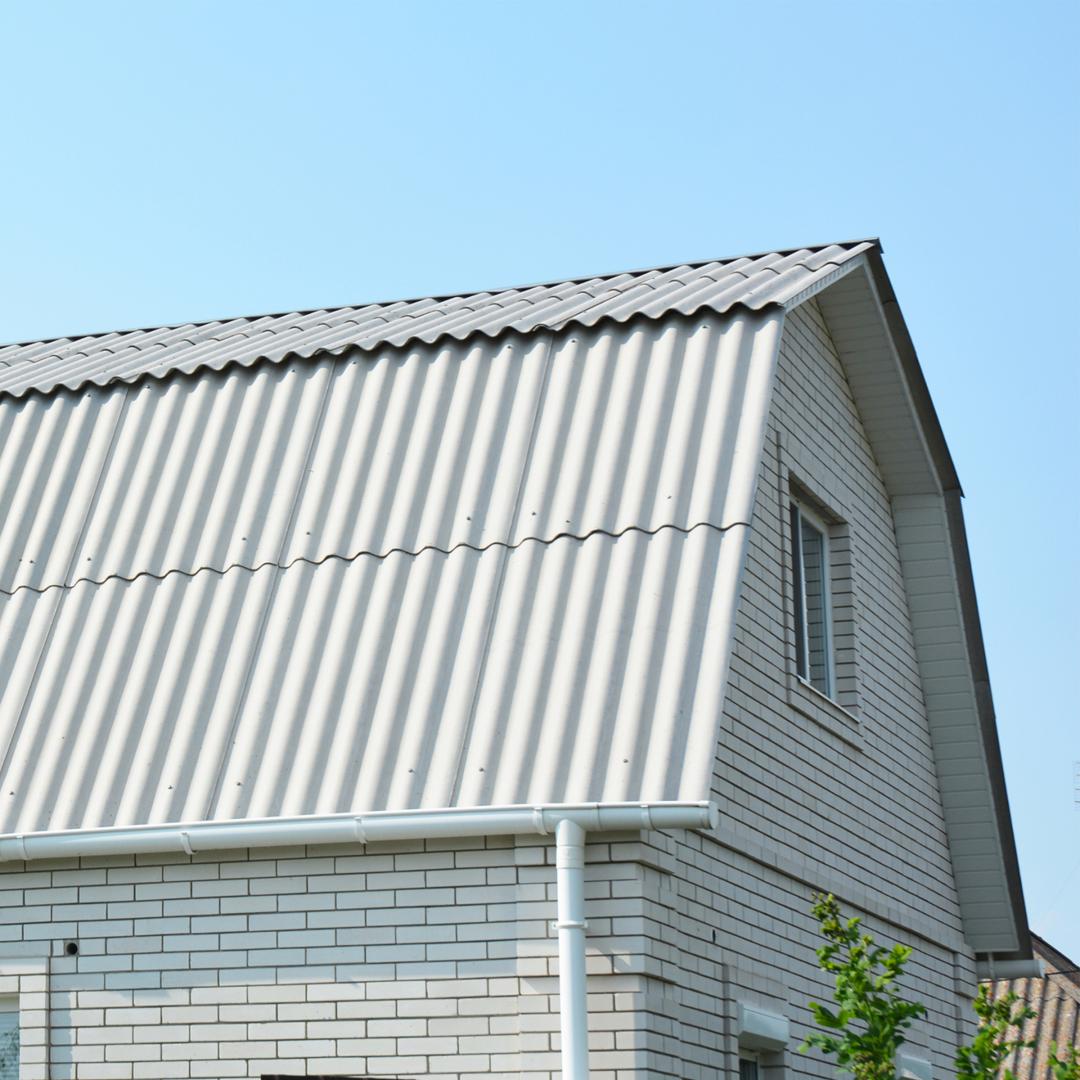
An image of a white house with a cool roof
Coming Soon
Off
Summary

Cool roofs cut GHG emissions from electricity generation by lowering the amount of cooling required to condition indoor spaces, thereby decreasing the use of air conditioners. Using cool roofs in building design lowers electricity use, improves thermal comfort for building occupants, and is relatively cheap to deploy. However, its potential climate impact is relatively small, and its relevance is largely limited to hot climates where buildings need more cooling than heating to be thermally comfortable. Its application has mostly been in pilot projects, but we conclude that this solution is “Worthwhile” with potential for large-scale deployment.

Description for Social and Search
The Use Cool Roofs solution is coming soon.
Overview

What is our assessment?

Our analysis concludes that the projected climate impact of using cool roofs on buildings is not large enough to be globally significant (>0.1 Gt CO₂‑eq/yr ). However, we consider it “Worthwhile” because it helps reduce electricity consumption in buildings, makes indoor spaces more thermally comfortable, and lessens the urban heat island effect.

Plausible Could it work? Yes
Ready Is it ready? Yes
Evidence Are there data to evaluate it? Limited
Effective Does it consistently work? Yes
Impact Is it big enough to matter? No
Risk Is it risky or harmful? No
Cost Is it cheap? Yes

What is it?

Using cool roofs reduces the amount of electricity needed to cool indoor spaces, thereby cutting GHG emissions from electricity generation. Cool roofs are generally defined as light-colored roofs designed to reflect more sunlight and transfer less solar energy into the interior compared to traditional roofs, thereby reducing cooling loads. Cool roofs can be achieved by applying coatings or using roofing materials with a high solar reflectance index (SRI), which results from high solar reflectance and thermal emittance. These properties ensure that surface temperatures on cool roofs remain substantially cooler than conventional roofs.

Does it work?

Using cool roofs can effectively reduce the amount of air conditioning needed to cool indoor spaces, though their potential to cut annual electricity use in buildings and resulting GHG emissions is minimal. Nonetheless, evidence from real-world applications demonstrates that the surface temperatures of cool roofs can be as much as 28–30°C cooler than conventional roofs on extremely hot afternoons. Other studies have shown that cool roofs can decrease indoor air temperatures by 2–3°C while simultaneously reducing surrounding outdoor air temperatures by about 10°C, thereby minimizing the urban heat island effect.

Several organizations are deploying initiatives to drive cool roof adoption as a passive cooling strategy in the building sector. For example, C40 Cities previously launched a cool roofs program across New York City. Over a six-year period (2009–2015), the initiative resulted in nearly 530,000 m2 of building roof tops being retrofitted as cool roofs. As of 2023, the United States is estimated to have over 232 million m2 of installed cool roofs. Recently, the Million Cool Roofs Challenge organized by the Global Cool Cities Alliance resulted in 1.1 million m2 of additional cool roofs in 2022 across 10 countries, including Indonesia, Mexico, and Rwanda.

Some studies estimate that about 229 billion m2 of roof space existed as of 2022. Given the existing building stock – and the fact that the bulk of projected new construction by 2050 is expected in regions with hot climates – the impact of this potential solution could grow.

Why are we excited?

There are several advantages to using cool roofs in buildings. First, it is cheap to implement, and the incremental cost of applying new coatings or selecting light-colored roofing materials during construction is often minimal compared to conventional roofs. Second, it is expedient as a cooling strategy when buildings are not mechanically air-conditioned or designed to be naturally ventilated. This is important because many countries in hot climates (where cooling is generally required for indoor thermal comfort more than heating) also lack access to reliable electricity, thereby necessitating the use of passive measures in building design. 

In addition, a recent analysis of 77 low- and middle-income countries determined that cooling systems are not readily available, sustainable, or affordable, especially for building applications, placing nearly 4 billion people at risk. Deploying scalable strategies such as cool roofs in buildings helps reduce exposure to these risks, which could lead to greater adoption and climate impact. Several studies have also shown that using cool roofs can help reduce indoor heat stress, especially in hot and humid environments. Others are exploring the concept of cool-colored roofs, where non-white roof materials can provide similar cooling effects while preserving aesthetic choice for building owners and developers. 

Why are we concerned?

Despite the advantages of using cool roofs as a potential climate solution, a few challenges exist. Some studies have shown that cool roofs can slightly increase heating loads during winter, especially in cold climates. However, other studies conclude that the increase is marginal and often inconsequential. Another concern is that cool roofs can produce glare as the incident sunlight is reflected. This could adversely impact building users if the buildings with cool roofs are surrounded by taller structures with daytime occupancy, such as offices, which is an increasing reality in urban spaces. Lastly, we found examples of pilot projects and resources for cool roofs, but could not find reliable datasets for a comprehensive assessment of their current impact. Addressing such data gaps could help drive cool roofs research, integration into industry practices and building codes, and, ultimately, greater adoption.

Bamdad, K. (2023). Cool roofs: A climate change mitigation and adaptation strategy for residential buildings. Building and Environment236, Article 110271. Link to source: https://doi.org/10.1016/j.buildenv.2023.110271 

C40 Cities. (2015, January). NYC CoolRoofs. C40 Cities Leadership Group, Inc. Link to source: https://www.c40.org/case-studies/nyc-coolroofs/#:~:text=The%20NYC%20%C2%B0CoolRoofs%20program%2C%20launched%20in%202009%2C,(GHG)%20and%20also%20directly%20cooling%20the%20city.

Challenge Works. (n.d.). Million cool roofs challenge. Retrieved January 16, 2026, from Link to source: https://challengeworks.org/challenge-prizes/million-cool-roofs-challenge/

Cool Roof Paint. (2025, November). Cool roof vs conventional roof. Link to source: https://www.coolroofpaint.com/cool-roof-vs-conventional-roof/

Cool Roof Rating Council. (n.d.). Resources: What is a cool roof? Retrieved December 22, 2025, from Link to source: https://coolroofs.org/resources/what-is-a-cool-roof

Energy Star. (n.d.). Cool roofs. U.S. Environmental Protection Agency. Retrieved January 05, 2026, from Link to source: https://www.energystar.gov/products/cool-roofs

Heat Island Group. (n.d.). Cool science. Energy Technologies Area, Berkeley Lab.  Retrieved December 23, 2025, from Link to source: https://heatisland.lbl.gov/coolscience/cool-roofs

Hosseini, M., Lee, B., & Vakilinia, S. (2017). Energy performance of cool roofs under the impact of actual weather data. Energy and Buildings145, 284–292. Link to source: https://doi.org/10.1016/j.enbuild.2017.04.006

Market Reports World. (2025, December 29). Cool Roofs Market Size, Share, Growth, and Industry Analysis, By Type (PVC(Polyvinyl Chloride), EPDM(Rubber), TPO(Thermoplastic)), By Application (Residential Buildings, Non-Residential Buildings), Regional Insights and Forecast to 2033. Link to source: https://www.marketreportsworld.com/market-reports/cool-roofs-market-14716807

Nutkiewicz, A., Mastrucci, A., Rao, N. D., & Jain, R. K. (2022). Cool roofs can mitigate cooling energy demand for informal settlement dwellers. Renewable and Sustainable Energy Reviews159, Article 112183. Link to source: https://doi.org/10.1016/j.rser.2022.112183

Sustainable Energy For All. (2022). Chilling prospects 2022: The million cool roofs challenge. Link to source: https://www.seforall.org/data-stories/million-cool-roofs-challenge

Sustainable Energy For All. (2025, July). Chilling prospects: Tracking sustainable cooling for all 2025. Link to source: https://www.seforall.org/data-stories/chilling-prospects-2025

U.S. Department of Energy. (n.d.). Cool roofs. Retrieved December 22, 2025, from Link to source: https://www.energy.gov/energysaver/cool-roofs

U.S. Environmental Protection Agency. (2025, May 30). Using cool roofs to reduce heat islands. Link to source: https://www.epa.gov/heatislands/using-cool-roofs-reduce-heat-islands

Ürge-Vorsatz, D., Chatterjee, S., Cabeza, L. F., & Molnár, G. (2025). Global and regional estimation and evaluation of suitable roof area for solar and green roof applications. Developments in the Built Environment21, Article 100607. Link to source: https://doi.org/10.1016/j.dibe.2025.100607

Credits

Lead Fellow

  • Henry Igugu, Ph.D.

Internal Reviewer

  • Christina Swanson, Ph.D.

Action Word
Deploy
Solution Title
Cool Roofs
Classification
Worthwhile
Updated Date
Subscribe to Worthwhile