This solution has potential but is not yet available in the real world – or the technology still lacks clear effectiveness, evidence, or a reasonable cost – and is not yet ready to be deployed.

Deploy Methane Digesters

Image
Image
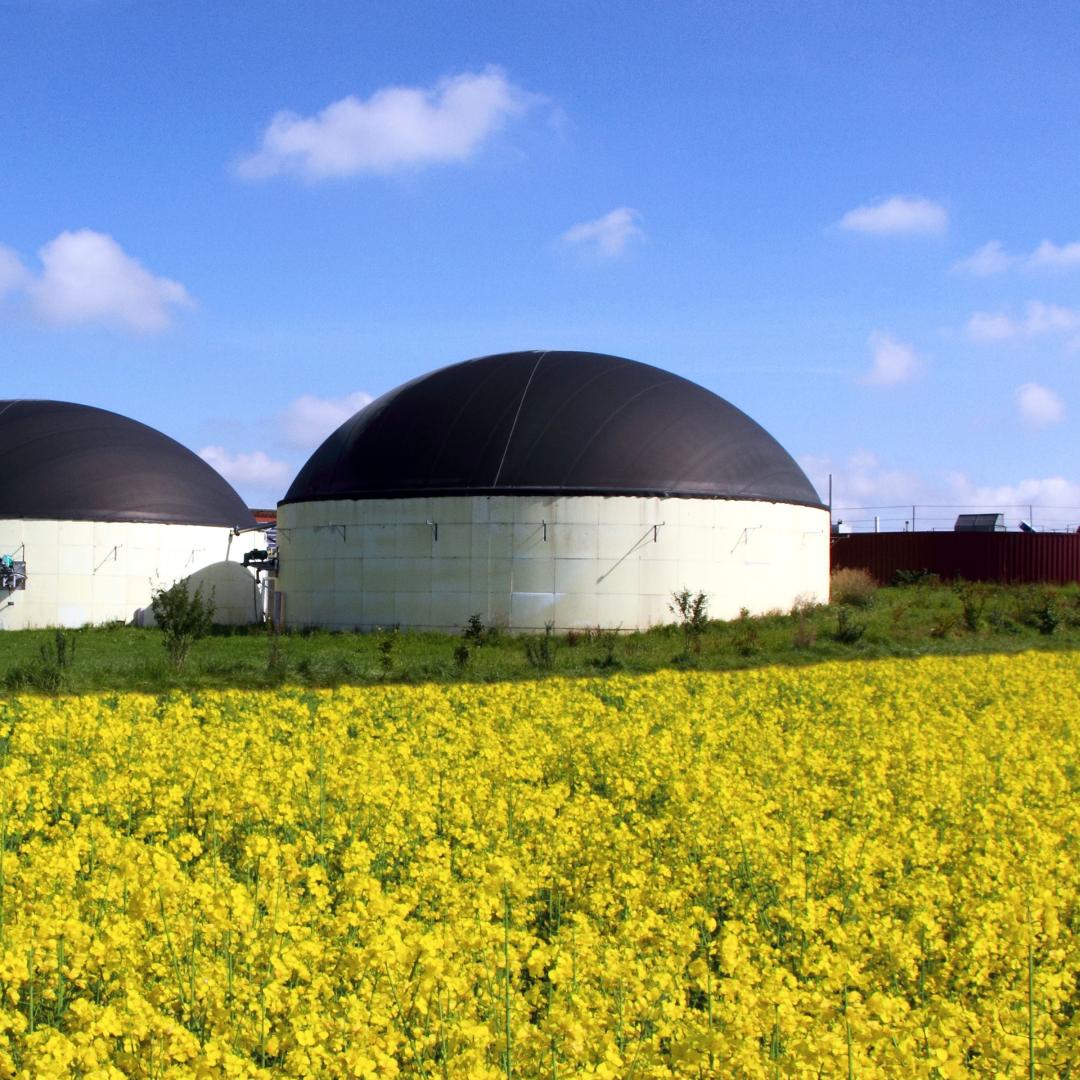
Methane digesters
Coming Soon
Off
Summary

Methane digesters are specialized devices that use anaerobic digestion to convert agricultural, industrial, or municipal organic waste into biogas and digestate, a nutrient-rich material. Treating organic waste using a methane digester reduces emissions by capturing methane that would have been released during uncontrolled anaerobic decomposition in a landfill or manure lagoon. In addition, the biogas produced by a methane digester can be used as fuel for heat, electricity, or transportation. However, emissions reduction efficacy depends on the type of organic feedstock used and methane leakage rates, which can be high. Methane digesters have been deployed in many parts of the world at various scales, from household to centralized industrial-scale digesters. Capital and operational costs can be high, but the sale of biogas can provide additional sources of revenue for farmers or waste disposal facilities. However, this could also incentivize increased waste production to meet biogas demand, leading to higher emissions. Based on our assessment, methane digesters can reduce emissions under specific conditions. However, due to their high costs, uneven effectiveness, and risk of incentivizing waste production, we will “Keep Watching” this potential solution.

Description for Social and Search
The Deploy Methane Digesters solution is coming soon.
Overview

What is our assessment?

Based on our analysis, methane digesters can reduce emissions only under some conditions. However, because of high methane leakage rates, relatively high costs, and the risk that they may incentivize high-emission activities, methane digesters are not broadly applicable for large-scale deployment. We will “Keep Watching” this potential climate solution.

Plausible Could it work? Yes
Ready Is it ready? Yes
Evidence Are there data to evaluate it? Limited
Effective Does it consistently work? No
Impact Is it big enough to matter? No
Risk Is it risky or harmful? No
Cost Is it cheap? No

What is it?

Methane digesters are specialized devices that utilize anaerobic digestion to convert agricultural, industrial, or municipal organic waste into useful products, such as biogas and digestate, in a controlled environment. Using methane digesters to treat organic waste reduces emissions by capturing methane that would have otherwise been released during uncontrolled anaerobic decomposition in landfills, manure lagoons, or other waste facilities. Methane digester-produced biogas, which is roughly 50% methane and 50% CO₂, along with some trace gases, can be used directly as a fuel or refined further into biomethane to replace natural gas use for heat, electricity, transportation, or industrial processes. Biogas can potentially reduce emissions from electricity or heat generation if it is used to replace a more emissions-intensive fuel. Biomethane, also called renewable natural gas, can be used as a drop-in replacement anywhere natural gas is used, such as in industrial processes.

Does it work?

The effectiveness of methane digesters for reducing emissions varies depending on the type of feedstock used and the amount of methane that leaks from the digester and any associated tanks, valves, and pipes. For manure and municipal organic waste, which often degrade in anaerobic environments and can emit methane directly to the atmosphere, capturing that methane in a methane digester and using the resulting biogas to replace a fossil fuel energy source can result in a net emissions reduction if methane leakage rates are low. In contrast, using agricultural crop residues, which typically degrade aerobically and produce CO₂, as feedstock for a methane digester may yield little or no reduction in net GHG emissions, largely due to methane leaks. Use of biogas for energy can also reduce emissions if it replaces a more carbon-intensive fuel. 

Why are we excited?

Methane digesters have been deployed in many parts of the world at various scales, from household to centralized industrial-scale digesters. They can use a wide variety of organic feedstocks from the agricultural, municipal, and industrial sectors. For municipal organic waste and concentrated livestock manure, methane digesters are more effective at reducing emissions than landfilling or most other manure management strategies. The biogas produced can be stored and used for on-site energy needs or as a fuel source for dispatchable electricity that supports intermittent clean energy options such as solar and wind generation. It can also be sold to provide additional sources of revenue for farmers or waste disposal facilities. The use of methane digesters can reduce noxious odors from waste, and the digestate can be used as material for animal bedding or fertilizer, reducing demand for synthetic fertilizers. 

Why are we concerned?

The most serious problem with methane digesters is that they are a significant source of methane leaks. Few data are available on leakage rates; however, the International Energy Agency (IEA) reports that methane leakage from biogas production can range from 0% to 12%, which is significantly higher than the average global methane leakage rate for oil and gas production of 1.2% in 2024. Over a 20-year time frame, methane is more than 80 times more potent than CO₂ at trapping heat in the atmosphere. Therefore, using methane digesters to process waste material that would otherwise degrade aerobically in order to produce methane-rich biogas could, due to high methane leakage rates, have an even greater warming impact than if the waste were left alone. The collection, transportation, and processing of feedstocks and the operation of the methane digesters also produce GHG emissions from fuel use. 

Methane digesters have a high capital cost and are more expensive than other forms of manure methane abatement, such as covers, physical treatments, or chemical treatments. Financial support from governments can help with the upfront installation costs, while low-cost feedstocks and expensive conventional fuel prices could help create an environment where biogas production is economically viable. However, these economic incentives may encourage poor farming practices or increased waste production. For example, dairy farmers may consider increasing their herd size to capitalize on revenues from the outputs of methane digesters, an outcome that would increase total methane emissions from agriculture. There are also health and safety concerns, as there have been instances of digester explosions and leaks that have injured people or harmed the environment.

References

Brown, D. (2025). Anaerobic digesters must be tightly regulated. Huron River Watershed Council. Link to source: https://www.hrwc.org/anaerobic-digesters-must-be-tightly-regulated/ 

CCAC secretariat. (2022). Biogas, a climate and clean air solution with many benefits. Climate & Clean Air Coalition. Link to source: https://www.ccacoalition.org/news/biogas-climate-and-clean-air-solution-many-benefits 

International Energy Agency. (2021). Global methane tracker 2021: Methane abatement and regulation. Link to source: https://www.iea.org/reports/methane-tracker-2021/methane-abatement-and-regulation 

International Energy Agency. (2022). The role of biogas and biomethane in pathway to net zero. Link to source: https://task37.ieabioenergy.com/wp-content/uploads/sites/32/2023/05/2022_12_12-IEA_Bioenergy_position-paper_Final2.pdf 

International Energy Agency. (2025). Global methane tracker 2025. Link to source: https://www.iea.org/events/global-methane-tracker-2025 

Krause, M. Kenny, S., Stephensons, J. & Singleton, A (2023). Food waste management: Quantifying methane emissions from landfilled food waste. U.S. Environmental Protection Agency. Link to source: https://www.epa.gov/system/files/documents/2023-10/food-waste-landfill-methane-10-8-23-final_508-compliant.pdf

Liebetrau, J., Rensberg, N., Maguire, D., Archer, D., Wall, D., & Murphy, J. D. (2021). Renewable gas – discussion on the state of the industry and its future in a decarbonised world. International Energy Agency. Link to source: https://task37.ieabioenergy.com/wp-content/uploads/sites/32/2022/02/Renewable_Gas_Report_END.pdf 

Murphy, J. D., Rusmanis, D., Gray, N., & O’Shea, R. (2024). Circular economy approaches to integration of anaerobic digestion with power to X technologies. IEA Bioenergy Task 37. Link to source: https://task37.ieabioenergy.com/wp-content/uploads/sites/32/2024/03/IEA_power_to_Xreport_END.pdf 

Smith P., Reay D., & Smith J. (2021). Agricultural methane emissions and the potential for mitigation. Philosophical Transactions A. Link to source: https://doi.org/10.1098/rsta.2020.0451 

Toussaint, K. (2023). Renewable natural gas has become a climate darling - but there’s a catch. Fast Company. Link to source: https://www.fastcompany.com/90970432/renewable-natural-gas-has-become-a-climate-darling-but-theres-a-catch 

Williams, M. (2024). Dairy Digesters Promise to Cut Methane — Unfortunately, They Might Be an Inefficient Band-Aid. Sentient Climate. Link to source: https://sentientmedia.org/dairy-digesters-methane/ 

Zeniewski, P., Gould, T., McGlade, C., Hays, J., Hwang, G. Báscones, A. A., Minier, Q., StClair, N. & Takashiro, J. (2025). Outlook for biogas and biomethane: A global geospatial assessment. International Energy Agency. Link to source: https://www.iea.org/reports/outlook-for-biogas-and-biomethane 

Credits

Lead Fellow

  • Jason Lam

Internal Reviewer

  • Christina Swanson, Ph.D.
Action Word
Deploy
Solution Title
Methane Digesters
Classification
Keep Watching
Updated Date
Coming Soon Label
Coming Soon

Deploy Bioelectricity With Carbon Capture & Storage

Image
Image
Peatland
Coming Soon
On
Description for Social and Search
The Deploy Bioelectricity With Carbon Capture & Storage solution is coming soon.

Methods and Supporting Data

Action Word
Deploy
Solution Title
Bioelectricity With Carbon Capture & Storage
Classification
Keep Watching
Updated Date
Coming Soon Label
Coming Soon

Deploy District Cooling

Sector
Electricity
Image
Image
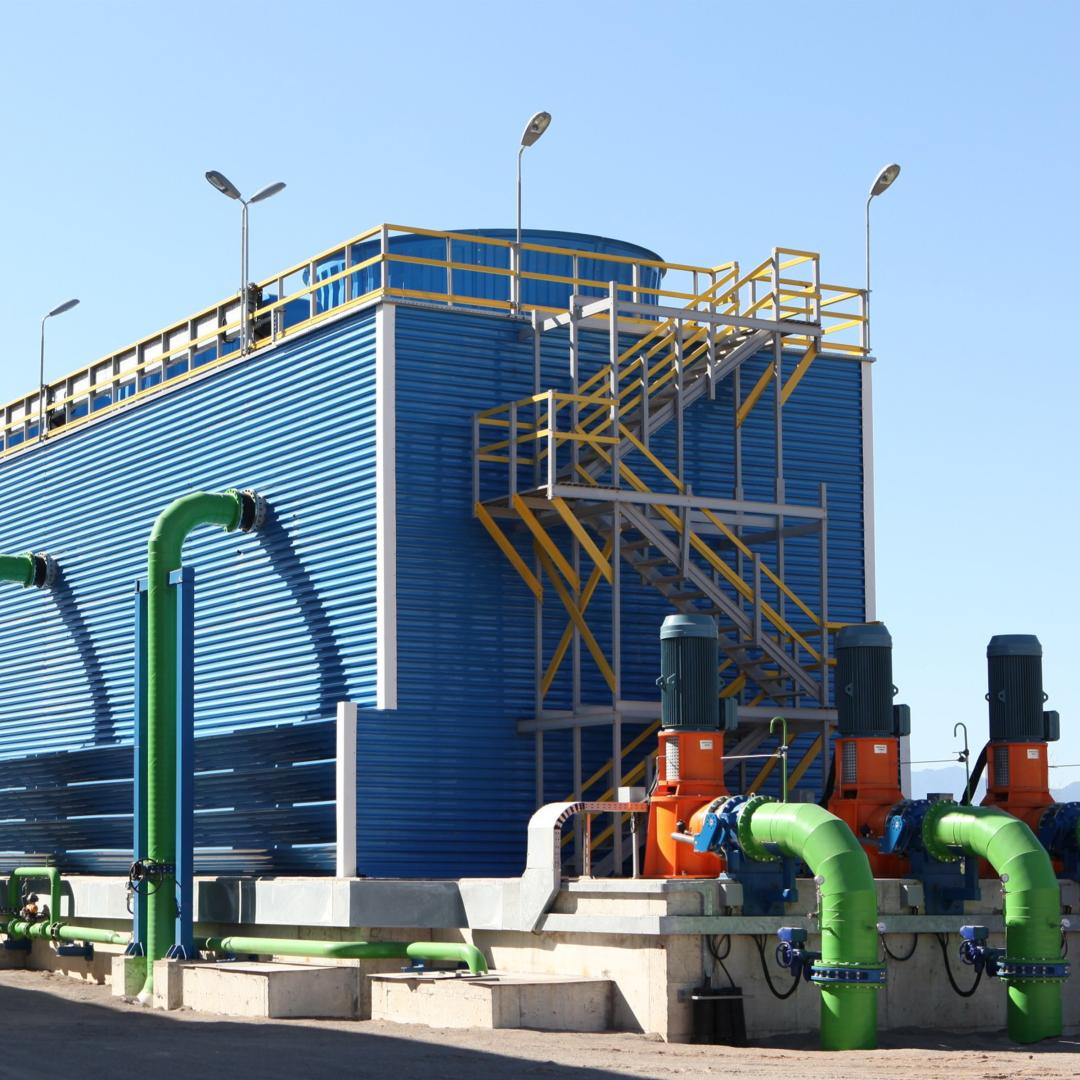
A large district cooling facility
Coming Soon
Off
Summary

Deploying district cooling is the process of connecting multiple buildings in a dense area to a single, highly efficient source of cooling. The increased energy efficiency and reduction in use of high global warming potential refrigerants can translate into substantial emissions reductions and lower operating expenses. District cooling systems that integrate cool thermal storage have the potential to significantly reduce electricity demand during peaks when demand for cooling can strain electricity grids. However, the high upfront cost, long-term planning, and large number of stakeholders involved make this a challenging solution, especially in low- and middle-income countries where new demand for cooling is growing. Lack of publicly available data also makes this potential solution difficult to explore in greater depth. Based on our assessment, we will “Keep Watching” this potential solution.

Description for Social and Search
District cooling systems that integrate cool thermal storage have the potential to significantly reduce electricity demand during peaks.
Overview

What is our assessment?

Based on our analysis, deploying district cooling is a potentially impactful option for reducing emissions from buildings as demand for cooling continues to grow. However, upfront cost and project complexity are major barriers to deployment, and a lack of data is a barrier to deeper analysis. This potential solution is therefore classified as “Keep Watching.”

Plausible Could it work? Yes
Ready Is it ready? Yes
Evidence Are there data to evaluate it? No
Effective Does it consistently work? Yes
Impact Is it big enough to matter? Yes
Risk Is it risky or harmful? No
Cost Is it cheap? No

What is it?

District cooling consists of a centralized cooling system that distributes chilled water to multiple buildings through a network of insulated underground pipes. The cooled water absorbs heat from the buildings, replacing the need for air conditioners or chillers in each building. District cooling can produce cooled water from a variety of renewable sources, such as renewable electricity, solar cooling, and natural cooling sources, including seawater, lakewater, rivers, and groundwater. It can even use waste heat from industry to generate cooling. Many systems include thermal energy storage facilities where frozen water, cold water, or phase change materials are cooled when electricity prices are low for use during peak hours to save costs and reduce strain on the electricity grid. District cooling is best applied to high-density areas and can be combined with district heating to provide year-round conditioning. 

Does it work?

When district cooling replaces conventional standalone systems in residential and commercial buildings, it can reduce emissions through two main mechanisms. First, many district cooling systems exchange heat with natural sources of cooling such as oceans, deep lakes, and rivers, a process that can be many times more energy efficient than conventional cooling systems. This results in reduced energy use and reduced emissions from the electricity used to operate the system. Second, district cooling systems can reduce the use of refrigerants with high global warming potentials, which can leak at all stages of a cooling system’s lifespan. When replacing standalone systems, district cooling can significantly reduce the total volume of refrigerants used. In addition, some district cooling systems do not use any refrigerants at all (e.g., exchanging heat with ocean or deep lake water), and many are able to use refrigerants with low global warming potentials. For instance, the Zuidas International Business Hub in the Netherlands adopted a district cooling system that uses lake cooling combined with chillers, reducing emissions by 75% compared to conventional cooling systems. 

Why are we excited?

According to the International Energy Agency (IEA), global carbon emissions from cooling buildings reached 1.02 Gt CO₂‑eq in 2022. The majority of emissions associated with cooling are from standalone systems such as window air conditioners and chillers that serve a single building. District cooling systems are relatively rare at this time, with most capacity found in the United States and the Gulf Arab States. While existing district cooling systems can be made less emitting, there may be greater potential for new systems because demand for cooling is increasing by ~4%/yr as global temperatures rise and as standards of living improve in regions that experience high temperatures. This is raising concerns about the new electricity generating capacity needed when demand peaks on very hot days. District cooling systems can reduce overall energy use for cooling relative to standalone systems, and when paired with cool thermal storage, can significantly reduce demand during peak hours and on hot days. Building owners can enjoy less maintenance costs, more reliable cooling, and increased floor space when district cooling systems replace bulkier standalone cooling systems. In dense areas with good access to natural or low-cost cooling sources, district cooling systems can cost less to operate and offer lifetime savings despite the higher upfront costs. 

Why are we concerned?

Deploying district cooling systems has high upfront costs and requires extensive planning and coordination among a wide range of stakeholders. These projects can face challenges in getting financing due to a lack of confidence for both investors and customers, uncertainty about future loads, and regulatory barriers. These can be especially challenging in low- and middle-income countries where demand for cooling is growing rapidly. Many buildings are likely to invest in standalone systems in the near term, locking them into alternatives and weakening the business case for district systems in the area. Meanwhile, the full potential is difficult to assess due to a lack of data on district cooling systems globally.


References

Al-Nini, A., Ya, H. H., Al-Mahbashi, N., & Hussin, H. (2023). A Review on Green Cooling: Exploring the Benefits of Sustainable Energy-Powered District Cooling with Thermal Energy Storage. Sustainability15(6), 5433. Link to source: https://doi.org/10.3390/su15065433  

Delmastro, C., Martinez-Gordon, R., Lane, K., Voswinkel, F., Chen, O., & Sloots, N. (2023). Space cooling. IEA. Link to source: https://www.iea.org/energy-system/buildings/space-cooling  

Energy Sector Management Assistance Program. (2020). Primer for space cooling (Knowledge Series). World Bank. Link to source: https://documents1.worldbank.org/curated/en/131281601358070522/pdf/Primer-for-Space-Cooling.pdf 

Eveloy, V., & Ayou, D. S. (2019). Sustainable District Cooling Systems: Status, Challenges, and Future Opportunities, with Emphasis on Cooling-Dominated Regions. Energies12(2), 235. Link to source: https://doi.org/10.3390/en12020235  

IEA. (2018). The future of cooling: Opportunities for energy-efficient air conditioning. Link to source: https://iea.blob.core.windows.net/assets/0bb45525-277f-4c9c-8d0c-9c0cb5e7d525/The_Future_of_Cooling.pdf  

IEA District Heating and Cooling. (2019). Sustainable district cooling guidelines. International Energy Agency. Link to source: https://iea.blob.core.windows.net/assets/a5da464f-8310-4e0d-8385-0d3647b46e30/2020_IEA_DHC_Sustainable_District_Cooling_Guidelines_new_design.pdf  

International district energy association. (2008). District cooling best practice guide, first edition. Link to source: https://higherlogicdownload.s3.amazonaws.com/DISTRICTENERGY/998638d1-8c22-4b53-960c-286248642360/UploadedImages/Conferences/District_Cooling_Best_Practice_Guide.pdf  

Lienard, V. (n.d.). How can we cool our cities? Euroheat and Power. Retrieved August 18, 2025, from Link to source: https://energy-cities.eu/wp-content/uploads/2025/03/District-cooling_Euro-Heat-and-Power.pdf  

Voswinkel, F., Senat, D., Valle, N. D., D’Angiolini, G., & Callioni, F. (2025, July 28). Staying cool without overheating the energy system. IEA. Link to source: https://www.iea.org/commentaries/staying-cool-without-overheating-the-energy-system  

Werner, S. (2017). International review of district heating and cooling. Energy137, 617–631. Link to source: https://doi.org/10.1016/j.energy.2017.04.045  

Credits

Lead Fellow

  • Heather McDiarmid, Ph.D.

Internal Reviewers

  • Christina Swanson, Ph.D.
Action Word
Deploy
Solution Title
District Cooling
Classification
Keep Watching
Updated Date
Coming Soon Label
Coming Soon
Subscribe to Keep Watching