Sector Color
8A5AEF

Deploy Waste to Energy

Image
Image
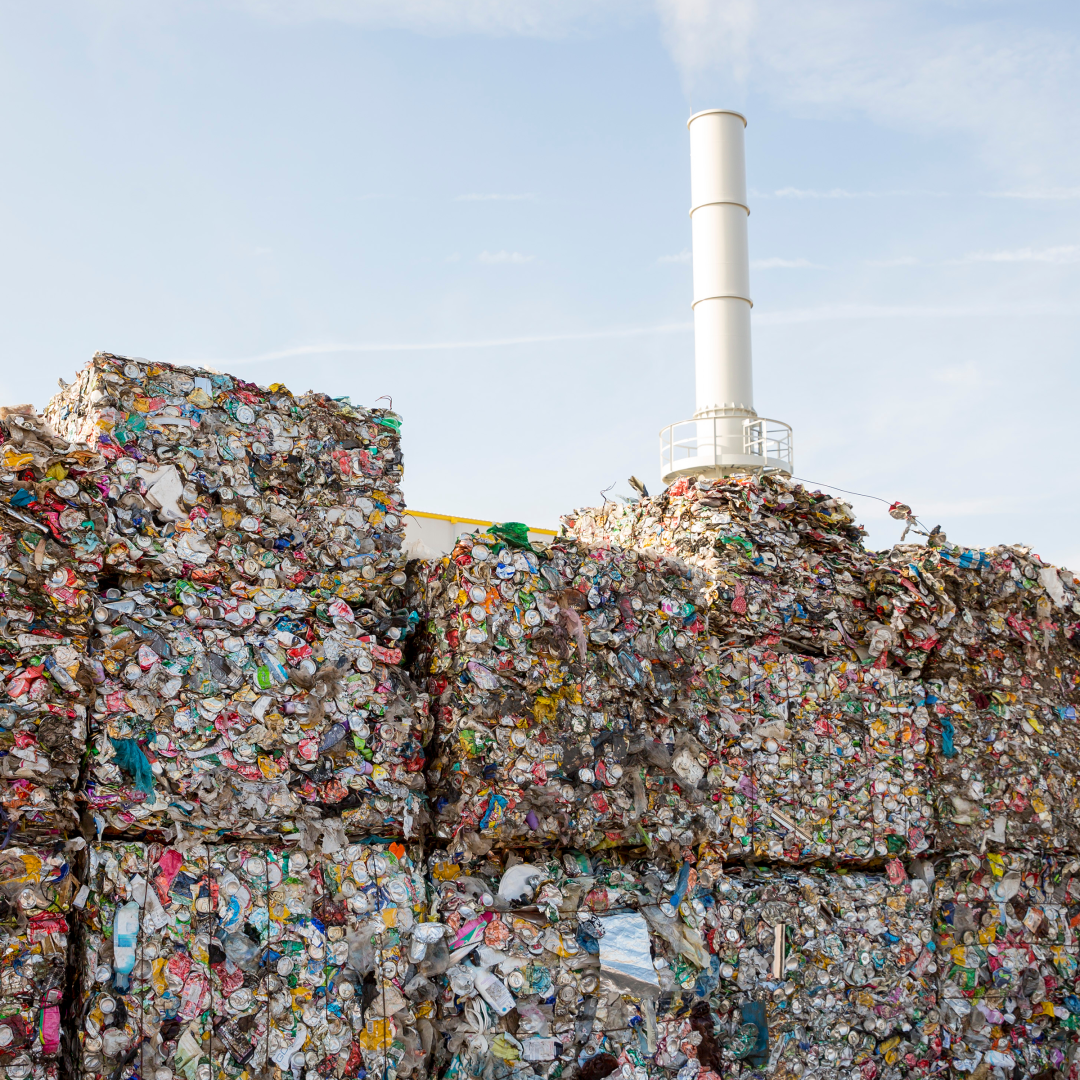
An image of pallets of waste in front of a waste to energy facility
Coming Soon
On
Summary

Waste to energy (WTE) uses high temperature incineration to burn municipal, agricultural, and forest waste to generate electricity and heat. This technology can be used to displace fossil fuels for energy production and, by diverting waste from landfills, it avoids emissions from waste decomposition, including methane. The effectiveness of WTE in reducing GHG emissions is highly variable, depending on waste type and quality, combustion characteristics, air pollution controls, alternative disposal methods, and the type of electricity generation that it displaces. While WTE can reduce waste volumes by up to 90%, it requires a steady supply of waste, which can incentivize waste production or importation. WTE produces significant toxic air pollution, which requires strict standards, advanced air pollution control systems, and continuous monitoring to minimize harmful emissions. In most regions, WTE is the most expensive waste management method, and it can displace other waste treatment technologies, like recycling, that reduce emissions more effectively. Under most circumstances, incinerating waste to produce electricity or heat is not an effective method for reducing GHG emissions; therefore, it is “Not Recommended” as a climate solution.

Description for Social and Search
The Use Waste to Energy solution is coming soon.
Overview

What is our assessment?

Because incineration of waste to produce electricity and/or heat does not reduce emissions in most circumstances, and it can displace or disincentivize other, more effective waste treatment practices, Deploying Waste to Energy is “Not Recommended” as a climate solution.

Plausible Could it work? No
Ready Is it ready? Yes
Evidence Are there data to evaluate it? Yes
Effective Does it consistently work? No
Impact Is it big enough to matter? No
Risk Is it risky or harmful? No
Cost Is it cheap? No

What is it?

Waste to energy (WTE) uses high temperature incineration (above 800oC) of waste, including municipal solid waste (MSW), medical or hazardous waste, and waste biomass from agriculture and forestry, to generate electricity and/or heat. This energy production technology can be used to displace fossil fuel energy sources. However, like fossil fuels, the incineration process produces GHGs during combustion, primarily CO₂ and nitrous oxides, as well as ash and other pollutants as byproducts. WTE also diverts waste from landfills and open dumps, avoiding high-impact methane emissions from decomposing organic materials and pollution and health risks from inorganic or toxic materials. Globally, there are more than 1,700 WTE plants. According to the International Energy Agency (IEA) World Energy Balances, WTE from industrial and municipal waste accounted for less than 0.5% of global energy production in 2022. Around 62% of WTE plants are in Asia, 33% are in Europe, and 4.5% are in North America. Other waste to energy technologies, such as pyrolysis and gasification, which use heat to convert organic materials into various forms of syngas, are evaluated in other Drawdown Explorer solutions and not included here. 

Does it work?

The effectiveness of WTE for reducing GHG emissions when substituting for fossil fuels for heat and energy, while also avoiding landfill emissions, is highly variable. Effectiveness varies with waste type and quality, combustion characteristics, air pollution controls, alternative disposal methods, and the type of electricity generation that it displaces. WTE incineration is less energy efficient than natural gas or coal for producing electricity (20–30% for WTE compared to 40–60%), and relatively more waste must be burned to produce comparable amounts of energy. WTE incineration is also less energy efficient than pyrolysis (40–75%), gasification (40–60%), and even methane digestion (30–40%). In regions that incinerate large proportions of plastic waste, such as South Korea and China, emissions are higher than for landfilling the waste. For some waste streams in some regions, other treatment strategies such as recycling, composting, pyrolysis, gasification, or the production of biochar, bio-oils, or bio-bricks yield greater emissions reductions.

Why are we excited? 

WTE can reduce waste volumes by up to 90%. In high-income regions without available land for sanitary landfills with landfill gas capture systems (see Improve Landfill Management), incineration is a viable alternative for post-recycling, hazardous, industrial, or medical waste. However, incineration of these waste streams requires strict standards, advanced air pollution control systems, and continuous monitoring to minimize harmful emissions of toxic pollutants. 

Why are we concerned?

In almost all circumstances, incinerating waste to produce reliable electricity or heat is not an effective method for reducing GHG emissions. WTE plants require a steady stream of waste feedstock to ensure ideal combustion conditions for electricity and heat production. This can incentivize waste production and disincentivize alternative waste treatments that reduce emissions more effectively. For example, in the European Union (EU), where incineration is widely used, some countries need to import waste to maintain energy production. This offsets some or all of the potential climate benefit due to emissions during transport and may divert attention from better waste management solutions, such as regulations on packaging, recycling, and composting. In other countries, high incineration rates of MSW (above 30%) are correlated with declines in recycling rates. For example, in 2018, Japan incinerated over 80% of MSW while only 4.9% was recycled. Recent policy initiatives there now focus on increasing recycling, which effectively and consistently reduces emissions, and decreasing incineration through source separation of waste. According to one study, chemically recycling plastic waste rather than incinerating it saves 0.82 kg CO₂‑eq /kg of feedstock. 

WTE is a substantial source of toxic air pollution. Poorly constructed, unregulated incinerators generate air pollution and large amounts of ash that will need further treatment. Advanced air pollution control systems are required to minimize emissions of GHGs and pollutants, including particulate matter, sulfur dioxide, nitrogen oxides, carbon monoxide, other acid gases, heavy metals, and persistent organic pollutants like dioxins. Even in high-income countries with strict air quality standards, polluting incinerators are disproportionately sited in under-resourced communities, which exacerbates environmental justice issues. In the United States, 79% of incinerators are located in low-income or minority communities. 

Finally, WTE is the most expensive waste management method in most regions, largely due to high capital costs. In 2018, all countries using industrial incinerators for incinerating more than 10% of MSW were high-income, except China. The addition of necessary emission control and monitoring systems further increases costs, making WTE more expensive than methane digesters or landfills with gas capture systems.

Solution in Action

Abedin, T., Pasupuleti, J., Paw, J.K.S., Tak, Y. C., Islam, M. R., Basher, M. K., & Nur-E-Alam, M. (2025). From waste to worth: Advances in energy recovery technologies for solid waste management. Clean Technologies and Environmental Policy27, 5963–5989. Link to source: https://doi.org/10.1007/s10098-025-03204-x 

Al-Hammadi, M. and Güngörmüşler, M. (2025). From refuse to resource: Exploring technological and economic dimensions of waste-to-energy. Biofuels, Bioproducts, & Biorefining19, 570–592. Link to source: https://doi.org/10.1002/bbb.2723 

Climate Policy Initiative. (2025). Financial analysis of solid waste management business models: Case studies in Indonesia and Brazil. Link to source: https://www.no-burn.org/wp-content/uploads/2025/06/Financial-Analysis-of-Solid-Waste-Management-Business-Models.pdf 

Cui, W., Wei, Y., and Ji, N. (2024). Global trends of waste-to-energy (WtE) technologies in carbon neutral perspective: Bibliometric analysis. Ecotoxicology and Environmental Safety270, Article 115913. Link to source: https://doi.org/10.1016/j.ecoenv.2023.115913 

Delkash, M. (2026). Air emissions from combustion and incineration processes: Insights into air quality and US EPA regulations. Water, Air, & Soil Pollution237, Article 104. Link to source: https://doi.org/10.1007/s11270-025-08765-7 

Global Alliance for Incinerator Alternatives. (2019). Pollution and health impacts of waste-to-energy incineration [Fact sheet]. Link to source: https://www.no-burn.org/wp-content/uploads/Pollution-Health_final-Nov-14-2019.pdf 

Global Alliance for Incinerator Alternatives. (2025). Clearing the air: The truth behind waste incineration. Link to source: https://www.no-burn.org/resources/clearing-the-air-the-truth-behind-waste-incineration/ 

International Energy Agency. (2024b). World energy balances—Data product. Link to source: https://www.iea.org/data-and-statistics/data-product/world-energy-balances 

Kinnaman, T. C., & Yamamoto, M. (2023). Has incineration replaced recycling? Evidence from OECD countries. Sustainability15(4), Article 3234. Link to source: https://doi.org/10.3390/su15043234 

Kwon, Y., Choi, K., & Jang, Y.-C. (2023). Greenhouse gas emissions from incineration of municipal solid waste in Seoul, South Korea. Energies16(12), Article 4791. Link to source: https://doi.org/10.3390/en16124791 

Lisbona, P., Pascual, S., & Pérez. V. (2023). Waste to energy: Trends and perspectives. Chemical Engineering Journal Advances14, Article 100494. Link to source: https://doi.org/10.1016/j.ceja.2023.100494 

Liu, H., Zhang, X., & Hong, Q. (2021). Emission characteristics of pollution gases from the combustion of food waste. Energies14(19), Article 6439. Link to source: https://doi.org/10.3390/en14196439 

Neerup, R., Gkiritzioni, V., Vinjarapu, S. H. B., Larsen, A. H., Rasmussen, V. E., Andersen, C. M., Gram, L. K., Fuglsang, K., Nedenskov, J., Kappel, J., Kristian J. J., Jensen, S., Karlsson, J., Blinksbjerg, P., Lassen, H., Villadsen, S. N. B., Fosbøl, P. L. (2022). Emission measurements and degradation of solvent from waste incineration plant Amager Resource Centre (ARC), CO2 capture pilot campaign. Proceedings of the 16th Greenhouse Gas Control Technologies Conference (GHGT-16) 23-24 Oct 2022. Link to source: http://dx.doi.org/10.2139/ssrn.4271760 

Nubi, O., Murphy, R., & Morse, S. (2024). Life cycle sustainability assessment of waste to energy systems in the developing world: A review. Environments11(6), Article 123. Link to source: https://doi.org/10.3390/environments11060123 

Rahman, I.U., Mohammed, H.J. & Bamasag, A. (2025). An exploration of recent waste-to-energy advancements for optimal solid waste management. Discover Chemical Engineering5, Article 7. Link to source: https://doi.org/10.1007/s43938-025-00079-8 

Rezania, S., Oryani, B., Nasrollahi, V. R., Darajeh, N., Lotfi Ghahroud, M., & Mehranzamir, K. (2023). Review on waste-to-energy approaches toward a circular economy in developed and developing countries. Processes11(9), Article 2566. Link to source: https://doi.org/10.3390/pr11092566 

Schiavon, M., Ravina, M., Zanetti, M., & Panepinto, D. (2024). State-of-the-art and recent advances in the abatement of gaseous pollutants from waste-to-energy. Energies17(3), Article 552. Link to source: https://doi.org/10.3390/en17030552 

Syafrudin, Setyono, P., Raharjo, S., Chegenizadeh, A., Budihardjo, M. A., Wati, H. R. (2025). Review on waste-to-energy towards circular economy using life cycle assessment. Sustainable Futures10, Article 101164. Link to source: https://doi.org/10.1016/j.sftr.2025.101164 

Themelis, N. J. (2023). Energy and materials recovery from post-recycling wastes: WTE. Waste Disposal & Sustainable Energy5, 249–257. Link to source: https://doi.org/10.1007/s42768-023-00138-2 

Trentinella, T. (2021). Burn Them All? An Introduction to Waste Incineration Law in Brazil and Japan. The Journal of Social Science88, 47–66. 

van der Hulst, M. K., Ottenbros, A. B., van der Drift, B., Ferjan, Š., van Harmelen, T., Schwarz, A. E., Worrell, E., van Zelm, R., Huijbregts, M. A. J., Hauck, M. (2022). Greenhouse gas benefits from direct chemical recycling of mixed plastic waste. Resources, Conservation and Recycling, 186, Article 106582. Link to source: https://doi.org/10.1016/j.resconrec.2022.106582 

Warringa, G. (2021). Waste incineration under the EU ETS: An assessment of climate benefits. CE Delft & Zero Waste Europe. Link to source: https://cedelft.eu/publications/waste-incineration-under-the-eu-ets/ 

World Bank. (2018). What a waste global database: Country-level dataset. (Last Updated: June 4, 2024) [Data set]. World Bank. Link to source: https://datacatalogfiles.worldbank.org/ddh-published/0039597/3/DR0049199/country_level_data.csv 

Zhu, j., Fei, X., & Yin, K. (2025). Assessment of waste-to-energy conversion technologies for biomass waste under different shared socioeconomic pathways. Energy & Environmental Sustainability1(2), Article 100021. Link to source: https://doi.org/10.1016/j.eesus.2025.100021 

Credits

Lead Fellow

  • Megan Matthews, Ph.D.

Internal Reviewers

  • Christina Swanson, Ph.D.

  • Heather McDiarmid, Ph.D.

Speed of Action
left_text_column_width
Caveats
left_text_column_width
Additional Benefits
left_text_column_width
Risks
left_text_column_width
Consensus
left_text_column_width
Trade-offs
left_text_column_width
Action Word
Deploy
Solution Title
Waste to Energy
Classification
Not Recommended
Updated Date

Deploy Bioelectricity with Carbon Capture & Storage

Image
Image
Peatland
Coming Soon
On
Description for Social and Search
The Deploy Bioelectricity with Carbon Capture & Storage solution is coming soon.
Action Word
Deploy
Solution Title
Bioelectricity with Carbon Capture & Storage
Classification
Highly Recommended
Updated Date
Subscribe to Electricity & Industry

Drawdown Delivered

Join the 85,000+ subscribers discovering how to drive meaningful climate action around the world! Every other week, you'll get expert insights, cutting-edge research, and inspiring stories.

Receive biweekly email newsletter updates from Project Drawdown. Unsubscribe at any time.

Support Climate Action