I was at COP31. It was a failure we must learn from.

Image
An image of a welcome to Türkiye sign with a crack through it

Key Takeaways

  • The COP process is ill-equipped to meet the moment. Requiring consensus among countries with fundamentally conflicting interests, including those profiting from fossil fuels, makes ambitious agreements difficult to achieve. The U.N. is better suited to coordinating international efforts than driving action.
  • Fossil fuel interests are actively working to delay climate action. Their resistance to even mentioning fossil fuels in the final text reflects their fear of a better, cleaner, safer future powered by renewables.
  • Industrial carbon capture risks distracting from real climate solutions and providing cover for continued fossil fuel production.
  • Alternatives to the COP process abound, and it's time to start taking those options seriously.

They say that failure is the best teacher. Well, if that’s true, then we should learn a lot from COP31 – widely considered the most spectacular failure in the long history of global climate conferences. And that’s saying something.

What Happened?

The latest United Nations climate conference, COP31, was held in Antalya, Türkiye, over the last two weeks. It ended in total disarray, with no final agreement.

I was there in person for the first week and have followed the proceedings in detail since then. From my perspective, talks broke down because of irreconcilable differences among three groups.

First, the petrostates, including Saudi Arabia and Russia – along with countless lobbyists and consultants on the fossil fuel payroll – pushed for two things: (1) that no final agreement could even mention the role of fossil fuels in driving climate change; and (2) industrial carbon capture (which has been a massive failure so far) should be promoted as a major “solution” to climate change. And they wouldn’t budge.

Next, many low-income countries were frustrated that promises of international aid for a “just transition” were not being fulfilled. Climate change will hit the world's poorest countries hardest, even though they contributed the least to the problem. So, naturally, they are seeking assistance to adapt to climate change and build their own green economies. But the money isn’t coming as promised.

Finally, a coalition of European, Central American, and island nations – including the European Union, the United Kingdom, Norway, Panama, Belize, the Marshall Islands, and Vanuatu – would not accept any agreement that did not identify fossil fuels as the principal driver of climate change and call for their eventual phase-out. They ultimately decided that no agreement was better than a bad agreement.
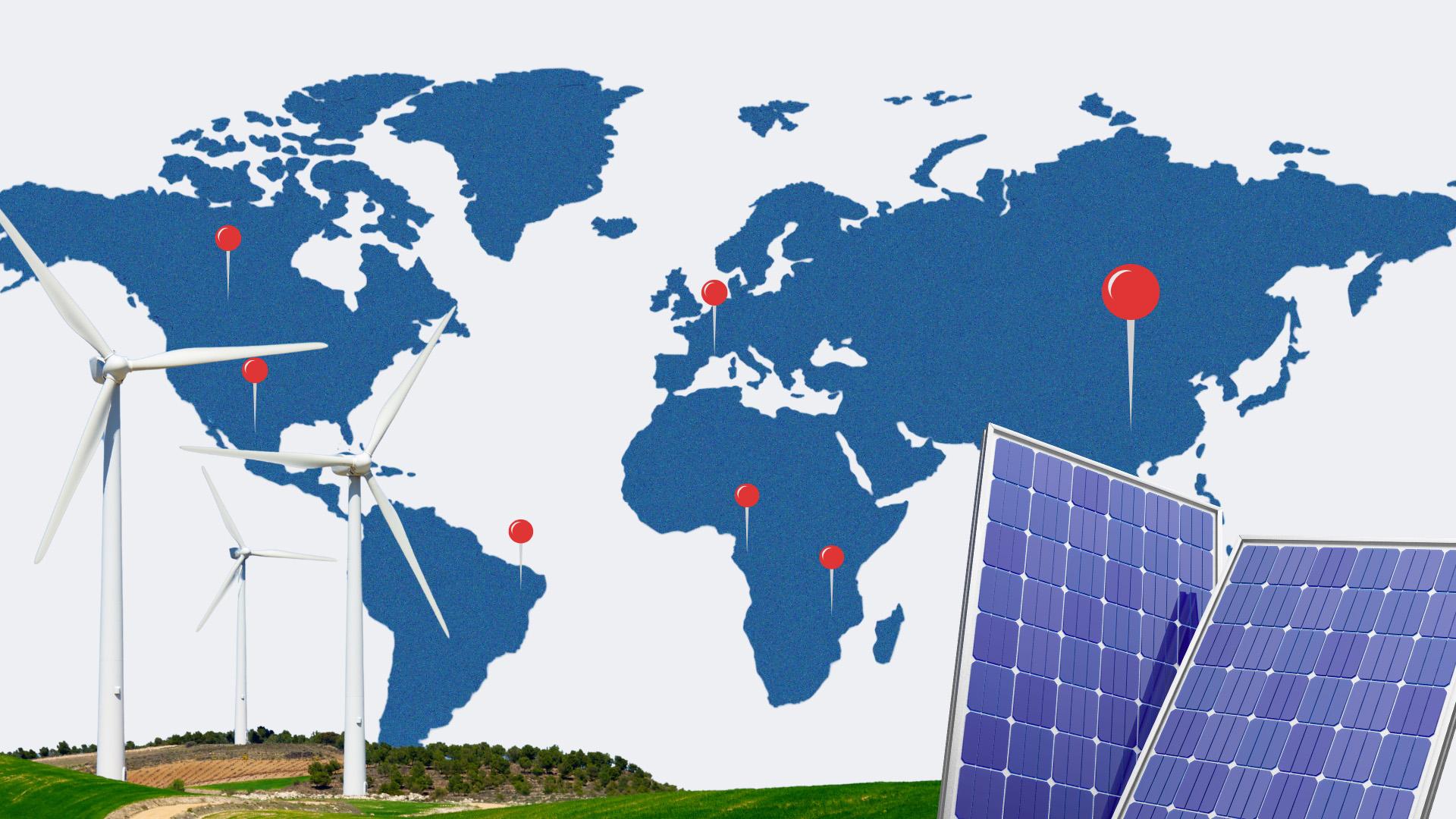
Ideas for replacing the U.N. COP system are plentiful. It’s time we finally try a few.

It was a failure on all sides. No one got what they wanted. Meanwhile, the planet keeps warming.

So, what can we learn from this?

Lesson 1: The U.N. is not the place to drive meaningful climate action.

The U.N. can play an important coordinating role for climate action around the world, but it simply lacks the teeth to do anything of substance – especially when bad actors have an equal seat at the table.

To put it bluntly, you can’t negotiate the planet's future with parties happy to burn it all down for profit. Too many countries, companies, lobbyists, and consultants are profiting from the fossil fuel status quo and will do anything to keep it in place. We have to be honest that addressing climate change will have winners (the world as a whole) and losers (people who profit from polluting industries).  But the potential losers have the same vote as the rest of us, so requiring complete consensus to move forward will never work.

In other words: We shouldn’t have to negotiate our future with planetary arsonists.

Lesson 2: Fossil fuel interests are scared, and they showed us their cards.

It’s remarkable to me that Saudi Arabia, Russia, India, and fossil fuel interests insisted that “fossil fuels” couldn’t even be mentioned in what is essentially a toothless document. After all, these COP agreements are not really legally binding. They could simply ignore them.

So, why did they insist on this?

I think it’s because they’re scared – and they should be. They know they are on the wrong side of history, and it’s only a matter of time before they lose altogether. Green technologies are getting better, faster, and cheaper every day – and fossil fuels will eventually go into the dustbin of history. They will become worthless, “stranded assets” in the global economy.

So their game is simple: delay things as long as possible. Every year they delay action on fossil fuels, or even talking about them, means trillions of dollars in profits. So they keep delaying.

Image
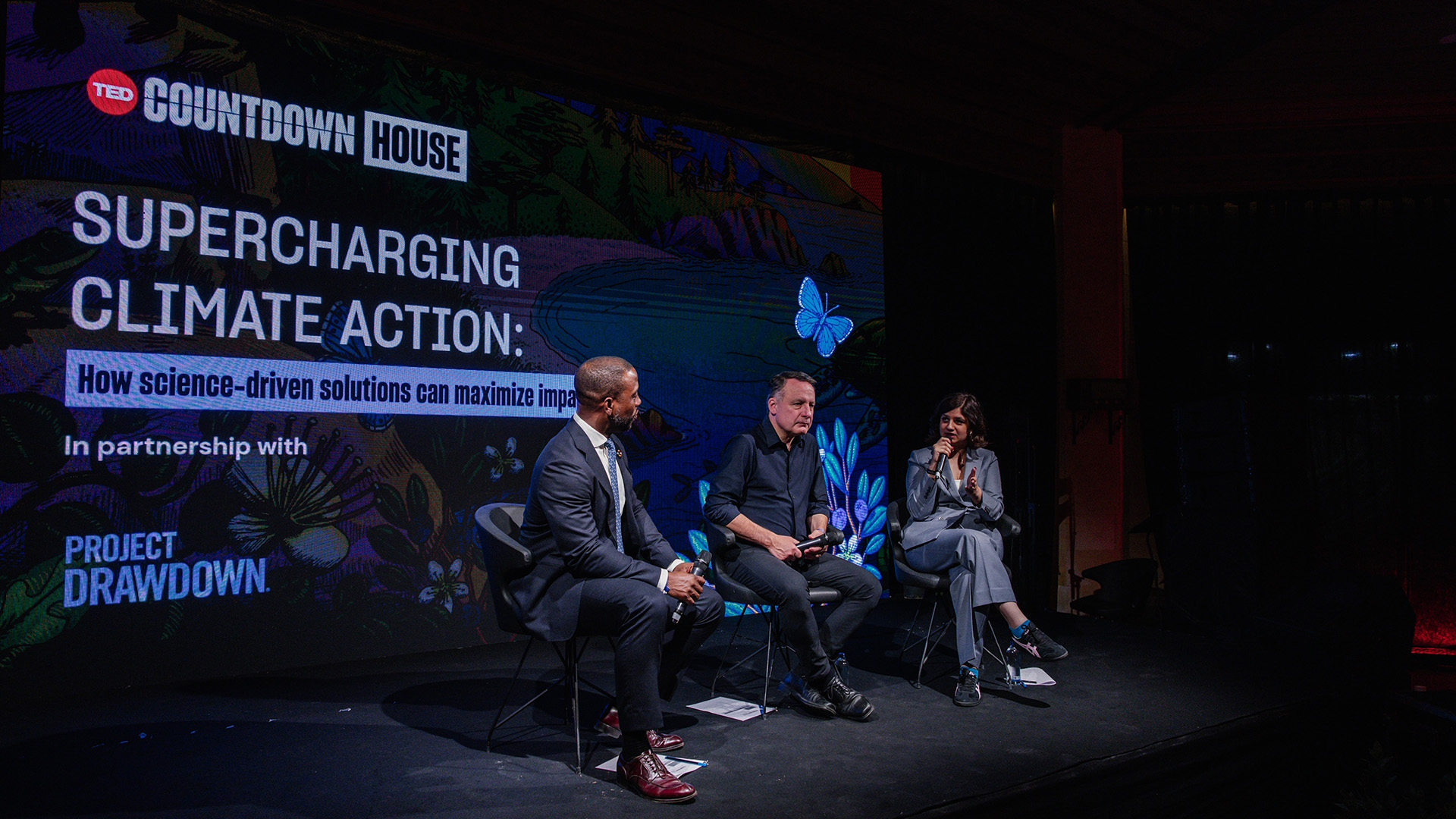
An image of an event at the TED Countdown House at COP31

One of the few remaining bright spots at COP is the side events, such as the one shown here at TED Countdown House. But alternatives exist that could host many more productive events like these without COP's hang-ups and pomp. Photo courtesy TED Countdown House

Lesson 3: Industrial “carbon capture” is being used as fossil fuel propaganda.

While many of us who work on climate change have been saying this for years, industrial forms of carbon capture – especially Carbon Capture and Storage (CCS) and Direct Air Carbon Capture and Storage (DACCS) – fit perfectly into the game plan of fossil fuel interests.

They offer a supposed “solution”, while allowing fossil fuel companies to continue drilling, burning, and polluting. And instead of bearing the cost of carbon capture themselves, fossil fuel companies always seem to shift the bill for building these facilities onto taxpayers. After decades of failed projects, we know these schemes simply do not deliver what they promised.

Of course, the world could use some real forms of carbon removal. But it’s clear that the only ways that are going to work are grounded in nature – especially restoring forests, grasslands, wetlands, and coastal ecosystems – or work with nature, like biochar and enhanced rock weathering.

The fact that fossil fuel interests were so adamant about including industrial carbon capture schemes, rather than nature-based ones, in the COP31 agreement tells us all we need to know.

Lesson 4: We need alternatives to the COP process.

The U.N. COP negotiations generate a lot of noise, but little substance. The conferences attract tens of thousands of attendees, and I honestly don’t know why most of them are there. It’s maddening that lobbyists outnumber policymakers and scientists. (At COP30, there were 1,600 fossil fuel lobbyists, and this year there were over 700 lobbyists for industrial carbon capture alone.) The whole circus attracts considerable media attention – though admittedly not nearly as much as you’d expect given the stakes of climate change – despite little, if any, progress.

While side events and conversations can be productive bright spots in an otherwise defunct conference, the world deserves something better. But what could that look like? Others have offered alternatives to the U.N. COP process, and I think it’s time to take them more seriously.

For example, 30 nations in the Global South have begun drafting an international fossil fuel treaty that could overcome the limitations of the COP process.

I’m also intrigued by ideas from Professor Jessica Green at the University of Toronto, who proposes focusing on “using international tax, finance, and trade institutions to create new green asset owners and constrain fossil asset owners, reducing their clout.”

We can learn a lot from the failures of COP. The question now is, will we?

Lastly, a “People’s COP” emerged from COP30 in Belém, Brazil, which I think warrants more consideration.

Ideas for replacing the U.N. COP system are plentiful. It’s time we finally try a few.

Lesson 5: We need a new way to galvanize real climate action globally.

The U.N. can shine by coordinating the global response to climate change, particularly by promoting international scientific cooperation (especially through the IPCC) and reporting on climate progress (including the so-called “stocktake” mechanism).

But to drive real progress, we need something else.

We need to work in the real world, recognizing there are those trying to avert climate change – and those who don’t care if the world burns down as long as they profit. That means winning, not negotiating.

We must win through technology, where green solutions are simply better, faster, and cheaper than old, polluting industries. We must win through markets, where better, green solutions beat old, polluting ones. We must win through finance, where smart money invests in the green future, which is full of promise and lower risk, and away from old, polluting, risky assets. We must win through policy – at all levels, including local, state, and national – so that green solutions are supported and polluting industries are no longer subsidized at the expense of our future. And we must win through our communities and culture, where valuing our environment, our children, and our future is seen as the only sensible way forward.

We can learn a lot from the failures of COP. The question now is, will we?


About the Author

Jonathan Foley, Ph.D., is a climate scientist and the Executive Director of Project Drawdown, the world’s leading resource for climate solutions. These views are his own.

About Project Drawdown 

Project Drawdown is the world’s leading guide to science-based climate solutions. Our mission is to drive meaningful climate action around the world. A 501(c)(3) nonprofit organization, Project Drawdown is funded by individual and institutional donations. 

This work is published under a Creative Commons CC BY-NC-ND 4.0 license. You are welcome to republish it following the license terms.