Image
Dark storm clouds
Credit: Anandu Vinod / Unsplash

Insights From The Fifth National Climate Assessment

In this Project Drawdown Briefing, Kate Marvel shared insights from the United States Fifth National Climate Assessment including trends, risks, and progress made in the country's efforts to halt climate change.

See below for key takeaways, resources, and downloadable graphics and charts.
Drawdown Briefings are exclusive offerings for members of the Drawdown Business Coalition and Drawdown Capital Coalition. To learn more about membership, please contact labs@drawdown.org

Key Takeaways

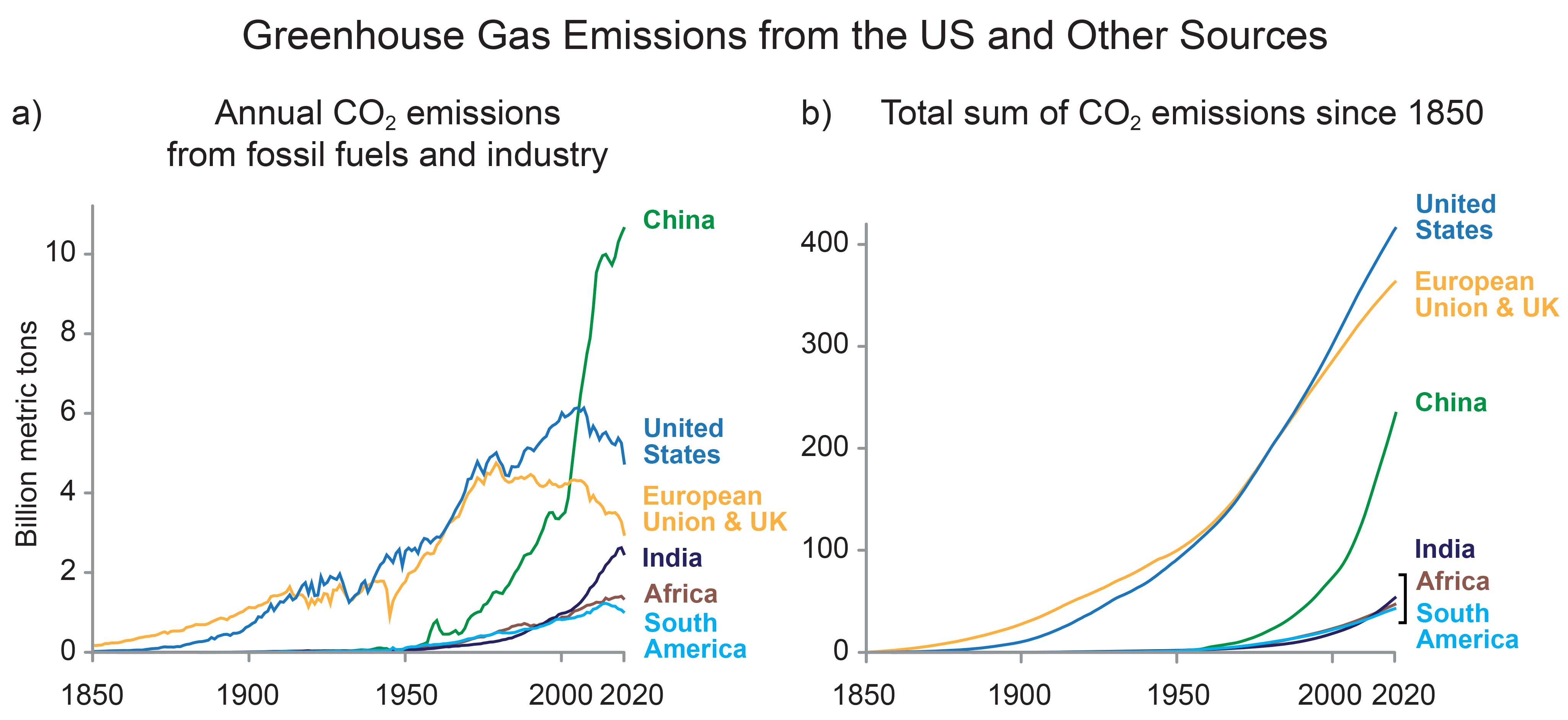
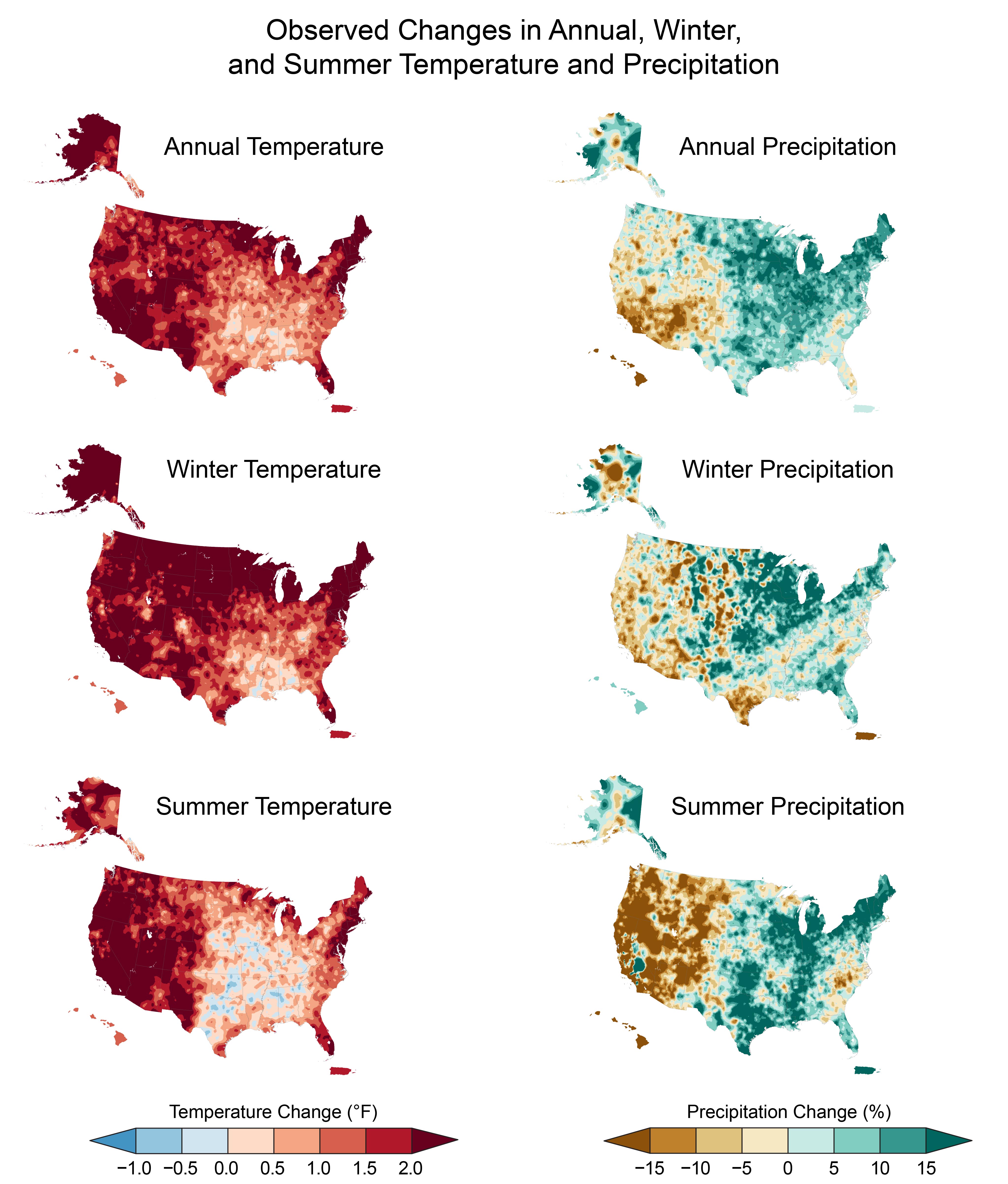
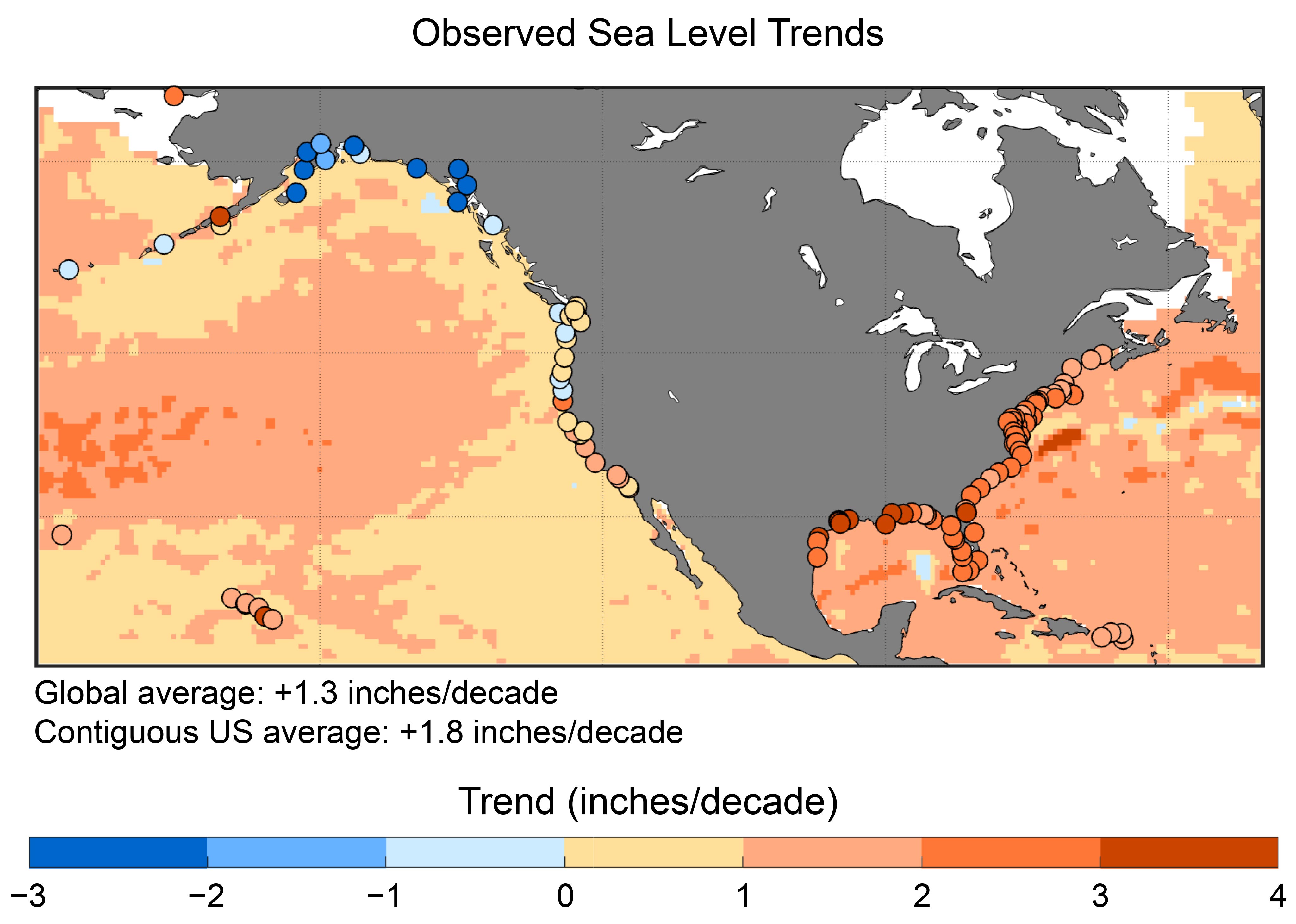
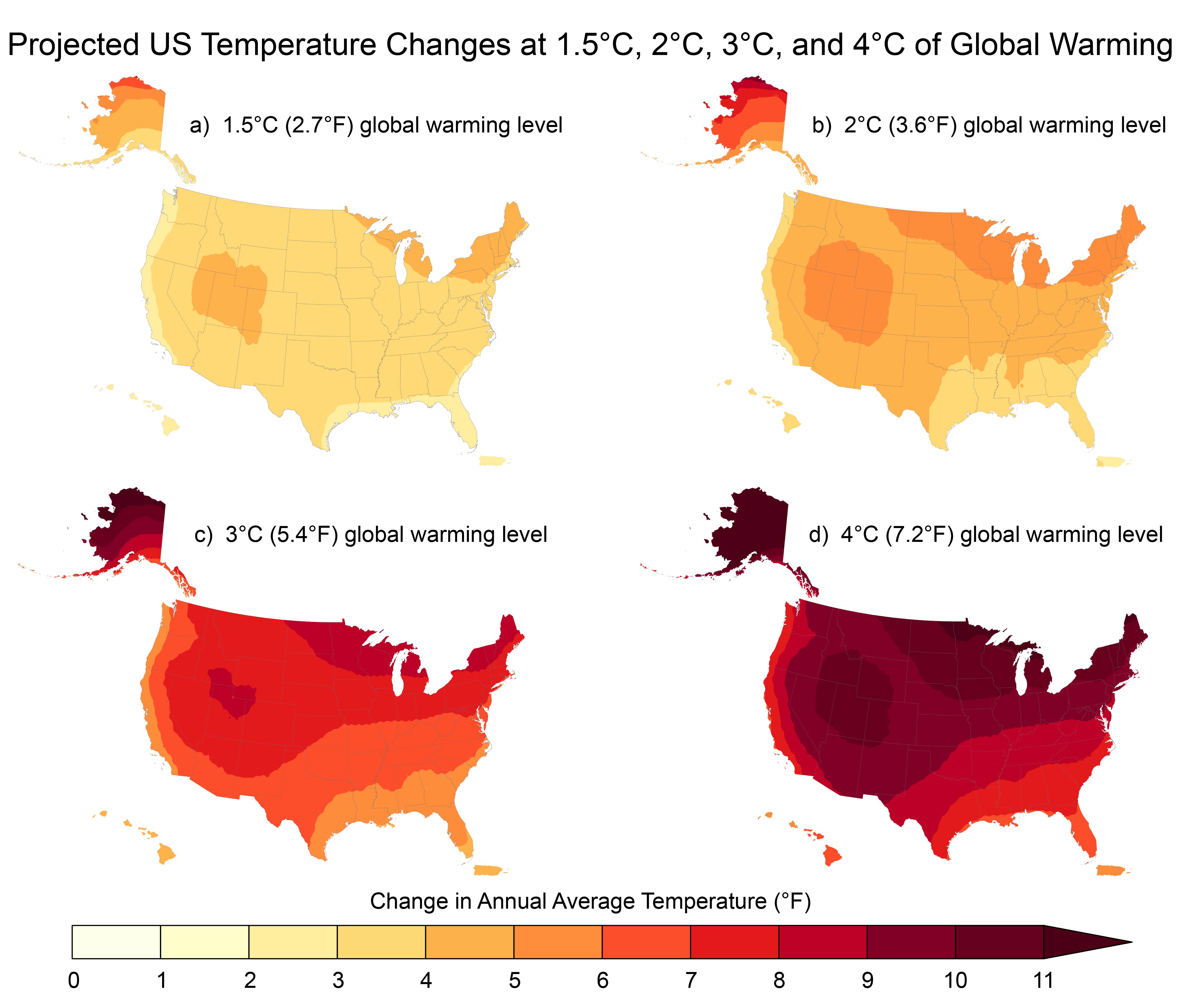
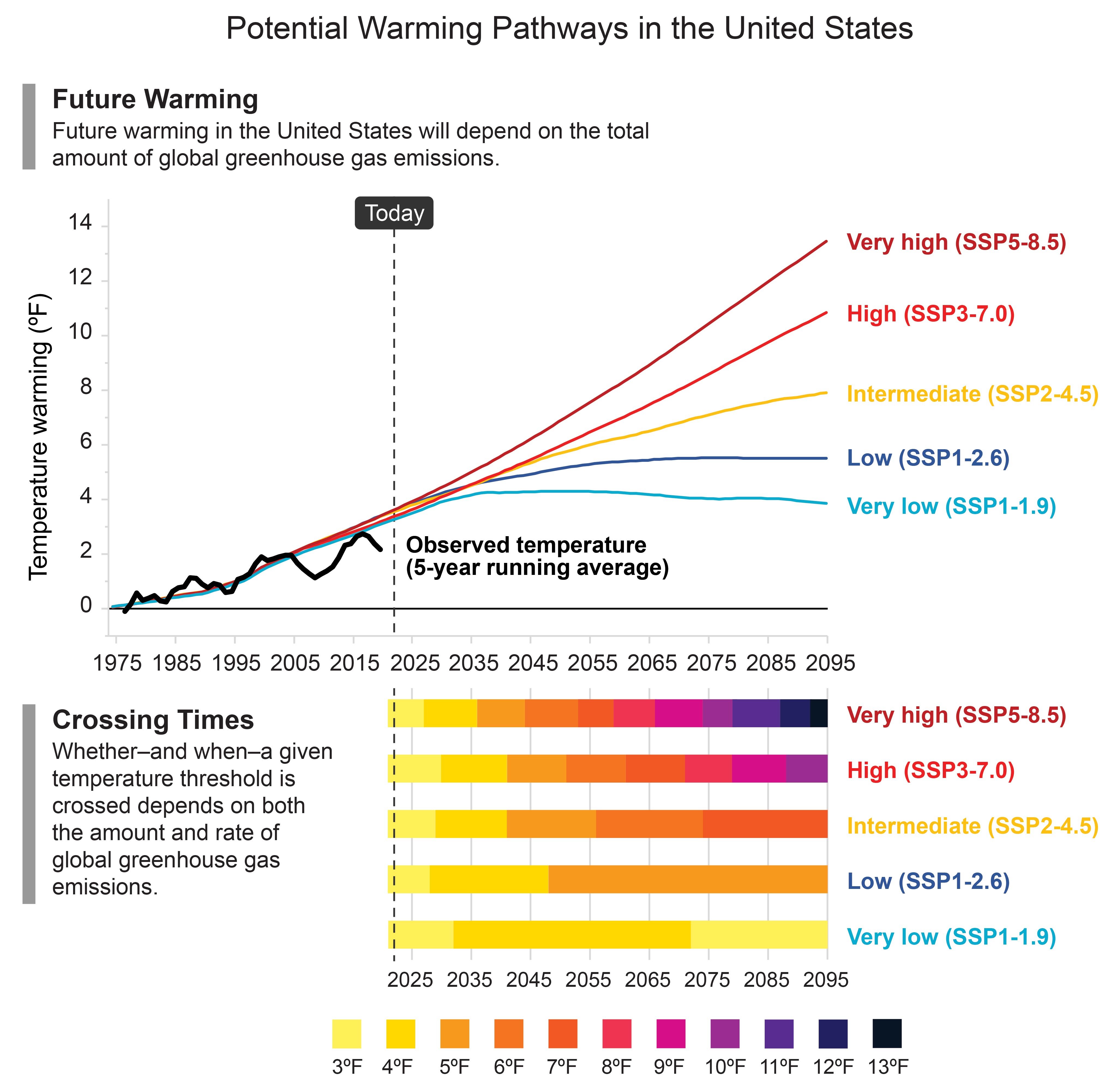
  1. The climate is changing, and scientists know that is affecting the United States. Human activities have increased atmospheric levels of greenhouse gases, and the global average temperature has risen in response. Observed warming over the continental United States and Alaska is higher than the global average. The Earth system is complex and interconnected, which means changes in faraway regions are virtually certain to affect the United States.
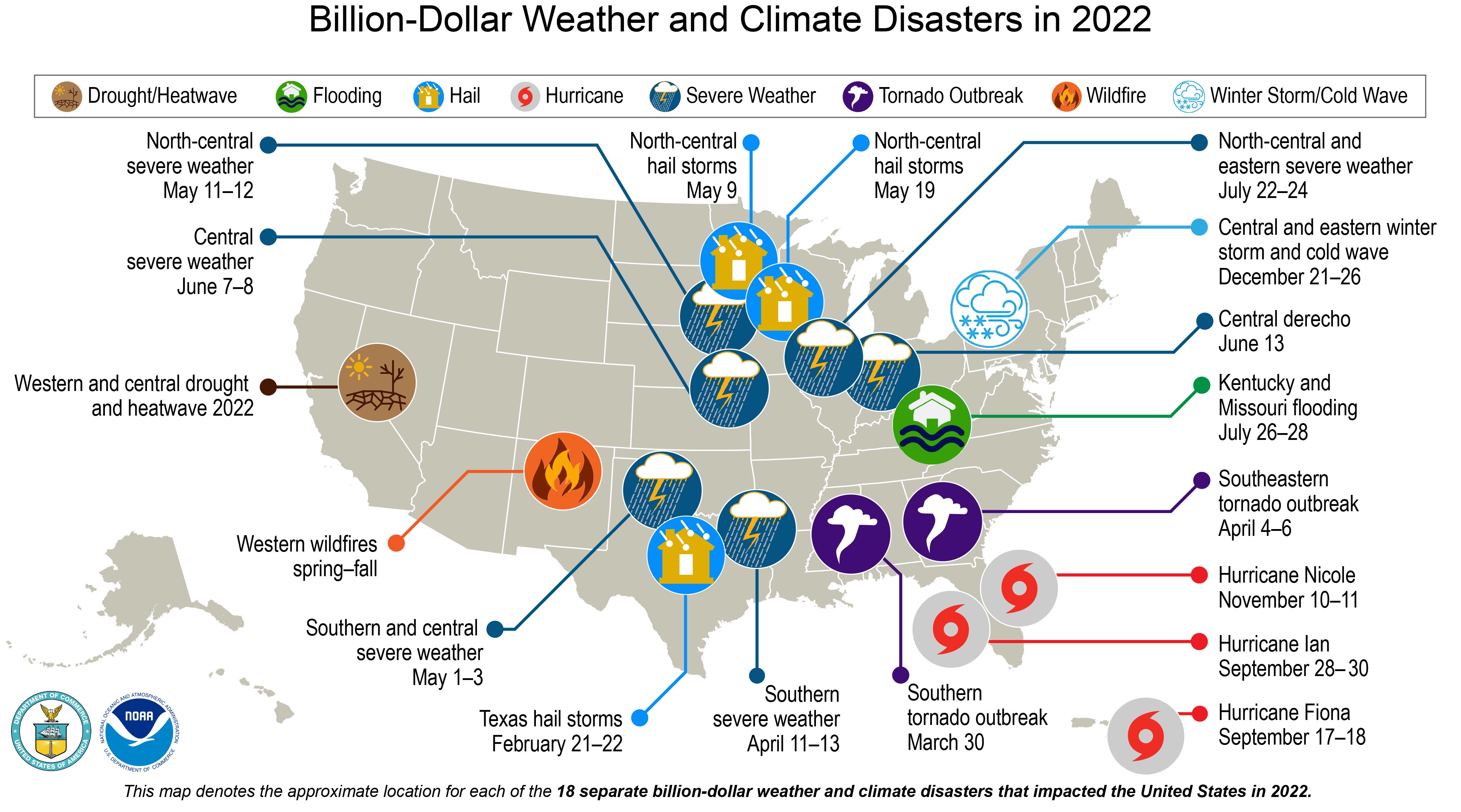
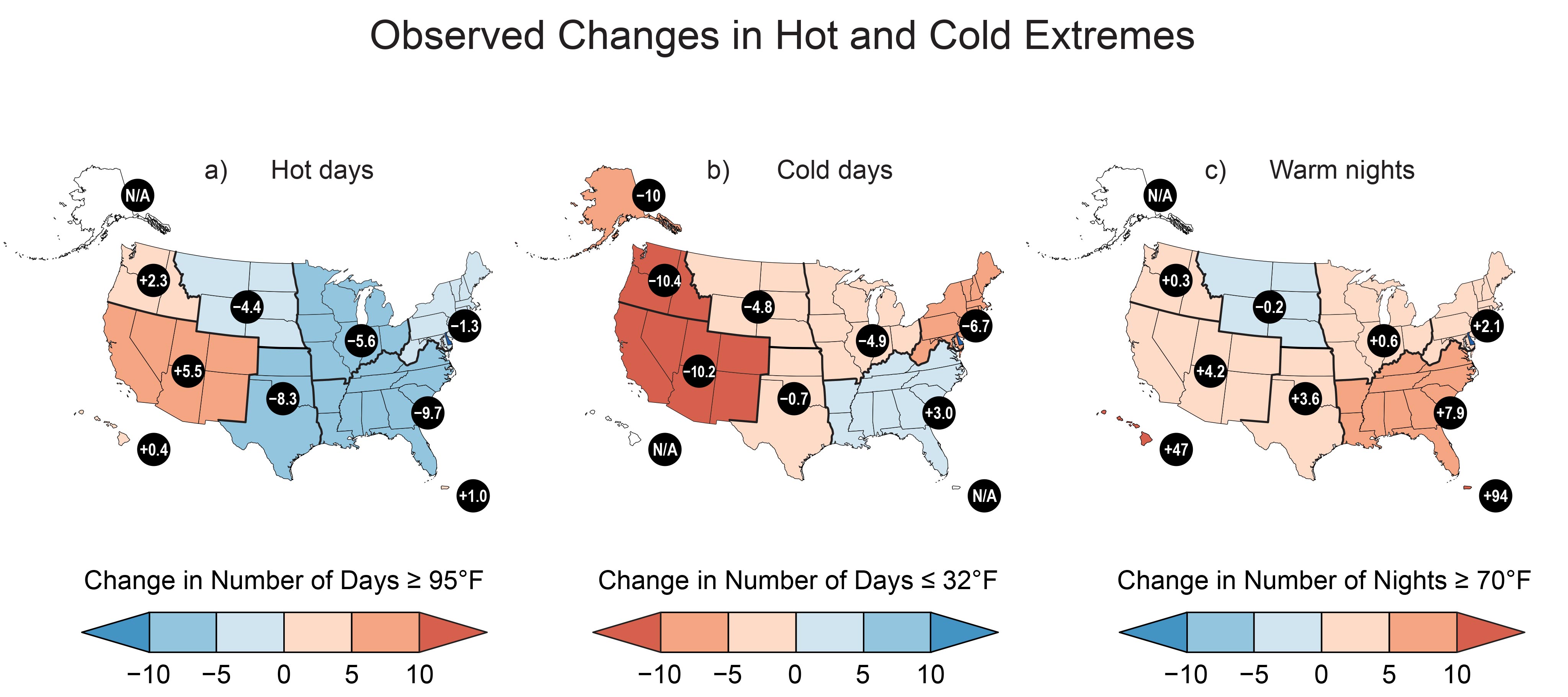
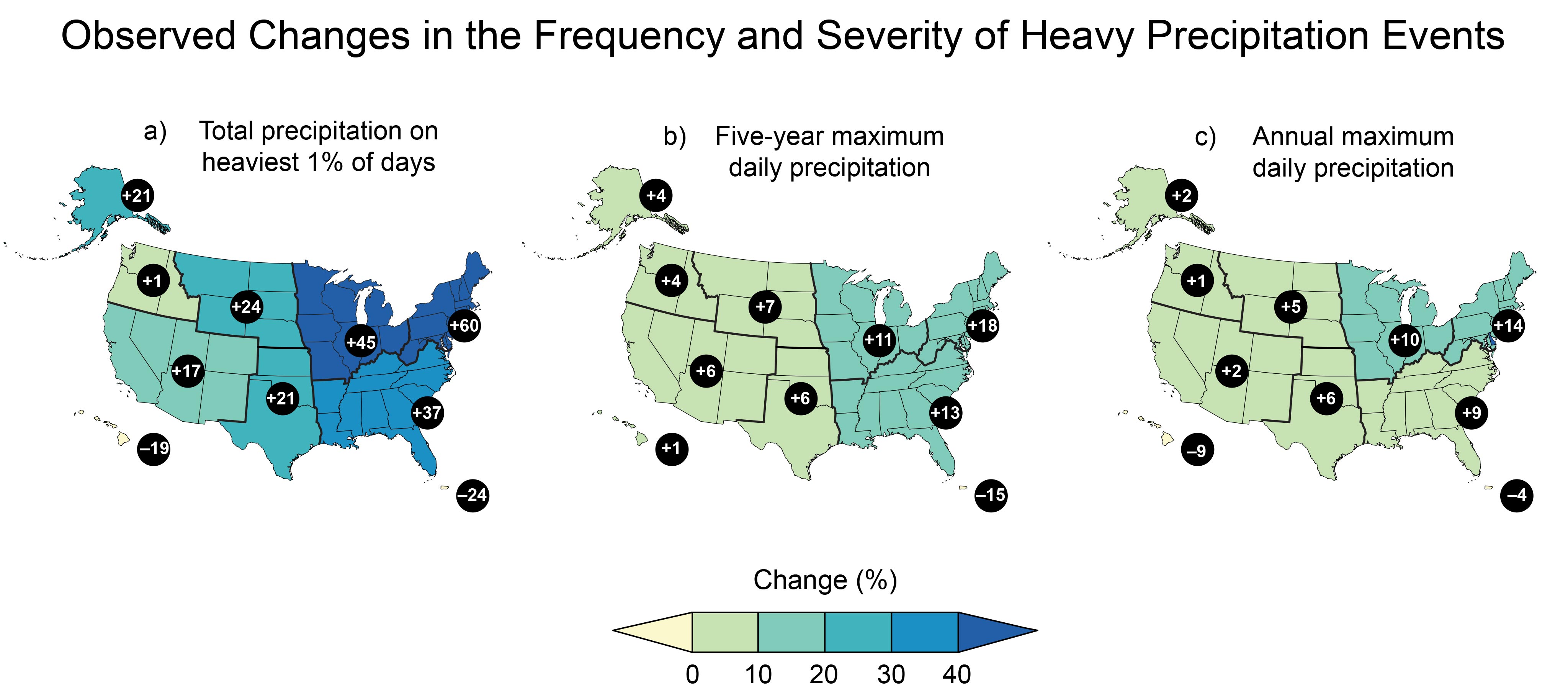
  2. Extreme events are becoming more frequent and severe. Heat waves have become more common and severe in the West, and drought risk has increased in the Southwest. At the same time, rainfall has become more extreme in recent decades, especially east of the Rockies. Hurricanes have intensified more rapidly since the 1980s. Wildfires have been more frequent and larger in the West in the past few decades due to a combination of climate change, societal changes, and policies.
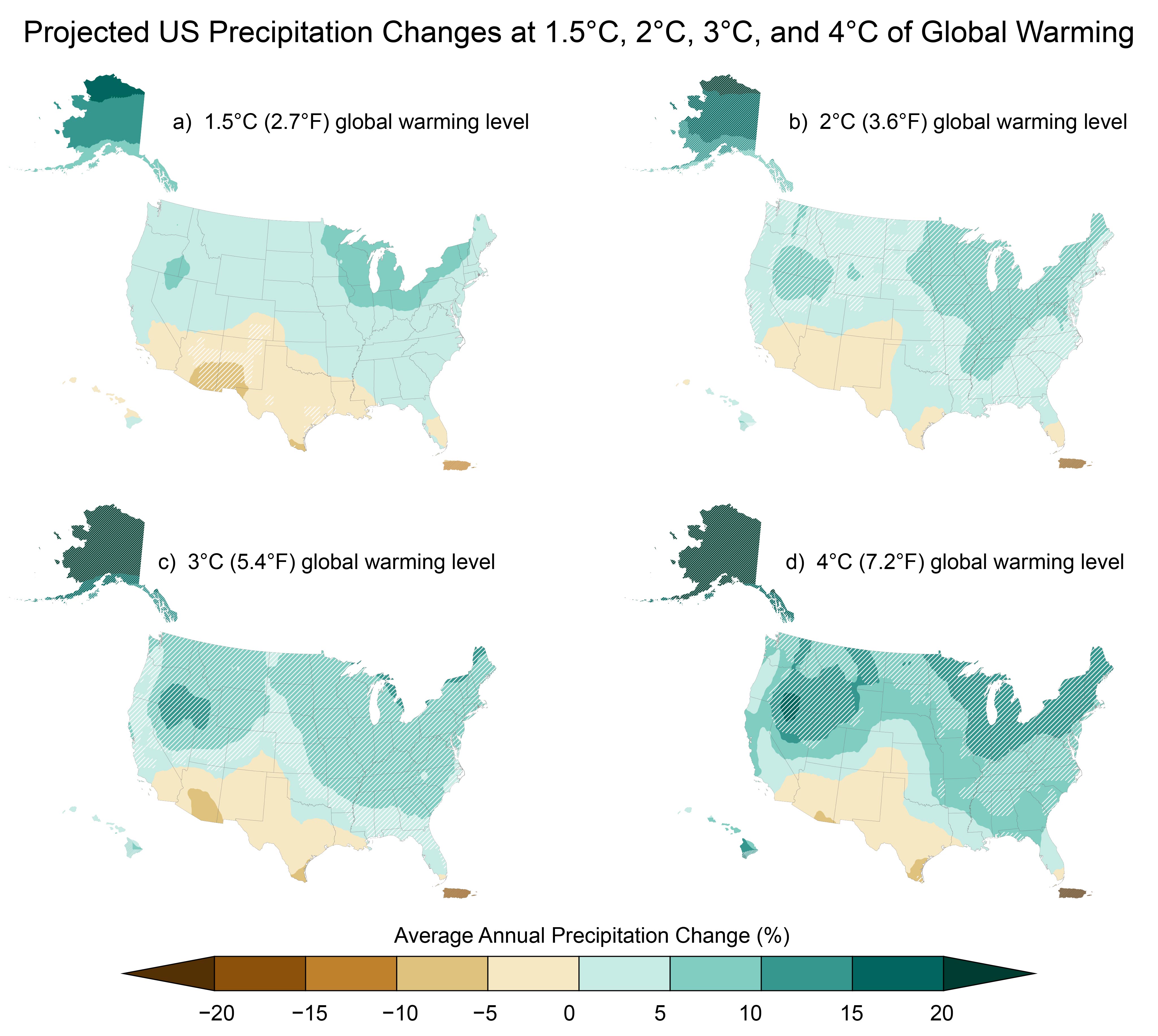
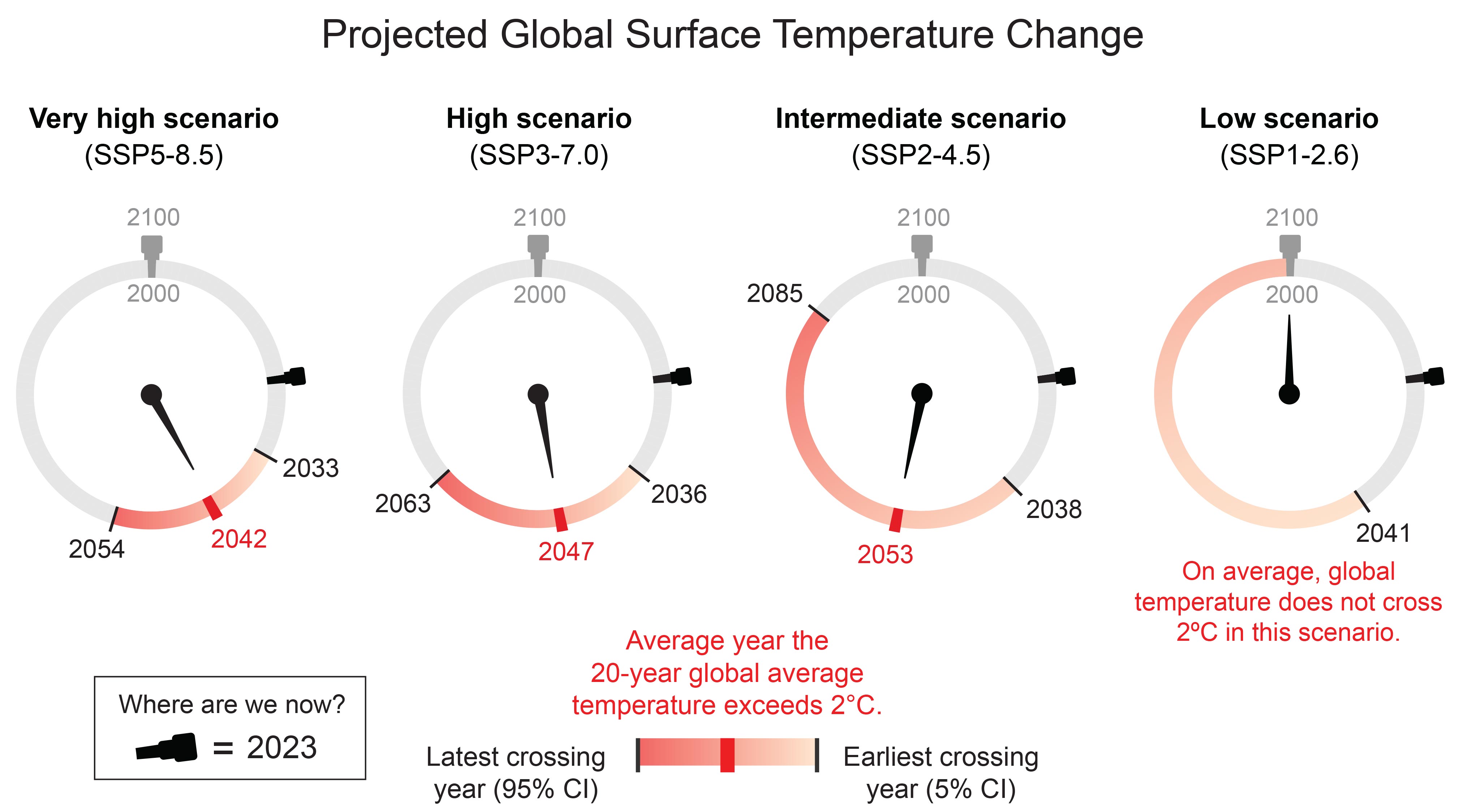
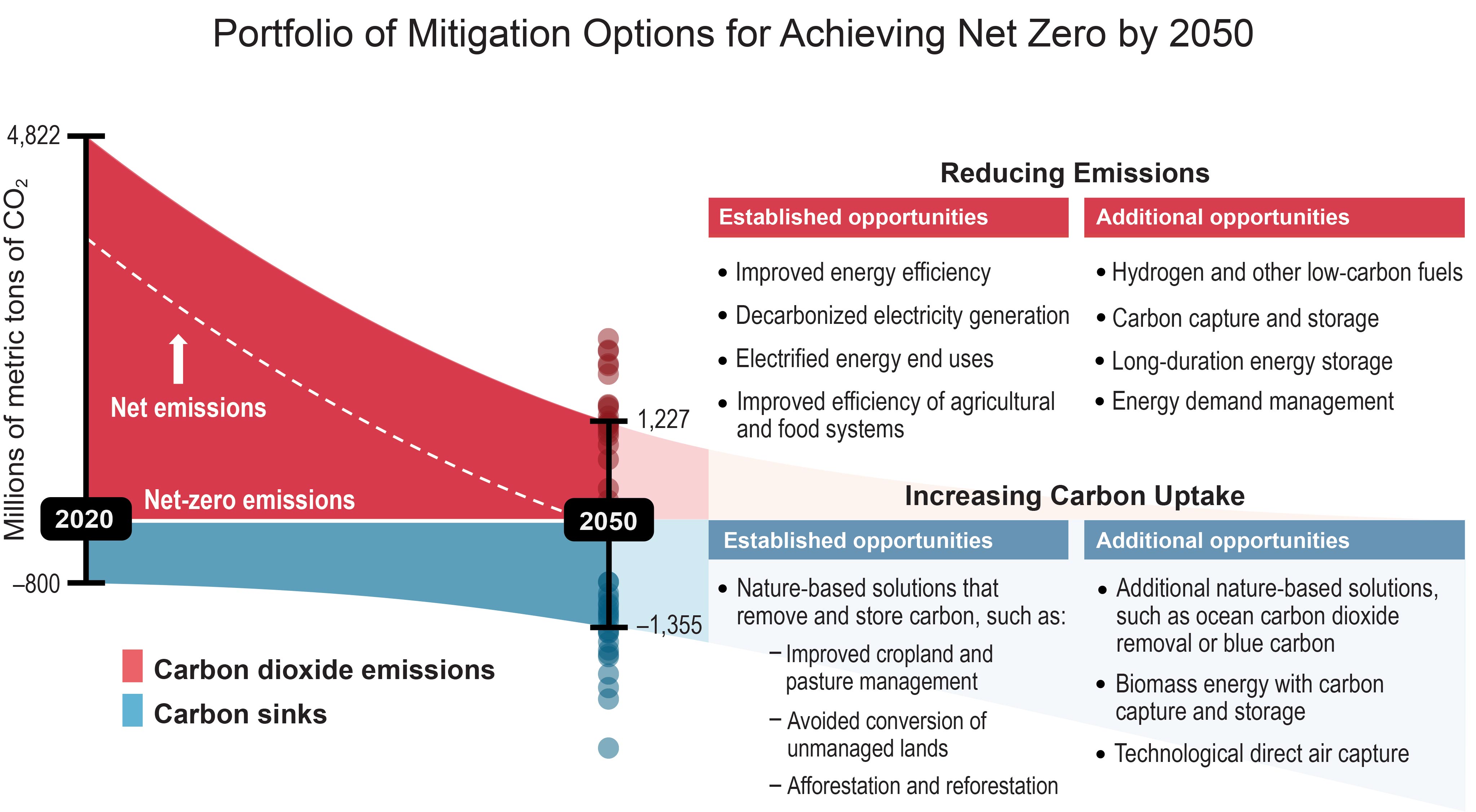
  3. How much the climate changes depends on the choices we make now. The impacts of climate change increase with warming, and warming is virtually certain to continue if emissions do not reach net zero. Rapidly reducing emissions would very likely limit future warming and the associated increases in various risks. The future is largely in our hands.

Resources

Learn more about Project Drawdown