What are “hard-to-abate” emissions – and why do they matter?

Image
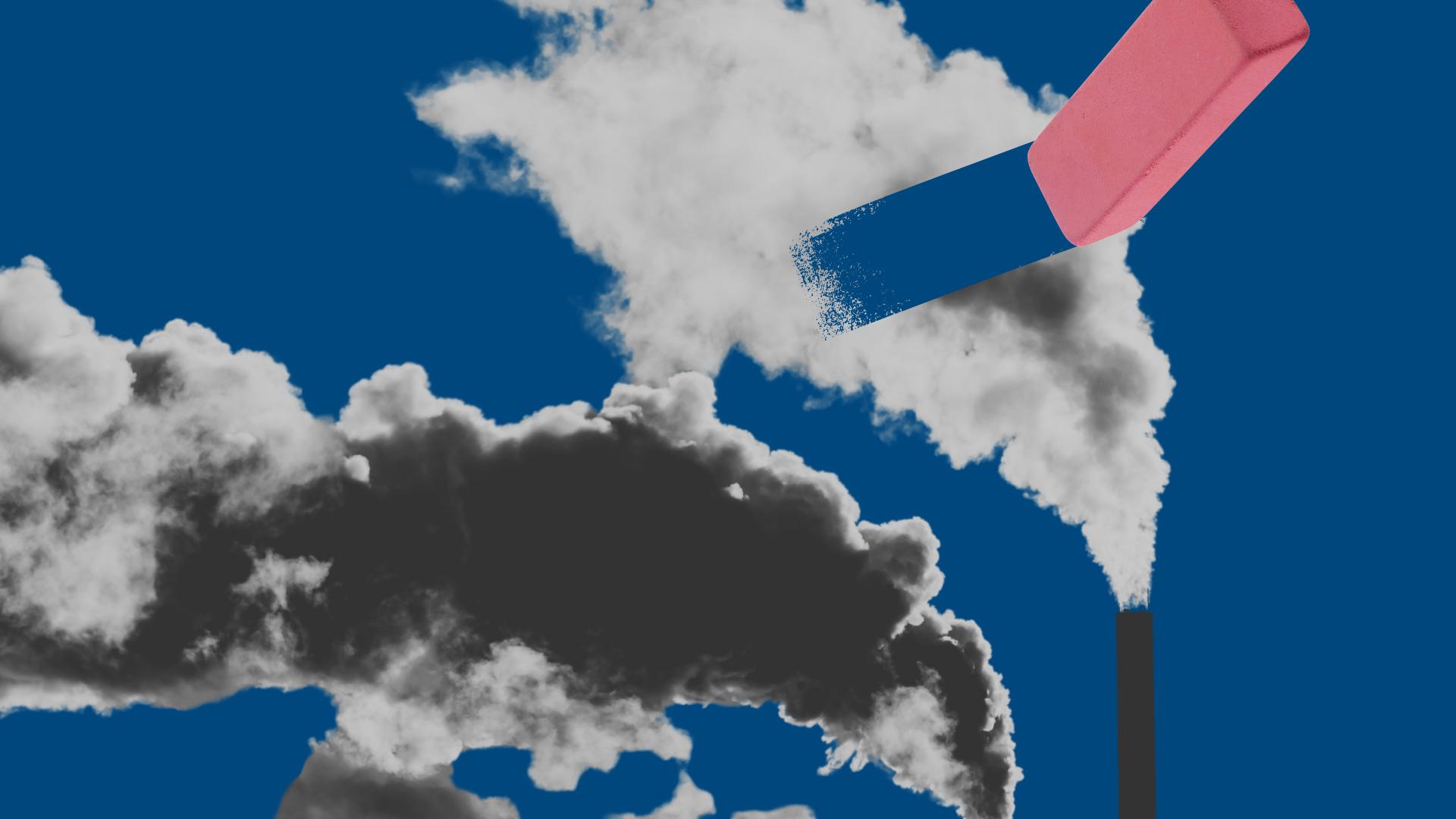
A graphic of a giant eraser trying to erase pollution from a smokestack

When I think about climate change, I often imagine a household budget. 

Expenses are the greenhouse gas emissions from human activities, which eat into the budget available for a stable climate. Income comes in the form of carbon sinks that remove carbon from the atmosphere. To stop global warming, we need to balance these emissions and removals, reaching what’s called global net-zero. We are currently living well beyond our means, and changing this in the coming decades will require significant cuts to our collective greenhouse gas expenses. (Fortunately, unlike with a household budget, those cuts will come with few costs beyond reducing emissions, since many climate solutions actually save money in the long run!)

As with a household budget, it's never easy or comfortable to make cuts to our carbon budget, but some places are more straightforward to start than others. While no emissions are truly easy to abate, attention and investment often go toward sectors with effective, developed solutions, such as power generation and passenger transport. Yet addressing stubborn “hard-to-abate” emissions is essential for balancing the global greenhouse gas budget. Over the next few decades, we must invest in and diversify our strategies to tackle these hard-to-abate emissions. To do this, we need to understand what these emissions are, why they are critical to meeting our climate goals, and the diverse actions we can take now and in the future to meet this climate challenge. 

What makes certain emissions hard to abate? 

Emissions from several sectors are most commonly considered “hard-to-abate”: aviation, shipping, trucking, and heavy industry (producing materials like cement, steel, and chemicals). Hard-to-abate emissions are diverse in their challenges and sources, but they have a few things in common. First, hard-to-abate activities are caused by human activities rather than natural processes. They also operate on a huge scale: 4 billion metric tons of cement and 1.9 billion tons of raw steel were produced worldwide in 2024, and 62 trillion ton-miles (equivalent to shipping one ton over one mile) of global maritime trade were traveled in 2023. For context, all the mammals on Earth – all of the elephants, humans, blue whales, and countless other species – weigh around 1.1 billion metric tons.

Not all emissions from these sectors are difficult to prevent; we can avoid the release of a portion of the greenhouse gases with readily deployable solutions, including electrifying processes wherever possible, switching to lower-emission fuels, and improving efficiency. However, hard-to-abate sectors have large quantities of emissions that defy available solutions, known as residual emissions. It’s really these residual emissions that are hard to abate, and they stem from a few broad challenges:

They generate (currently) necessary process emissions
Process emissions are unavoidable using current manufacturing pathways. They come from chemical reactions during the production process itself, rather than emissions from fueling that process. One example is cement production; the raw materials used to produce cement contain carbon, and that carbon is released as CO₂ in cement kilns. Cement manufacturing is a hard-to-abate industry because the material composition or production process would need to fundamentally change to avoid these emissions.

They are energy-intensive
Often, hard-to-abate activities consume huge quantities of fossil fuels to produce energy. They require high energy inputs to run, while operating at scales and temperatures that make cleaner energy sources difficult to deploy in the near term. Producing steel, for example, requires heating iron ore or steel scrap to over 1000°C, a temperature that requires large amounts of coal, natural gas, or other fossil fuels to reach.

There are technological hurdles to energy transitions
Cleaner, renewable energy sources aren’t always available to reduce hard-to-abate emissions. For instance, moving aircraft and container ships requires fuels with high energy densities. We currently lack commercially available batteries or alternative fuels to move these sectors away from fossil fuel consumption. In contrast, batteries for electric passenger cars are being adopted around the world, offering an electrification solution for emissions that would not be considered hard-to-abate.

There are economic challenges to fast adoption
These activities often require expensive and long-lasting infrastructure, resulting in slow equipment turnover and replacement. This creates financial hurdles for companies or governments looking to adopt cleaner technologies. Also, small increases in manufacturing costs could be a deterrent if margins are low.

As daunting as these challenges may seem, they are not impossible hurdles. But developing and deploying solutions to these challenges at scale will take time. This makes it all the more important for other sectors to prioritize emergency brake solutions, rapidly reducing greenhouse gas emissions this decade, while technologies to address hard-to-abate emissions develop more slowly. 

Why do we need to address hard-to-abate emissions anyway? 

We know there are many proven solutions we can deploy today that have effective, immediate impacts on greenhouse gas levels in the atmosphere. So, you might be wondering, does it make sense to spend time and money on hard-to-abate emissions in the first place? 

In short, yes. Balancing our global carbon budget will require ambitious actions across all sectors, and hitting that balance becomes tricky if hard-to-abate emissions remain high. In the International Energy Agency's Net Zero Roadmap, which outlines a global pathway toward limiting global warming, industry and transportation sectors are responsible for 90% of residual emissions by 2040. 

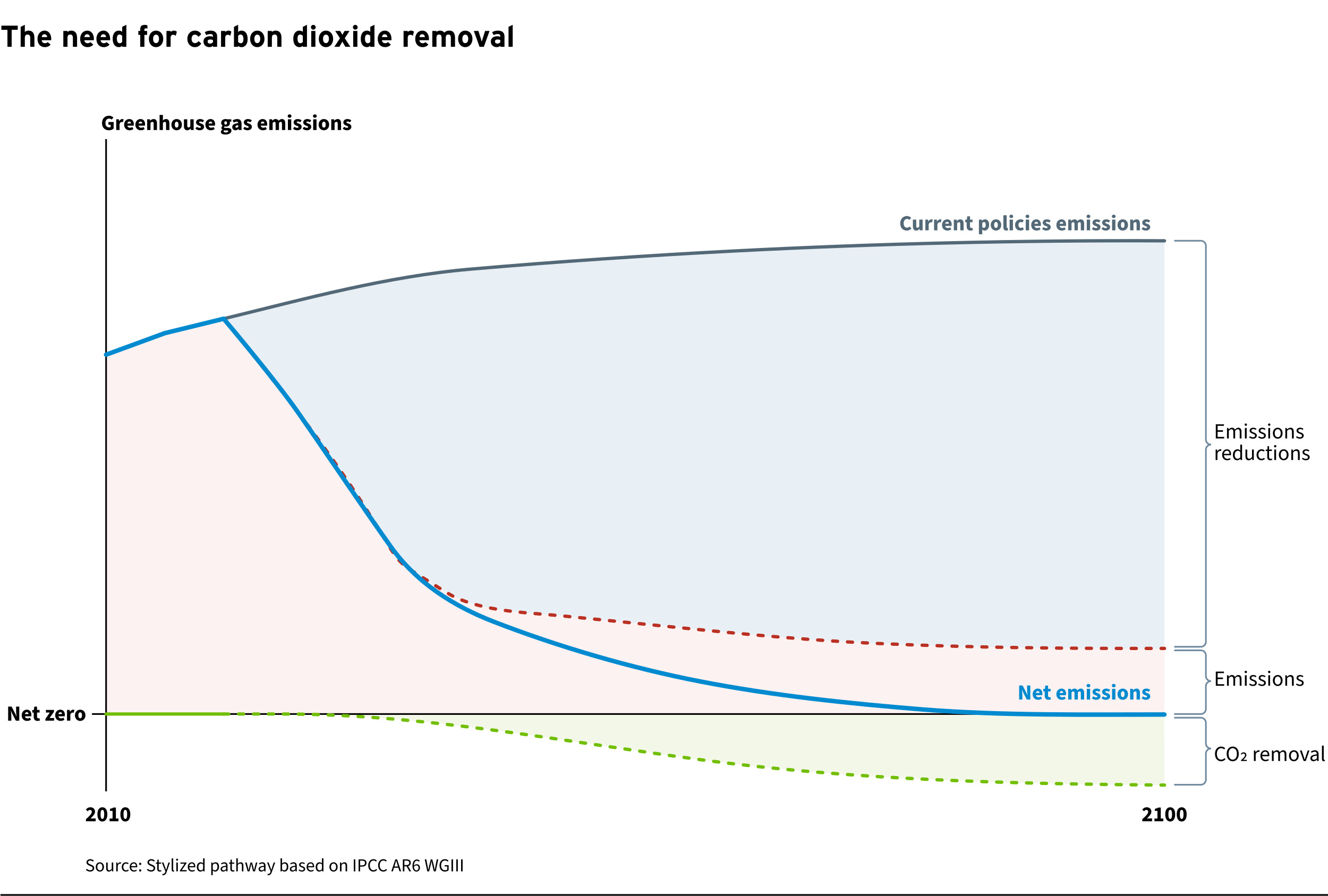
We could achieve net zero without necessarily eliminating all residual emissions, thanks to carbon sinks that remove greenhouse gases from the atmosphere. However, it would be risky to rely on carbon removal alone to balance the budget. Natural sinks, such as forests, take time to grow, and technological sinks, such as carbon capture, are largely unproven or ineffective.
Image
A chart showing projected emissions reductions and the need for carbon dioxide removal to address residual emissions

Emissions reductions (blue shading) alone are unlikely to achieve net zero. Instead, residual emissions (red line) can be balanced by carbon removal solutions (green line). Image source: RMI

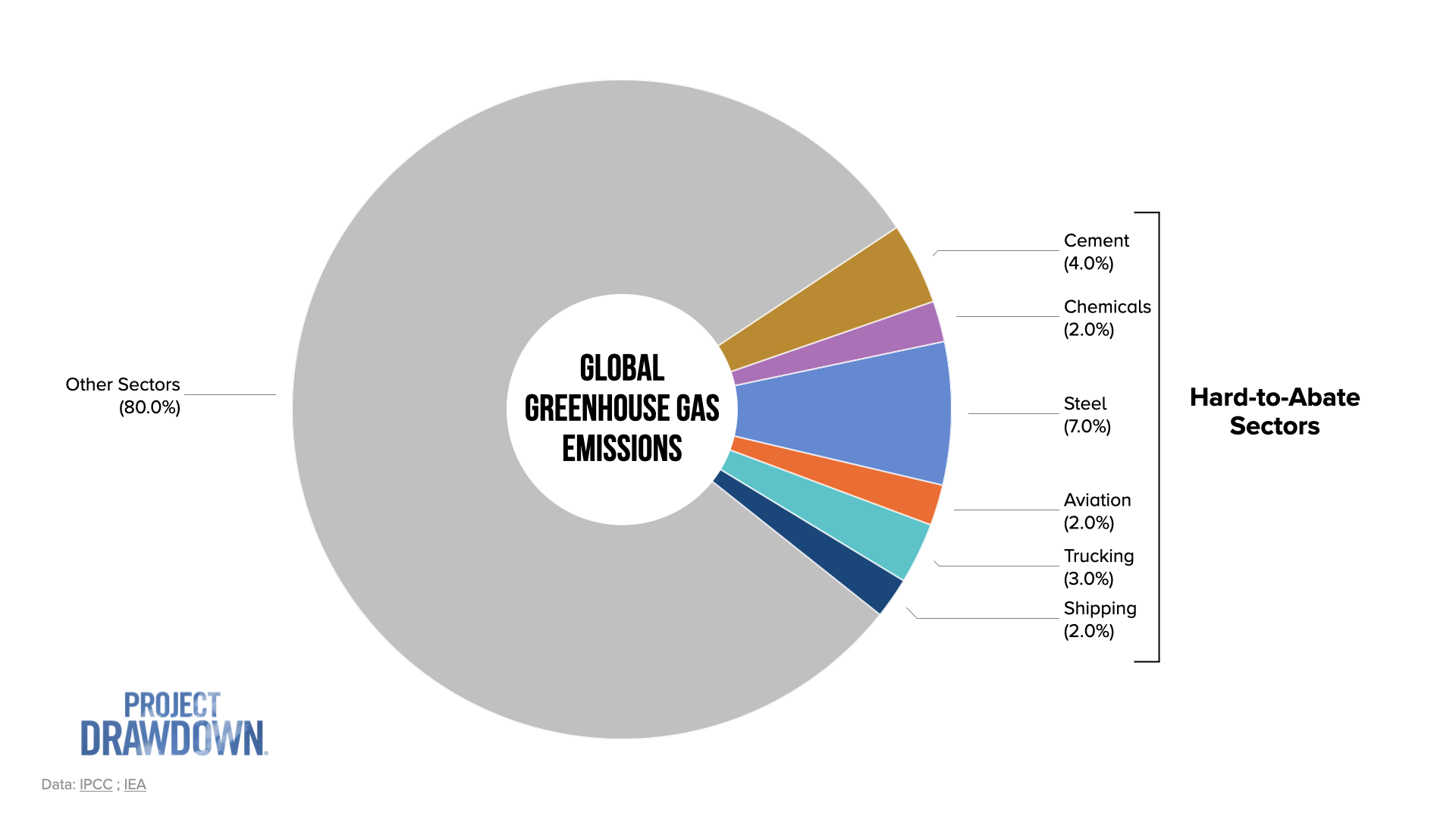
The sheer scale of hard-to-abate emissions also makes them critical to stopping climate change. Hard-to-abate sectors directly emit about one-fifth of global greenhouse gas emissions, although some estimates are as high as 40% of global emissions when including more sectors and both direct and energy production emissions.

Image
A chart showing global greenhouse gas emissions by sector focusing on the 20% or so of emissions from hard-to-abate sectors

Approximately one-fifth of the global annual greenhouse gas emissions are direct emissions from six hard-to-abate areas within the industry and transportation sectors.

Moreover, abating these emissions will become more urgent over time as hard-to-abate sectors are projected to grow rapidly in the coming decades. Population growth and global development are likely to increase demand and emissions from transportation and heavy industries. Even clean energy projects have hard-to-abate emissions trade-offs: the construction of nuclear power plants, public transit systems, or energy-efficient buildings all demand manufactured materials and freight transit. Researchers project that in order to limit global warming to 1.5°C, billions of metric tons of steel and cement will be required through 2050 for power generation infrastructure alone. To bring it back to a household budget, if you know that the cost of living in your area is rapidly rising, it becomes more important than ever to watch your spending. 

Hard-to-abate doesn’t mean impossible-to-abate

Since the challenges that cause residual emissions are complex, there won’t be a one-size-fits-all approach to mitigating hard-to-abate emissions. Instead, many solutions will need to work in concert. Solutions for tackling hard-to-abate emissions can come from either the supply or demand side: we can develop ways to eliminate the emissions in the first place, or we can cut back on the activities that release these greenhouse gases. This is the budgeting equivalent of buying cheaper or fewer items. We can also capture the emissions before they enter the atmosphere.

Hard-to-abate doesn’t mean impossible-to-abate. But reducing these stubborn emissions will require investment and cooperation from policymakers, businesses, governments, manufacturers, researchers, and more. Making progress will take time, so we must start working on these challenges today. Supporting varied approaches to cutting hard-to-abate emissions means we don’t need a single silver bullet solution; instead, many strategies can work together. There are a few key actions we can take now to set us up for future success.

  1. Implement already proven and available technologiesDrawdown Explorer “Highly Recommended” solutions highlight areas where we can take action now, including solutions that tackle hard-to-abate emissions. These solutions can reduce the scale of hard-to-abate emissions that will need to be addressed in the future or balanced with carbon removal efforts.
  2. Invest now in diverse emerging technologies that fundamentally shift production and energy sources for hard-to-abate activities. In the coming decades, we will need new solutions that can prevent greenhouse gas emissions beyond our current capabilities. Green hydrogen, biofuels and synthetic fuels, alternative feedstocks and industrial processes, and functional alternative materials are all examples of technologies that will require time to develop, scale, and become cost-competitive. Many of these technologies fall into the “Keep Watching” category of the Drawdown Explorer, but investing money and time today could make them viable climate solutions tomorrow.
  3. Reduce consumption across hard-to-abate areas. Since supply-side technologies cannot achieve emissions reductions as fast as we need them to, ramping up demand-side interventions can have an immediate climate impact. Admittedly, this is difficult to achieve while supporting global development, and must be done in an equitable manner that does not restrict progress in emerging economies. Countries with developed economies can lead in this respect by taking innovative approaches to reuse existing materials in manufacturing and the built environment, supporting the use of lower-emitting products and transportation modes, or making supply-chain changes to reduce long-distance freight shipping by ship or plane. Policy can be an effective lever to incentivize and standardize less wasteful uses of manufactured goods and more efficient transportation routes, or support low-cost alternative material options. 
  4. Invest (cautiously) in carbon capture and storage, focusing on process emissions. Carbon capture and storage (CCS) technologies will be important to balancing our global carbon budget in the coming decades. Whether CCS operations achieve this balance depends on where they are implemented and how effectively they capture and store emissions. Process emissions, such as carbon dioxide released from chemical reactions, are an important and practical area to target with CCS. Process emissions tend to be localized and concentrated in certain stages within production plants, and are therefore a great opportunity for funding, research, and deployment of point-source carbon capture technologies. We need to temper our expectations around the abatement scales we can reach with CCS, but these technologies could reduce residual emissions during the transition period while we develop other technologies, serving a role in targeting hard-to-abate emissions that are not eliminated by changing processes or doing less.

Addressing hard-to-abate emissions will be a slow process, but these actions will ultimately pay off in the long run for both humans and the planet. Each ton of greenhouse gases we can cut is an equivalent ton of unproven carbon removal that we don’t need to count on in the future, reducing risks and costs if those technologies never come to fruition.

Hard-to-abate emissions aren’t impossible to address, and we shouldn’t ignore them just because there are easier actions to take. In fact, it is because they are hard to abate that these high-emitting sectors warrant more attention and creativity. It will take technological innovation to transition to lower-emitting processes, reduce demand, and deploy targeted carbon capture to mitigate these stubborn residual emissions. But just like a household budget, we fail to find balance at our own peril.


Sarah Gleeson, Ph.D., is a materials scientist with expertise in plastics, carbon removal, and science communication. Her research interests include systems-level decarbonization, waste mitigation, and global materials circularity.

This work was published under a Creative Commons CC BY-NC-ND 4.0 license. You are welcome to republish it following the license terms.

Drawdown Delivered

Join the 85,000+ subscribers discovering how to drive meaningful climate action around the world! Every other week, you'll get expert insights, cutting-edge research, and inspiring stories.

Receive biweekly email newsletter updates from Project Drawdown. Unsubscribe at any time.

Support Climate Action