Are climate talks worth it? Six takeaways from COP30

Image
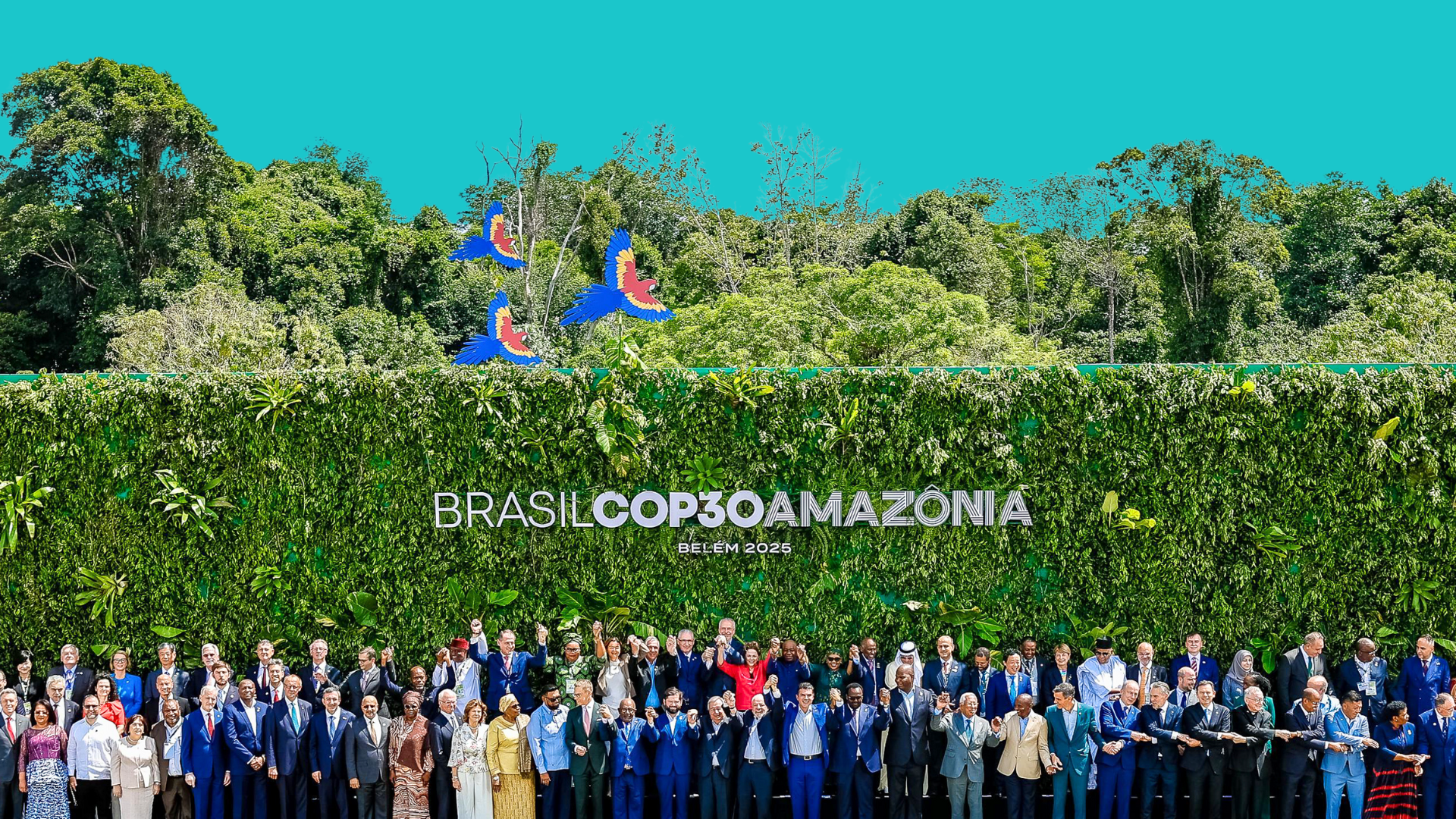
An image of COP30 delegates standing in front of a hedge with a sign behind them that reads Brasil COP30 Amazonia

This year’s major United Nations climate talks, COP30, fell short of many expectations. 

Despite being held in Belém, Brazil, known as the “gateway to the Amazon,” issues such as stopping deforestation and transforming global food systems received relatively little attention. While some bright spots emerged, overall progress was minimal.

COP30 faced a number of logistical hurdles this year, including limited lodging, formidable humidity and rain, and even a sizable fire that disrupted the last week of negotiations. These logistical issues, paired with a general atmosphere of deteriorating international cooperation, meant the Brazilian presidency was carrying a considerable burden to see the talks through. In some sense, we should celebrate the fact that the UN climate process has not collapsed entirely (a low bar, I know).

This year was particularly difficult to track outcomes. Negotiation streams proliferated, unofficial outcomes were announced, separate initiatives were launched, media coverage was confusing and sometimes contradictory, and official accounts of negotiations seemed shrouded in mystery. 

To help paint a clearer picture of the conference, here are my six big takeaways from being on the ground at the conference.

1. Reforming the UN climate talks is a must; abandoning them entirely would be a mistake

In recent years, the same question has loomed after COP: Are UN climate negotiations still relevant if they can’t uphold past decisions or produce new outcomes? 

There is no doubt that reform is necessary at this point. After 30 years of political wrangling, climate action can’t wait for cumbersome procedures and evasive politics. Making matters worse is that these vital conversations are crammed into just a few weeks of negotiations each year.

At the same time, these talks did produce the Paris Agreement. While far from perfect, the Agreement is absolutely a primary driver of the climate action that we’ve seen to date.

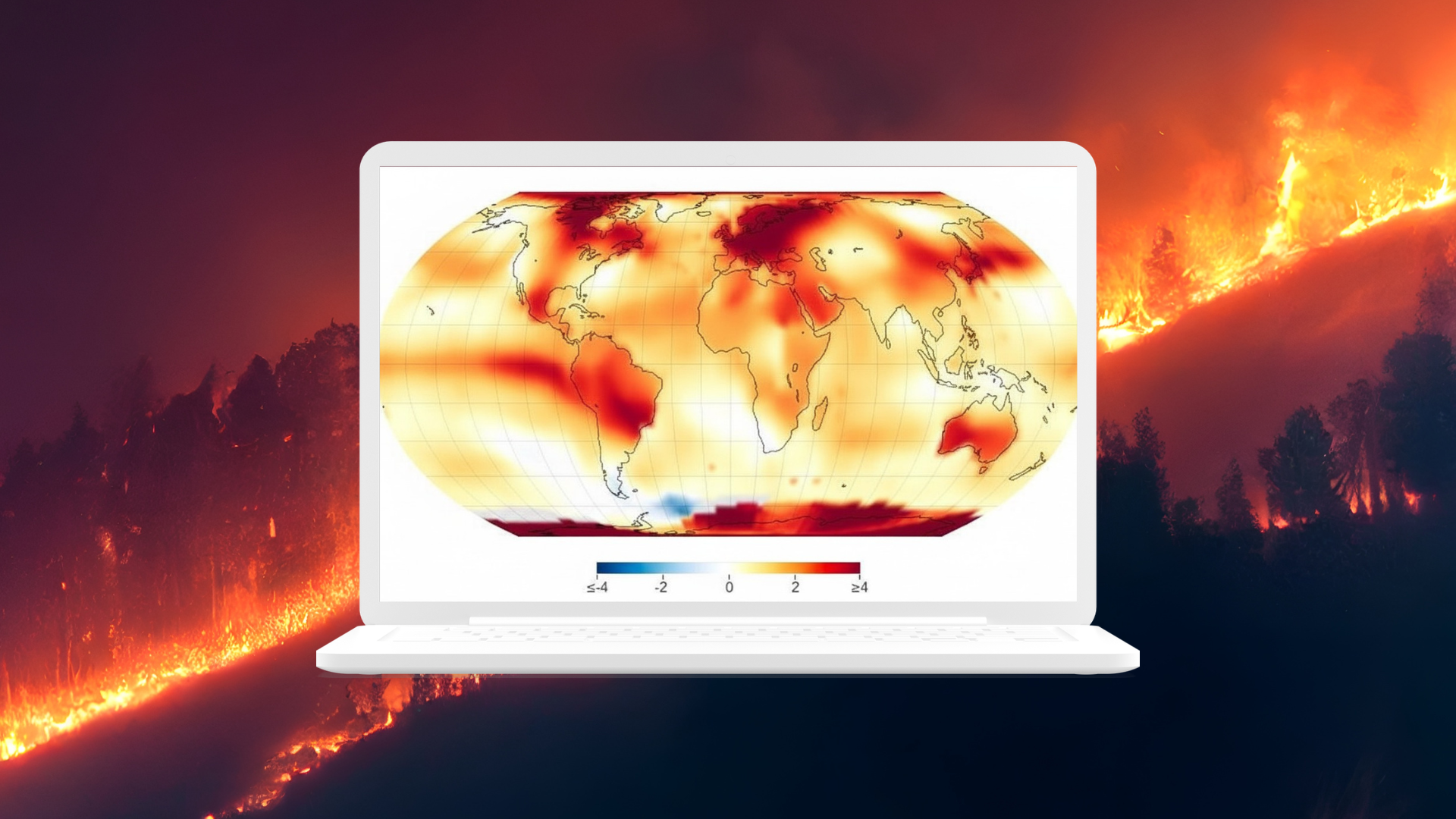
Before the Paris Agreement, the IPCC projected a global average temperature rise of 3.7°C to 4.8°C. Ten years later, in November 2025, the UN Environment Programme projected a global average temperature rise of between 2.3°C and 2.5°C. 

...finance is the elephant in the room at every COP, and COP30 was no exception. 

We are still far off track and misaligned with the goals of the Paris Agreement, but there has been significant improvement. The UN climate talks continue to be a ‘North Star’ for global climate action, but progress has stalled long enough that the need for reform is self-evident. 

2. Reform is difficult, but there may be a path

Calls for change have grown louder in recent years; however, structural reform is difficult, to say the least. Proposals can challenge fundamental geopolitical dynamics – most notably the UN’s role as a forum for sovereign states, where each country wants to be able to dictate its own terms.

Nonetheless, progress can still be made on a number of fronts. For starters, banning fossil fuel and Big Ag lobbyists would help dampen their influence in these talks. This year, we saw a record number of fossil fuel lobbyists at the conference, 1,600 in total. As a group, they outnumbered every country delegation except Brazil, and close to 600 were embedded in country delegations. 

Similarly, we saw over 300 lobbyists from Big Ag, 25% of whom were attached to country delegations. Banning Big Oil, Gas, and Ag from participating should be among the top priorities for reforming the COP process.

Instead of allowing unfettered access for special interests, we need to democratize participation for those on the front lines of climate change and implementation. In the first week of COP30, we saw Indigenous groups, specifically the Munduruku, protest and demand access to the venue. They had travelled across the Amazon to call for an end to extractive industries threatening their territory. 

Encouragingly, this year we saw a record number of Indigenous participants at COP30. However, the protests were a stark reminder of how many voices remain outside the process, especially as corporate lobbyists flood the venue.

Other voices, such as those from Afro Descendant movements, called for recognition as a formal constituency. Their calls were rejected, though they did receive recognition in multiple texts. The failure to recognize Afro Descendants as a formal constituency, however, is another potent reminder that whole groups of people have remained locked out while corporate lobbyists have privileged access with diplomatic-level credentials. 

Transparency must also be at the core of COP reform. At COP30, much of the negotiations went behind closed doors during the second week. This opaque process allows negotiations to be almost entirely divorced from media narratives, as it’s impossible to verify who demanded what or who set which red lines.

Following increased transparency, improvements can be made to implementation and compliance measures. One of the most effective ways to do this might be to change from a consensus-driven process, where any one country can stop negotiations, to a voting system, at least for issues that reach an impasse. 

Lastly, establishing permanent bodies for implementation and scientific advice could help shift the focus from negotiations to action while reducing the time pressure for political decisions. These bodies already exist (known as subsidiary bodies), but only meet a few times a year.  Coordinating global climate action is a complicated affair, one that requires everyday attention; establishing a permanent base of operations should’ve been done long ago. 

3. COP30 largely failed on fossil fuels, food, and forests 

The primary text that emerged from COP30, the Muritāo Decision, made no mention of fossil fuels or food and agriculture, which are primary drivers of climate change. The document made only a light suggestion to be “mindful” of the Amazon and previous commitments to halt deforestation.   

These are pretty egregious omissions considering the overwhelming science on the sources of emissions, previous remarks from the Brazilian President Luiz Inácio Lula da Silva that Brazil was “not afraid to discuss the energy transition,” and the fact that the very reason for COP30 being held in the Amazon in the first place was to call attention to the urgent need to protect the world’s forests.

Image
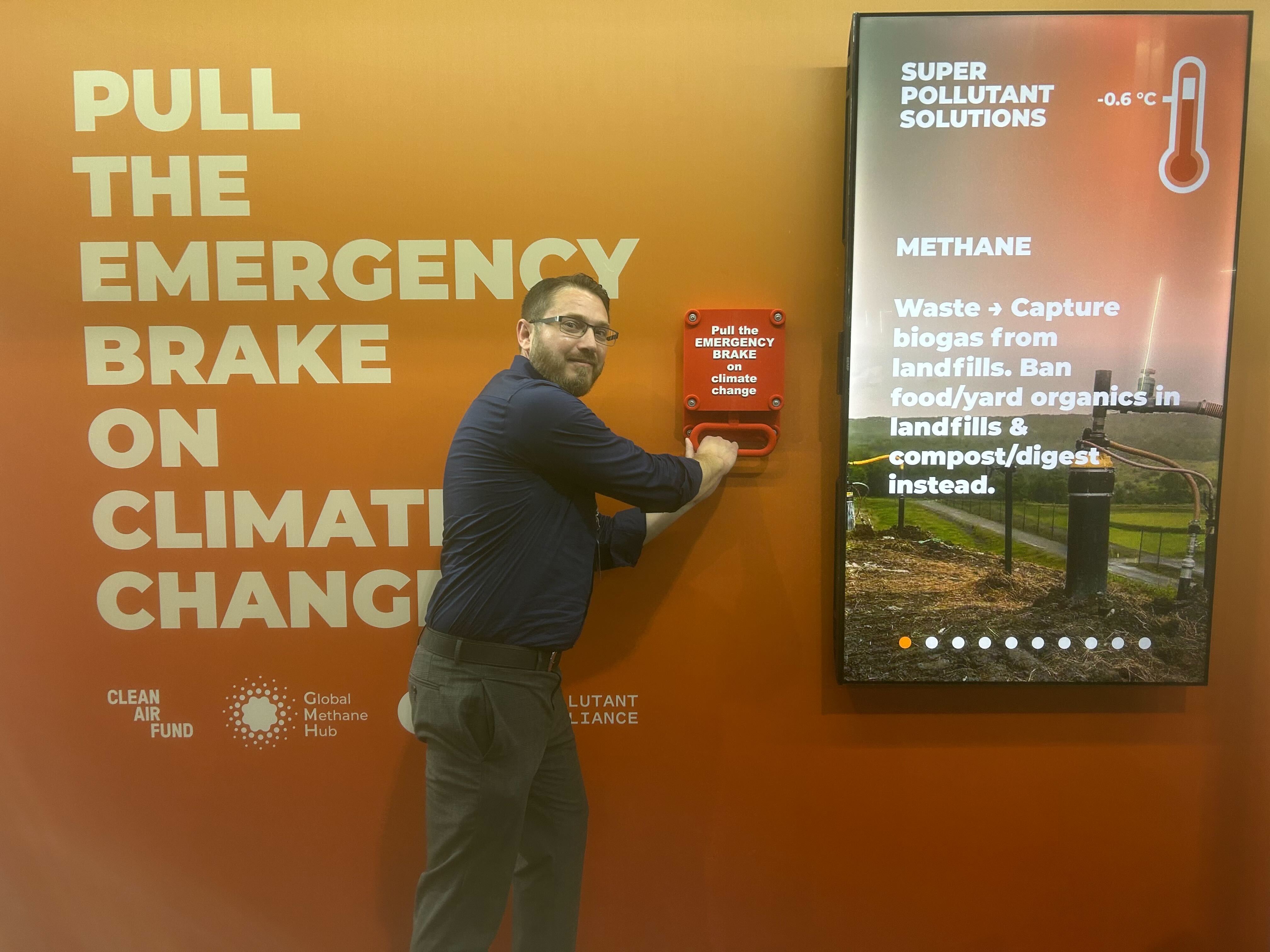
An image of Project Drawdown senior policy advisor Dan Jasper pulling a red emergency brake at an exhibit on methane at COP30

Project Drawdown Senior Policy Advisor Dan Jasper pulls the emergency brake on climate change at an exhibit focused on methane during COP30.

Details of the negotiations are difficult to know, but in the end, the discussion around fossil fuels moved outside the official COP process. The Brazilian Presidency opted to draft a voluntary roadmap to transition away from fossil fuels and help lead on implementation. 

Separately, Colombia and the Netherlands announced they would co-host the First International Conference on a Just Transition from Fossil Fuels. How these efforts will relate is unclear, but what is clear is that some countries are seeing the value in stepping outside the UN climate forum to assemble “coalitions of the willing” to lead on climate action.

Discussions on food and agriculture saw some progress, with declarations on issues such as hunger, poverty, and people-centered climate action, as well as on improving fertilizers. Still, the sector was not in the spotlight to the extent one might assume, given that livestock agriculture drives the majority of deforestation in the Amazon. Related issues, such as improving food security, financing for sustainable food systems, and supporting smallholder and women farmers, were mentioned in at least five texts that came out of the negotiations. 

This progress, however, is far short of what’s required for the food systems transformation necessary to meet the Paris temperature goals. Food and agriculture are responsible for roughly between a quarter and one-third of global greenhouse gas emissions. Even if we addressed every other sector, food systems alone would send temperatures above the Paris goals. Much more work is needed on this front.

One of the most discussed initiatives launched at COP30 was the Tropical Forests Forever Facility (TFFF), which will use a creative financial mechanism to protect tropical forests and is set to be the largest project of its kind. There is still room for improvement, however, and it risks falling into old traps. 

While the TFFF is a significant announcement, forests were largely sidelined from negotiations on the primary text. Similar to fossil fuels, Brazil committed to drafting a voluntary roadmap on preventing deforestation, though details remain murky. 

Overall, the outcomes on these issues were less than stellar; at times, they seemed to be avoided altogether for the sake of political expediency and pressure to show results.

4. Some progress was made, but finance continues to be the elephant in the room

At the conference, I heard several people remark that finance is the elephant in the room at every COP, and COP30 was no exception. While Brazil issued a roadmap to mobilize US$1.3 trillion for climate action (which was agreed to last year at COP29), the roadmap relies heavily on private finance – a prospect with no guarantees. Meanwhile, rich countries continue to drag their feet on financial responsibilities and commitments, often overshadowing various negotiation tracks.

A long-standing point of contention, for example, has been the Global Goal on Adaptation. Set forth by the Paris Agreement, the goal seeks to mobilize resources and support to help those on the front lines adapt to a changing climate. 

At this COP, delegates were tasked with agreeing on a set of indicators to measure progress on adaptation. Negotiators agreed on a set of indicators, but many were ambiguously phrased or stated in general terms, making the intention behind some of the measurements difficult to understand. However, organizations like the UN Office for Disaster Risk Reduction have welcomed the package of indicators as a “starting architecture” for measuring various aspects of climate resilience.

Financing, however, loomed large over the conversations – especially because an indicator framework does little if there is no money to operationalize it. The Muritāo Decision contained language that references “tripling” money for adaptation. However, it’s not clear what the baseline is that will be tripled, and it will likely still fall far below the needs of low- and middle-income countries by several magnitudes. 

Similarly, a new Gender Action Plan – or GAP – intended to advance gender-responsive climate action was also on the agenda at COP30. A final text was agreed upon, marking some degree of success. The text contained suggested actions and reporting mechanisms for countries to take, as well as strengthened coherence between the Rio Conventions

If I had to put my faith in anything, it would be in the power of people to lead, mobilize, and deploy real climate solutions. 

However, it “continues to fall short of the ambition demanded by frontline communities,” according to the Women and Gender Constituency (WGC). Further, the means of financing remain unclear, and without financial commitments to support the activities, the GAP risks becoming an empty framework.

5. The big win for COP30 was a Just Transition mechanism

In my opinion, the truly landmark decision of this COP was the establishment of a Just Transition mechanism that will help ensure workers, frontline communities, and Indigenous people are supported and centered in the transition away from fossil fuels.

This decision is no doubt the result of civil society efforts, with many organizations advocating for the Belem Action Mechanism (BAM). BAM is meant to coordinate a just transition to renewable energy through national climate plans and implementation. 

The text that establishes BAM is a breath of fresh air. It embeds concepts such as obtaining free, prior, and informed consent from Indigenous Peoples, recognizes the importance of protecting ecosystems and biodiversity, and stresses the need for access to affordable and reliable energy for all.

One encouraging line recognized that “multi-stakeholder, people-centric, bottom-up, whole-of-society approaches are required to achieve just transitions.” This rings true to our work at Project Drawdown as we recognize the importance of taking a people-first approach to climate action.

Lastly, the text mentions one essential but often overlooked climate solution: clean cooking. Currently, about 2.3 billion people across the world use polluting cooking fuels, such as coal, charcoal, kerosene, firewood, and agricultural waste. These fuels are burned on such a large scale that they account for about 3% of annual global greenhouse gas emissions. Moreover, they cause health problems for users, harm flora and fauna, and even accelerate the melting of sea ice and glaciers. 

Despite these significant impacts, clean cooking is a solvable problem, but progress has been slow to say the least; access to clean cooking fuels has barely kept pace with population growth. The inclusion of clean cooking in the Just Transition text is an encouraging sign that universal access will be prioritized in future climate action.

6. The Amazon is falling, but people are rising

After all the media coverage, hot takes, and focus on the conference location, very little was said about the Amazon and its importance to us all. Several points stuck out to me on my first visit to this incredible rainforest: 

  • First, the scale of people living in the rainforest is much bigger than I imagined – roughly 47 million people, including over 2 million Indigenous people, live in the Amazon.
  • Second, its biodiversity – the Amazon is thought to be home to more than 10% of species on Earth, and a new species is discovered there every other day on average. 
  • Third, its size – the Amazon is over one and a half times the size of India, covering roughly 6.7 million square kilometers.
  • Fourth, it's incredibly vulnerable – according to the latest Amazon Assessment Report, the Amazon has been deforested by about 18%; that is dangerously close to a ‘tipping point’ that could push the rainforest into a savanna ecosystem (a savannah). 

Globally, deforestation accounts for about 11% of total greenhouse gas emissions – that’s larger than the entire emissions of the United States. Moreover, when forests are protected, the emissions savings are immediate, making it an emergency brake climate solution.

While the official COP30 decisions were disappointing regarding forests, it’s important to note that civil society was very vocal about this and other issues outside the conference. The People’s Summit Towards COP30 drew much-needed attention to many issues that politicians have avoided, including the dire need to protect the Amazon and other forests from extractive industries. 

The People’s Summit began with a flotilla in which over 200 boats navigated the mouth of the Amazon; they called for Indigenous wisdom to be centered in climate action and for a halt to false solutions. This was one of many actions taken by civil society on the ground during COP30 that maintained pressure on negotiators to show results.

While some may question the value of civil society actions, I can tell you from firsthand experience that much of the progress being made today would not be possible without such actions. If I had to put my faith in anything, it would be in the power of people to lead, mobilize, and deploy real climate solutions


Dan Jasper is a senior policy advisor at Project Drawdown with a multidisciplinary background in public policy at the intersection of climate change and poverty alleviation. 

This work was published under a Creative Commons CC BY-NC-ND 4.0 license. You are welcome to republish it following the license terms.

Support Climate Action

Drawdown Delivered

Join the 85,000+ subscribers discovering how to drive meaningful climate action around the world! Every other week, you'll get expert insights, cutting-edge research, and inspiring stories.

Receive biweekly email newsletter updates from Project Drawdown. Unsubscribe at any time.