Food and Climate

Science and stories at the intersection of food, agriculture, land use, and climate change

Food Matters

When we think of the causes of climate change, the first thing that comes to mind often is the use of fossil fuels for electricity generation, transportation, or industry.

At the same time, an equally significant, yet far less recognized, cause of climate change often gets short shrift: the global food system. A whopping 20–30% of all greenhouse gas emissions come from the food, agriculture, and land use sector.

The systems we use to feed humanity have created a huge problem for Earth’s climate. But they also offer a huge opportunity to help halt climate change.

By conducting in-depth research and sharing the results, Project Drawdown is helping businesses, impact investors, philanthropists, and others identify and deploy their most effective actions across the spectrum of climate solutions associated with food, agriculture, and land use.

A Spectrum of Food-Related Solutions

The food system offers opportunities to reduce greenhouse gas concentrations in the atmosphere in two main ways:

  • Cut emissions: Most of the opportunity lies in reducing emissions by shifting diets, curbing food loss and waste, protecting natural ecosystems, and making other systemic changes.
  • Remove carbon: Additional gains come from removing carbon from the air by restoring ecosystems and enhancing soil health.

Proportional impact of Food and Agriculture climate solutions by strategy and method

Cut Emissions

  • Shift Diets
  • Curb Food Loss & Waste
  • Protect Natural Ecosystems
  • Farm with Lower Emissions
  • Reduce Other Emissions

Remove Carbon

  • Restore Natural Ecosystems
  • Build Carbon-rich Fields & Soils

Drawdown Explorer

Browse food-related solutions, harvest insights from in-depth research, and take action using Drawdown Explorer – the world’s ultimate climate solutions platform.


News and Insights


Featured Video

In this compelling TED Countdown presentation, Project Drawdown Executive Director Jonathan Foley shares four key strategies for reducing food’s climate impact: boost efficiency by cutting food waste and changing diets, protect ecosystems, improve farming, and improve the rest of the food system.


Publications

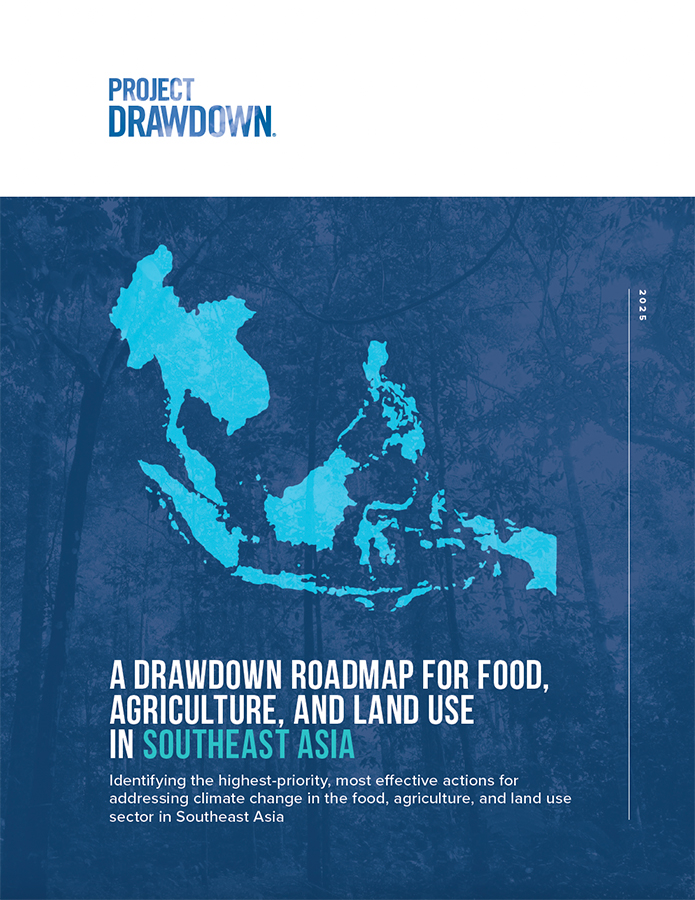
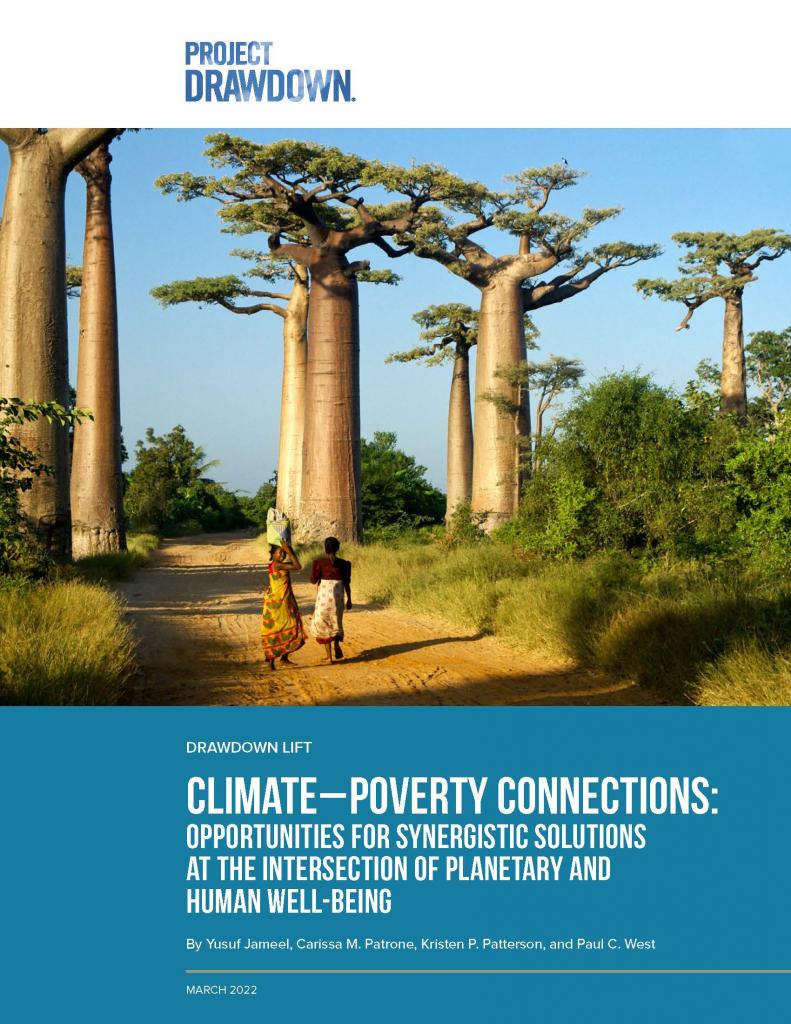
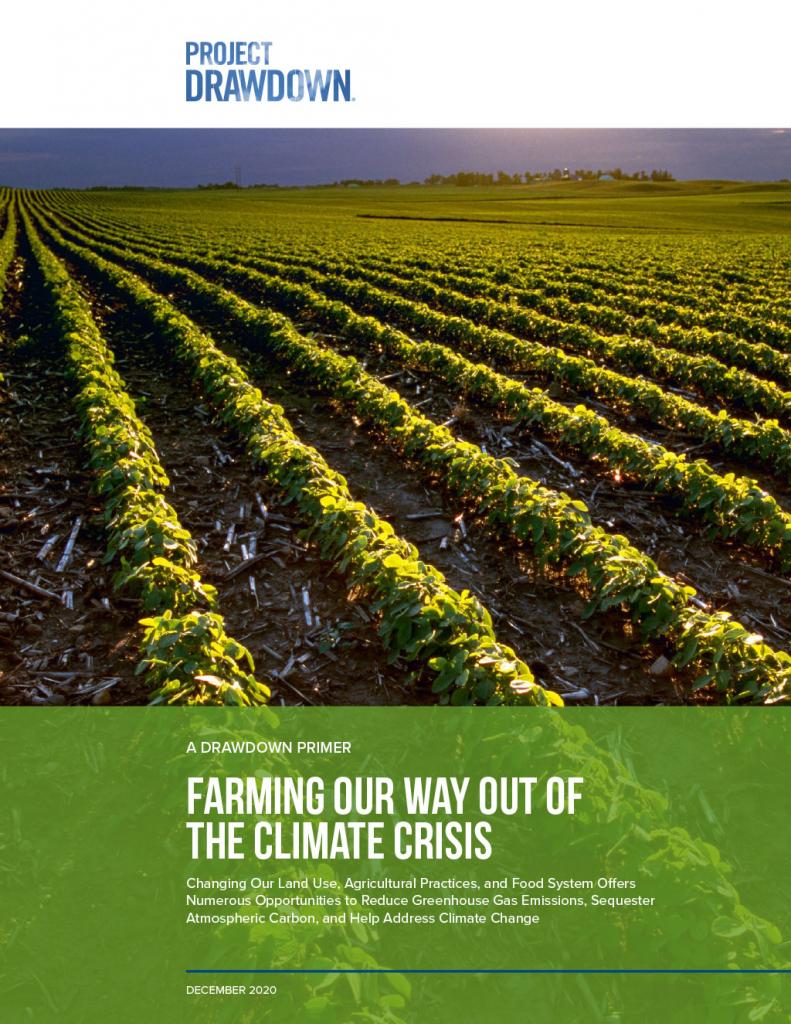
Gain in-depth insights and read real-life examples of how strategic shifts in agriculture and other land-use practices have had – and can have – tangible impact on reducing the concentration of greenhouse gases in the atmosphere.