Climate One honors Jonathan Foley, Ph.D., with Schneider Award for climate communication

Presented annually by Climate One, the Schneider Award honors climate scientists who have gone above and beyond the realm of academia in their efforts to communicate climate change to the public.

“In the face of disinformation and delay tactics, it’s more important than ever for scientists working on climate change to stand up and share their expertise with the world,” Foley says. “It’s an honor to be recognized with the Schneider Award for this often overlooked, but essential role that scientists can – and should – play in shaping the conversation around climate change.” 

“Jonathan’s leadership at Project Drawdown – assembling science into accessible solutions – is exactly the kind of climate science communication the public needs right now,” says Climate One Founder Greg Dalton. “Through presentations, interviews, articles, and more, Jonathan shows that not only is a world without a climate crisis possible, but we already have everything we need to get there.”

Established in honor of Stephen H. Schneider, Ph.D., one of the founding fathers of climatology, Climate One’s Schneider Award recognizes a natural or social scientist who has made extraordinary scientific contributions and communicated that knowledge to a broad public in a clear, compelling fashion. Past winners include Leah Stokes, Ayana Elizabeth Johnson, Ben Santer, Katharine Hayhoe, Robert Bullard, Jane Lubchenco, and Michael Mann.

The Schneider Award will be presented to Foley during a live event at The Commonwealth Club in San Francisco on December 3, 2025, at 6 p.m. PT. Tickets to attend the event in-person or via the virtual livestream are available here.


Press Contacts
Skylar Knight, skylar.knight@drawdown.org 
Interviews available upon request


About Project Drawdown
Project Drawdown is the world’s leading guide to science-based climate solutions. Our mission is to drive meaningful climate action around the world. A 501(c)(3) nonprofit organization, Project Drawdown is funded by individual and institutional donations.

About Climate One 
Climate One from The Commonwealth Club is the premier platform for empowering conversations that connect all aspects of the climate emergency. Through our podcast, national radio show, and live convenings for thought leaders and concerned members of the public, we create opportunities for dialogue and inspire a more complete understanding of the current crisis.

Image
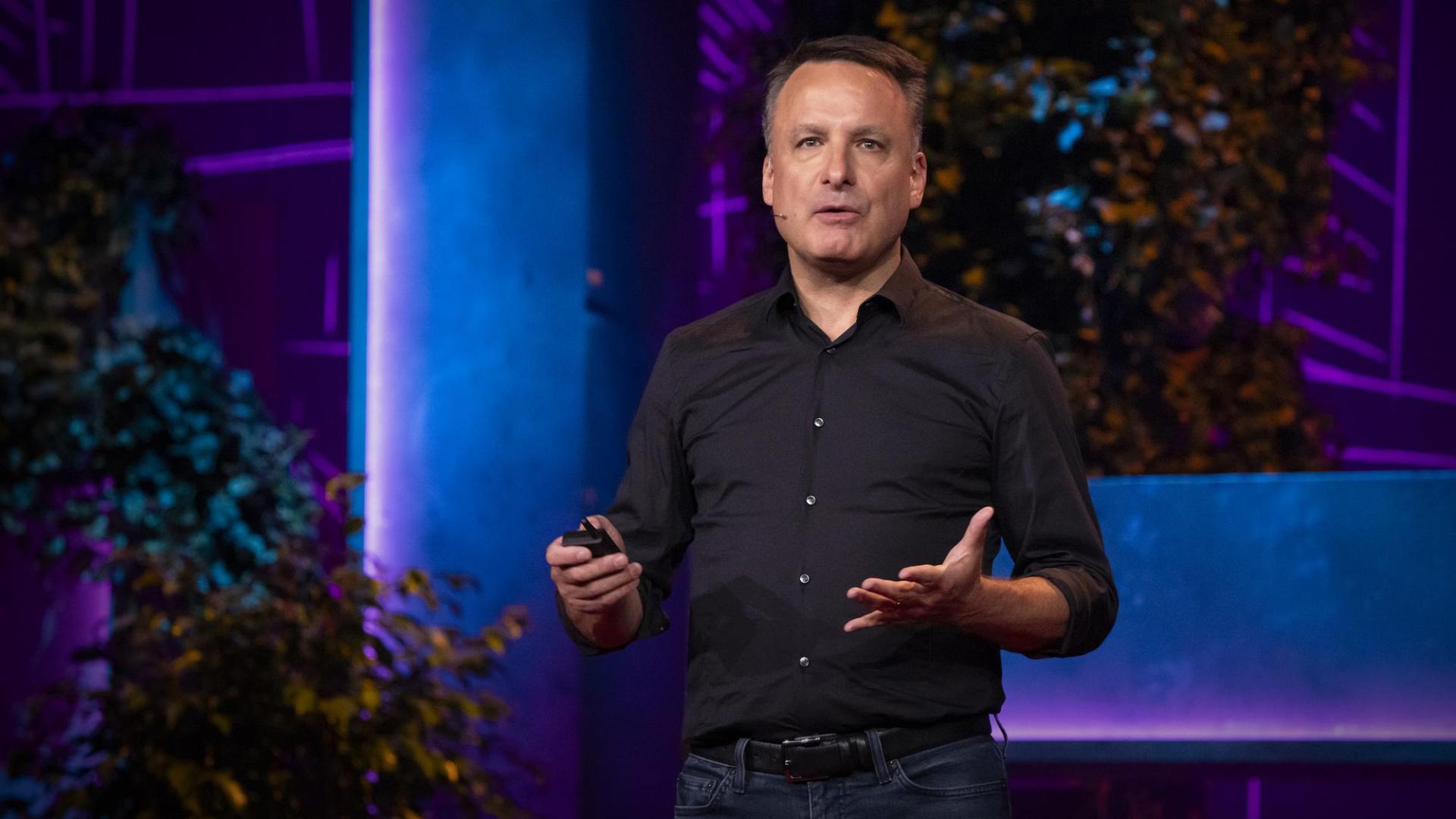
Jon Foley presenting at TED
Off

Project Drawdown is thrilled to announce that Executive Director Jonathan Foley, Ph.D., is the 2025 winner of the prestigious Stephen H. Schneider Award for Outstanding Climate Science Communication.

Description for Social and Search
Award recognizes scientists who go above and beyond in their efforts to communicate climate change
Include in Home Insights and News Feed
On

Use Methane-Oxidizing Coatings

Image
Image
Worker spraying a coating on a surface
Coming Soon
Off

Key Takeaways

  • Photocatalytic methane-oxidizing coatings on roofs and other surfaces can convert methane to CO₂.  
  • This solution has low energy and operational costs because it relies on natural air movement and could be deployed on existing structures.
  • Effectiveness of these coatings is uncertain, and their resistance to weathering under real-world environmental conditions is unknown.
  • The total area of coated surfaces would need to be huge for this solution to have a globally meaningful climate impact.
Summary

Photocatalytic methane-oxidizing coatings applied to roofs and other surfaces exposed to air can convert methane molecules that contact the surface into CO₂. The concentration of methane in the air is low, less than 2 ppm but, because methane is ~80 times better at trapping heat than CO₂ on a 20-year basis, actions to quickly reduce its concentration have outsized climate benefits. Several photocatalytic compounds can be incorporated into thin coatings such as paint and applied to a variety of surfaces. However, significant advances are needed in photocatalytic surface coatings’ chemical conversion efficiency and resistance to weathering. Methane removal using this method is also limited by the area of the coated surface and the rate at which methane molecules contact it; models suggest that the area of coated surfaces needed to achieve a meaningful climate impact would be infeasibly large. More practical, cost-effective, and proven technologies are available to prevent methane emissions from entering the atmosphere from high-emitting industries. However, methane is a potent GHG and deployment of methane-oxidizing coatings on existing structures could be minimally disruptive and targeted at areas with elevated methane concentrations. Given these caveats, we will “Keep Watching” this solution. 

Description for Social and Search
The use of methane-oxidizing surface coatings is a plausible climate solution, but its potential impact is currently limited by technological and practical considerations.
Overview

What is our assessment?

Based on our assessment, removing methane from the air using photocatalytic methane-oxidizing surface coatings is plausible, but its effectiveness and potential climate impact are currently limited by technological and practical uncertainties. However, because methane is such potent GHG, we will “Keep Watching” this solution. 

Plausible Could it work? Yes
Ready Is it ready? No
Evidence Are there data to evaluate it? Limited
Effective Does it consistently work? ?
Impact Is it big enough to matter? ?
Risk Is it risky or harmful? No
Cost Is it cheap? ?

What is it?

This solution aims to remove methane from the air by coating large surfaces that contact air, such as buildings and wind turbine blades, with photocatalytic chemicals that convert methane to CO₂ on contact (Jackson et al., 2021; Lebling & Harasaki, 2025). Methane-oxidizing coatings use sunlight to drive the chemical reaction and rely on natural air movement to bring methane in the air into contact with the coated surface (Abernethy & Jackson, 2024). 

Does it work?

Methane is a potent but short-lived greenhouse gas, more than 80 times stronger than CO₂ at trapping heat on a 20-year basis (IPCC, 2023). Actions that accelerate methane conversion to CO₂ would reduce its disproportionate warming impact (Jackson et al., 2019). Several photocatalytic compounds, such as titanium dioxide, can convert methane into CO₂ and can be incorporated into thin coatings such as paint and applied to a variety of surfaces. However, the chemical reaction to convert methane to CO₂ is not 100% efficient and, because the atmospheric concentration of methane is so low (~2 ppm compared to 430 ppm for CO₂ ), the amount of methane removed is limited by the area of the coated surface and the rate at which methane molecules contact it (Abernethy & Jackson, 2024; Pennacchio et al., 2024). Research into using methane-oxidizing coatings is still in its early stages and limited to a few modeling and laboratory studies. Modeling estimates suggest that the area of coated surfaces needed to achieve a meaningful climate impact would be impractically large (Pennacchio et al., 2024). 

Why are we excited?

Because methane is such a potent GHG, actions that reduce its concentration in the atmosphere have immediate climate benefits. Unlike direct air capture or carbon capture and storage, there is no need to capture or store any gases because the goal is to oxidize methane to CO₂ (Ming et al., 2022). Using a chemical treatment that can be incorporated into coating materials such as paint is minimally invasive or disruptive. In addition, because the solution relies on natural air movement rather than fans, its energy demands and operating costs are low. The effectiveness of this solution could be enhanced if it were deployed in areas with habitually elevated methane concentrations, such as cattle, waste management, oil and gas facilities, and rice paddies (Nisbet-Jones et al., 2021). 

Why are we concerned?

Significant advances in the methane removal efficiency of photocatalytic surface coatings are needed for this solution to be effective, scalable, and practical (Lebling & Harasaki, 2025). Other unknowns include the lifespan of the photocatalytic coatings on different types of surfaces and under different environmental and weather conditions (Lei et al., 2025; Liu et al., 2023). Costs are unknown due to these limitations, and could be high relative to other more targeted methane reduction solutions such as managing oil and gas methane, managing coal mine methane, improving landfill management, and increasing centralized composting. New tools for monitoring and measuring changes in the low concentrations of atmospheric methane will need to be developed to quantify the amounts of methane removed for accurate accounting and verification. Finally, some researchers argue that use of photocatalytic coatings to neutralize potent GHGs would be more effectively and impactfully directed at longer-lived climate pollutants such as nitrous oxide (Lackner, 2020). 

Solution in Action

References

Abernethy, S., & Jackson, R. B. (2024). Atmospheric methane removal may reduce climate risks. Environmental Research Letters, 19(5), Article 051001. Link to source: https://iopscience.iop.org/article/10.1088/1748-9326/ad3b22/pdf

Intergovernmental Panel On Climate Change. (2023). Climate change 2022 – Impacts, adaptation and vulnerability: Working Group II contribution to the sixth assessment report of the Intergovernmental Panel on Climate Change (1st ed.). Cambridge University Press. Link to source: https://doi.org/10.1017/9781009325844

Jackson, R. B., Solomon, E. I., Canadell, J. G., Cargnello, M., & Field, C. B. (2019). Methane removal and atmospheric restoration. Nature Sustainability, 2(6), 436–438. Link to source: https://par.nsf.gov/servlets/purl/10142837

Jackson, R. B., Abernethy, S., Canadell, J. G., Cargnello, M., Davis, S. J., Féron, S., Fuss, S., Heyer, A. J., Hong, C., Jones, C. D., Damon Matthews, H., O’Connor, F. M., Pisciotta, M., Rhoda, H. M., de Richter, R., Solomon, E. I., Wilcox, J. L., & Zickfeld, K. (2021). Atmospheric methane removal: A research agenda. Philosophical Transactions of the Royal Society A: Mathematical, Physical and Engineering Sciences, 379(2210), Article 20200454. Link to source: https://doi.org/10.1098/rsta.2020.0454

Lackner, K. S. (2020). Practical constraints on atmospheric methane removal. Nature Sustainability, 3(5), 357–357. Link to source: https://doi.org/10.1038/s41893-020-0496-7

Lebling, K., & Harasaki, H. (2025). 5 things to know about atmospheric methane removal. World Resources Institute. Link to source: https://www.wri.org/insights/atmospheric-methane-removal

Lei, Y., Sala, X., García-Antón, J., & Muñoz, J. (2025). A review on photocatalytic methane conversion systems: from fundamental mechanisms to the emerging role of ferroelectric materials. Journal of Materials Chemistry A, 13(18), 12712–12745. Link to source: https://pubs.rsc.org/ta/article/13/18/12712/875561/A-review-on-photocatalytic-methane-conversion

Liu, Z., Xu, B., Jiang, Y. J., Zhou, Y., Sun, X., Wang, Y., & Zhu, W. (2023). Photocatalytic conversion of methane: current state of the art, challenges, and future perspectives. ACS Environmental Au, 3(5), 252–276. Link to source: https://pmc.ncbi.nlm.nih.gov/articles/PMC10515711/#sec1

Ming, T., Li, W., Yuan, Q., Davies, P., de Richter, R., Peng, C., Deng, Q., Yuan, Y., Caillol, S., & Zhou, N. (2022). Perspectives on removal of atmospheric methane. Advances in Applied Energy, 5, Article 100085. Link to source: https://doi.org/10.1016/j.adapen.2022.100085

Nisbet-Jones, P. B. R., Fernandez, J. M., Fisher, R. E., France, J. L., Lowry, D., Waltham, D. A., Woolley Maisch, C. A., & Nisbet, E. G. (2021). Is the destruction or removal of atmospheric methane a worthwhile option? Philosophical Transactions of the Royal Society A: Mathematical, Physical and Engineering Sciences, 380(2215), Article 20210108. Link to source: https://doi.org/10.1098/rsta.2021.0108

Pennacchio, L., Mikkelsen, M. K., Krogsbøll, M., van Herpen, M., & Johnson, M. S. (2024). Physical and practical constraints on atmospheric methane removal technologies. Environmental Research Letters, 19(10), Article 104058. Link to source: https://doi.org/10.1088/1748-9326/ad7041

Wang, J., & He, Q. P. (2023). Methane removal from air: Challenges and opportunities. Methane, 2(4), 404–414. Link to source: https://doi.org/10.3390/methane2040027

Credits

Lead Fellows

  • Christina Swanson, Ph.D.
  • Jason Lam

Internal Reviewers

  • Megan Matthews, Ph.D.
  • Paul C. West, Ph.D.
Speed of Action
Caveats
Risks
Consensus
Trade-offs
Action Word
Use
Solution Title
Methane-Oxidizing Coatings
Classification
Keep Watching

Lawmakers and Policymakers

Practitioners

Business Leaders

Nonprofit Leaders

Investors

Philanthropists and International Aid Agencies

Thought Leaders

Technologists and Researchers

Communities, Households, and Individuals

Updated Date
Coming Soon Label
Coming Soon

Improve Steel Production

Image
Image
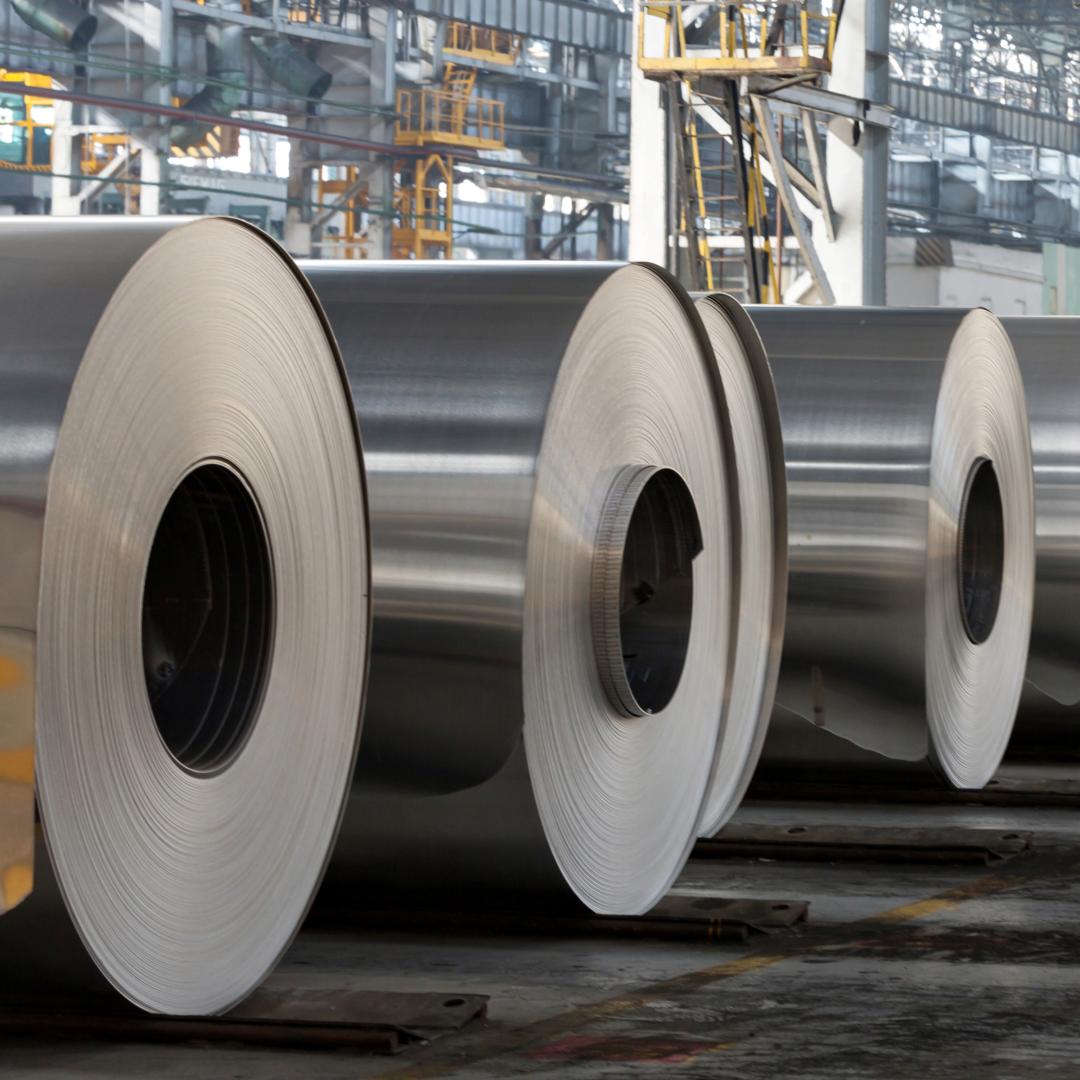
An image of rolls of steel sheets
Coming Soon
Off

Key Takeaways

  • Steel production relies heavily on coal and other fossil fuels to provide heat and reducing agents (chemicals that remove oxygen from iron ore).
  • Replacing the use of fossil fuels with electrolytic hydrogen and clean electricity could dramatically reduce GHG emissions from steel production, from 1.8 t CO₂‑eq /t of steel to 0.12 t CO₂‑eq /t of steel.
  • Steel has been manufactured on an industrial scale using direct reduction with hydrogen, but it has proven uneconomical and many proposed new projects have been canceled or put on hold. 
  • Demand for steel is expected to rise due to demand from low- and middle-income countries.
  • To increase adoption, improved steel facilities need to be located in areas that can readily supply both iron ore and abundant low-carbon, low-cost electricity. 
Summary

Improve Steel Production involves replacing the use of fossil fuels in making steel from iron ore with electrolytic hydrogen and clean electricity. Doing so could reduce GHG emissions from steel production by more than 90% (International Energy Agency [IEA], 2020). Although the necessary technologies exist, adoption has been very limited, with the major barriers being the availability and cost of the large amounts of clean electricity needed for the process and the availability of suitable iron ore (Devlin et al., 2023; McKinsey & Company, 2024). Other strategies for reducing the emissions from steel production typically rely on bioenergy sources or carbon capture and storage (CCS) (Bataille et al., 2021), which have limited potential to reduce emissions. As demand for steel grows globally, new policies are needed to increase market demand for low-emissions steel (IEA, 2020, Bataille et al., 2021). Given the lack of improved steel facilities and supportive policies today, we will “Keep Watching” this solution.

Description for Social and Search
Improve Steel Production involves replacing the use of fossil fuels in making steel from iron ore with electrolytic hydrogen and clean electricity.
Overview

What is our assessment?

Based on our analysis, Improve Steel Production using green hydrogen and electric furnaces powered by clean electricity has the potential to significantly reduce emissions. However, while the individual technologies that are needed are mature and their combined use has been piloted, the process has not yet been adopted in a meaningful way. We will “Keep Watching” this solution, but it is not ready for widespread adoption.

Plausible Could it work? Yes
Ready Is it ready? No
Evidence Are there data to evaluate it? Yes
Effective Does it consistently work? Yes
Impact Is it big enough to matter? Yes
Risk Is it risky or harmful? No
Cost Is it cheap? No

What is it?

Currently, making steel from iron ore relies heavily on coal and other fossil fuels to provide heat and reducing agents (chemicals that remove oxygen from iron ore) (IEA, 2020; Ryan et al., 2020; Zhang et al., 2023). Improve Steel Production refers to using electric heat and hydrogen produced by electrolysis to reduce the iron ore (H2-DRI) and electric arc furnaces (EAF) to melt the resulting iron and alloy it with carbon to make steel. The solution also requires the electricity used in these processes to include significant renewable energy or other low-carbon generation. The output is varying grades of steel with different degrees of hardness and brittleness determined by slight variations in carbon content. This solution does not include processes that rely on bioenergy or CCS, since the emissions from burning bioenergy contribute to climate change and CCS is not an effective climate solution.  

Does it work?

Replacing fossil fuels in steelmaking with H2-DRI-EAF that uses electrolytic hydrogen and where all electricity comes from relatively clean sources results in significantly reduced emissions. Steel made today using fossil fuels for heat and as a reducing agent results in an estimated 1.8 t CO₂‑eq /t of steel (Bataille et al., 2021). By contrast, steel made using H2-DRI-EAF and low-carbon electricity would generate an estimated 0.12 t CO₂‑eq /t of steel and is a more energy-efficient process (Bataille et al., 2021). EAF furnaces are already very common in steelmaking and for recycling existing steel, but are rarely combined with H2-DRI (IEA, 2020; Devlin et al., 2023). Although H2-DRI was first used on an industrial scale in 2001, that plant was shut down for economic and political reasons, and economics remain a barrier (Wang et al., 2026). Finally, technologies to make industrial hydrogen from electricity are mature (Bataille et al., 2021), but most hydrogen produced today is made from fossil fuels and is carbon-intensive. Active research is exploring other technologies that could become important for improving steel production in the future, most notably aqueous or molten oxide electrolysis, both of which use electricity to directly remove oxygen from iron ore, and can be combined with EAF to make steel (Bataille et al., 2021, Hubner Australia, n.d.).  

Why are we excited?

Steelmaking is classified as a hard-to-abate industry, and H2-DRI-EAF powered by clean electricity is considered one of the best strategies for cutting emissions in this sector (Devlin et al., 2023, IEA, 2020; Bataille et al., 2021). The Net Zero Industry project forecasts that under an emissions-neutral steel scenario by 2050, roughly 40% of global steel production could depend on H2-DRI-EAF, with the remainder consisting of recycled steel (47%), steelmaking with CCS (11%), or technologies not yet defined (2%) (Bataille et al., 2021; Net Zero Industry, n.d.). The impact is potentially significant, given that steelmaking accounted for an estimated 3.7 Gt of CO₂‑eq in 2019 (IEA, 2020). Improved steelmaking has the additional benefit of reducing air and land pollution, as burning coal releases fine particulate matter, heavy metals, and other pollutants. In China, steel production is the largest industrial source of air pollution (IEA, 2020). As demand for steel is expected to increase up to 30% by 2050 due to demand from India and other low- and middle-income countries, it is critical that new and existing production shift to cleaner, lower-emission technologies, and that policies supporting this shift be implemented.  

Why are we concerned?

While proposed low-emission steel projects have attracted significant attention from the press, many have since been canceled or put on hold (Milne, 2025; Russell, 2025; Wrede 2025). As of 2025, we could find references to only a few pilot facilities producing improved steel as we have defined it here (Leadit, 2025). The entire H2-DRI-EAF process is considered to be at the large-scale prototype demonstration stage (Bataille et al., 2021). However, contributing technologies such as electrolytic hydrogen production and EAF are more mature, and H2-DRI was first used on an industrial scale in 2001 (Wang et al., 2026). The higher cost of making low-emission steel is a significant barrier to industrial adoption and consumer demand (Devlin et al., 2023; McKinsey & Company, 2024). Electricity accounts for nearly half the cost of producing low-emission steel from iron ore (McKinsey & Company, 2024). 

To increase adoption, improved steel facilities need to be located in areas that can readily supply both iron ore and abundant low-carbon, low-cost electricity (McKinsey & Company, 2024). In areas such as China, where the electricity grid still relies heavily on fossil fuels, transitioning to H2-DRI-EAF risks increasing emissions unless dedicated renewables are integrated into the project. To move this solution forward, new policies are needed to create an international market for low-emission steel (IEA, 2020). Meanwhile, existing steelmaking facilities typically have lifetimes of 25–40 years (IEA, 2020), which increases the likelihood of stranded assets or continued reliance on fossil fuels by 2050. Under its Sustainable Development Scenario, the IEA (2020) projected that, by 2050, only 12% of cumulative direct emissions reductions in steelmaking will be due to electrification and the use of hydrogen (the IEA considered emissions from electricity to be indirect). Reducing demand for steel, incremental efficiency gains, and CCS are expected to make up the bulk of cumulative direct emissions reductions, according to the IEA (2020) projections.

Solution in Action

References

Bataille, C., Stiebert, S., Li, F. (2021). Global facility level net-zero steel pathways. Net Zero Steel. Link to source: https://netzeroindustry.org/wp-content/uploads/pdf/net_zero_steel_report.pdf

Devlin, A., Kossen, J., Goldie-Jones, H., & Yang, A. (2023). Global green hydrogen-based steel opportunities surrounding high quality renewable energy and iron ore deposits. Nature Communications, 14(1), Article 2578. Link to source: https://doi.org/10.1038/s41467-023-38123-2

Hubner Australia. (n.d.). Green steel manufacturing: Processes and comparisons. Hubner Australia. Link to source: https://hubner.au/green-steel-manufacturing/

IEA. (2020). Iron and steel technology roadmap [report]. Link to source: https://iea.blob.core.windows.net/assets/eb0c8ec1-3665-4959-97d0-187ceca189a8/Iron_and_Steel_Technology_Roadmap.pdf  

Leadit. (2025, May). Green steel tracker. Leadit Leadership Group for Industry Transition. Link to source: https://www.industrytransition.org/green-steel-tracker/  

McKinsey & Company. (2024). Green-steel hubs: A pathway to decarbonize the steel industry. McKinsey & Company. Link to source: https://www.mckinsey.com/industries/metals-and-mining/our-insights/green-steel-hubs-a-pathway-to-decarbonize-the-steel-industry#/  

Milne, R. (2025, October 13). Flagship green steel start-up in funding crisis as Europe’s low-carbon ambitions falter. Financial Times. Link to source: https://www.ft.com/content/ac619c2d-9c7a-4208-baa5-6c648d10cacc  

Net Zero Industry. (n.d.). Net zero steel pathways. Net Zero Industry. Link to source: https://netzeroindustry.org/net-zero-parhways /

Russell, C. (2025, May 29). Green steel is distant and expensive, but teal steel is coming. Reuters. Link to source: https://www.reuters.com/markets/commodities/green-steel-is-distant-expensive-teal-steel-is-coming-russell-2025-05-29/  

Ryan, N. A., Miller, S. A., Skerlos, S. J., & Cooper, D. R. (2020). Reducing CO2 emissions from U.S. steel consumption by 70% by 2050. Environmental Science & Technology, 54(22), 14598–14608. Link to source: https://doi.org/10.1021/acs.est.0c04321 

Wang, Z., Xu, R., & Liu, M. (2026). Towards a 100% hydrogen-driven direct reduction ironmaking future: A critical review on kinetics, bottlenecks, and research priorities. Renewable and Sustainable Energy Reviews, 229, Article 116620. Link to source: https://doi.org/10.1016/j.rser.2025.116620 

Wrede, I. (2025, July 19). ArcelorMittal’s pullout plunges German green steel in doubt. DW. Link to source: https://www.dw.com/en/arcelormittals-pullout-plunges-german-green-steel-in-doubt/a-73303680  

Zhang, J., Shen, H., Chen, Y., Meng, J., Li, J., He, J., Guo, P., Dai, R., Zhang, Y., Xu, R., Wang, J., Zheng, S., Lei, T., Shen, G., Wang, C., Ye, J., Zhu, L., Sun, H. Z., Fu, T.-M., … Tao, S. (2023). Iron and Steel Industry Emissions: A Global Analysis of Trends and Drivers. Environmental Science & Technology, 57(43), 16477–16488. Link to source: https://doi.org/10.1021/acs.est.3c05474  

Credits

Lead Fellow 

  • Heather McDiarmid, Ph.D.

Internal Reviewer

  • Christina Swanson, Ph.D.
Speed of Action
Caveats
Risks
Consensus
Trade-offs
Action Word
Improve
Solution Title
Steel Production
Classification
Keep Watching

Lawmakers and Policymakers

Practitioners

Business Leaders

Nonprofit Leaders

Investors

Philanthropists and International Aid Agencies

Thought Leaders

Technologists and Researchers

Communities, Households, and Individuals

Updated Date
Coming Soon Label
Coming Soon

New report provides roadmap for reducing emissions in the food, agriculture, and land use sector across Southeast Asia

In Southeast Asia, the food, agriculture, and land use (FALU) sector is directly responsible for 54% of greenhouse gas emissions – more than twice the global average – making it one of the most important regions in the world to focus on food-related climate solutions. In a report published today by Project Drawdown and funded by members of Singapore-based Asia Philanthropy Circle, researchers provide a detailed roadmap outlining exactly what solutions are needed, when and where, to maximize the impact of emissions reduction efforts in the FALU sector across Southeast Asia.

“How we treat forests and peatlands in Southeast Asia – one of the most carbon-rich places on Earth – will be key to our climate future,” says Project Drawdown researcher Emily Cassidy, who co-authored the report. “Fortunately, as we show in this report, solutions exist that can significantly reduce emissions while improving the health, resilience, and economic security of communities.”

By synthesizing and analyzing data from hundreds of sources, the researchers show where FALU emissions are coming from across all 11 countries in the region, down to the provincial level. Moreover, they pinpoint geographic hot spots with the greatest potential for emissions reduction per land area without reducing crop yields.

“When you dive into the data, you find opportunities abound for farmers, philanthropists, and climate leaders to dramatically and efficiently reduce emissions,” says Project Drawdown Senior Scientist James Gerber, Ph.D., who co-authored the study. “For instance, focusing protection on just 20% of Indonesia’s carbon-densest forests could reduce 80% of the country’s deforestation emissions. Hundreds of millions of tons of carbon dioxide, with one-fifth of the forest.” 

Similarly, the researchers find that 64% of emissions savings from improved rice cultivation could be achieved on 20% of rice farms, and 80% of emissions savings from improved nutrient management could come from focusing on 20% of farms using excess fertilizers. “We kept uncovering this 80-20 phenomenon, wherein most of the emissions from a particular place, source, or practice could be reduced by implementing a solution over a relatively small area,” Gerber says.

Importantly, many of the climate solutions in the FALU sector that were assessed are emergency brake solutions that reduce potent, fast-acting greenhouse gases, such as methane, or prevent large pulses of emissions, such as from deforestation. Such solutions can play an outsized role in rapidly bending the curve on greenhouse gas emissions.

Beyond analyzing the emissions reductions of various FALU climate solutions, the researchers also discuss how these solutions may affect the economic and environmental well-being of local communities. They find that many of the solutions offer numerous benefits, including enhanced air and water quality, increased climate resilience, and more effective adaptation to extreme weather, all while boosting yields and farmer incomes. “For most of the solutions we analyze, we find that reducing emissions and improving environmental and human well-being is not either-or,” Cassidy says. “It’s yes-and.”

“Our members identified the knowledge gaps and commissioned this report to help provide a better understanding of the food and land use sectors’ impact on climate, biodiversity, and health in the region, which until now had been very fragmented,” says Esther Chang, CEO of the Asia Philanthropy Circle (APC), a community of philanthropists working together to drive collective action for Asia’s most pressing challenges. 

“For the first time, we know which sectors and provinces we need to focus our attention on to address some of the largest sources of greenhouse gas emissions across Southeast Asia. Moving forward, we will convene our members, regional and global funders, and practitioners to explore how best to act on these findings through deep collaboration and collective impact,” she adds.

Key Findings

  • Southeast Asia’s FALU sector could reduce emissions by 1.9 billion tons of carbon dioxide-equivalent per year without a reduction in crop yields
  • Deforestation and other land cover changes are the biggest drivers of emissions in most places (56% of provinces), followed by rice cultivation (42% of provinces) and overuse of nitrogen fertilizers (2% of provinces)
  • Rice production generates almost one-third of regional methane emissions, and improved water management could reduce emissions by 64 million tons per year without reducing yields
  • Targeted interventions in high-priority areas can yield major emissions reductions with “80:20” opportunities wherein roughly 80% of the climate benefits can be achieved by focusing on 20% of the area


Press Contacts
Skylar Knight, skylar.knight@drawdown.org 
Theresa Cua, theresa@asiaphilanthropycircle.org 
Interviews and Drawdown Explorer demos available upon request


About Project Drawdown
Project Drawdown is the world’s leading guide to science-based climate solutions. Our mission is to drive meaningful climate action around the world. A 501(c)(3) nonprofit organization, Project Drawdown is funded by individual and institutional donations.

About Asia Philanthropy Circle
ASIA PHILANTHROPY CIRCLE is a community of philanthropists working together to solve Asia’s most challenging problems. Founded in 2015 by philanthropists, for philanthropists, APC is a safe, trusted space for peers to connect, exchange, and collaborate for lasting impact across the region. APC has since grown to over 60 members across 12 markets. APC is a registered charity headquartered in Singapore with roots throughout the region. 

Image
An image of a man in a rice paddy at sunset
Off

Project Drawdown researchers reveal province-level priorities for reducing emissions throughout the region

Description for Social and Search
Project Drawdown researchers reveal province-level priorities for reducing emissions throughout the region
Include in Home Insights and News Feed
On

Drawdown’s Neighborhood video series shares stories of Los Angeles-based climate heroes

With a population of more than 18 million, Greater Los Angeles is one of the largest urban centers in the United States and among the most racially and culturally diverse cities in the country. As much an ecological patchwork as it is a cultural one, Los Angeles is also home to a variety of landscapes, including mountains, wetlands, beaches, deserts, and more, all of which support a wide range of plant and animal life. This combination of creative energy and diversity in both ecologies and cultures makes L.A. a natural place to find local leadership on climate solutions.

Over the course of seven episodes, Scott takes viewers on a journey throughout Los Angeles to "pass the mic" to climate heroes whose stories often go unheard. Each episode in the series features the story of a Los Angeleno change-maker looking to tap into their superpowers to accelerate climate solutions. Hear their voices, learn about their green careers, and find inspiration for how you can utilize your unique talents to take climate action and center justice no matter where you live.

“Earlier this year, devastating wildfires made Los Angeles the face of climate change-fuelled unnatural disasters,” Scott says. “But the faces most of us didn’t see are those of the people working day in and day out in the region to reduce pollution, make their communities more resilient, and bring about a better, more just future. Drawdown’s Neighborhood: Los Angeles shares some of those heroes’ stories, in their own words.” 

Heroes Featured in Drawdown’s Neighborhood: Los Angeles

Airing October 22, 2025

  • Jamiah Hargins, Founder and Executive Director, Crop Swap LA
  • Enjoli Ferrari, Compost Hubs Program Manager, LA Compost
  • Jessica Cain, Marketing Manager, Agromin

Airing October 29, 2025

Airing November 5, 2025

Airing November 12, 2025

Airing November 19, 2025


Press Contact
Skylar Knight, skylar.knight@drawdown.org  
Interviews with Matt Scott or featured heroes available upon request


About Project Drawdown
Project Drawdown is the world’s leading guide to science-based climate solutions. Our mission is to drive meaningful climate action around the world. A 501(c)(3) nonprofit organization, Project Drawdown is funded by individual and institutional donations.

Image
An image of Los Angeles with a graphic overlay reading "Drawdown's Neighborhood Los Angeles" promoting a new video series from Project Drawdown
Off

Drawdown's Neighborhood, presented by Project Drawdown and hosted by Director of Storytelling and Engagement Matt Scott, is a series of short documentaries featuring the stories of climate solutions heroes, city by city. 

This edition – launching October 22 on Project Drawdown’s YouTube channel, with new episodes dropping weekly – takes viewers to Los Angeles, California.

Description for Social and Search
Check out the story of seven climate leaders from the Los Angeles area!
Include in Home Insights and News Feed
Off

Use Nitrous Oxide Removal

Image
Image
Airplane releasing material into the air
Coming Soon
On
Summary

Nitrous oxide removal involves treating agricultural fields with photocatalytic chemicals that convert nitrous oxide into oxygen and nitrogen. Nitrous oxide is a GHG that persists in the atmosphere for more than 100 years and is ~270 times stronger than CO₂ at trapping heat, so removing it from the atmosphere has large climate benefits. 

Nitrous oxide removal is still in the early phases of research, most of the limited data are from laboratory studies, and the effectiveness and feasibility of this climate solution is unknown. Research on one of the most studied nitrous oxide photocatalysts, titanium dioxide, has indicated benefits for crop yields and resilience at low application rates but some risk of adverse effects at high application rates. There are also concerns about health, food safety, and environmental impacts. Tools and GHG accounting methods and standards for measuring and reporting nitrous oxide removal need to be further developed. In addition, other ways to reduce nitrous oxide emissions from agriculture and industry are more practical, cost-effective and readily used. Despite these limitations, because this solution addresses such a potent GHG, we will “Keep Watching” it. 

Description for Social and Search
We will keep watching Use Nitrous Oxide Removal as a potential climate solution.
Overview

What is our assessment?

Nitrous oxide removal technology is at a very early stage of development. Other available technologies and practices can effectively reduce nitrous oxide emissions. However, because this solution aims to remove such a potent GHG from the atmosphere, we will “Keep Watching” it. 

Plausible Could it work? Yes
Ready Is it ready? No
Evidence Are there data to evaluate it? Limited
Effective Does it consistently work? ?
Impact Is it big enough to matter? ?
Risk Is it risky or harmful? ?
Cost Is it cheap? ?

What is it?

Nitrous oxide removal is a technology that uses photocatalytic chemicals to convert nitrous oxide, a GHG that has 270 times more warming potential than CO₂ and persists in the atmosphere for more than 100 years, into gaseous nitrogen and oxygen. 

Nitrous oxide is found naturally in the atmosphere, but 40% of emissions come from human activities, and human-caused emissions have increased more than 30% during the past four decades. Most anthropogenic contributions are from fertilizers applied to croplands and other farming activities, while the rest are from fossil fuel use, industrial activities, and waste and wastewater. 

This solution involves spraying a chemical photocatalyst onto agricultural fields. When the photocatalyst is exposed to sunlight and nitrous oxide, it drives a chemical reaction that decomposes nitrous oxide into gaseous nitrogen and oxygen. 

Does it work?

Research into atmospheric nitrous oxide removal is still in its early stages. The concentration of nitrous oxide in the atmosphere is very low, so nitrous oxide removal would likely be implemented in agricultural areas where fertilizer use locally elevates atmospheric concentrations. Laboratory testing has shown that nitrous oxide can be converted into nitrogen and oxygen using light energy and photocatalysts. However, the effectiveness of the solution in practice is uncertain because few experiments have been conducted in real-world settings. The single field study that applied titanium dioxide to a field crop did report a measurable reduction in nitrous oxide emissions. However, there is no evidence that this technology can remove atmospheric nitrous oxide at a meaningful scale. 

Why are we excited?

Because nitrous oxide is such a potent GHG, reducing its concentration in the atmosphere could have a disproportionately beneficial climate impact. In addition, unlike direct air capture or carbon capture and storage, there is no need to capture or store any gases because the nitrous oxide breaks down into gases that have no climate impact. Also, titanium dioxide application to crops is being researched as a method for improving crop resilience.

Why are we concerned?

Serious concerns include technical feasibility, environmental risk (including environmental and food safety), scalability, cost, and monitoring, reporting, and verification. While there is currently very little research on the real-world use of photocatalysts to destroy atmospheric nitrous oxide, ongoing research on the application of nanoparticles of titanium dioxide to crops to enhance productivity and resilience to stress suggests that high concentrations of titanium dioxide can have adverse effects. Furthermore, these nanoparticles are not approved for direct food consumption, and their fate and environmental impacts are poorly understood. 

Tools, methods, and standards need to be developed to quantify nitrous oxide removal for accurate accounting and verification. Costs are unknown. Finally, numerous other approaches for reducing human-caused nitrous oxide emissions exist, including improving nutrient management, rice production, manure management, and industrial processes, as well as reducing fossil-fuel use for power generation and transportation and increasing use of centralized composting. 

Solution in Action

References

Bueno-Alejo, C. J., Khambhati, Y. K., & Papadopoulos, A. (2025). Photocatalytic removal of N2O in cropped fields using R-Leaf. Applied Catalysis O: Open, 201, Article 207032. Link to source: https://doi.org/10.1016/j.apcato.2025.207032

Carbon Registry. (n.d.). Atmospheric nitrous oxide (N2O) destruction using photocatalysts. International Carbon Registry. Retrieved May 7, 2026, from https://www.carbonregistry.com/methodologies/m-icr-011

Ma, H., Li, Y., Wang, C., Li, Y., & Zhang, X. (2025). TiO2-based photocatalysts for removal of low-concentration NOx contamination. Catalysts, 15(2), Article 103. Link to source: https://doi.org/10.3390/catal15020103

Olaifa, O., Alimard, P., Itskou, I., Eisner, F., Petit, C., Díez-González, S., & Kafizas, A. (2025). Purifying the air with photocatalysis: Developing bismuth oxybromide/ copper phthalocyanine composite photocatalyst filters with enhanced activity for NOx removal. ChemPhotoChem, 9(6), Article e202400346. Link to source: https://doi.org/10.1002/cptc.202400346

Rehman, M., Salam, A., Ulhassan, Z., Ali, B., Haider, Z., Ahmad, I., Yasin, M. U., Javaid, M. H., Yang, C., Fayyaz, M., & Gan, Y. (2025). Titanium dioxide nanoparticles TiO2 NPs in crop stress management: Mechanisms, applications, and abiotic stress mitigation. Plant Nano Biology, 14, Article 100207. Link to source: https://doi.org/10.1016/j.plana.2025.100207

Schödel, S. (2024). Nitrous oxide—The underestimated greenhouse gas [Fact sheet]. German Environment Agency. Link to source: https://www.umweltbundesamt.de/en/publikationen/nitrous-oxide-the-underestimated-greenhouse-gas

Thiagarajan, V., & Ramasubbu, S. (2021). Fate and behaviour of TiO2 nanoparticles in the soil: Their impact on staple food crops. Water, Air, & Soil Pollution, 232(7), Article 274. Link to source: https://doi.org/10.1007/s11270-021-05219-8

Tian, H., Xu, R., Canadell, J. G., Thompson, R. L., Winiwarter, W., Suntharalingam, P., Davidson, E. A., Ciais, P., Jackson, R. B., Janssens-Maenhout, G., Prather, M. J., Regnier, P., Pan, N., Pan, S., Peters, G. P., Shi, H., Tubiello, F. N., Zaehle, S., Zhou, F., … Yao, Y. (2020). A comprehensive quantification of global nitrous oxide sources and sinks. Nature, 586(7828), 248–256. Link to source: https://doi.org/10.1038/s41586-020-2780-0

United Nations Environment Programme, & Food and Agriculture Organization of the United Nations. (2024). Global nitrous oxide assessment [Report]. Link to source: https://doi.org/10.59117/20.500.11822/46562 

U.S. Environmental Protection Agency. (2026). Nitrous oxide emissions. Link to source: https://www.epa.gov/ghgemissions/nitrous-oxide-emissions

Verra. (n.d.). Methodology for using photocatalysts to remove atmospheric nitrous oxide. Retrieved April 28, 2026, from Link to source: https://verra.org/methodologies/methodology-for-using-photocatalysts-to-remove-atmospheric-nitrous-oxide/

Xue, T., Li, J., Chen, L., Li, K., Hua, Y., Yang, Y., & Dong, F. (2024). Photocatalytic NOx removal and recovery: Progress, challenges and future perspectives. Chemical Science, 15(24), 9026–9046. Link to source: https://doi.org/10.1039/D4SC01891E

Credits

Lead Fellow:

  • Jason Lam

Internal Reviewers:

  • Christina Swanson, Ph.D.
  • James Gerber, Ph.D.
Speed of Action
Caveats
Risks
Consensus
Trade-offs
Action Word
Use
Solution Title
Nitrous Oxide Removal
Classification
Keep Watching

Lawmakers and Policymakers

Practitioners

Business Leaders

Nonprofit Leaders

Investors

Philanthropists and International Aid Agencies

Thought Leaders

Technologists and Researchers

Communities, Households, and Individuals

Updated Date
Coming Soon Label
Under Revision
Subscribe to