Improve Fishing Vessel Efficiency

Image
Image
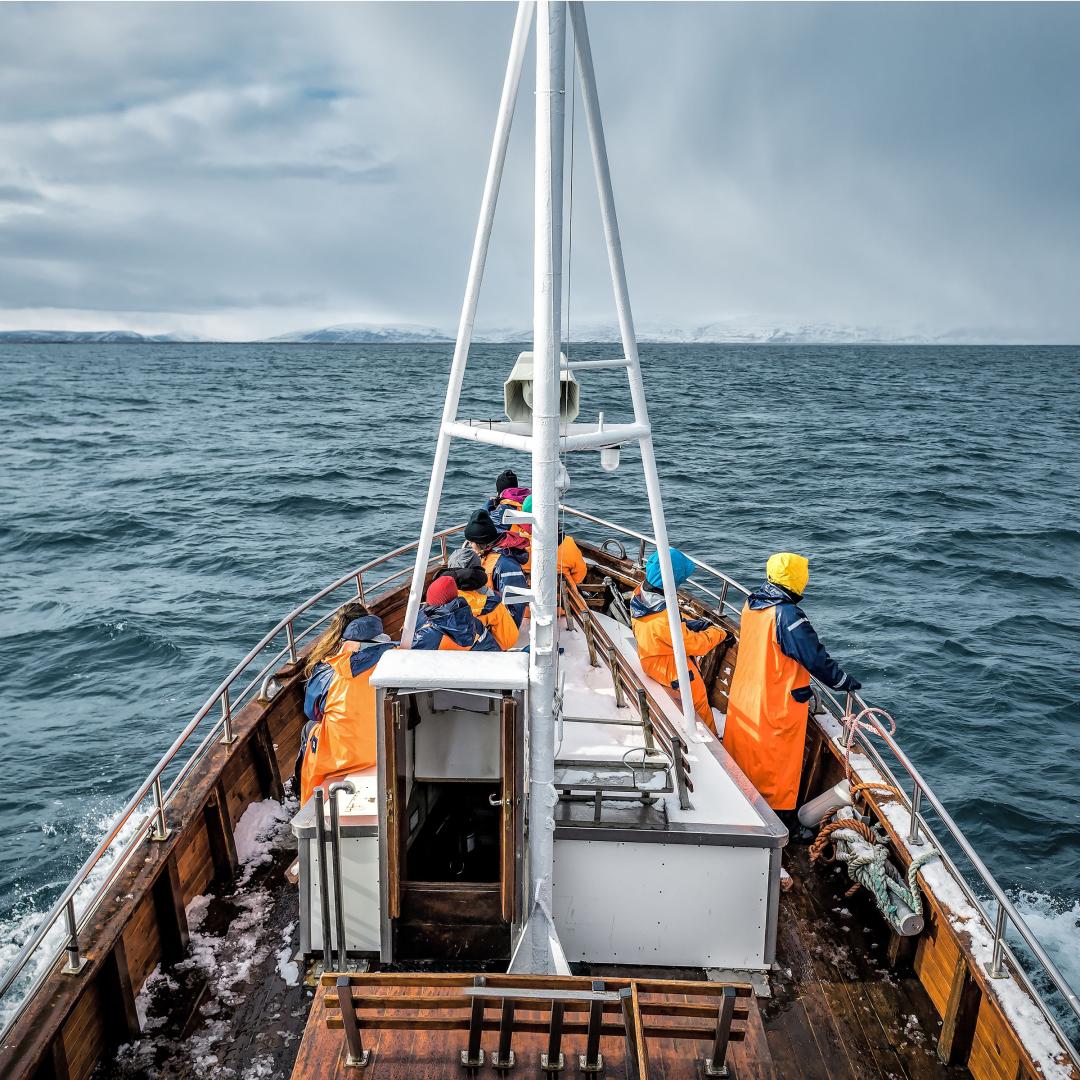
An image of the stern of a fishing boat
Coming Soon
Off

Key Takeaways

  • Most GHG emissions wild-capture fisheries produce are from the fossil fuels small and medium-sized fishing vessels consume while fishing and in transit to and from fishing grounds.
  • Vessel upgrades, such as more efficient engines, hull modifications to reduce drag, operational modifications to reduce speed, and low-fuel-use fish-catching gear, can reduce fuel use and emissions without reducing fishing effort. 
  • Although some vessel upgrades may have high up-front costs, most vessel efficiency improvements can be implemented without sacrificing fishing effort or opportunities.
  • Gear changes, such as those that reduce or replace trawling and dredging fishing practices, can reduce environmental damage and bycatch. 
Summary

Improving fishing vessel efficiency cuts CO₂ emissions in wild capture fisheries by lowering fuel use through vessel, gear, or operational modifications. Advantages include the long-term cost savings from fuel use reductions, the ability to implement many of these improvements without reducing fishing effort, and the potential additional benefits for air quality and marine ecosystems. Disadvantages include its limited climate impact due to the sector’s overall small contribution to global GHG emissions and the possibly high up-front costs associated with vessel or gear upgrades. We conclude that, despite its modest emissions impact, Improve Fishing Vessel Efficiency is “Worthwhile,” with likely ecosystem and economic benefits.

Description for Social and Search
Improving fishing vessel efficiency cuts CO2 emissions in wild capture fisheries by lowering fuel use through vessel, gear, or operational modifications.
Overview

What is our assessment?

Based on our analysis, we find that fishing vessel efficiency improvements are ready to deploy and feasible, but probably have limited climate impact because the wild capture fisheries sector contributes a relatively small share of global GHG emissions. These improvements will likely provide long-term cost savings and added benefits for ecosystems and air quality. We conclude this climate solution is “Worthwhile.”

Plausible Could it work? Yes
Ready Is it ready? Yes
Evidence Are there data to evaluate it? Yes
Effective Does it consistently work? Yes
Impact Is it big enough to matter? No
Risk Is it risky or harmful? No
Cost Is it cheap? ?

What is it?

Improving fishing vessel efficiency reduces CO₂ emissions by using gear, vessel, or operational changes that lower fuel use in wild capture fisheries (Bastardie et al., 20022a, 2022b; Gulbrandsen, 2012; Parker et al., 2018; UNCTAD, 2024). Vessel upgrades include propulsion-related changes, such as installation of more efficient engines, and non-propulsion-related alterations, such as modified bows and hulls that reduce drag. Changing to low-fuel-use gear to catch fish, when and where possible, can also reduce CO2 emissions. Operational changes, such as speed reductions or route optimization, can likewise lead to more efficient fuel use.

Does it work?

Vessel efficiency improvements are expected to deliver substantial fuel savings (Bastardie et al., 2022b; FAO, 2018b). An estimated 60–90% of emissions in wild capture fisheries, roughly 0.18 Gt CO₂‑eq/yr, likely result from fuel consumption (Parker et al., 2018). Speed reductions alone can reduce fuel use by 30% or more (FAO 2018b; Gulbrandsen, 2012). Vessel modifications could provide fuel savings of up to 20% in small fishing vessels, which comprise roughly 85% of all motorized fishing vessels globally (FAO, 2018b). Upgrading engines and other propulsion-related equipment can reduce fuel use by up to 30% (FAO, 2018b). Gear switching, when viable, can also be highly effective at improving fuel use efficiency, particularly if the target species are typically caught using methods such as trawling, which has a high carbon footprint (Bastardie et al., 2022a; FAO, 2018b).

Why are we excited?

The average emissions per ton of landed fish in wild capture fisheries have grown by over 20% since 1990, highlighting the need for efficiency improvements (Parker et al., 2018). Many of these improvements can be implemented without sacrificing fishing effort or opportunities, and some operational changes, such as reducing vessel speed, can be done without any new equipment. All changes reduce fuel use, saving fishers money over time and likely resulting in fewer emissions of harmful air pollutants, such as sulfur oxides and black carbon. Some upgrades could deliver additional benefits to air quality and ocean ecosystems. Cleaner engines can further reduce air pollution through more complete combustion of fuel, and gear changes could benefit seafloor ecosystems, which can be damaged from bottom fishing practices, such as trawling and dredging (Althaus et al., 2009; Hilborn et al., 2023). Additionally, some fishing gear has high bycatch rates, and switching to gear that allows for more exclusive capture of target species can reduce waste (Hilborn et al., 2023).

Why are we concerned?

Even with widespread adoption, efficiency improvements that reduce fuel use are unlikely to have a major climate impact. Efficiency improvements could also inadvertently encourage increases in fishing effort, which would increase fuel use and offset emissions cuts. Initial costs to upgrade can be highly variable, but might be high in some cases and therefore not feasible for some fishers. Gear switching can result in lower fish catches, as some methods might not be as efficient (Hilborn et al., 2023). Some operational changes, such as reducing speeds, could lead to fishers arriving at fishing grounds late.

Solution in Action

References

Althaus, F., Williams, A., Schlacher, T. A., Kloser, R. J., Green, M. A., Barker, B. A., ... & Schlacher-Hoenlinger, M. A. (2009). Impacts of bottom trawling on deep-coral ecosystems of seamounts are long-lasting. Marine Ecology Progress Series, 397, 279-294. Link to source: https://doi.org/10.3354/meps08248

Bastardie, F., Hornborg, S., Ziegler, F., Gislason, H., & Eigaard, O. R. (2022a). Reducing the fuel use intensity of fisheries: through efficient fishing techniques and recovered fish stocks. Frontiers in Marine Science, 9, 817335. Link to source: https://doi.org/10.3389/fmars.2022.817335

Bastardie, F., Feary, D. A., Kell, L., Brunel, T. P. A., Metz, S., Döring, R., ... & van Hoof, L. J. W. (2022b). Climate change and the Common Fisheries Policy: Adaptation and building resilience to the effects of climate change on fisheries and reducing emissions of greenhouse gases from fishing. European Commission. Link to source: https://doi.org/10.2926/155626 

Gulbrandsen, O. (2012). Fuel savings for small fishing vessels. Food and Agriculture Organization of the United Nations. Link to source: https://www.fao.org/4/i2461e/i2461e.pdf

Food and Agriculture Organization of the United Nations (FAO). (2018b). Impacts of climate change on fisheries and aquaculture: Synthesis of current knowledge, adaptation and mitigation options. Food and Agriculture Organization of the United Nations. Link to source: https://fao.org/3/i9705en/i9705en.pdf

Hilborn, R., Amoroso, R., Collie, J., Hiddink, J. G., Kaiser, M. J., Mazor, T., ... & Suuronen, P. (2023). Evaluating the sustainability and environmental impacts of trawling compared to other food production systems. ICES Journal of Marine Science, 80(6), 1567-1579. Link to source: https://doi.org/10.1093/icesjms/fsad115

Parker, R. W., Blanchard, J. L., Gardner, C., Green, B. S., Hartmann, K., Tyedmers, P. H., & Watson, R. A. (2018). Fuel use and greenhouse gas emissions of world fisheries. Nature Climate Change, 8(4), 333-337. Link to source: https://doi.org/10.1038/s41558-018-0117-x

United Nations Conference on Trade and Development (UNCTAD). (2024). Energy transition of fishing fleets: Opportunities and challenges for developing countries (UNCTAD/DITC/TED/2023/5). United Nations. Link to source: https://unctad.org/system/files/official-document/ditcted2023d5_en.pdf

Other Sources

Gilman, E., Perez Roda, A., Huntington, T., Kennelly, S. J., Suuronen, P., Chaloupka, M., & Medley, P. A. H. (2020). Benchmarking global fisheries discards. Scientific Reports, 10(1), 14017. Link to source: https://doi.org/10.1038/s41598-020-71021-x

Gray, C. A., & Kennelly, S. J. (2018). Bycatches of endangered, threatened and protected species in marine fisheries. Reviews in Fish Biology and Fisheries, 28(3), 521-541. Link to source: https://doi.org/10.1007/s11160-018-9520-7

Food and Agriculture Organization of the United Nations (FAO). (2018a). The state of world fisheries and aquaculture 2018: Meeting the sustainable development goals. Food and Agriculture Organization of the United Nations. Link to source: https://openknowledge.fao.org/handle/20.500.14283/i9540en

Food and Agriculture Organization of the United Nations. (2024). The state of world fisheries and aquaculture 2024: Blue transformation in action. Food and Agriculture Organization of the United Nations. Link to source: https://openknowledge.fao.org/handle/20.500.14283/cd0683en

United Nations Global Compact & World Wildlife Fund. (2022). Setting science-based targets in the seafood sector: Best practices to date. Link to source: https://unglobalcompact.org/library/6050

Credits

Lead Fellow

  • Christina Richardson, Ph.D.

Internal Reviewer

  • Christina Swanson, Ph.D.
Speed of Action
Caveats
Risks
Consensus
Trade-offs
Action Word
Improve
Solution Title
Fishing Vessel Efficiency
Classification
Worthwhile

Lawmakers and Policymakers

Practitioners

Business Leaders

Nonprofit Leaders

Investors

Philanthropists and International Aid Agencies

Thought Leaders

Technologists and Researchers

Communities, Households, and Individuals

Updated Date
Coming Soon Label
Coming Soon

Project Drawdown welcomes Amanda Bielawski, Ph.D., as director of global strategic partnerships

“To meet the urgency of the moment to halt climate change, we must deploy the most effective climate solutions at speed and scale – and these must be based on science,” Bielawski says. “Project Drawdown continues to lead the charge on science-based solutions. I'm thrilled to be joining the leadership team to envision and build ambitious partnerships with businesses, investors, and philanthropists. Together, we will work to scale what is scientifically proven to work, aligning capital and decision-making with the most impactful levers of change.”

Amanda Bielawski, Ph.D., MBA 
Director of Global Strategic Partnerships

Image
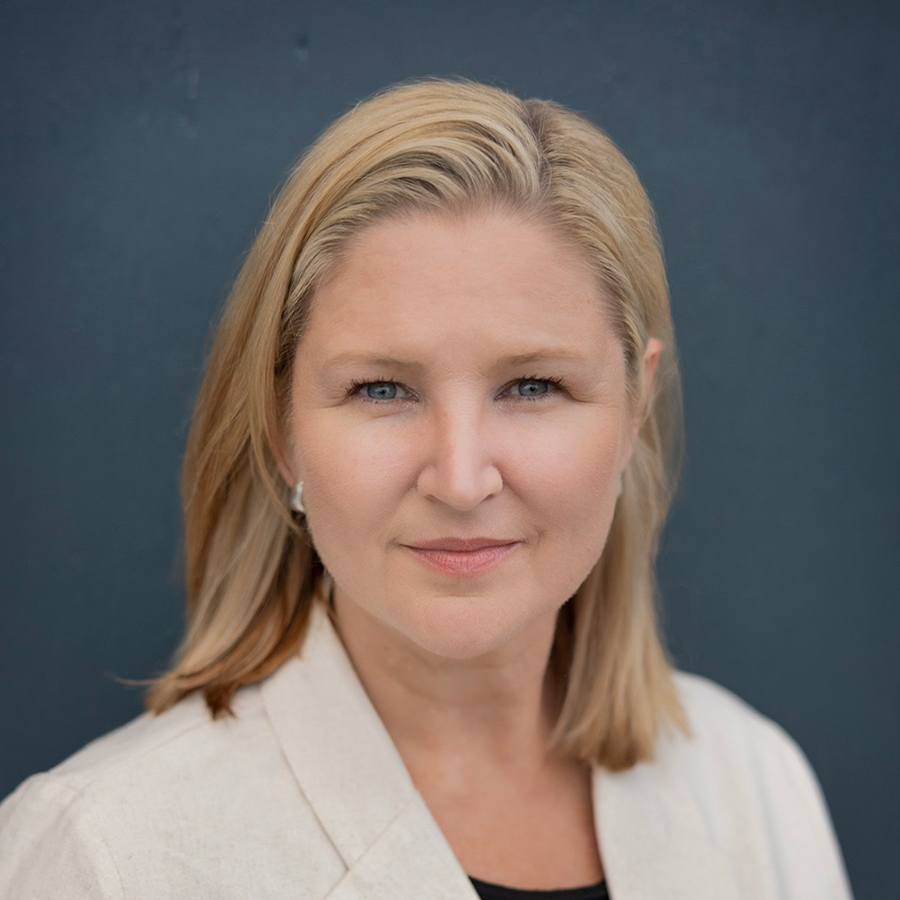
A headshot of Dr. Amanda Bielawski

With more than 20 years of experience leading and advising nonprofits, businesses, private sector leaders, and multilateral institutions, Bielawski will help Project Drawdown’s strategic partners utilize cutting-edge new tools, such as the soon-to-launch Drawdown Explorer, to maximize the impact of every dollar, second, and resource they invest in climate action. 

“We couldn’t be luckier to have Amanda join Project Drawdown, particularly at this moment,” says Project Drawdown Executive Director Jonathan Foley, Ph.D. “From heading impact strategy at one of the world’s top water sustainability think-tanks to advising the United Nations on global sustainability initiatives, she is just the interdisciplinary and visionary leader we’ve been looking for to build innovative partnerships that drive the adoption of climate solutions and strategies around the world.” 

To learn more about Amanda Bielawski, read her bio on our staff page here or reach out to press@drawdown.org 


About Project Drawdown
Project Drawdown is the world’s leading guide to science-based climate solutions. We conduct rigorous science to identify the most effective climate solutions and strategies and share that science in actionable, compelling ways through stakeholder engagement and powerful storytelling. Project Drawdown is an independent, non-partisan, 501(c)3 nonprofit funded by individual and institutional donations.

Image
A graphic of the Earth with the text Project Drawdown Staff Announcement overlaid
Off

Project Drawdown is thrilled to announce that Amanda Bielawski, Ph.D., MBA, will be joining our world-leading nonprofit as the director of global strategic partnerships. 

In this instrumental role, Bielawski will develop and steward partnerships with leading businesses, philanthropists, and impact investors as Project Drawdown seeks to drive meaningful climate action by advancing science-based solutions and strategies.

Description for Social and Search
Project Drawdown welcomes Amanda Bielawski, Ph.D., as director of global strategic partnerships

Improve Aquaculture

Image
Image
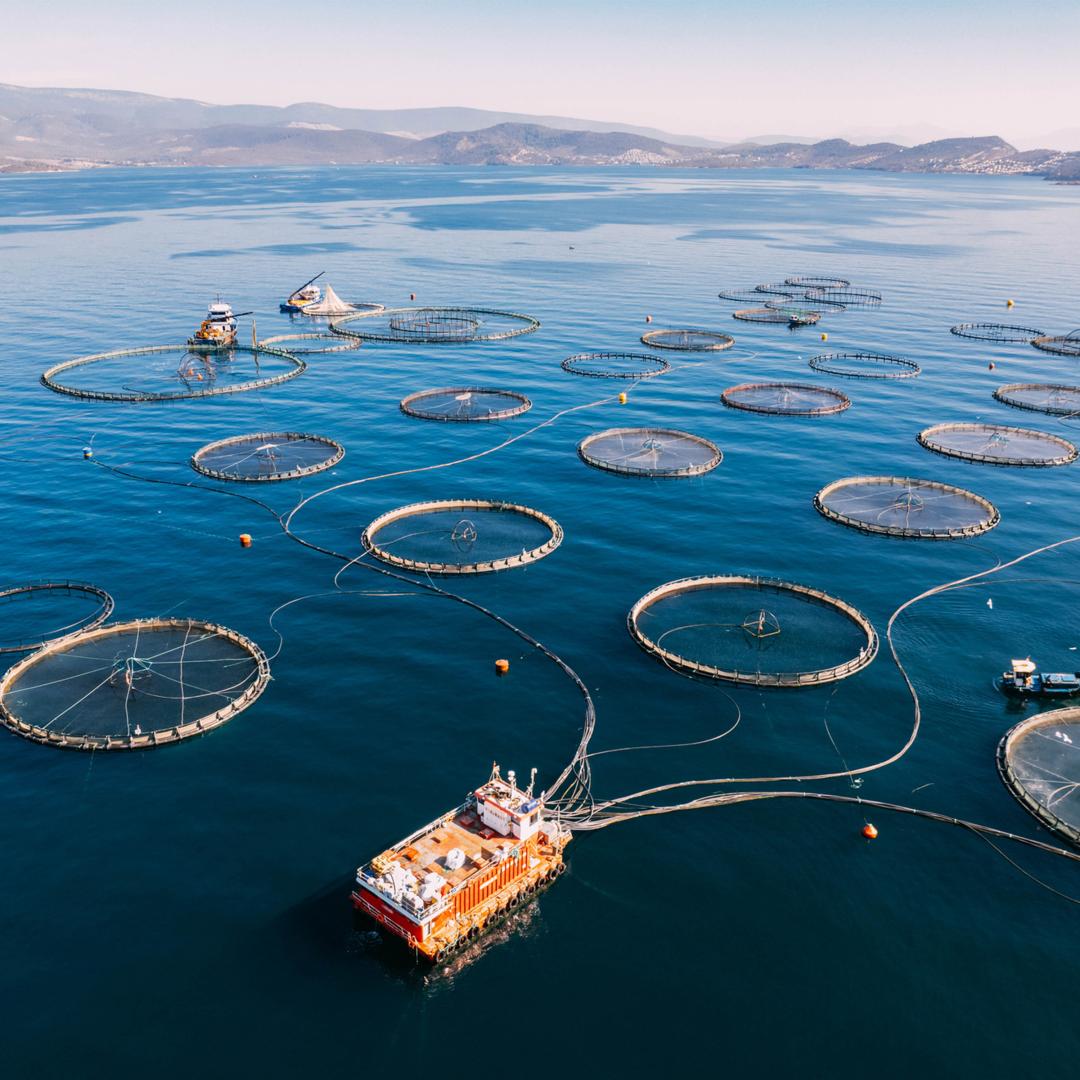
An image of an aquaculture facility
Coming Soon
Off
Summary

Improving aquaculture involves reducing CO₂ and other GHG emissions during the production of farmed fish and other aquatic animals through better feed efficiency and the decarbonization of on-farm energy use. Advantages include reduced demand for feedstocks produced from both wild capture fisheries and terrestrial sources, which benefits marine and terrestrial ecosystems. Disadvantages include the costs of transitioning to fossil-free energy sources. While these interventions are unlikely to lead to globally meaningful emissions reductions (>0.1 Gt CO₂‑eq/yr ), we consider Improve Aquaculture as “Worthwhile” given the rapid and ongoing expansion of the industry, its potential to replace higher-emission protein sources, and the ecosystem benefits of reducing feedstock demand.

Description for Social and Search
Improving aquaculture involves reducing CO2 and other GHG emissions during the production of farmed fish and other aquatic animals through better feed efficiency and the decarbonization of on-farm energy use.
Overview

What is our assessment?

While Improve Aquaculture is unlikely to have a major climate impact, our assessment concludes that it is “Worthwhile” due to its ability to reduce pressure on wild fish stocks and terrestrial biomass, and because efficiency improvements made now are likely to scale into greater climate impact as the sector continues to expand.

Plausible Could it work? Yes
Ready Is it ready? Yes
Evidence Are there data to evaluate it? Yes
Effective Does it consistently work? Yes
Impact Is it big enough to matter? No
Risk Is it risky or harmful? No
Cost Is it cheap? ?

What is it?

GHG emissions from aquaculture can be reduced by increasing the feed conversion efficiency of the cultured animals and decarbonizing on-farm energy use. Aquaculture – farming aquatic animals or plants for food or other purposes – is rapidly growing and now accounts for over half of the global production of aquatic animals, exceeding wild capture fisheries. Over 7% of human-consumed protein is aquaculture-produced. As this sector has grown, it has become increasingly reliant on external feed sources, with the share of non-fed aquaculture (e.g., bivalves that feed from the water column) dropping from nearly 40% in 2000 to 27% in 2022. Improving feed conversion ratios (FCR) – the amount of feed it takes to produce a given amount of biomass – can lower feed demand and reduce CO₂ and other GHG emissions tied to feed production and transport. FCRs can be improved by feed formulations that increase digestibility, genetic or breeding modifications to improve digestive efficiency in the cultured animal, species-specific feed formulations, and optimizing ration size and feeding frequency. At the same time, decarbonizing on-farm energy use can help reduce CO₂ emissions from common equipment, such as aerators and water pumps.

Does it work?

Interventions to improve feed and energy efficiency can reduce CO₂ emissions from aquaculture operations, although the potential achievable climate impact of these actions is currently unlikely to be globally meaningful (>0.1 Gt CO₂‑eq/yr ). Total annual emissions from aquaculture were estimated to be 0.26 Gt CO₂‑eq/yr in 2017, with nearly 60% of that attributed to feed production. Improving FCR is both plausible and effective, since it directly reduces the amount of food needed to cultivate fish and other species, thereby lowering emissions tied to feed production and transport. Between 1995 and 2007, improvements in FCR have ranged between 5 to 15% for a variety of species, including shrimp, salmon, carp, and tilapia.

Decarbonizing on-farm energy use can reduce equipment-related emissions, particularly in intensive systems that use energy for automated feeding systems, water temperature control, and circulation and aeration systems. In general, the potential impact of decarbonizing varies widely because on-farm energy use differs significantly across species and production systems. For instance, shrimp and prawn farming use nearly 20,000 MJ/t of live weight (LW), with over 75% from electricity, while bivalve production uses around 3,000 MJ/t of LW supplied largely by diesel.

Why are we excited?

Improving feed efficiency in aquaculture reduces demand for captured wild fish used in feed, reducing pressure on overfished stocks. It also lowers reliance on terrestrial biomass, such as soy, wheat, and rice, which come with additional land-use and emission costs. More efficient feeding can help reduce nutrient pollution, which can be responsible for high methane and nitrous oxide fluxes in some inland aquaculture systems. At the same time, decarbonizing on-farm energy use might ultimately lead to lower long-term operating costs and improved energy reliability.

Why are we concerned?

There are relatively few drawbacks associated with improving aquaculture. In the case of decarbonizing on-farm energy use, upfront costs could be high. For instance, installing solar panels or upgrading pumps can be financially challenging for small-scale operations. Energy use on farms can also vary throughout the day and night, which might not always align with renewable energy sources, like solar, without storage. While this solution focuses on reducing GHG emissions from existing aquaculture practices, it is important to recognize that aquaculture can be environmentally harmful and that impacts vary widely depending on how it is done, where it occurs, and which species are being cultivated.

Solution in Action

References

Badiola, M., Basurko, O. C., Piedrahita, R., Hundley, P., & Mendiola, D. (2018). Energy use in recirculating aquaculture systems (RAS): a review. Aquacultural Engineering, 81, 57-70. Link to source: https://doi.org/10.1016/j.aquaeng.2018.03.003

Boyd, C. E., McNevin, A. A., & Davis, R. P. (2022). The contribution of fisheries and aquaculture to the global protein supply. Food Security, 14(3), 805-827, Link to source: https://doi.org/10.1007/s12571-021-01246-9

Food and Agriculture Organization of the United Nations. (2018). The state of world fisheries and aquaculture. Food and Agriculture Organization of the United Nations. Link to source: https://openknowledge.fao.org/handle/20.500.14283/i9540en

Food and Agriculture Organization of the United Nations. (2024). The State of World Fisheries and Aquaculture 2024 – Blue Transformation in action. Food and Agriculture Organization of the United Nations. Link to source: https://openknowledge.fao.org/handle/20.500.14283/cd0683en

Henriksson, P. J. G., Troell, M., Banks, L. K., Belton, B., Beveridge, M. C. M., Klinger, D. H., ... & Tran, N. (2021). Interventions for improving the productivity and environmental performance of global aquaculture for future food security. One Earth, 4(9), 1220–1232. Link to source: https://doi.org/10.1016/j.oneear.2021.08.009

Jones, A. R., Alleway, H. K., McAfee, D., Reis-Santos, P., Theuerkauf, S. J., & Jones, R. C. (2022). Climate-friendly seafood: the potential for emissions reduction and carbon capture in marine aquaculture. BioScience, 72(2), 123–143. Link to source: https://doi.org/10.1093/biosci/biab126

MacLeod, M. J., Hasan, M. R., Robb, D. H., & Mamun-Ur-Rashid, M. (2020). Quantifying greenhouse gas emissions from global aquaculture. Scientific Reports, 10(1), 11679. Link to source: https://doi.org/10.1038/s41598-020-68231-8

Naylor, R. L., Hardy, R. W., Bureau, D. P., Chiu, A., Elliott, M., Farrell, A. P., ... & Nichols, P. D. (2009). Feeding aquaculture in an era of finite resources. Proceedings of the National Academy of Sciences, 106(36), 15103–15110. Link to source: https://doi.org/10.1073/pnas.0905235106

Naylor, R. L., Hardy, R. W., Buschmann, A. H., Bush, S. R., Cao, L., Klinger, D. H., ... & Troell, M. (2021). A 20-year retrospective review of global aquaculture. Nature, 591(7851), 551–563. Link to source: https://doi.org/10.1038/s41586-021-03308-6

Scroggins, R. E., Fry, J. P., Brown, M. T., Neff, R. A., Asche, F., Anderson, J. L., & Love, D. C. (2022). Renewable energy in fisheries and aquaculture: Case studies from the United States. Journal of Cleaner Production, 376, 134153. Link to source: https://doi.org/10.1016/j.jclepro.2022.134153

Shen, L., Wu, L., Wei, W., Yang, Y., MacLeod, M. J., Lin, J., ... & Zhuang, M. (2024). Marine aquaculture can deliver 40% lower carbon footprints than freshwater aquaculture based on feed, energy and biogeochemical cycles. Nature Food, 5(7), 615–624. Link to source: https://doi.org/10.1038/s43016-024-01004-y

Stentiford, G. D., Bateman, I. J., Hinchliffe, S. J., Bass, D. 1., Hartnell, R., Santos, E. M., ... & Tyler, C. R. (2020). Sustainable aquaculture through the One Health lens. Nature Food, 1(8), 468–474. Link to source: https://doi.org/10.1038/s43016-020-0127-5

Tacon, A. G., & Metian, M. (2008). Global overview on the use of fish meal and fish oil in industrially compounded aquafeeds: Trends and future prospects. Aquaculture, 285(1-4), 146–158. Link to source: https://doi.org/10.1016/j.aquaculture.2008.08.015

Vo, T. T. E., Ko, H., Huh, J. H., & Park, N. (2021). Overview of solar energy for aquaculture: The potential and future trends. Energies, 14(21), 6923. Link to source: https://doi.org/10.3390/en14216923

Zhang, Z., Liu, H., Jin, J., Zhu, X., Han, D., & Xie, S. (2024). Towards a low-carbon footprint: Current status and prospects for aquaculture. Water Biology and Security, 3(4), 100290. Link to source: https://doi.org/10.1016/j.watbs.2024.100290

Credits

Lead Fellow

  • Christina Richardson, Ph.D.

Internal Reviewer

  • Christina Swanson, Ph.D.
Speed of Action
Caveats
Risks
Consensus
Trade-offs
Action Word
Improve
Solution Title
Aquaculture
Classification
Worthwhile

Lawmakers and Policymakers

Practitioners

Business Leaders

Nonprofit Leaders

Investors

Philanthropists and International Aid Agencies

Thought Leaders

Technologists and Researchers

Communities, Households, and Individuals

Updated Date
Coming Soon Label
Coming Soon
Subscribe to