Image
Ruthie Burrows
Ruthie Burrows, Ph.D.
Image
Ruthie Burrows
Ruthie Burrows, Ph.D.

Ruthie Burrows, Ph.D., is a population-environment researcher with interdisciplinary experience in geography, demography, and epidemiology. At Project Drawdown, her work focuses on developing methods to integrate demographic data into climate solutions analyses. Ruthie earned her Ph.D. in Geography from the University of Minnesota, where she was also a Population Studies Trainee in the Minnesota Population Center. Her dissertation research examined the role of social and natural environmental contexts on child health outcomes in Senegal. Previously, she worked at the Center for a Livable Future, contributing to research on local food systems in Baltimore, Maryland. Ruthie holds master’s degrees in Epidemiology and Geographic Information Systems (GIS) from Johns Hopkins University. 

We need synergies, not silos, to solve humanity’s greatest challenges

Climate change is often framed as humanity’s greatest challenge. And for good reason. 

Every fraction of a degree of warming – the planet is currently about 1.2°C (2.2°F) warmer than before the Industrial Revolution – leads to more heat waves, wildfires, and other extreme and erratic unnatural disasters. Moreover, stopping climate change requires more than just tinkering with one aspect of society; it demands a total reimagining of how our world operates across sectors and geographies.  

Image
Michael Dioha
Michael Dioha, Ph.D.
Image
Michael Dioha
Michael Dioha, Ph.D.

Michael Dioha, Ph.D., works at the intersection of research, policy, and real-world solutions. He is currently a Senior Energy Researcher at Clean Air Task Force, where he focuses on energy systems analysis and modeling, Africa’s energy transition, and energy policy and planning. At Project Drawdown, he contributes to efforts in assessing climate solutions in the electricity sector. Previously, Michael was a postdoctoral researcher at the Carnegie Institution for Science, where he studied the role of electric vehicles in deeply decarbonized electricity systems. He has worked on global projects, collaborating with experts from diverse backgrounds and advising organizations such as the International Renewable Energy Agency. His research is widely published in reputable academic journals, and he serves on the editorial board of Environmental Research Letters.

EVs are a small part of the better transportation system we all deserve

Imagine yourself on your dream vacation. Perhaps it’s a relaxing all-inclusive resort in the Caribbean or an excursion to a remote campsite. 

Or maybe it’s an urban adventure to Paris or Barcelona. People have very different tastes in the places they like to go to relax and unwind. But many of the most popular vacation destinations have something important in common: When you get there, you don’t have to do much driving.

Project Drawdown announces a new initiative focused on solutions at the intersection of humanity’s greatest challenges

Image
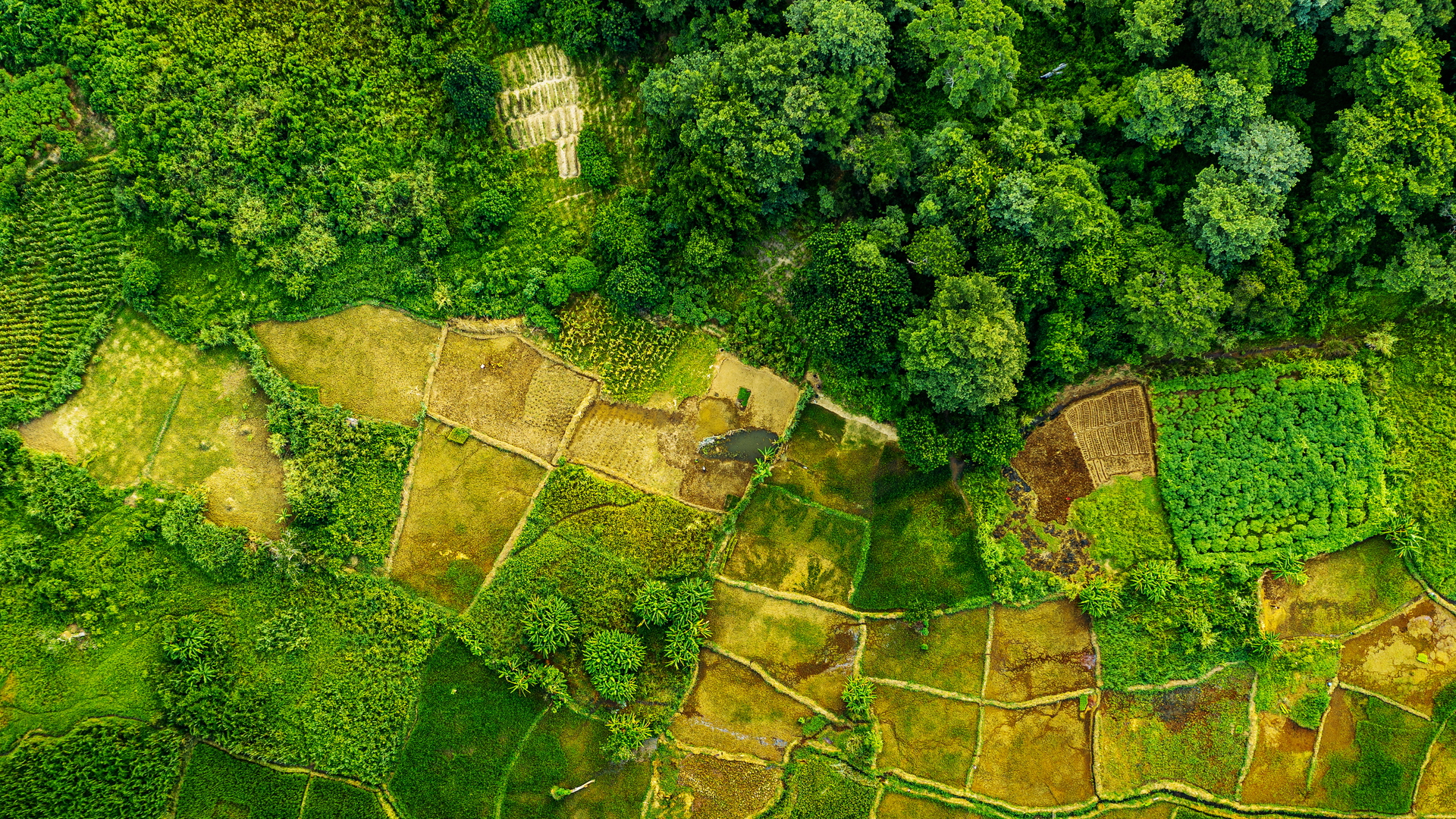
Aerial photo of forests and farmland
Credit: iStock | Nikada
Off

Humanity faces many challenges today, and all connect with each other in some way.

Recognizing the numerous interactions among climate change and other existential threats, Project Drawdown is launching a new initiative to identify and advance technologies and practices that not only reduce the threat of climate change, but enhance human well-being and protect ecosystems at the same time.

The initiative, known as Drawdown Nexus, aims to dramatically expand humanity’s capacity to advance sustainable development, protect biodiversity, and mitigate climate change together.  Margaret A. Cargill Philanthropies and the Doris Duke Foundation are providing initial funding.

“Solving climate change is essential to building a future we and our children can live with,” says Project Drawdown executive director Jonathan Foley. “But without simultaneously addressing biodiversity loss and human well-being, what kind of a future are we really saving? Drawdown Nexus will identify and coalesce action around much-needed ‘win-win-win’ opportunities to benefit people and our planet in multiple ways at the same time.”

Drawdown Nexus builds upon prior collaborations with universities, Natural Capital Insights, and USAID. It aligns with a number of science assessments from IPBES and others that increasingly recognize the value of tackling climate change, biodiversity loss, and threats to human well-being together. But it will go beyond these efforts by collaborating across levels of influence, from local to global, to create and disseminate tools for identifying and prioritizing the full spectrum of possible solutions. 

As an example, senior scientist Paul West, who is leading the Drawdown Nexus initiative, cites Project Drawdown’s long-standing work to stop deforestation, eat healthier diets, and reduce food waste. “Improving people’s lives, protecting nature, and stopping climate change are interwoven challenges. Solutions need to be interwoven too,” he says. “A wide range of solutions, such as reducing food loss and waste, stopping deforestation, and increasing access to affordable clean energy can all provide triple wins. In many places, realizing these triple wins requires understanding which climate and biodiversity solutions – and where – can meet people’s needs quickly. We aim to develop tools to help drive action and accelerate progress to meet all three challenges.” 

Project Drawdown is the world’s leading resource for climate solutions. Sign up today to receive our biweekly newsletter filled with insights and inspiration to guide you on your climate solutions journey. 

Description for Social and Search
Our mission is to stop climate change as quickly, safely, and equitably as possible.

Produce Biochar

Image
Image
Biochar
Coming Soon
On

Key Takeaways

  • By transforming carbon absorbed by plants and animals into a highly stable form, large-scale biochar production and application to soils could potentially remove 0.13–0.47 Gt CO₂‑eq/yr.
  • The carbon permanence of biochar can range from hundreds to thousands of years when applied to soil, but more research is needed to understand durability in response to real-world soil and environmental factors.
  • Biochar increases soil health and nutrient availability. This can increase yields of a variety of staple crops, but benefits vary across soil types.
Summary

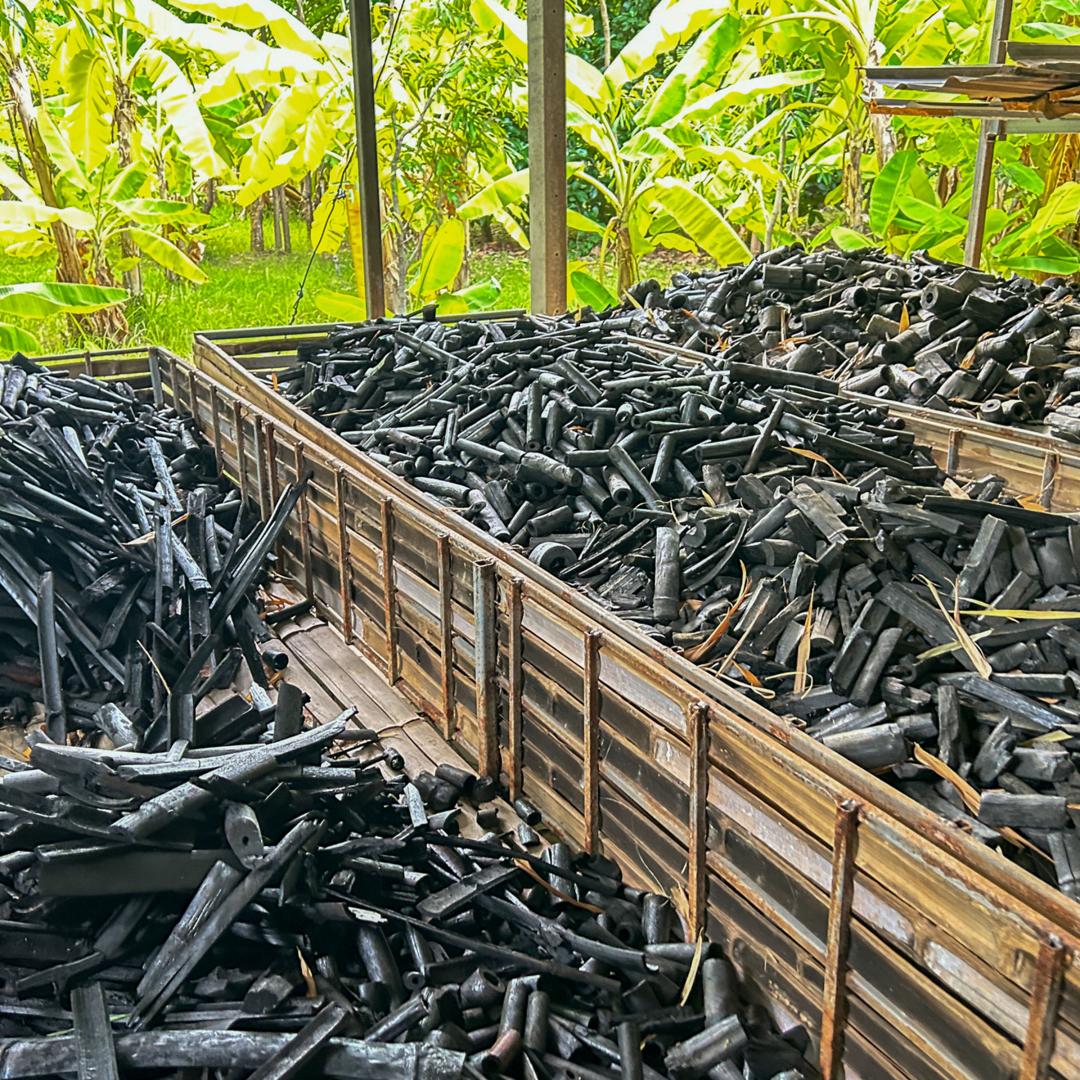
Producing biochar is the process of taking organic matter such as crop residues, animal manure, and forest residues and converting it into a charcoal-like substance known as biochar. Producing biochar removes carbon from the atmosphere by transforming carbon absorbed by plants and animals and into a highly stable form, preventing it from quickly returning to the atmosphere (Belmont & Sanchez, 2025). Biochar can be used as a soil amendment, a replacement for certain construction materials, or for filtration or pollution remediation. This solution focuses on large-scale production of biochar for soil application.

Description for Social and Search
Producing biochar takes the carbon from organic wastes (agricultural and forestry wastes) and converts it into a stable form that will sequester the carbon for hundreds of years. Biochar is mainly used as a soil amendment where it can improve soil fertility.
Overview

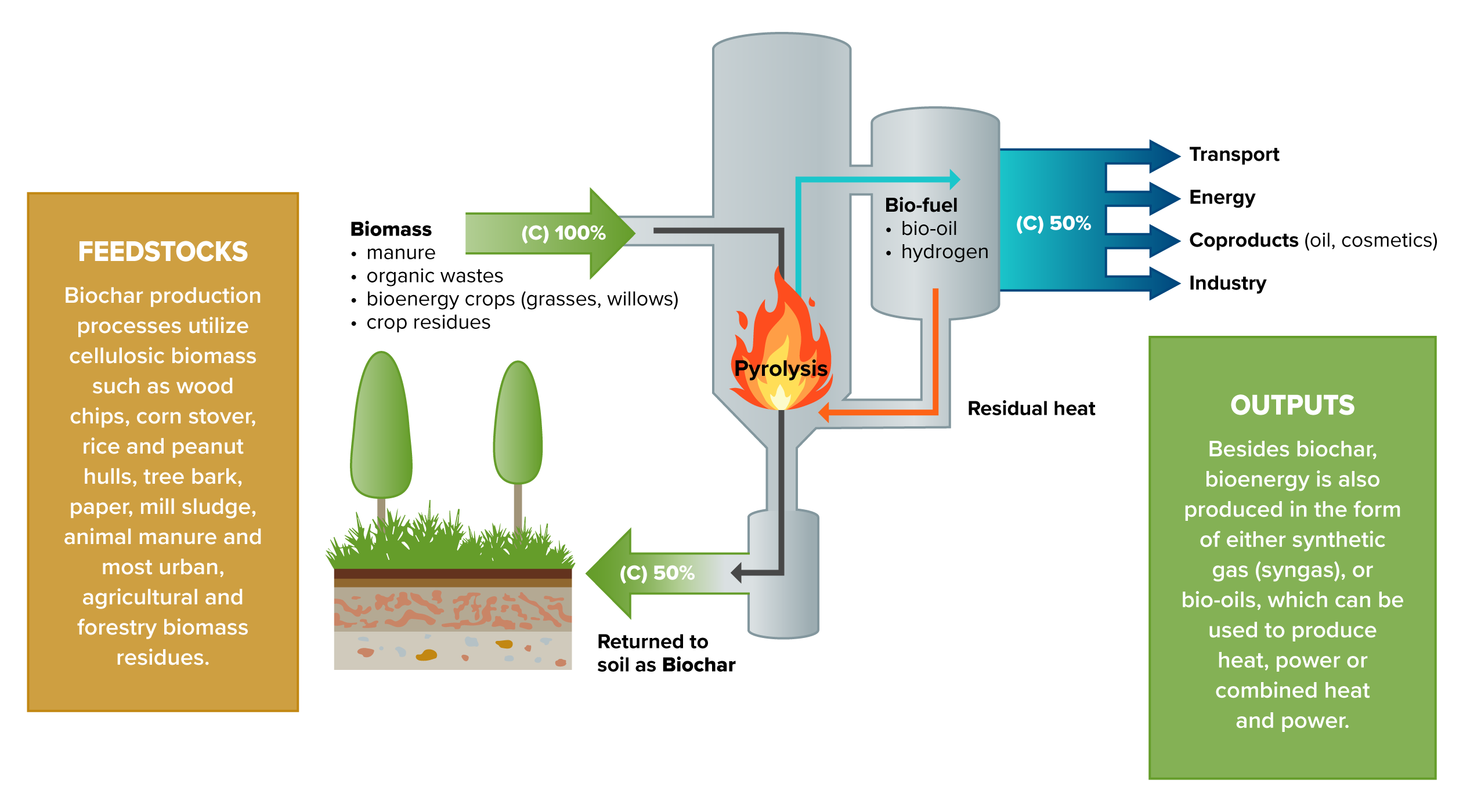
Biochar is a charcoal-like substance that is mainly produced by burning organic matter in an oxygen-deficient environment, a process called pyrolysis (Spears, 2018; Figure 1). Biochar production converts the carbon in the organic matter into a stable form that is not readily released into the atmosphere. 

This solution considers producing biochar from agricultural (crop residue, manure) or industrial (forest residue) waste feedstocks. It does not include using purpose-grown plants, edible portions of food or feed crops, or other non-waste feedstocks, which could compete for land use and reduce the climate benefits. We focused on biochar facilities that process 1,000 or more metric tons of waste per year (Amonette et al., 2021). We included both pyrolysis and gasification in our analysis; however, the proportion of carbon that is turned into biochar can differ between processes (NorthX, 2025). We excluded hydrothermal processing of wet biomass that produces hydrochar from our analysis because the carbon storage properties differ from those of typical biochar (Lehmann & Joseph, 2015).

Co-products such as bio-oil or syngas can be produced during biochar production and used as energy or sold. Using biochar can have climate benefits in addition to storing carbon, such as avoiding the production of methane from waste (Afshar & Mofatteh, 2024) and enhancing soil carbon sequestration in certain soil types (Yang et al., 2025). This solution focuses only on the carbon sequestered in biochar. We do not quantify potential avoided waste emissions, reduced energy use from co-products, or any enhanced sequestration after soil application. 

Figure 1. Example of a biochar production process. The conversion of 100% of biomass carbon to 50% biochar is specific to the pyrolysis process and can vary with different temperatures and methods used.

Image
Diagram of biochar process.

Source: International Biochar Initiative. (n.d.). Why Biochar. Retrieved 6 March 2026.

This solution focuses on biochar use as a soil additive in soils where it can improve soil organic matter as well as help retain water and nutrients. The carbon permanence of biochar can range from hundreds to thousands of years when applied to soil (Belmont & Sanchez, 2025). Biochar also can be used in filtration or remediation applications or as a filler material in building materials such as asphalt or concrete (Amonette et al., 2022).

References

Afshar, M., & Mofatteh, S. (2024). Biochar for a sustainable future: Environmentally friendly production and diverse applications. Results in Engineering, 23, Article 102433. Link to source: https://doi.org/10.1016/j.rineng.2024.102433

Agegnehu, G., Bass, A. M., Nelson, P. N., & Bird, M. I. (2016). Benefits of biochar, compost and biochar–compost for soil quality, maize yield and greenhouse gas emissions in a tropical agricultural soil. Science of The Total Environment, 543, 295–306. Link to source: https://doi.org/10.1016/j.scitotenv.2015.11.054

Alayaki, F. M., Hajikarimi, P., Meky, N., Rashid, S., & Fini, E. H. (2025). Global applications of biochar in sustainable cities of the future: A perspective. Biochar X, 1(1), Article e010. Link to source: https://doi.org/10.48130/bchax-0025-0009

Aman, A. M. N., Selvarajoo, A., Lau, T. L., & Chen, W.-H. (2022). Biochar as cement replacement to enhance concrete composite properties: A review. Energies, 15(20), Article 7662. Link to source: https://doi.org/10.3390/en15207662 

Amonette, James. E., Archuleta, J. G., Fuchs, M. R., Hills, K. M., Yorgey, G. G., Flora, G., Hunt, J., Han, H.-S., Jobson, B. T., Miles, T. R., Page-Dumroese, D. S., Thompson, S., Trippe, K. M., Wilson, K., Baltar, R., Carloni, K., Christoforou, C., Collins, D. P., Dooley, J., … Wheeler, E. (2021). Biomass to biochar: Maximizing the carbon value. Center for Sustaining Agriculture and Natural Resources, Washington State University, Pullman WA. Link to source: https://csanr.wsu.edu/biomass2biochar/

Baek, N., Lee, S.-I., Pia, H. I., Park, S.-W., Shin, E.-S., Lee, J., Kim, H.-Y., & Choi, W-.J. (2025). Biochar effects on methane emission from rice paddy differ with nitrogen fertilization, organic inputs, and water management. Korean Journal of Soil Science and Fertilizer, 58(1), 133-143. Link to source: https://doi.org/10.7745/KJSSF.2025.58.1.133 

Belmont, E. L., & Sanchez, D. L. (2025, July 8). Biochar’s long game: Unraveling the science of carbon permanence. Carbon Direct. Link to source: https://www.carbon-direct.com/research-and-reports/biochars-long-game-unraveling-the-science-of-carbon-permanence

Bhuvaneshwari, S., Hettiarachchi, H., & Meegoda, J. N. (2019). Crop residue burning in India: Policy challenges and potential solutions. International Journal of Environmental Research and Public Health, 16(5), Article 832. Link to source: https://doi.org/10.3390/ijerph16050832

Bijay-Singh, & Craswell, E. (2021). Fertilizers and nitrate pollution of surface and ground water: An increasingly pervasive global problem. SN Applied Sciences, 3(4), Article 518. Link to source: https://doi.org/10.1007/s42452-021-04521-8

British Columbia Centre for Innovation & Clean Energy & Deloitte. (2023). Carbon management blueprint report: Attracting investments in British Columbia. Link to source: https://northx.ca/intelligence/bc-carbon-management-blueprint-report

British Columbia Centre for Innovation & Clean Energy & Innovative Breakthrough Energy Technologies. (2024). Catalyzing carbon dioxide removal at scale. Link to source: https://northx.ca/announcements/catalyzing-carbon-dioxide-removal-at-scale-new-report-released

Buss, W., Wurzer, C., Manning, D. A. C., Rohling, E. J., Borevitz, J., & Mašek, O. (2022). Mineral-enriched biochar delivers enhanced nutrient recovery and carbon dioxide removal. Communications Earth & Environment, 3(67). Link to source: https://doi.org/10.1038/s43247-022-00394-w

Energy Transitions Commission. (2022). Mind the gap: How carbon dioxide removals must complement deep decarbonisation to keep 1.5°C alive. Link to source: https://www.energy-transitions.org/publications/mind-the-gap-cdr/

Fuss, S., Lamb, W. F., Callaghan, M. W., Hilaire, J., Creutzig, F., Amann, T., Beringer, T., de Oliveira Garcia, W., Hartmann, J., Khanna, T., Luderer, G., Nemet, G. F., Rogelj, J., Smith, P., Vicente, J. L. V., Wilcox, J., del Mar Zamora Dominguez, M., & Minx, J. C. (2018). Negative emissions—part 2: Costs, potentials and side effects. Environmental Research Letters, 13(6). Link to source: https://doi.org/10.1088/1748-9326/aabf9f

Genesio, L., Vaccari, F. P., & Miglietta, F. (2016). Black carbon aerosol from biochar threats its negative emission potential. Global Change Biology, 22(7), 2313–2314. Link to source: https://doi.org/10.1111/gcb.13254

Griscom, B. W., Adams, J., Ellis, P. W., Houghton, R. A., Lomax, G., Miteva, D. A., Schlesinger, W. H., Shoch, D., Siikamäki, J. V., Smith, P., Woodbury, P., Zganjar, C., Blackman, A., Campari, J., Conant, R. T., Delgado, C., Elias, P., Gopalakrishna, T., Hamsik, M. R., … Fargione, J. (2017). Natural climate solutions. Proceedings of the National Academy of Sciences, 114(44), 11645–11650. Link to source: https://doi.org/10.1073/pnas.1710465114

Grossi, G., Goglio, P., Vitali, A., & Williams, A. G. (2019). Livestock and climate change: Impact of livestock on climate and mitigation strategies. Animal Frontiers, 9(1), 69–76. Link to source: https://doi.org/10.1093/af/vfy034

Gupta, S. (2019). Agriculture crop residue burning and its consequences on respiration health of school-going children. Global Pediatric Health, 6, Article 333794X19874679. Link to source: https://doi.org/10.1177/2333794X19874679

Huang, T., Ma, J., Song, S., Ling, Z., Macdonald, R. W., Gao, H., Tao, S., Shen, H., Zhao, Y., Liu, X., Tian, C., Li, Y., Jia, H., Lian, L., & Mao, X. (2022). Health and environmental consequences of crop residue burning correlated with increasing crop yields midst India’s green revolution. Npj Climate and Atmospheric Science, 5(1). Link to source: https://doi.org/10.1038/s41612-022-00306-x

Intergovernmental Panel on Climate Change. (2018). Strengthening and implementing the global response (Special Report: Global Warming of 1.5 oC). Link to source: https://www.ipcc.ch/sr15/chapter/chapter-4/

Intergovernmental Panel on Climate Change. (2022). Chapter 7: Agriculture, forestry and other land uses (AFOLU). Link to source: https://www.ipcc.ch/report/ar6/wg1/chapter/chapter-7/

International Biochar Initiative. (n.d.). Why Biochar. Retrieved 6 March 2026, from  https://biochar-international.org/why-biochar/

International Biochar Initiative. (2014). State of the biochar industry 2013. Link to source: https://biochar-international.org/state-of-the-biochar-industry-2013/

International Biochar Initiative. (2015). State of the biochar industry 2014. Link to source: https://biochar-international.org/state-of-the-biochar-industry-2014/

International Biochar Initiative. (2016). State of the biochar industry 2015. Link to source: https://biochar-international.org/state-of-the-biochar-industry-2015/

International Biochar Initiative. (2024). 2023 Global biochar market report. Link to source: http://145249425.hs-sites-eu1.com/2023-global-biochar-market-report

International Biochar Initiative & HAMERKOP. (2025). Announcing the updated manual for biochar carbon removal. Link to source: https://biochar-international.org/news/announcing-the-updated-manual-for-biochar-carbon-removal/

International Renewable Energy Agency. (2018). Biogas for road vehicles technology brief. Link to source: https://www.irena.org/publications/2017/Mar/Biogas-for-road-vehicles-Technology-brief

Joseph, S., Cowie, A. L., Van Zwieten, L., Bolan, N., Budai, A., Buss, W., Cayuela, M. L., Graber, E. R., Ippolito, J. A., Kuzyakov, Y., Luo, Y., Ok, Y. S., Palansooriya, K. N., Shepherd, J., Stephens, S., Weng, Z. (Han), & Lehmann, J. (2021). How biochar works, and when it doesn’t: A review of mechanisms controlling soil and plant responses to biochar. GCB Bioenergy, 13(11), 1731–1764. Link to source: https://doi.org/10.1111/gcbb.12885

Kabir, E., Kim, K.-H., & Kwon, E. E. (2023). Biochar as a tool for the improvement of soil and environment. Frontiers in Environmental Science, 11. Link to source: https://doi.org/10.3389/fenvs.2023.1324533

Krause, M., Kenny, S., Stephenson, J., & Singleton, A. (2023). Quantifying methane emissions from landfilled food waste. U.S. Environmental Protection Agency. Link to source: https://www.epa.gov/land-research/quantifying-methane-emissions-landfilled-food-waste

Kumar, P., Kumar, S., & Joshi, L. (2015). The extent and management of crop stubble. In P. Kumar, S. Kumar, & L. Joshi (Eds), Socioeconomic and Environmental Implications of Agricultural Residue Burning: A Case Study of Punjab, India (pp. 13–34). Springer India. Link to source: https://doi.org/10.1007/978-81-322-2014-5_2

Lan, R., Eastham, S. D., Liu, T., Norford, L. K., & Barrett, S. R. H. (2022). Air quality impacts of crop residue burning in India and mitigation alternatives. Nature Communications, 13(1), Article 6537. Link to source: https://doi.org/10.1038/s41467-022-34093-z

Lefebvre, D., Fawzy, S., Aquije, C. A., Osman, A. I., Draper, K. T., & Trabold, T. A. (2023). Biomass residue to carbon dioxide removal: Quantifying the global impact of biochar. Biochar, 5(1). Link to source: https://doi.org/10.1007/s42773-023-00258-2

Lehmann, J., Cowie, A., Masiello, C. A., Kammann, C., Woolf, D., Amonette, J. E., Cayuela, M. L., Camps-Arbestain, M., & Whitman, T. (2021). Biochar in climate change mitigation. Nature Geoscience, 14, 883–892. Link to source: https://doi.org/10.1038/s41561-021-00852-8

Lenton, T. M. (2010). The potential for land-based biological CO2 removal to lower future atmospheric CO2 concentration. Carbon Management, 1(1), 145–160. Link to source: https://doi.org/10.4155/cmt.10.12

Liang, P.-C., & Chen, W.-H. (2025). Present and future prospects of biochar. ACS Sustainable Resource Management, 2(5), 684–686. Link to source: https://doi.org/10.1021/acssusresmgt.5c00139

NorthX. (2025). Biocarbon rising: From concept to commercialization. Link to source: https://northx.ca/intelligence/biocarbon-rising

Petersen, S. O., Blanchard, M., Chadwick, D., Del Prado, A., Edouard, N., Mosquera, J., & Sommer, S. G. (2013). Manure management for greenhouse gas mitigation. Animal, 7, 266–282. Link to source: https://doi.org/10.1017/S1751731113000736

Porter, E. M., Bowman, W. D., Clark, C. M., Compton, J. E., Pardo, L. H., & Soong, J. L. (2013). Interactive effects of anthropogenic nitrogen enrichment and climate change on terrestrial and aquatic biodiversity. Biogeochemistry, 114(1), 93–120. Link to source: https://doi.org/10.1007/s10533-012-9803-3

Porter, S. (2020). Manure overload: Manure plus fertilizer overwhelms Minnesota’s land and water. Environmental Working Group. Link to source: http://www.ewg.org/interactive-maps/2020-manure-overload/

Prateep Na Talang, R., Na Sorn, W., Polruang, S., & Sirivithayapakorn, S. (2024). Alternative crop residue management practices to mitigate the environmental and economic impacts of open burning of agricultural residues. Scientific Reports, 14(1), Article 14372. Link to source: https://doi.org/10.1038/s41598-024-65389-3

Ravi, S., Sharratt, B. S., Li, J., Olshevski, S., Meng, Z., & Zhang, J. (2016). Particulate matter emissions from biochar-amended soils as a potential tradeoff to the negative emission potential. Scientific Reports, 6(1), Article 35984. Link to source: https://doi.org/10.1038/srep35984

Raza, M. H., Abid, M., Faisal, M., Yan, T., Akhtar, S., & Adnan, K. M. M. (2022). Environmental and health impacts of crop residue burning: Scope of sustainable crop residue management practices. International Journal of Environmental Research and Public Health, 19(8). Link to source: https://doi.org/10.3390/ijerph19084753

Russell, P. (2025, September 1). Locating the sweet spot for biochar carbon removal. Counteract. Link to source: https://counteract.vc/perspectives/locating-the-sweet-spot-for-biochar-carbon-removal

Sanchez, D., & Belmont, E. (2025, July 2). What is biochar? A carbon removal solution gaining ground. Carbon Direct. Link to source: https://www.carbon-direct.com/insights/what-is-biochar-a-carbon-removal-solution-gaining-ground

Sayara, T., & Sánchez, A. (2021). Gaseous emissions from the composting process: Controlling parameters and strategies of mitigation. Processes, 9(10), Article 1844. Link to source: https://doi.org/10.3390/pr9101844

Searchinger, T., Peng, L., Zionts, J., & Waite, R. (2023). The global land squeeze: Managing the growing competition for land. Link to source: https://www.wri.org/research/global-land-squeeze-managing-growing-competition-land

Simon, M. (2024, August 22). This simple farming technique can capture carbon for thousands of years. Grist. Link to source: https://grist.org/climate/biochar-farming-capture-carbon-thousands-of-years/

Singh, G., Gupta, M. K., Chaurasiya, S., Sharma, V. S., & Pimenov, D. Y. (2021). Rice straw burning: A review on its global prevalence and the sustainable alternatives for its effective mitigation. Environmental Science and Pollution Research, 28(25), 32125–32155. Link to source: https://doi.org/10.1007/s11356-021-14163-3

Smith, P., Calvin, K., Nkem, J., Campbell, D., Cherubini, F., Grassi, G., Korotkov, V., Le Hoang, A., Lwasa, S., McElwee, P., Nkonya, E., Saigusa, N., Soussana, J.-F., Taboada, M. A., Manning, F. C., Nampanzira, D., Arias-Navarro, C., Vizzarri, M., House, J., … Arneth, A. (2019). Which practices co-deliver food security, climate change mitigation and adaptation, and combat land degradation and desertification? Global Change Biology, 26(3), 1532–1575. Link to source: https://doi.org/10.1111/gcb.14878

Spears, S. (2018, May 16). What is biochar? Regeneration International. Link to source: https://regenerationinternational.org/2018/05/16/what-is-biochar/

Steinfeld, H., Gerber, P., Wassenaar, T., Castel, V., Rosales, M., & de Haan, C. (2006). Livestock’s long shadow: Environmental issues and options. Food and Agriculture Organization of the United Nations. Link to source: https://www.fao.org/4/a0701e/a0701e00.htm

The Institute for Carbon Removal Law and Policy. (2020). Fact sheet: Biochar. American University. Link to source: https://www.american.edu/sis/centers/carbon-removal/fact-sheet-biochar.cfm

Viger, M., Hancock, R. D., Miglietta, F., & Taylor, G. (2014). More plant growth but less plant defence? First global gene expression data for plants grown in soil amended with biochar. GCB Bioenergy, 7(4), 658–672. Link to source: https://doi.org/10.1111/gcbb.12182

Weng, Z. H., & Cowie, A. L. (2025). Estimates vary but credible evidence points to gigaton-scale climate change mitigation potential of biochar. Communications Earth & Environment, 6(259). Link to source: https://doi.org/10.1038/s43247-025-02228-x

Woolf, D., Amonette, J. E., Street-Perrott, F. A., Lehmann, J., & Joseph, S. (2010). Sustainable biochar to mitigate global climate change. Nature Communications, 1(56). Link to source: https://doi.org/10.1038/ncomms1053

Woolf, D., Lehmann, J., Ogle, S., Kishimoto-Mo, A. W., McConkey, B., & Baldock, J. (2021). Greenhouse Gas Inventory Model for Biochar Additions to Soil. Environmental Science & Technology, 55(21), 14795–14805. Link to source: https://doi.org/10.1021/acs.est.1c02425

Woolley, S., & Hallowell, B. (2018). Biochar: An overview. Biomass Controls. Link to source: https://biomasscontrols.com/biochar-overview/

Xiao, L., Feng, L., Yuan, G., & Wei, J. (2020). Low-cost field production of biochars and their properties. Environmental Geochemistry and Health, 42(6), 1569–1578. Link to source: https://doi.org/10.1007/s10653-019-00458-5

Yang, J., Xia, L., van Groenigen, K. J., Zhao, X., Ti, C., Wang, W., Du, Z., Fan, M., Zhuang, M., Smith, P., Lal, R., Butterbach-Bahl, K., Han, X., Meng, J., Liu, J., Cai, H., Cheng, Y., Liu, X., Shu, X., … Yan, X. (2025). Sustained benefits of long-term biochar application for food security and climate change mitigation. Proceedings of the National Academy of Sciences, 122(33), Article e2509237122. Link to source: https://doi.org/10.1073/pnas.2509237122

Credits

Lead Fellow

  • Jason Lam

Contributors

  • Ruthie Burrows, Ph.D.

  • James Gerber, Ph.D.

  • Daniel Jasper

  • Megan Matthews, Ph.D.

  • Alex Sweeney

Internal Reviewers

  • Amanda D. Smith, Ph.D.

  • Emily Cassidy

Effectiveness

We estimated that 1 metric ton of biochar produced and incorporated into soil will remove 0.84 t CO₂‑eq (0.82 t CO₂‑eq , 20-yr), after subtracting production emissions (Table 1). This assumes the primary feedstock is agricultural waste and forestry residue. Due to very limited direct production emissions data, we estimated that any carbon not stabilized in biochar is emitted as CO₂ or methane.

Producing and using biochar may have various additional benefits after application in different soil types (Yang et al., 2025). Afshar & Mofatteh (2024) found biochar applied to soils can reduce the production of methane from rice paddies, and Kabir et al. (2023) observed decreased nitrous oxide emissions from some soils treated with biochar. Because these additional benefits of biochar are context specific, our analysis of effectiveness in reducing GHGs focused only on the amount of carbon sequestered with biochar.

Biochar's carbon sequestration potential depends in part on the feedstock used, because carbon content varies with type of organic waste. Woolf et al. (2021) examined several globally abundant feedstocks and found that the carbon content of biochar can also vary depending on how the biochar is produced, ranging from 10–81% of the carbon found in the dry mass feedstocks. 

Table 1. Effectiveness at sequestering carbon.

Unit: t CO₂‑eq /t biochar, 100-yr basis

25th percentile 0.81
Mean 0.63
Median (50th percentile) 0.84
75th percentile 1.30
Left Text Column Width
Cost

To sequester 1 t CO₂‑eq with biochar, a biochar production facility will have an initial cost of around US$200/t biochar, an operating cost of roughly US$510/t biochar, and revenue of US$120/t biochar. However, these values do not include potential costs for applying biochar to soils. Globally, the net cost of producing and using biochar is roughly US$190/t biochar, based on literature estimates of abatement costs. Table 2 shows the cost per unit climate impact, based on net cost.

Our cost data only include revenue from the sale of biochar for soil amendment and do not include revenue from increased crop yield, carbon credit systems, or other by-products such as the thermal energy, syngas or bio-oils, which can be used to reduce energy costs or sold as fuel (Amonette et al., 2021). We found limited capital cost and revenue data; many sources (Buss et al., 2022; British Columbia Centre for Innovation & Clean Energy [CICE] & Deloitte, 2023; Fuss et al., 2018; IPCC, 2018; Liang & Chen, 2025; Russel et al., 2025) focused on the overall costs of biochar production. Operating costs include labor, feedstocks, transportation, and application of biochar, and can vary significantly (Liang & Chen, 2025; Shackley et al., 2014; Xiao et al, 2019). Xiao et al. (2019) found that it is possible to achieve low-cost biochar production at small scales. Some facilities may have a feedstock cost near zero with local organic waste, while others may have a high cost due to transportation and processing (International Renewable Energy Agency [IRENA], 2018).

We considered the baseline scenario where biomass is left to naturally decompose or is collected and processed for conventional disposal. We assumed baseline initial costs, operational costs, and revenue to be 0.

Table 2. Cost per unit climate impact.

Unit: 2023 US$/t CO₂‑eq , 100-yr basis

Median 230
Left Text Column Width

Methods and Supporting Data

Learning Curve

The processes and technologies for producing biochar are mature, and we were unable to find literature suggesting the costs to implement these solutions will fall in the future (The Institute for Carbon Removal, 2020). Even if technology costs drop over time, competition for feedstocks with bioenergy producers or composters could also increase production costs.

Speed of Action

Speed of action refers to how quickly a climate solution physically affects the atmosphere after it is deployed. This is different from speed of deployment, which is the pace at which solutions are adopted.

At Project Drawdown, we define the speed of action for each climate solution as emergency brake, gradual, or delayed.

Producing biochar is a GRADUAL climate solution. It has a steady, linear impact on the atmosphere. 

Caveats

Biochar properties may vary depending on the feedstock and production process. The carbon content of biochar can range from 10–81% of the carbon found in the feedstock (Woolf et al., 2021). Production processes also affect what co-products are produced: Slow pyrolysis generates more biochar, while fast pyrolysis boosts bio-oil production, and producing biochar with gasification will have syngas as the largest output (Afshar & Mofatteh, 2024). 

While strong evidence suggests that biochar sequesters carbon for hundreds to thousands of years, some uncertainties about permanence remain. Short-duration experiments have shown carbon loss over years or decades due to exposure to oxygen, water, and ultraviolet light, but these might not reflect real-world soil and environmental factors (Belmont & Sanchez, 2025). There is also evidence that co-application of biochar with nitrogen fertilizer can mitigate methane emissions in rice paddies (Baek et al., 2025). 

Current Adoption

We estimated that 380,000 t of biochar were produced in 2023 (Table 3).

We found only one source for current global annual production of biochar (International Biochar Initiative, 2024). These data were based on voluntary surveys of biochar producers with more than 1,000 respondents in 2023; we assumed it is an underestimate because it likely doesn’t include all biochar production facilities. 

Table 3. Current adoption level (2023).

Unit: t biochar produced and added to soil/yr

25th percentile 370,000
Mean 380,000
Median (50th percentile) 380,000
75th percentile 400,000
Left Text Column Width
Adoption Trend

We were only able to find adoption trend data for 2013, 2014, 2015, 2021, and 2023, all from the International Biochar Initiative (2014, 2015, 2016, 2024). These data rely on voluntary surveys; the source noted that some companies did not respond to the survey every year and that some biochar producers did not respond to the survey.

These adoption data show that biochar production has increased over time; however, it’s not clear whether this is due to increasing biochar production or increasing response rates from producers. 

Adoption Ceiling

Producing biochar has an estimated adoption ceiling of 1.3 billion t/yr (Table 4) based on reports from Energy Transition Commission (2022), Fuss et al. (2018), International Biochar Initiative (2024), IPCC (2022), Lehmann et al. (2021), Lenton (2010), NorthX, (2025), Smith et al. (2019), and Woolf et al. (2010). 

The adoption ceiling for biochar is often stated in terms of CO₂‑eq/yr removed. To convert this into metric tons of biochar we used the value of 1.9 t CO₂‑eq removed per mewtric ton of biochar produced given by the International Biochar Initiative (2024). In practice, the amount of carbon sequestered will depend on the feedstock used as well as the method used for producing biochar.

We based our analysis on the current level of organic waste produced by agriculture and industry. Many projections (Energy Transition Commission, 2022; Fuss et al., 2018; International Biochar Initiative, 2024; IPCC 2022; Lehmann et al., 2021; Lenton, 2010; NorthX, 2025; Smith et al., 2019; Woolf et al., 2010) show the technical potential of biochar production using all available waste biomass from agriculture or industry feedstocks. If biochar production is increased, we would expect to see more waste feedstocks used for biochar and less available for other climate solutions that use organic waste feedstocks.

Table 4. Adoption ceiling.

Unit: t biochar produced and added to soil/yr

25th percentile 530,000,000
Mean 1,100,000,000
Median (50th percentile) 1,300,000,000
75th percentile 1,600,000,000
Left Text Column Width
Achievable Adoption

Biochar production depends on the source and volume of feedstock. We estimate an achievable adoption of 160–570 Mt of biochar (Table 5). The low value was based on the projected biochar ceiling from Griscom et al. (2017), which excludes avoided emissions and partially accounts for restrictions in biomass availability. The high value aligns with IPCC (2022)’s estimate for the mitigation potential of biochar based on a US$100/t CO₂‑eq carbon price. The US$100/t CO₂‑eq carbon price is an indicator that biochar production will require economic support for widespread adoption and assumes that achievable biochar production is constrained more by economics than by biomass availability.

Large-scale biochar production will likely be limited by biomass competition with other climate solutions. Many sources do not specify how they calculated the amount of biomass available for biochar production, making it difficult to determine where achievable adoption would fall between the current adoption and the full technical adoption ceiling. We have chosen to be conservative for the high achievable adoption to reduce the chance of biochar production being restricted by feedstock constraints.

Table 5. Range of achievable adoption levels.

Unit: t biochar produced and added to soil/yr

Current adoption 380,000
Achievable – low 160,000,000
Achievable – high 570,000,000
Adoption ceiling 1,300,000,000
Left Text Column Width

Producing and using biochar has the potential to sequester a large amount of carbon emissions. While biochar currently sequesters 0 Gt CO₂‑eq/yr, we estimated 0.13–0.47 Gt CO₂‑eq/yr on a 100-yr basis (0.13–0.46 Gt CO₂‑eq/yr, 20-yr) could be sequestered (Table 6). The economics of building, operating, and maintaining biochar production facilities, along with biomass feedstock availability, will greatly affect how biochar production and use grows in the future. 

Producing biochar requires the use of biomass as a feedstock. Multiple climate solutions require biomass, and projected demand across solutions greatly exceeds supply. The deforestation that would be required to meet demand would produce emissions far greater than any mitigation gains from full deployment of these solutions (Searchinger, 2024). In addition to deforestation, there would also be costs and emissions incurred to transport biomass from where it is produced to where it can be processed and used. Thus, the estimated climate impacts presented here are only possible if feedstocks are prioritized for this solution. If feedstocks are instead prioritized for other climate solutions (see Interactions for examples), adoption and impact will be lower for this solution. It is not possible to set all biomass-dependent solutions to high adoption levels, add up their impacts, and determine an accurate combined emissions impact.

Table 6. Climate impact at different levels of adoption.

Unit: Gt CO₂‑eq/yr, 100-yr basis

Current adoption 0.00
Achievable – low 0.13
Achievable – high 0.47
Adoption ceiling 1.10
Left Text Column Width
Additional Benefits

Food Security

When used as a soil amendment, biochar has been found to increase soil health and yields of a variety of staple crops (Agegnehu et al., 2016; Kabir et al., 2023; Yang et al., 2025).

Health

Producing biochar can benefit health by mitigating the impacts of crop residue burning. Poor air quality from crop residue burning is harmful to health and can lead to premature mortality, especially in Southeast Asia, where residue burning is more common (Lan et al. 2022). Air pollution from burning crop residue has been linked to eye irritation, headaches, nausea, skin irritation, allergies, respiratory infections, increased risk of lung cancer, and reduced lung function (Gupta, 2019; Huang et al., 2022; Raza et al., 2022). 

Nature Protection

Using biochar can reduce nutrient-rich runoff from manure that can lead to eutrophication and hypoxic zones in aquatic ecosystems (Bijay-Singh & Craswell, 2021). Nitrogen pollution also harms terrestrial biodiversity through soil acidification and increases the productivity of fast-growing species, including invasives, which can outcompete native species (Porter et al., 2013).

Land Resources

By using crop residues instead of burning them, producing biochar can improve soils that would otherwise be degraded from crop residue burning (Bhuvaneshwari et al., 2019). 

When used as a soil amendment, biochar has been found to increase soil quality (Agegnehu et al., 2016). Biochar can aid in nutrient retention, including nitrogen, phosphorus, and soil organic carbon, and can improve soil water content (Agegnehu et al., 2016; Kabir et al., 2023; Yang et al., 2025). Some benefits depend on soil type; for example, amending biochar to mineral soils can increase soil pH, organic matter, and nutrient availability, especially in sandy and acidic soils, but soils with high pH could see a reduction in micronutrient availability (Yang et al., 2025).

Water Resources

Amending soil with biochar can increase soil water content, which can improve plant growth (Agegnehu et al., 2016; Kabir et al., 2013). 

Water Quality

Producing biochar can mitigate the use of manure on agriculture fields, which can improve water quality. Manure contains nutrients such as nitrogen and phosphorus as well as drug residues, heavy metals, and pathogens (Steinfeld et al., 2006). Manure can also leach into water sources when used as a fertilizer on croplands (Porter & Cox, 2020).

Air Quality

Producing biochar can benefit air quality by mitigating crop residue burning and the use of manure as fertilizer. Reducing the amount of manure applied as a fertilizer on croplands can improve air quality by reducing nitrogen and ammonia emissions associated with manure application (Grossi et al., 2019; Peterson et al., 2013; Steinfeld et al., 2006).

Crop residue burning is a major source of air pollution, including fine particulate matter, CO₂, and carbon monoxide, in South and Southeast Asia (Lan et al., 2022; Na Talang et al., 2024; Singh et al., 2021). Because fine particulate matter and black carbon make up a large part of the pollution, crop residue burning can lead to poor air quality far from agricultural fields (Kaskaoutis et al., 2014). Poor air quality associated with burning crop residues could be improved by instead producing biochar. 

Risks

The environmental impact of high adoption of biochar application in soils is unknown. Feasibility, long-term mitigation potential, side effects, and trade-offs are uncertain. Resolving these uncertainties will require biochar application on different soil types, environments, and management conditions in real-world settings for long periods (Fuss et al., 2018; Belmont & Sanchez, 2025).

The application of biochar could potentially change the microbial composition of the soils or lower the ability of plants to defend against insects, pathogens, and environmental stresses (Viger et al., 2014). It also could darken the soil surface, altering the land surface radiation balance. Fine biochar particles could get released into the atmosphere during production, transportation, or handling, leading to poor air quality, disrupted local hydrological cycles, and potential health concerns (Genesio et al., 2016; Ravi et al., 2016). GHG emissions from producing biochar differ across scales and technologies. Strategies to minimize the potentially negative impacts of biochar will need to be developed in order to guarantee that biochar has an overall positive impact on global climate change.

Interactions with Other Solutions

Reinforcing

Sayara & Sánchez (2021) observed reduced nitrogen emissions when biochar was added to compost.

Competing

Biochar production can compete with solutions that use biomass, specifically wood and crop residues, in other processes. Because the total projected demand for biomass for climate solutions exceeds the supply, not all of these solutions will be able to achieve their potential adoption. This solution competes with the following solutions for raw material:

Dashboard

Solution Basics

t biochar produced and added to soil

t CO₂-eq (100-yr)/unit/yr
00.810.84median
units/yr
Current 380,000 01.6×10⁸5.7×10⁸
Achievable (Low to High)

Climate Impact

Gt CO₂-eq (100-yr)/yr
Current 0 0.130.47
US$ per t CO₂-eq
230
Gradual

CO₂

Trade-offs

To preserve soil health and nutrient recovery, some agricultural and industrial forestry waste must be left on the land. If revenues from biochar production are very high, producers may be incentivized to convert additional land to grow crops for biochar. This could affect food security and soil health (CICE & Innovative Breakthrough Energy Technologies [IBET], 2023). 

Pyrolytic production of biochar can generate heat and power. However, different processes produce different outputs, and it is important to understand the economic considerations for biochar production (Afshar & Mofatteh, 2024). 

Biochar can be used to replace a small amount of cement in concrete production or incorporated into other building materials (Aman et al., 2022), but this limits its usage as a soil amendment and potential for enhanced soil carbon sequestration. However, using biochar in durable building materials stores carbon for multiple decades, while some agricultural applications could involve further combustion or decomposition of biochar and so release stored carbon back into the atmosphere within a few years. 

Action Word
Produce
Solution Title
Biochar
Classification
Highly Recommended

Lawmakers and Policymakers

  • Create strong regulatory frameworks and streamline permitting processes; if necessary, revise classification schemes for biochar production systems from “incinerators” to “carbon stabilizers”; fund necessary scientific assessments and convenings to develop robust regulatory framework.
  • Provide financial incentives such as payment for ecosystem services (PES), tax breaks, subsidies, or tax exemptions to support production, infrastructure, and biomass collection and delivery; offer subsidies for equipment purchases, equipment rentals, and biochar products such as soil amendments, construction materials, and other local uses.
  • Limit incentives for eligible feedstocks and biochar production to avoid unintended consequences such as land grabbing, deforestation, and land conversion.
  • Institute a carbon tax to incentivize the production of biochar while also discouraging burning crop residue and biomass.
  • Create or improve robust certification schemes for biochar – include clear governance models, standards for testing, systems and timelines for evaluation, and enforcement and verification mechanisms. 
  • Work with industry to develop products, supply chains, and markets; use public procurement when possible to help stabilize biochar markets.
  • Offer or subsidize biomass collection services; seek to establish local production and supply chains, aiming to minimize transportation of biomass and biochar products.
  • Co-design biochar projects with the local community; ensure community engagement starts early and is transparent, inclusive, and ongoing; solicit feedback from the local community – including from opposition groups – on location, design, finance, and mitigation; ensure finalized projects address sociological, agriculture, and ecological considerations.
  • Ensure projects operating in or with Indigenous communities only do so under Free, prior, and informed consent (FPIC); codify FPIC into legal systems.
  • Invest in R&D to optimize feedstock collection, biochar production, and biochar application to meet needs of local soils and/or rice paddies.
  • Invest in R&D for other uses of biochar beyond soil amendments, such as building materials and water treatment; research other land use applications, such as flood mitigation in upstream soils.
  • Establish one-stop-shop educational programs that use online and in-person methods to educate the industry and public on regulations, benefits of biochar, best practices, and other relevant information; ensure the material is sufficient and appropriate for local contexts, paying close attention to language barriers. 
  • Offer demonstration projects at relevant events and venues; expand agricultural extension services and ensure farmers are aware of biochar options, benefits, and incentives.
  • Work with industry to create high-integrity carbon markets that do not allow for deforestation and/or incentivize growing trees or crops solely for the production of biochar.
  • Join, create, or participate in public-private partnerships dedicated to de-risking markets, deployment, technology transfers, education, and other relevant areas.

Further information:

Practitioners

  • Fuel pyrolysis with by-products such as syngas and bio-oils and low-emission fuels.
  • Work to achieve consistent product quality; experiment with different equipment designs, feedstocks, applications, and products to identify locally optimal processes. 
  • Produce and/or invest in R&D to develop a variety of products beyond soil amendments, such as building materials and water filtration systems.
  • Invest in short- and long-term market analyses on entry points and possible products to meet local needs; help coordinate long-term research between public and private stakeholder groups. 
  • Secure written contracts for biomass feedstocks from suppliers to ensure consistent delivery.
  • Create and promote technical workforce and professional development programs; develop the full range of capacity to address every step of the value chain, including engineering, collection, biochemical sciences, product design, and business development.
  • Foster consumer awareness of biochar’s use and benefits through advertising and professional relationships.
  • Rent equipment for onsite production; offer a range of products that can accommodate different budgets and needs; offer services or rent equipment for post-production treatment processes and application.
  • Co-design biochar projects with the local community; ensure community engagement starts early and is transparent, inclusive, and ongoing; solicit feedback from the local community – including from opposition groups – on location, design, finance, and mitigation; ensure finalized projects address sociological, agriculture, and ecological considerations.
  • Ensure projects operating in or with Indigenous communities only do so under FPIC; codify FPIC into legal systems.
  • Create or improve robust certification schemes for biochar – include clear governance models, standards for testing, systems and timelines for evaluation, and enforcement and verification mechanisms. 
  • Advocate for favorable regulatory frameworks and incentives such as PES, tax breaks, subsidies, or exemptions to support production, infrastructure, and biomass collection and delivery; advocate for subsidies for equipment purchases, equipment rentals, and biochar products such as soil amendments, construction materials, and other local uses.
  • Establish one-stop-shop educational programs that use online and in-person methods to educate the industry and public on regulations, the benefits of biochar, best practices, and other relevant information; ensure the material is sufficient and appropriate for local contexts, paying close attention to language barriers. 
  • Offer demonstration projects at relevant events and venues; work with or advocate to expand agricultural extension services to ensure stakeholders are aware of biochar options, benefits, and incentives.
  • Work with policymakers and other stakeholders to create high-integrity carbon markets that do not allow for deforestation and/or incentivize growing trees or crops solely for the production of biochar.
  • Seek to establish local production and supply chains, aiming to minimize transportation of biomass and biochar products.
  • Join, create, or participate in public-private partnerships dedicated to de-risking markets, deployment, technology transfers, education, and other relevant areas.

Further information:

Business Leaders

  • If relevant, establish long-term procurement contracts with biochar producers; work with local producers to develop products and services.
  • Take advantage of government incentives such as tax credits, if possible; seek to gradually reduce reliance on these incentives to create long-term market stability.
  • Participate in community engagement processes; help co-design biochar projects with the local community; ensure community engagement starts early and is transparent, inclusive, and ongoing; solicit feedback from the local community – including from opposition groups – on location, design, finance, and mitigation; ensure finalized projects address sociological, agriculture, and ecological considerations.
  • Offer financial services, including low-interest loans, microfinancing, and grants, to support biochar initiatives.
  • Only purchase carbon credits from high-integrity, verifiable carbon markets, and do not use them as replacements for reducing emissions.
  • Support workforce development programs, offer employee scholarships, and/or sponsor training for careers in biochar.
  • Offer pro bono business advice or general support for community biochar projects using structures such as cooperative business models.
  • Join, create, or participate in public-private partnerships dedicated to de-risking markets, deployment, technology transfers, education, and other relevant areas.

Further information:

Nonprofit Leaders

  • Help operate or establish biochar collection, distribution, production, and/or processing facilities; advocate for government support in these areas when necessary; help ensure production and supply chains remain local, aiming to minimize transportation of biomass and biochar products.
  • If relevant, establish long-term procurement contracts with biochar producers; work with local producers to develop products and services.
  • Advocate for and help develop strong regulatory frameworks and streamlined permitting processes; if necessary, suggest revising classification of biochar production systems from incinerators to carbon stabilizers; advocate for funding necessary scientific assessments and convenings to develop a robust regulatory framework.
  • Advocate for favorable regulatory frameworks and incentives, such as PES, tax breaks, subsidies, or exemptions to support production, infrastructure, and biomass collection and delivery; advocate for subsidies for equipment purchases, equipment rentals, and biochar products, such as soil amendments, construction materials, and other local uses.
  • Advocate for carbon taxes and for restrictions, taxes, or bans on burning crop residue and biomass.
  • Help create or improve robust certification schemes for biochar; include clear governance models, standards for testing, systems and timelines for evaluation, and enforcement and verification mechanisms. 
  • Work with industry to develop products, supply chains, and markets; help coordinate public procurement when possible to help stabilize biochar markets.
  • Participate in community engagement processes; help co-design biochar projects with the local community; ensure community engagement starts early and is transparent, inclusive, and ongoing; solicit feedback from the local community – including from opposition groups – on location, design, finance, and mitigation; ensure finalized projects address sociological, agriculture, and ecological considerations.
  • Ensure projects operating in or with Indigenous communities only do so under FPICt; advocate to codify FPIC into legal systems.
  • Conduct R&D to match biochar production and post-treatment processes that can produce the type of biochar that meet the needs of local soils and/or rice paddies; help collect and share optimal feedstock, production, methods, and application combinations for various soil types.
  • Research other uses for biochar, such as building materials and water treatment; research other land use applications such as flood mitigation in upstream soils.
  • Establish one-stop-shop educational programs that use online and in-person methods to educate the industry and public on regulations, the benefits of biochar, best practices, and other relevant information; ensure the material is sufficient and appropriate for local contexts, paying close attention to language barriers. 
  • Offer demonstration projects at relevant events and venues; work with or advocate to expand agricultural extension services to ensure stakeholders are aware of biochar options, benefits, and incentives.
  • Work with industry to create high-integrity carbon markets that do not allow for deforestation and/or incentivize growing trees or crops solely for the production of biochar.
  • Join, create, or participate in public-private partnerships dedicated to de-risking markets, deployment, technology transfers, education, and other relevant areas.

Further information:

Investors

  • Invest in companies involved in the production biochar; ensure projects include thorough community engagement. 
  • Offer low-interest loans and concessional financing for companies developing biochar production facilities.
  • Invest in green bonds and/or explore blended finance structures to mobilize capital for companies involved in the production of biochar.
  • Align investments with existing public-private partnerships, voluntary agreements, or voluntary guidance that may apply in the location of the investment (including those that apply to biodiversity).

Further information:

Philanthropists and International Aid Agencies

  • Award grants directly to companies involved in biochar production; ensure projects include thorough community engagement. 
  • Offer low-interest loans and concessional financing for companies developing biochar production facilities.
  • Invest in or offer green bonds and/or explore blended finance structures to mobilize capital for companies involved in biochar production.
  • Help operate or establish biochar collection, distribution, production, and/or processing facilities; advocate for government support in these areas when necessary; help ensure production and supply chains remain local to minimize transportation of biomass and biochar products.
  • If relevant, establish long-term procurement contracts with biochar producers; work with local producers to develop products and services.
  • Advocate for and help develop strong regulatory frameworks and streamlined permitting processes; if necessary, suggest revising classification of biochar production systems from incinerators to carbon stabilizers; advocate for funding scientific assessments and convenings needed to develop a robust regulatory framework.
  • Advocate for favorable regulatory frameworks and incentives, such as PES, tax breaks, subsidies, or exemptions to support production, infrastructure, and biomass collection and delivery; advocate for subsidies for equipment purchases, equipment rentals, and biochar products, such as soil amendments, construction materials, and other local uses.
  • Advocate for carbon taxes and for restrictions, taxes, or bans on burning crop residue and biomass.
  • Help create or improve robust certification schemes for biochar – include clear governance models, standards for testing, systems and timelines for evaluation, and enforcement and verification mechanisms. 
  • Work with industry to develop products, supply chains, and markets; help coordinate public procurement when possible to help stabilize biochar markets.
  • Participate in community engagement processes; help co-design biochar projects with the local community; ensure community engagement starts early and is transparent, inclusive, and ongoing; solicit feedback from the local community – including from opposition groups – on location, design, finance, and mitigation; ensure finalized projects address sociological, agriculture, and ecological considerations.
  • Ensure projects operating in or with Indigenous communities only do so under FPIC; advocate to codify FPIC into legal systems.
  • Conduct R&D to match biochar production and post-treatment processes that can produce the type of biochar that meet the needs of local soils and/or rice paddies; help collect and share optimal feedstock, production, methods, and application combinations for various soil types.
  • Research other uses for biochar, such as building materials and water treatment; research other land use applications, such as flood mitigation in upstream soils.
  • Establish one-stop-shop educational programs that use online and in-person methods to educate the industry and public on regulations, the benefits of biochar, best practices, and other relevant information; ensure the material is sufficient and appropriate for local contexts, paying close attention to language barriers. 
  • Offer demonstration projects at relevant events and venues; work with or advocate to expand agricultural extension services to ensure stakeholders are aware of biochar options, benefits, and incentives.
  • Work with industry to create high-integrity carbon markets that do not allow for deforestation and/or incentivize growing trees or crops solely for the production of biochar.
  • Join, create, or participate in public-private partnerships dedicated to de-risking markets, deployment, technology transfers, education, and other relevant areas.

Further information:

Thought Leaders

  • Help operate or establish biochar collection, distribution, production, and/or processing facilities; advocate for government support in these areas when necessary; help ensure production and supply chains remain local to minimize transportation of biomass and biochar products.
  • Advocate for and help develop strong regulatory frameworks and streamlined permitting processes; if necessary, suggest revising classification of biochar production systems from incinerators to carbon stabilizers; advocate for funding necessary scientific assessments and convenings to develop a robust regulatory framework.
  • Advocate for favorable regulatory frameworks and incentives such as PES, tax breaks, subsidies, or exemptions to support production, infrastructure, and biomass collection and delivery; advocate for subsidies for equipment purchases, equipment rentals, and biochar products such as soil amendments, construction materials, and other local uses.
  • Advocate for carbon taxes and for restrictions, taxes, or bans on burning crop residue and biomass.
  • Help create or improve robust certification schemes for biochar – include clear governance models, standards for testing, systems and timelines for evaluation, and enforcement and verification mechanisms. 
  • Work with industry to develop products, supply chains, and markets; help coordinate public procurement when possible to help stabilize biochar markets.
  • Participate in community engagement processes; help co-design biochar projects with the local community; ensure community engagement starts early and is transparent, inclusive, and ongoing; solicit feedback from the local community – including from opposition groups – on location, design, finance, and mitigation; ensure finalized projects address sociological, agriculture, and ecological considerations.
  • Ensure projects operating in or with Indigenous communities only do so under FPIC; advocate to codify FPIC into legal systems.
  • Conduct R&D to match biochar production and post-treatment processes that can produce the type of biochar that meet the needs of local soils and/or rice paddies; help collect and share optimal feedstock, production, methods, and application combinations for various soil types.
  • Research other uses for biochar, such as building materials and water treatment; research other land use applications, such as flood mitigation in upstream soils.
  • Establish one-stop-shop educational programs that use online and in-person methods to educate the industry and public on regulations, the benefits of biochar, best practices, and other relevant information; ensure the material is sufficient and appropriate for local contexts, paying close attention to language barriers. 
  • Offer demonstration projects at relevant events and venues; work with or advocate to expand agricultural extension services to ensure stakeholders are aware of biochar options, benefits, and incentives.
  • Work with industry to create high-integrity carbon markets that do not allow for deforestation and/or incentivize growing trees or crops solely for the production of biochar.
  • Join, create, or participate in public-private partnerships dedicated to de-risking markets, deployment, technology transfers, education, and other relevant areas.

Further information:

Technologists and Researchers

  • Help standardize production and post-treatment processes; identify feedstocks and processes that align with needs such as soil additives, construction material, and water filtration. 
  • Help measure pollutants and GHGs from the biochar production process, including black carbon, methane, and nitrous oxide.
  • Create publicly accessible databases of biochar production processes and products; help model production methods to identify optimal engineering. 
  • Collect and catalog data on biophysical processes, biochar properties, feedstock formulas, application procedures, and biochar supply chains and markets.
  • Investigate potential impacts of biochar use on crops yields and biomass production; impacts on soil carbon stocks; GHG emissions reductions and fluxes; competition for biomass availability; carbon permanence; effects on nature, air quality, and biodiversity; and changes in application of other agricultural inputs such as fertilizers and herbicides.
  • Improve understanding of the role biochar can play in regenerating soils and microbial life.
  • Research and seek to improve the ability of biochar to remove heavy metals, plastics, PFAS, and other contaminants from soils.
  • Run long-term field investigations on the performance of biochar in asphalt and concrete; examine impacts on the urban heat island effect.

Further information:

Communities, Households, and Individuals

  • Explore uses for biochar in your garden or lawn; use biochar building materials or other biochar products.
  • Advocate for and help develop strong regulatory frameworks and streamlined permitting processes; if necessary, suggest revising classification of biochar production systems from incinerators to carbon stabilizers; advocate for funding necessary scientific assessments and convenings to develop a robust regulatory framework.
  • Advocate for favorable regulatory frameworks and incentives such as PES, tax breaks, subsidies, or exemptions to support production, infrastructure, and biomass collection and delivery; advocate for subsidies for equipment purchases, equipment rentals, and biochar products such as soil amendments, construction materials, and other local uses.
  • Advocate for carbon taxes and for restrictions, taxes, or bans on burning crop residue and biomass.
  • Help ensure projects operating in or with Indigenous communities only do so under FPIC; advocate to codify FPIC into legal systems.
  • Participate in community engagement processes; help co-design biochar projects with the local community; ensure community engagement starts early and is transparent, inclusive, and ongoing; solicit feedback from the local community – including from opposition groups – on location, design, finance, and mitigation; ensure finalized projects address sociological, agriculture, and ecological considerations.

Further information:

Evidence Base

Consensus of effectiveness in sequestering carbon: High

A wide variety of organic feedstocks can be used to produce biochar, mainly from the agricultural and industrial forestry sectors. Converting biomass into biochar using pyrolysis converts a portion of the carbon into a stable form, thereby slowing its release into the atmosphere. When biochar is used as a soil amendmen,t it improves soil fertility by retaining water and nutrients (Woolley & Hallowell, 2018).

The process used to create biochar can have varying efficiencies because the conversion of organic carbon in the feedstock to biochar can range from 30–55% with slow pyrolysis or be as low as 3% with regular combustion (Amonette et al., 2021). In addition, different biomass feedstocks contain different amounts of carbon, which will affect the carbon content of the biochar (Joseph et al., 2021).

Using biochar can also have additional benefits. Biochar can be used as filter material for remediation of soil or water pollution, an additive for composting or anaerobic digestion (Alayaki et al., 2025), or a supplement to concrete and other building materials, packaging, and bio-oils (Russell, 2025).

The results presented in this document summarize findings from 21 reviews and meta-analyses and 17 original studies reflecting current evidence from two countries (the United States and Canada) and from sources examining global biochar production. We recognize this limited geographic scope creates bias, and we hope this work inspires research and data sharing on this topic in underrepresented regions.

Updated Date
Coming Soon Label
Coming Soon

Deploy Biomass Crops on Degraded Land

Image
Image
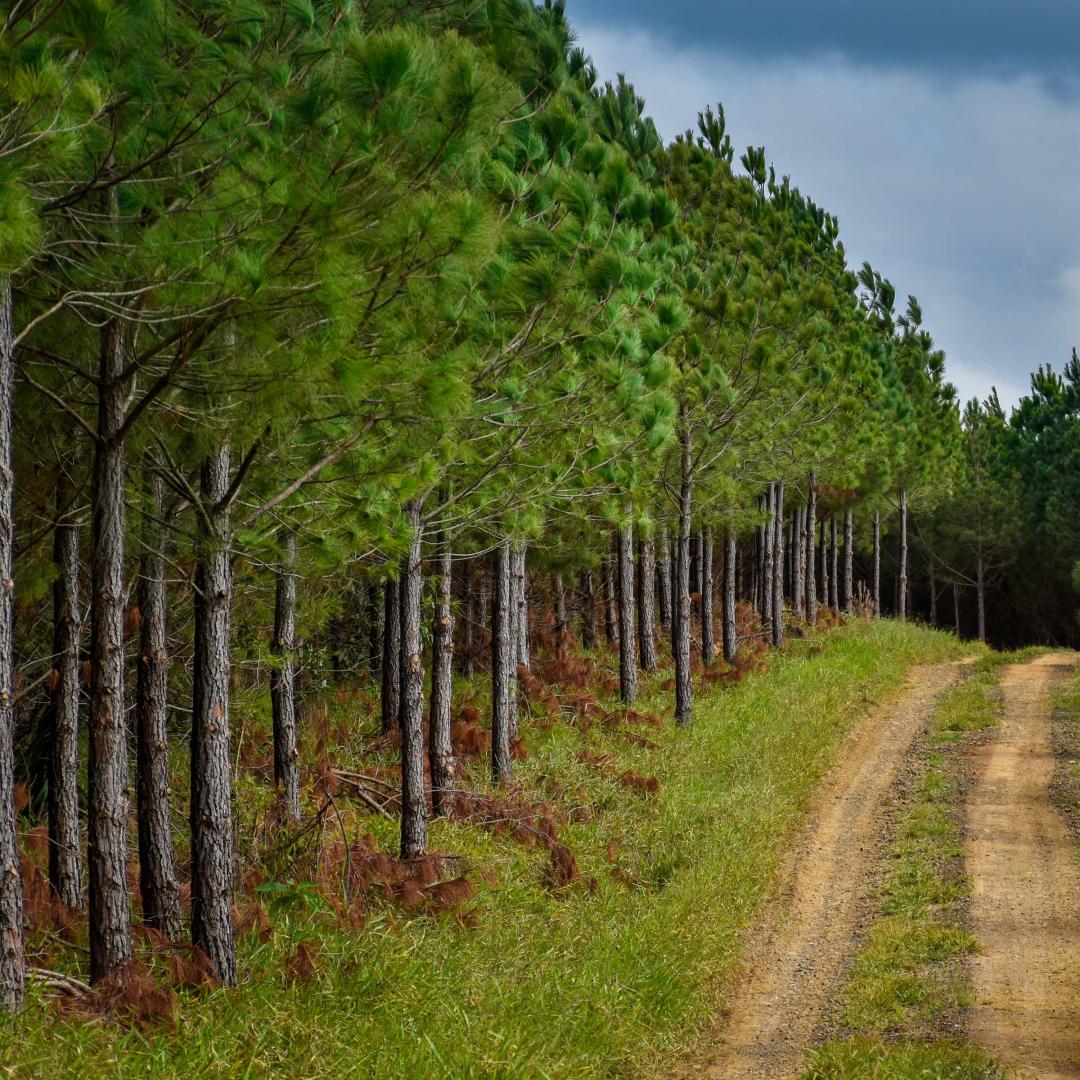
Tree plantation
Coming Soon
On
Description for Social and Search
The Deploy Biomass Crops on Degraded Land solution is coming soon.

Methods and Supporting Data

Action Word
Deploy
Solution Title
Biomass Crops on Degraded Land
Classification
Highly Recommended
Updated Date
Coming Soon Label
Coming Soon

Deploy Seaweed Farming for Food

Image
Image
An image of chopsticks picking up seaweed from a small bowl
Coming Soon
Off
Summary

Deploy Seaweed Farming for Food involves cultivating seaweed (often called macroalgae) in the ocean for human consumption as a partial replacement for low-protein foods grown on land (e.g., grains, vegetables). This solution considers the emissions avoided by substituting one kilogram of low-protein food with one kilogram of seaweed. Current evidence suggests that farming seaweed for food could result in lower greenhouse gas emissions compared to some terrestrial crops. Advantages include the potential to reduce land-based agricultural impacts, improve water quality, and achieve globally meaningful climate impacts at a smaller spatial scale than growing seaweed for carbon removal by sinking (see Deploy Ocean Biomass Sinking). Disadvantages include potential adverse effects on marine ecosystems, uncertain climate benefits due to limited data on effectiveness, and opportunity costs if seaweed used for food could have delivered a greater climate impact in other emerging uses. Based on our assessment, we will “Keep Watching” this potential solution.

Description for Social and Search
The Deploy Seaweed Farming solution is coming soon.
Overview

What is our assessment?

The overall effectiveness of seaweed cultivation for food as a climate solution remains uncertain. It could deliver climate benefits at modest cultivation scales while providing a useful end product. Expansion could also benefit land and food systems by reducing agricultural pressures, but it may introduce environmental trade-offs in the ocean that are not yet well understood. We will “Keep Watching” this solution.

Plausible Could it work? Yes
Ready Is it ready? Yes
Evidence Are there data to evaluate it? Limited
Effective Does it consistently work? ?
Impact Is it big enough to matter? ?
Risk Is it risky or harmful? ?
Cost Is it cheap? ?

What is it?

This solution involves expanding the cultivation of marine seaweed for human consumption as an alternative to higher-emission, lower-protein foods. These can include grains (e.g., wheat, rye, maize, oats, and rice) and, to a lesser extent, vegetables (e.g., potatoes, cassava, broccoli, and cabbage). By switching part of food production from land to ocean systems, seaweed farming helps avoid some sources of terrestrial agricultural emissions, such as those from fertilizer, irrigation, and soil disturbance. Seaweed cultivation, at modest scales and in suitable locations, does not require additional nutrients or irrigation, which can result in lower emissions. Emissions from physical cultivation activities also differ, with tractor use in land-based agriculture being replaced by emissions from boat operations in seaweed farming. Currently, roughly 80% of cultivated seaweed is consumed by humans in food products. 

Does it work?

The climate impact of cultivating seaweed is understudied, but existing estimates suggest that growing a ton of seaweed generates less than a quarter of the emissions from growing a ton of vegetables, such as broccoli and cabbage. The actual climate impact will depend on which types of foods are displaced in diets. Replacing higher-emission, low-protein foods, such as some grain-based staples (e.g., bread or rice), with seaweed could provide even greater climate benefits. More data are needed to assess full cradle-to-grave emissions for seaweed that include transport, processing, and storage prior to consumption. Actual benefits may be lower once full life cycle emissions are considered, or higher if seaweed replaces more emissions-intensive foods. 

Why are we excited?

Unlike terrestrial crops, seaweed cultivation does not require fresh water for irrigation or pesticides for pest management. It is the fastest-growing sector of global aquaculture, and can produce higher biomass yields per area than some land-based crops. Because it grows in the ocean, seaweed farming reduces land demand, which can therefore support terrestrial biodiversity and conservation efforts. If deployed in the right place, seaweed cultivation can also help reduce nutrient pollution in coastal areas. 

Compared with other seaweed-based climate solutions, farming seaweed for food could achieve a meaningful global climate impact using far less ocean area (1–2 Mha versus 6–7 Mha estimated for solutions like Deploy Ocean Biomass Sinking), though estimates remain highly uncertain. Cultivation might also provide additional carbon removal benefits by selecting for high-productivity cultivars and strategically placing farms in areas where carbon fixation and burial are naturally high. 

Finally, global diets currently overrely on starch-rich grain crops, highlighting a potential opportunity for seaweed, which is a nutritious source of protein, essential fatty acids, and minerals, to replace these foods and diversify diets in many regions. Across commonly consumed species, seaweeds are generally low in fat and calories and can be rich in fiber and micronutrients, including iron, iodine, calcium, and magnesium. 

Why are we concerned?

There are several environmental and feasibility concerns associated with seaweed cultivation, especially if it is expanded to use large areas of ocean habitat. Global estimates of ocean area suitable for seaweed cultivation range substantially, from 10 to 4,800 Mha, but often lack consideration for real-world nutrient limitations or ecological impacts. A more recent analysis that considers nitrogen, phosphorus, and iron limitations suggests that the viable ocean seaweed farming area is closer to 400 Mha. If regions are prioritized based on where cultivation is not nutrient-limited, where it can achieve high carbon removal efficiency, and where there are lower risks of adverse ecological impacts, potential seaweed farming areas could be limited to the western North Pacific and North Atlantic. The costs of such an expansion are also poorly understood, with some cost estimates per ton of CO₂ fairly high.

Similarly, it’s unclear how viable seaweed is as a large-scale substitute for low-protein foods in real-world diets. Using vegetables as an example, achieving a climate impact of at least 0.1 Gt CO₂‑eq/yr could require replacing over 25% of global vegetable production. Assuming productivity typical of subtidal seaweed (6.6 t C/ha/yr), this would translate to an additional ~2.6 Mha of ocean cultivation. An area of 2.6 Mha would equate to a 100-meter-wide continuous belt of seaweed cultivation along 22% of the global coastline. For comparison, seaweed cultivation currently covers less than 400,000 ha. 

At large scales, seaweed cultivation could alter food webs through competition with phytoplankton for nutrients and/or requiring external nutrient inputs, raising serious concerns similar to Deploy Ocean Biomass Sinking. Cultivation can have a range of other negative impacts on coastal ecosystems, too. Seaweed farms established in or near seagrass beds, for instance, can displace existing habitats and species. More research is needed to assess these trade-offs, including the spatial scale required for a globally meaningful climate impact and how seaweed cultivation relates to potential land-use benefits. Further work is also needed to evaluate whether seaweed cultivation could deliver greater climate benefits through other emerging products, rather than as a direct food replacement.

References

Berger, M., Kwiatkowski, L., Bopp, L., & Ho, D. T. (2025). Efficacy of seaweed-based carbon dioxide removal reduced by iron limitation and nutrient competition with phytoplankton. CDRXIV. Link to source: https://doi.org/10.70212/cdrxiv.2025385.v1

Bhuyan, M. S. (2023). Ecological risks associated with seaweed cultivation and identifying risk minimization approaches. Algal Research, 69, 102967. Link to source: https://doi.org/10.1016/j.algal.2022.102967

DeAngelo, J., Saenz, B. T., Arzeno-Soltero, I. B., Frieder, C. A., Long, M. C., Hamman, J., Davis, K. A., & Davis, S. J. (2023). Economic and biophysical limits to seaweed farming for climate change mitigation. Nature Plants, 9(1), 45-57. Link to source: https://doi.org/10.1038/s41477-022-01305-9

EAT-Lancet Commission. (2025). Healthy diets from sustainable food systems: Summary report of the EAT-Lancet Commission. EAT. Link to source: https://eatforum.org/wp-content/uploads/2025/09/EAT-Lancet_Commission_Summary_Report.pdf

Food and Agriculture Organization of the United Nations. (2021). Global seaweeds and microalgae production, 1950–2019: WAPI factsheet. Link to source: https://openknowledge.fao.org/server/api/core/bitstreams/97409d09-2f8e-4712-b11e-60105d89959b/content

Food and Agriculture Organization of the United Nations. (2023). Agricultural production statistics 2000–2022. Link to source: https://openknowledge.fao.org/server/api/core/bitstreams/fba4ef43-422c-4d73-886e-3016ff47df52/content

Froehlich, H. E., Afflerbach, J. C., Frazier, M., & Halpern, B. S. (2019). Blue growth potential to mitigate climate change through seaweed offsetting. Current Biology, 29(18), 3087-3093. Link to source: https://doi.org/10.1016/j.cub.2019.07.041

Hasselström, L., & Thomas, J. B. E. (2022). A critical review of the life cycle climate impact in seaweed value chains to support carbon accounting and blue carbon financing. Cleaner Environmental Systems, 6, 100093. Link to source: https://doi.org/10.1016/j.cesys.2022.100093

Jones, B. L. H., Eklöf, J. S., Unsworth, R. K. F., Coals, L., Christianen, M. J. A., Clifton, J., Cullen-Unsworth, L. C., de la Torre-Castro, M., Esteban, N., Huxham, M., Jiddawi, N. S., McKenzie, L. J., Nakaoka, M., Nordlund, L. M., Ooi, J. L. S., & Prathep, A. (2025). Risks of habitat loss from seaweed cultivation within seagrass. Proceedings of the National Academy of Sciences, 122(8), Article e2426971122. Link to source: https://doi.org/10.1073/pnas.2426971122

Lomartire, S., Marques, J. C., & Gonçalves, A. M. (2021). An overview to the health benefits of seaweeds consumption. Marine Drugs, 19(6), 341. Link to source: https://doi.org/10.3390/md19060341

Lozano Muñoz, I., & Díaz, N. F. (2020). Minerals in edible seaweed: Health benefits and food safety issues. Critical Reviews in Food Science and Nutrition, 62(6), 1592-1607. Link to source: https://doi.org/10.1080/10408398.2020.1844637

Peñalver, R., Lorenzo, J. M., Ros, G., Amarowicz, R., Pateiro, M., & Nieto, G. (2020). Seaweeds as a functional ingredient for a healthy diet. Marine Drugs, 18(6), 301. Link to source: https://doi.org/10.3390/md18060301

Pessarrodona, A., Assis, J., Filbee-Dexter, K., Burrows, M. T., Gattuso, J. P., Duarte, C. M., Krause-Jensen, D., Moore, P. J., Smale, D. A., & Wernberg, T. (2022). Global seaweed productivity. Science Advances, 8(37), eabn2465. Link to source: https://doi.org/10.1126/sciadv.abn2465

Pessarrodona, A., Howard, J., Pidgeon, E., Wernberg, T., & Filbee-Dexter, K. (2024). Carbon removal and climate change mitigation by seaweed farming: A state of knowledge review. Science of the Total Environment, 918, 170525. Link to source: https://doi.org/10.1016/j.scitotenv.2024.170525

Rajapakse, N., & Kim, S. K. (2011). Nutritional and digestive health benefits of seaweed. Advances in Food and Nutrition Research, 64, 17-28. Link to source: https://doi.org/10.1016/B978-0-12-387669-0.00002-8

Ross, F., Tarbuck, P., & Macreadie, P. I. (2022). Seaweed afforestation at large-scales exclusively for carbon sequestration: Critical assessment of risks, viability and the state of knowledge. Frontiers in Marine Science, 9, 1015612. Link to source: https://doi.org/10.3389/fmars.2022.1015612

Spillias, S., Valin, H., Batka, M., Sperling, F., Havlík, P., Leclère, D., Cottrell, R. S., O’Brien, K. R., & McDonald-Madden, E. (2023). Reducing global land-use pressures with seaweed farming. Nature Sustainability, 6(4), 380–390. Link to source: https://doi.org/10.1038/s41893-022-01043-y

Zhang, L., Liao, W., Huang, Y., Wen, Y., Chu, Y., & Zhao, C. (2022). Global seaweed farming and processing in the past 20 years. Food Production, Processing and Nutrition, 4(1), 23. Link to source: https://doi.org/10.1186/s43014-022-00103-2

Credits

Lead Fellow 

  • Christina Richardson, Ph.D.

Internal Reviewer

  • Christina Swanson, Ph.D.
Action Word
Deploy
Solution Title
Seaweed Farming for Food
Classification
Keep Watching
Updated Date
Coming Soon Label
Coming Soon
Subscribe to