What is it?
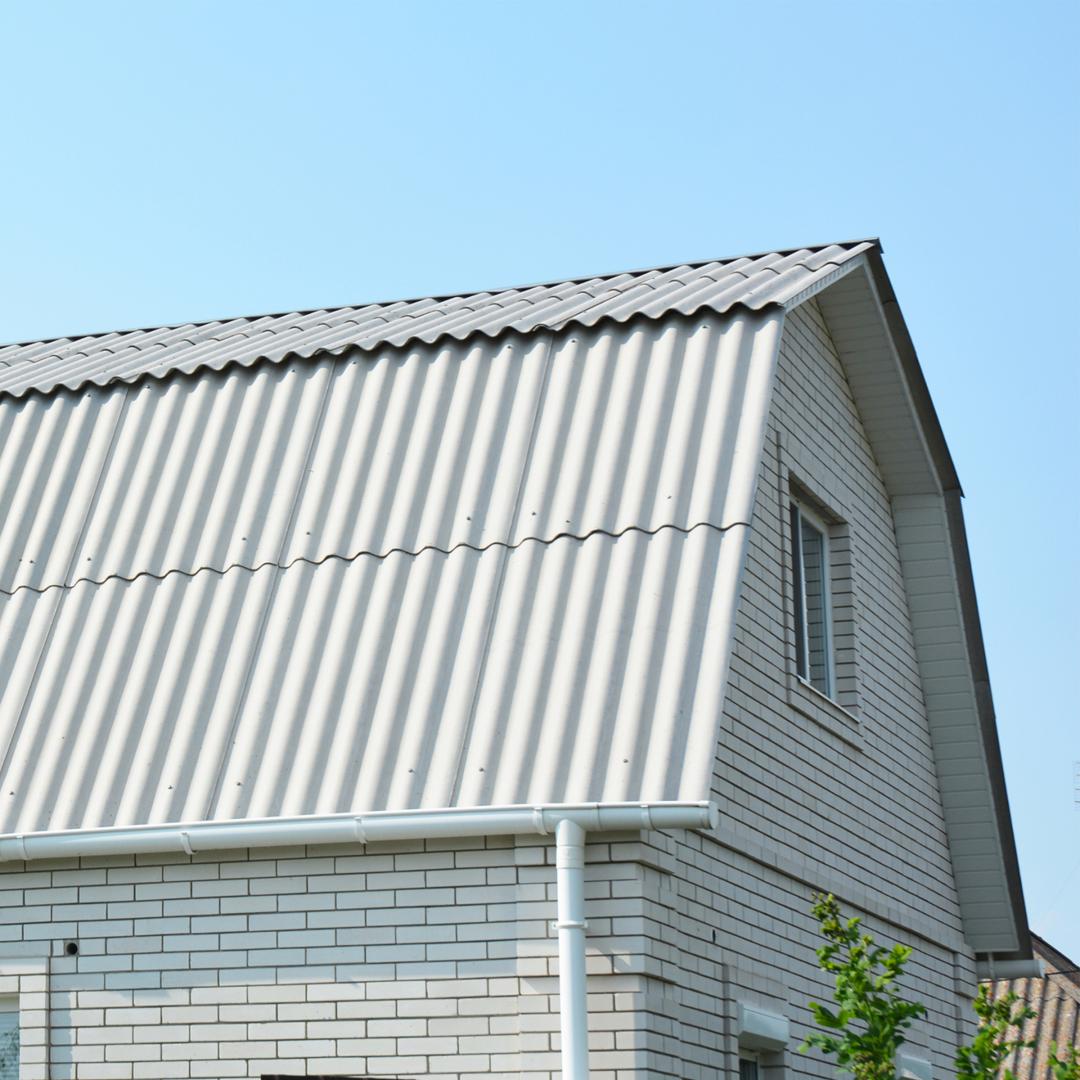
Using cool roofs reduces the amount of electricity needed to cool indoor spaces, thereby cutting GHG emissions from electricity generation. Cool roofs are generally defined as light-colored roofs designed to reflect more sunlight and transfer less solar energy into the interior compared to traditional roofs, thereby reducing cooling loads. Cool roofs can be achieved by applying coatings or using roofing materials with a high solar reflectance index (SRI), which results from high solar reflectance and thermal emittance. These properties ensure that surface temperatures on cool roofs remain substantially cooler than conventional roofs.
Does it work?
Using cool roofs can effectively reduce the amount of air conditioning needed to cool indoor spaces, though their potential to cut annual electricity use in buildings and resulting GHG emissions is minimal. Nonetheless, evidence from real-world applications demonstrates that the surface temperatures of cool roofs can be as much as 28–30°C cooler than conventional roofs on extremely hot afternoons. Other studies have shown that cool roofs can decrease indoor air temperatures by 2–3°C while simultaneously reducing surrounding outdoor air temperatures by about 10°C, thereby minimizing the urban heat island effect.
Several organizations are deploying initiatives to drive cool roof adoption as a passive cooling strategy in the building sector. For example, C40 Cities previously launched a cool roofs program across New York City. Over a six-year period (2009–2015), the initiative resulted in nearly 530,000 m2 of building roof tops being retrofitted as cool roofs. As of 2023, the United States is estimated to have over 232 million m2 of installed cool roofs. Recently, the Million Cool Roofs Challenge organized by the Global Cool Cities Alliance resulted in 1.1 million m2 of additional cool roofs in 2022 across 10 countries, including Indonesia, Mexico, and Rwanda.
Some studies estimate that about 229 billion m2 of roof space existed as of 2022. Given the existing building stock – and the fact that the bulk of projected new construction by 2050 is expected in regions with hot climates – the impact of this potential solution could grow.
Why are we excited?
There are several advantages to using cool roofs in buildings. First, it is cheap to implement, and the incremental cost of applying new coatings or selecting light-colored roofing materials during construction is often minimal compared to conventional roofs. Second, it is expedient as a cooling strategy when buildings are not mechanically air-conditioned or designed to be naturally ventilated. This is important because many countries in hot climates (where cooling is generally required for indoor thermal comfort more than heating) also lack access to reliable electricity, thereby necessitating the use of passive measures in building design.
In addition, a recent analysis of 77 low- and middle-income countries determined that cooling systems are not readily available, sustainable, or affordable, especially for building applications, placing nearly 4 billion people at risk. Deploying scalable strategies such as cool roofs in buildings helps reduce exposure to these risks, which could lead to greater adoption and climate impact. Several studies have also shown that using cool roofs can help reduce indoor heat stress, especially in hot and humid environments. Others are exploring the concept of cool-colored roofs, where non-white roof materials can provide similar cooling effects while preserving aesthetic choice for building owners and developers.
Why are we concerned?
Despite the advantages of using cool roofs as a potential climate solution, a few challenges exist. Some studies have shown that cool roofs can slightly increase heating loads during winter, especially in cold climates. However, other studies conclude that the increase is marginal and often inconsequential. Another concern is that cool roofs can produce glare as the incident sunlight is reflected. This could adversely impact building users if the buildings with cool roofs are surrounded by taller structures with daytime occupancy, such as offices, which is an increasing reality in urban spaces. Lastly, we found examples of pilot projects and resources for cool roofs, but could not find reliable datasets for a comprehensive assessment of their current impact. Addressing such data gaps could help drive cool roofs research, integration into industry practices and building codes, and, ultimately, greater adoption.